
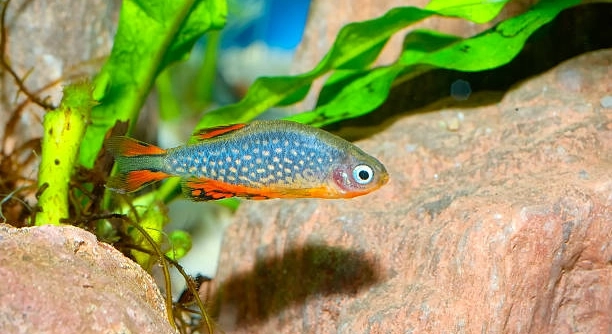
Keeping your danios healthy requires more than just clean water and proper feeding. Observing their behavior and physical appearance can reveal early signs of illness. Subtle changes often indicate that attention is needed to maintain their wellbeing.
Certain unusual patterns, such as erratic swimming, faded coloration, clamped fins, loss of appetite, rapid gill movement, skin lesions, or unusual growths, are strong indicators of potential illness in danios. Recognizing these signs early helps prevent severe health issues.
Monitoring your danios closely ensures timely care and keeps their environment safe. These patterns offer critical insights into their overall health status.
Erratic Swimming Patterns
When danios begin swimming erratically, darting suddenly, or appearing disoriented, it is often a sign of stress or underlying illness. This behavior can stem from water quality issues, parasites, or internal infections. Observing their movement closely is essential, as consistent changes in swimming style may indicate that something is wrong. Even minor deviations, like swimming in circles or floating near the surface, can signal a problem. Maintaining stable water temperature, proper filtration, and regular water changes can help reduce stress. Feeding high-quality food and avoiding overfeeding also supports overall health. Monitoring interactions between tank mates is important, as bullying or overcrowding can lead to abnormal swimming patterns. Promptly addressing these issues helps prevent further complications, ensuring that danios remain active, healthy, and comfortable in their environment.
Erratic swimming is one of the earliest observable signs that your danios may be struggling. Early detection allows for faster intervention and recovery.
Keeping a log of your danios’ behavior over time helps track changes effectively. Observing their swimming habits, especially in combination with other unusual signs, can reveal specific patterns of illness. For example, sudden darting might indicate internal parasites, while lethargic or erratic movements could be related to poor water conditions. Water testing is crucial in identifying ammonia, nitrite, or nitrate spikes, which often trigger stress behaviors. Additionally, checking for external parasites or visible injuries can clarify the cause of irregular swimming. Adjusting tank conditions and providing supportive care, including proper nutrition and gentle handling, often leads to improvement. Early recognition and consistent observation are key to preventing minor issues from escalating into severe illness. By paying attention to these subtle cues, you can maintain a healthy, stable environment for your danios, supporting their long-term vitality.
Faded Coloration
Fading colors in danios often indicate stress or illness. Changes can occur gradually or suddenly, signaling dietary deficiencies, infections, or environmental stressors.
Color loss is usually accompanied by reduced activity or appetite. Identifying the cause early helps restore their vibrant appearance.
Danios’ bright coloration reflects their health and wellbeing. When colors start to fade, it is essential to evaluate water quality, diet, and tank conditions. Poor water conditions, including improper pH or temperature fluctuations, can dull colors quickly. Nutritional deficiencies also play a role; feeding a varied diet rich in essential nutrients supports natural pigmentation. Infections, both internal and external, may contribute to discoloration, making observation critical. Stress from overcrowding, aggressive tank mates, or sudden environmental changes can also affect color vibrancy. Correcting these issues often leads to gradual restoration of their natural hues. Consistent monitoring of water parameters, proper feeding practices, and reducing stress factors ensures that danios maintain their lively colors and remain visibly healthy.
Clamped Fins
Clamped fins occur when a danio holds its fins close to its body instead of spreading them normally. This is often a sign of stress, poor water quality, or early illness. Immediate attention is needed to prevent worsening conditions.
Clamped fins usually indicate that a danio is uncomfortable in its environment. Common causes include high ammonia or nitrite levels, sudden temperature changes, or the presence of aggressive tank mates. Parasites or bacterial infections may also trigger this behavior. Observing other symptoms such as lethargy, loss of appetite, or unusual swimming can help identify the root cause. Correcting water parameters, maintaining stable temperatures, and ensuring the tank is not overcrowded often alleviates the stress. Proper feeding and careful monitoring for additional symptoms support recovery.
If clamped fins persist despite environmental adjustments, a medical issue may be present. Internal infections or parasites can prevent a danio from displaying normal fin behavior. Treatment may require medication or isolation in a quarantine tank. Maintaining cleanliness, regular water testing, and careful observation are essential to address underlying problems. Early intervention improves recovery chances and prevents the illness from spreading to other fish. Keeping track of any changes in behavior or physical condition helps ensure long-term health.
Loss of Appetite
Loss of appetite in danios can indicate illness, stress, or improper diet. Monitoring feeding habits helps identify potential problems early and prevent further health decline.
When danios stop eating or show reduced interest in food, it often points to underlying issues such as internal parasites, infections, or poor water quality. Stress from overcrowding or sudden environmental changes can also suppress appetite. Nutritional deficiencies may make fish less motivated to eat, impacting their energy and immune system. Careful observation of other behavioral changes alongside feeding habits provides a clearer picture of their health. Adjusting diet and tank conditions helps stimulate appetite.
Prolonged loss of appetite can weaken danios and make them more vulnerable to disease. Immediate intervention is important, including checking water parameters, offering varied foods, and isolating sick fish if necessary. Infections or internal parasites may require medication to restore normal feeding behavior. Maintaining stable conditions, providing a balanced diet, and keeping the tank stress-free supports recovery. Consistent monitoring ensures that any setbacks are addressed promptly, preventing severe health complications and promoting long-term vitality.
Rapid Gill Movement
Rapid gill movement is a clear sign that a danio is struggling to breathe properly. This can result from poor water quality, low oxygen levels, or gill infections. Immediate action is needed to improve water conditions and reduce stress.
High nitrate or ammonia levels, overcrowding, or insufficient aeration can cause danios to breathe faster. Observing their gill activity alongside other behaviors helps pinpoint the issue. Adjusting filtration, increasing oxygenation, and performing partial water changes often restores normal breathing patterns.
Skin Lesions
Skin lesions appear as visible sores, white spots, or abrasions on danios. These indicate bacterial, fungal, or parasitic infections and require prompt attention to prevent spreading. Regular monitoring of water quality and hygiene is essential to minimize risks.
Unusual Growths
Unusual growths on danios, such as lumps or bumps, may signal tumors, infections, or parasitic infestations. Veterinary consultation or specialized treatments can help identify and address these conditions early, preserving the fish’s health and comfort.
Lethargy
Lethargy in danios is characterized by reduced activity, prolonged resting, or hiding. It often reflects illness, stress, or poor environmental conditions and should be addressed quickly to prevent deterioration.
FAQ
What are the most common signs of illness in danios?
The most common signs include erratic swimming, faded coloration, clamped fins, loss of appetite, rapid gill movement, skin lesions, unusual growths, and lethargy. Observing these behaviors early allows for timely intervention and prevents more severe health issues from developing.
How can I improve water quality to prevent illness?
Maintaining clean water is essential. Perform regular water changes, monitor ammonia, nitrite, and nitrate levels, and ensure proper filtration. Avoid overfeeding, remove uneaten food promptly, and test water parameters regularly. Stable water conditions reduce stress and lower the risk of disease.
Why is my danio swimming erratically?
Erratic swimming often signals stress, poor water conditions, or parasites. Watch for other symptoms like faded colors or clamped fins. Adjust water parameters, check for aggressive tank mates, and isolate affected fish if necessary to prevent further complications.
What causes clamped fins, and how can I help?
Clamped fins indicate stress or illness. Common causes are high ammonia or nitrite levels, sudden temperature changes, or internal infections. Improving water quality, stabilizing the tank environment, and monitoring for additional symptoms often helps restore normal fin movement.
Why are my danios losing color?
Faded coloration can result from stress, poor nutrition, or disease. Ensure a balanced diet rich in pigments and maintain stable water conditions. Observe for infections or parasites, as these can also cause color loss. Reducing stress and improving nutrition often restores vibrant hues.
How do I know if my danio has skin lesions or growths?
Visible sores, bumps, or white patches on the body indicate lesions or growths. These may stem from bacterial, fungal, or parasitic infections, or occasionally tumors. Prompt treatment, water quality improvement, and isolation of affected fish are important to prevent further health issues.
What should I do if my danio stops eating?
Loss of appetite may be due to stress, illness, or poor water quality. Offer a varied diet, check water parameters, and observe for other symptoms. If appetite does not improve, consider isolating the fish and providing supportive care, including possible medication for infections or parasites.
Can rapid gill movement be a serious problem?
Yes. Rapid gill movement indicates breathing difficulty, often caused by low oxygen, poor water quality, or gill infections. Increase aeration, perform water changes, and ensure proper tank conditions. Persistent issues may require treatment to address underlying causes.
Is lethargy always a sign of illness?
Not always. Temporary lethargy can result from stress, minor temperature changes, or recent feeding. However, consistent lethargy combined with other symptoms usually indicates illness or poor environmental conditions. Monitoring and adjusting water parameters, feeding practices, and tank stressors help address the problem.
How can I prevent illness in my danios long-term?
Prevention relies on stable water conditions, proper nutrition, regular monitoring, and a clean tank environment. Avoid overcrowding, maintain consistent temperatures, and watch for early signs of disease. Promptly isolating sick fish and providing care ensures overall health and longevity.
When should I consult a veterinarian?
Consult a veterinarian if symptoms persist despite improving water conditions and diet. Severe cases, unusual growths, or infections may require professional diagnosis and treatment. Early veterinary care increases recovery chances and prevents complications in the rest of the tank.
Are some danios more prone to illness than others?
Yes. Younger fish, recently introduced individuals, or those with weakened immune systems are more susceptible. Stress from poor water quality, aggressive tank mates, or dietary deficiencies also increases vulnerability. Consistent care reduces risks and supports healthier fish populations.
Can I treat multiple illnesses at once?
Treating multiple issues simultaneously is possible but requires caution. Identify the primary problem, isolate affected fish if needed, and follow treatment instructions carefully. Overlapping medications can stress fish or worsen conditions, so monitor reactions closely and adjust treatment as necessary.
What role does diet play in preventing illness?
Diet directly affects immune system strength and overall vitality. Providing a varied diet rich in nutrients, vitamins, and pigments supports health, maintains coloration, and reduces susceptibility to disease. Avoid overfeeding, rotate food types, and ensure high-quality products are offered consistently.
How important is observation in maintaining healthy danios?
Observation is crucial. Regularly watching swimming behavior, appetite, coloration, and fin condition allows early detection of illness. Small changes often indicate stress or disease before severe symptoms develop. Keeping notes on behavior trends helps identify patterns and informs timely intervention.
Can stress alone make danios sick?
Yes. Stress weakens the immune system, making fish vulnerable to infections and parasites. Causes include overcrowding, aggressive tank mates, poor water conditions, sudden temperature shifts, or frequent handling. Reducing stress improves overall health and lowers the likelihood of illness.
How do I isolate a sick danio properly?
Use a separate quarantine tank with stable water conditions and gentle filtration. Monitor the fish closely, provide appropriate treatment, and avoid introducing the fish back into the main tank until fully recovered. Isolation prevents disease spread and allows focused care.
What are the signs that treatment is working?
Signs of improvement include normal swimming behavior, restored appetite, vibrant coloration, and recovery of fin condition. Decreased rapid gill movement, healing skin lesions, and overall activity increase indicate that the intervention is effective and the fish is regaining health.
Are water changes necessary if my fish show illness?
Yes. Partial water changes help remove toxins, reduce stress, and improve oxygenation. Maintaining clean, stable water supports recovery and enhances the effectiveness of treatments. Monitor parameters closely to ensure changes are safe for all tank inhabitants.
How often should I check my danios for early signs of illness?
Daily observation is ideal. Watching behavior, fins, coloration, and appetite helps detect minor changes early. Consistent monitoring allows for timely interventions, preventing minor issues from becoming severe and maintaining a healthy environment for all fish.
Can illnesses spread between tank mates?
Many infections, including bacterial and parasitic diseases, can spread quickly. Isolating affected fish, maintaining cleanliness, and monitoring healthy fish help reduce transmission. Preventive care and prompt intervention are essential for the wellbeing of the entire tank.
How long does it take for a sick danio to recover?
Recovery time varies depending on the illness, severity, and promptness of treatment. Minor stress-related issues may resolve within days, while bacterial, parasitic, or internal infections can take weeks. Consistent care, proper water quality, and supportive feeding accelerate recovery.
What environmental factors most influence danio health?
Stable temperature, clean water, sufficient oxygen, minimal stress, and proper tank size all contribute. Abrupt changes, overcrowding, or poor nutrition can trigger illness. Maintaining a balanced, consistent environment ensures healthier, more resilient fish.
Are some diseases hard to detect early?
Yes. Internal infections and parasites may show subtle signs like mild appetite loss or slight swimming changes. Close observation and early water testing help detect problems before visible symptoms appear, allowing timely intervention and preventing severe outcomes.
Can combining different treatments harm danios?
Improperly combining medications can stress fish or reduce effectiveness. Always follow instructions carefully, isolate if necessary, and monitor for adverse reactions. Adjustments may be needed based on the fish’s response to treatment.
Do stress and illness affect lifespan?
Chronic stress and untreated illness can shorten a danio’s lifespan. Early intervention, proper care, and a stable environment improve longevity and quality of life, ensuring fish remain healthy and active.
Is quarantine necessary for new danios?
Yes. Quarantining new fish for a few weeks prevents introducing diseases into the main tank. Observation during this period helps detect hidden infections, parasites, or stress-related issues, keeping the established fish population safe.
Can medication alone restore health?
Medication is only part of the solution. Proper water quality, nutrition, and stress reduction are equally important. Combining these measures ensures more effective recovery and helps prevent recurrence of illness.
What long-term practices support danio health?
Regular water testing, balanced diet, consistent observation, stable environmental conditions, and prompt treatment of symptoms all contribute to long-term health. Minimizing stress, avoiding overcrowding, and quarantining new fish are essential practices for maintaining vitality.
How do I tell the difference between stress and illness?
Stress often causes temporary changes like slight color fading or brief lethargy. Illness produces more persistent symptoms such as clamped fins, skin lesions, loss of appetite, or rapid gill movement. Observing multiple behaviors together helps distinguish between the two and informs the proper response.
Are some danios more sensitive to environmental changes?
Yes. Younger or newly introduced fish, as well as those with weaker immune systems, are more sensitive. They require careful monitoring, gradual adjustments, and stable conditions to prevent stress-related illnesses.
How do I handle a sick danio safely?
Use gentle nets or hands, minimize handling, and avoid sudden movements. Place the fish in a prepared quarantine tank, provide appropriate treatment, and ensure water parameters are stable. Safe handling reduces stress and aids recovery.
Can diet alone prevent disease?
Diet alone cannot prevent all diseases but plays a major role in immune strength. Combined with proper water quality, stable environment, and stress reduction, good nutrition supports resistance to illness and improves overall health.
How can I tell if my danios are recovering well?
Indicators include normal swimming, restored appetite, bright coloration, healing skin, and active behavior. Tracking changes in these areas over time ensures that treatments are effective and the fish is regaining health.
Are some illnesses seasonal or temperature-related?
Certain infections, especially fungal or bacterial, can worsen with temperature fluctuations or seasonal changes. Maintaining stable water temperatures, consistent tank care, and close observation reduces the risk of seasonal illness flare-ups.
What is the best way to track danio health over time?
Keeping a log of behavior, feeding habits, coloration, and any unusual signs allows for early detection of problems. This record helps identify patterns, informs treatment decisions, and supports long-term monitoring of overall health.
Can stress from tank mates trigger illness?
Yes. Aggressive or dominant fish can stress danios, weakening their immune system and making them more susceptible to infections. Ensuring compatible tank mates and sufficient space reduces stress and protects health.
How do I prevent recurrent illness?
Prevent recurrence by maintaining clean water, proper nutrition, stable conditions, minimizing stress, and quarantining new fish. Regular observation and prompt intervention for any signs of illness ensure long-term wellness and resilience.
What are early warning signs I shouldn’t ignore?
Subtle changes like slight lethargy, minor color fading, mild appetite loss, or unusual fin behavior can signal early illness. Detecting these signs early allows for preventive measures and effective treatment before serious symptoms develop.
How often should I test water parameters?
Weekly testing is recommended for ammonia, nitrite, nitrate, pH, and temperature. Frequent monitoring ensures a stable environment, prevents stress, and reduces the risk of illness, supporting consistent health for your danios.
Can overcrowding contribute to illness?
Yes. Overcrowding increases stress, reduces oxygen levels, and promotes the spread of disease. Providing adequate space, proper filtration, and balanced stocking density minimizes health risks and supports a harmonious tank environment.
Are some illnesses contagious to other fish species?
Many bacterial and parasitic infections can affect multiple species. Isolating sick fish, practicing proper hygiene, and maintaining water quality help prevent the spread to other tank inhabitants.
What should I do if treatment doesn’t work?
If symptoms persist, reassess water conditions, diet, and stress factors. Seek veterinary guidance for advanced diagnostics and treatment. Persistent issues may indicate a resistant infection or underlying condition requiring professional intervention.
How long should I quarantine treated fish before returning them?
Wait until all symptoms have fully resolved, behavior is normal, and water parameters are stable. This period ensures the fish is fully recovered and prevents reintroducing illness to the main tank.
Can sudden environmental changes trigger multiple illnesses?
Yes. Rapid temperature shifts, changes in pH, or new tank additions can cause stress, weakening immunity and making fish susceptible to infections. Gradual adjustments and careful monitoring reduce the risk of illness outbreaks.
Is there a difference between male and female susceptibility?
Generally, both genders are equally affected by illness, but stress-related behaviors or hormonal changes may slightly influence susceptibility. Consistent care and monitoring are important for all danios regardless of gender.
How do I know if water filtration is sufficient?
Healthy fish, stable water parameters, and absence of visible debris indicate effective filtration. If fish show stress or illness despite proper care, check filter performance and ensure proper maintenance.
Are there natural remedies for minor illnesses?
Some mild infections respond to salt baths, temperature adjustments, or dietary supplements. However, proper diagnosis, quarantine, and medical treatment are often necessary for more serious or persistent conditions.
How important is tank cleaning in preventing illness?
Tank cleaning removes waste, reduces toxins, and minimizes bacterial or fungal growth. Regular substrate vacuuming, filter maintenance, and water changes are essential for a healthy environment.
Can light exposure affect danio health?
Excessive or insufficient light can stress fish and affect their behavior and coloration. Consistent, moderate lighting supports normal activity, feeding, and overall health.
Should I rotate different types of food for my danios?
Yes. Rotating high-quality flakes, pellets, and occasional live or frozen foods ensures nutritional variety, supports immune function, and maintains natural coloration. Balanced feeding helps prevent deficiencies that may contribute to illness.
How long can danios survive minor illnesses without treatment?
Minor issues may be tolerated briefly, but prolonged illness weakens immunity and increases mortality risk. Early intervention, water quality improvement, and proper care are essential to prevent serious health decline.
Can stress from frequent handling affect their health?
Yes. Frequent handling increases stress, weakens the immune system, and can trigger illness. Minimizing handling and using gentle techniques supports overall wellbeing.
Are there signs that indicate irreversible illness?
Severe tissue damage, large tumors, persistent lethargy, or unresponsive behavior often indicate advanced illness. Veterinary consultation is important to assess prognosis and determine humane options.
How can I make the tank environment more supportive for recovery?
Provide stable water conditions, appropriate temperature, gentle filtration, minimal stress, proper nutrition, and quiet surroundings. Observing behavior closely and isolating sick fish improves recovery outcomes.
Is it necessary to treat all tank mates if one fish is sick?
Not always. Assess exposure risk, monitor for symptoms, and maintain quarantine practices. Preventive measures and close observation help protect healthy fish while avoiding unnecessary treatment.
Can temperature fluctuations alone cause illness?
Yes. Sudden increases or decreases in temperature can stress fish, weaken immunity, and trigger infections. Maintaining a stable temperature is crucial for preventing illness and supporting recovery.
How do I differentiate bacterial and parasitic infections?
Bacterial infections often cause redness, sores, or fin rot, while parasitic infections may produce flashing, clamped fins, or abnormal swimming. Close observation and sometimes microscopic examination help distinguish the cause for proper treatment.
What role does tank size play in danio health?
Adequate space reduces stress, ensures sufficient oxygen, and prevents aggression. Overcrowding increases illness risk, while proper tank sizing supports natural behavior, growth, and overall wellbeing.
Are live plants beneficial for health?
Live plants improve water quality, oxygenation, and provide hiding spots, reducing stress. They support natural behavior and contribute to a balanced environment that enhances danio health.
How long should I observe a new symptom before acting?
Immediate attention is advised. Minor signs can escalate quickly, so early intervention through water checks, observation, and possible isolation or treatment is essential to prevent serious illness.
Can stress cause permanent damage?
Chronic stress may weaken immunity, stunt growth, or cause long-term behavioral changes. Minimizing stress and maintaining stable conditions is critical for preserving health and longevity.
What is the safest way to introduce medication to the tank?
Follow manufacturer instructions, dose accurately, and monitor fish closely. For severe cases, isolate the sick fish in a quarantine tank to prevent overdosing or stress to other inhabitants.
Can water hardness or pH fluctuations trigger illness?
Yes. Sudden changes in pH or hardness stress fish, affect metabolism, and may trigger susceptibility to infections. Maintaining consistent water chemistry supports stability and overall health.
Are some danios more resilient to illness?
Yes. Well-fed, mature fish with strong immune systems and minimal stress exposure generally recover faster and resist illness better than weaker or younger fish. Consistent care enhances resilience.
How do I know if my interventions are effective?
Positive signs include normal swimming, regained appetite, vibrant coloration, healing fins or skin, and active behavior. Tracking progress ensures treatments are working and informs any adjustments needed.
What are subtle behavioral signs I shouldn’t ignore?
Slight lethargy, minor fin clamping, brief color fading, or reduced appetite can indicate early illness. Noticing small changes early allows for timely intervention and prevents escalation.
Can stress from noise or vibration affect danios?
Yes. Sudden loud noises, vibrations, or frequent disturbances increase stress, weaken immunity, and may trigger illness. A stable, calm environment promotes better health and recovery.
Is quarantine necessary after treatment?
Yes. Quarantining ensures the fish fully recovers before rejoining the main tank, prevents disease spread, and allows for careful observation of lingering symptoms.
Can I prevent disease through regular observation alone?
Observation helps detect problems early, but it must be combined with clean water, proper nutrition, stress reduction, and proper tank maintenance to effectively prevent disease.
How often should I clean the substrate to prevent illness?
Weekly or biweekly cleaning removes waste and reduces harmful bacteria buildup. Regular substrate maintenance supports water quality and overall fish health.
Can temperature or lighting changes affect appetite?
Yes. Sudden shifts can reduce feeding interest. Maintaining stable temperature and consistent lighting supports normal appetite, digestion, and energy levels.
Are certain foods better for illness recovery?
High-protein, nutrient-rich foods, and occasionally live or frozen options support immune function and recovery. Balanced nutrition accelerates healing and restores vitality.
How do I handle multiple sick fish in the same tank?
Isolate each fish if possible, maintain clean water, and treat according to symptoms. Monitor carefully to avoid cross-contamination and ensure proper dosing for all affected individuals.
Can stress-induced illness be reversed?
Yes. Reducing stress through stable water conditions, proper nutrition, and minimal disturbances often restores health. Early intervention improves recovery chances and prevents permanent damage.
Is there a risk of overmedicating?
Yes. Overmedication can stress fish, harm beneficial bacteria, or worsen conditions. Follow instructions carefully, monitor responses, and adjust treatment as needed.
Do tank decorations impact health?
Sharp or rough decorations can cause injuries, increasing infection risk
Final Thoughts
Taking care of danios requires careful attention to both their behavior and their environment. These small fish are sensitive to changes in water quality, temperature, and tank conditions, and even minor stressors can affect their health. Observing them daily helps catch early signs of illness, such as erratic swimming, clamped fins, faded coloration, or loss of appetite. By noticing these patterns promptly, you can take the necessary steps to address the problem before it becomes serious. Simple practices like regular water testing, maintaining stable temperatures, and ensuring proper filtration can make a significant difference in preventing stress-related issues. Providing a clean and stable habitat not only supports their health but also allows their natural behaviors to be observed more easily, making it simpler to notice any unusual changes in movement, color, or appetite.
Nutrition is another key factor in supporting the overall health of your danios. A varied diet that includes high-quality flakes, pellets, and occasional frozen or live foods supplies essential nutrients that strengthen their immune system. Nutritional balance helps maintain vibrant coloration, supports growth, and can even improve resistance to infections. Overfeeding or offering only one type of food can weaken the immune system and lead to other complications. Combined with a clean and well-maintained tank, proper nutrition ensures your danios have the energy and resilience to recover from minor stress or illness. In addition, observing how they respond to feeding can provide useful insight into their health. A sudden loss of interest in food often signals that a closer examination of water quality, tank conditions, or potential infections is needed.
Consistency and observation are the foundations of keeping danios healthy. Early detection of unusual patterns, such as rapid gill movement, skin lesions, or unusual growths, allows for prompt intervention and reduces the risk of severe illness. Maintaining stable environmental conditions, providing appropriate nutrition, and minimizing stress all contribute to their long-term wellbeing. Even small adjustments, like increasing aeration, reducing overcrowding, or monitoring interactions with tank mates, can have a noticeable impact on health and behavior. By staying attentive and proactive, you create an environment where your danios can thrive, displaying their natural colors, active swimming patterns, and healthy appetites. Understanding and responding to their needs ensures a stable, supportive habitat, reduces the likelihood of disease, and fosters longevity in your aquatic community.

Hello,
If you enjoy the content that we create, please consider saying a "Thank You!" by leaving a tip.
Every little bit helps us continue crafting quality advice that supports the health, happiness, and well-being of pets around the world, for pets of all shapes, sizes, and species.
We really appreciate the kindness and support that you show us!