
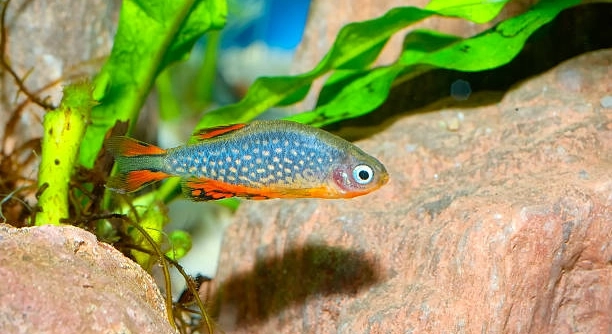
Maintaining stable temperatures for Danio fish can be a challenge for many aquarium owners. Sudden changes in water temperature can stress these small fish, affecting their health, behavior, and overall well-being in their aquatic environment.
Consistently monitoring water temperature and using reliable heaters with thermostats are essential practices. Establishing daily routines for temperature checks, avoiding rapid water changes, and positioning tanks away from direct sunlight or drafts help maintain a stable environment for Danios.
Following simple habits ensures your fish stay healthy and active. These steps create a safer, more consistent environment for your Danios to thrive.
Understanding Danio Temperature Needs
Danios thrive in stable water temperatures between 72°F and 78°F. Sudden changes can lead to stress, disease, or unusual behavior. Observing your fish daily helps identify signs of discomfort, such as lethargy or erratic swimming. Tank placement matters; avoid areas near air vents, windows, or heaters. Using a reliable thermometer allows you to monitor temperature accurately. Gradual adjustments are essential when making changes to avoid shocking the fish. Filtration and water circulation also play roles in maintaining consistency, as stagnant water can lead to uneven temperatures. Keeping the tank covered reduces evaporation and helps prevent sudden drops. Seasonal temperature shifts in your home may also require attention, especially during winter or summer months. Maintaining stability requires planning and vigilance but ensures your Danios remain active, healthy, and vibrant. Small adjustments over time create a consistent environment that supports long-term well-being for your fish, allowing them to thrive without stress or illness.
Consistent temperature support improves fish behavior and reduces health risks. Small efforts create a safer, calmer environment.
Daily monitoring, proper equipment, and careful placement prevent temperature swings. Your Danios will show better activity, color, and feeding responses with stable conditions. Regular checks make small adjustments manageable and effective, helping maintain a healthy aquatic habitat.
Using Heaters and Thermometers Effectively
Reliable heaters and thermostats are essential for maintaining stability in your aquarium.
Selecting the correct heater size for your tank ensures even heating. For small tanks, submersible heaters work well, while larger tanks may require multiple units. Position heaters away from decorations or plants to avoid hotspots. Thermometers, both digital and glass, allow accurate monitoring, providing real-time readings. Place thermometers in multiple tank areas to check for uneven heating. Adjust settings slowly to prevent rapid fluctuations, which can stress Danios. Regular maintenance, including checking cords and ensuring heaters function properly, prevents equipment failures. Combining heaters with consistent observation ensures that your fish experience minimal stress and remain healthy. Tracking temperature trends over days helps identify issues before they escalate, allowing preventive action rather than reactive fixes. Proper equipment and attention to detail make stable water temperatures achievable even in fluctuating room conditions. With these measures, Danios maintain normal behavior, appetite, and overall vitality, creating a healthier tank environment over time.
Gradual Water Changes
Frequent, sudden water changes can shock Danios. Small, gradual changes help maintain temperature consistency while keeping the tank clean and healthy.
Adjusting water incrementally prevents stress. Replace only a portion of the tank water at a time, ideally 10-20% weekly. Preheat the new water to match the tank temperature closely, avoiding rapid shifts. Pour it slowly to allow the fish to acclimate. Using a siphon or bucket helps control flow, reducing disturbance to the tank environment. Sudden large water changes can cause temperature swings, leading to health issues. Even small mismatched temperatures may stress your Danios, impacting feeding and activity. Consistency and careful handling ensure stability while maintaining clean, safe water for your fish.
Gradual adjustments also reduce chemical shock from chlorine or pH differences. Mixing water beforehand and monitoring levels during changes supports a healthier, more stable aquatic environment. This practice makes your routine maintenance safer for both you and your Danios.
Tank Placement Considerations
Keep tanks away from direct sunlight or drafts to prevent sudden temperature swings.
Positioning your aquarium in a stable environment minimizes fluctuations. Avoid windows, doors, heating vents, or air conditioners. High-traffic areas may also cause minor disturbances, impacting water stability. Placing the tank on a sturdy, insulated surface helps maintain temperature, reducing heat loss or gain. Small adjustments in placement can significantly improve stability over time. Using a tank cover further prevents evaporation and temperature drops, particularly during cooler nights. Temperature consistency is easier to maintain when the tank environment itself is controlled. Observing the tank location during different times of the day helps identify areas prone to heating or cooling. Proper placement complements equipment like heaters and filters, creating a balanced setup for your Danios. Careful attention to where the tank sits ensures minimal stress from external conditions, supporting healthy behavior and consistent feeding patterns.
Insulating the Aquarium
Insulating the tank helps reduce temperature fluctuations. Using foam or specialized tank insulation minimizes heat loss, especially in cooler rooms or during winter.
Even a simple blanket or backing can help maintain warmth. Insulation supports the heater, keeping water stable and reducing energy use, while also protecting Danios from sudden drops in temperature.
Consistent Monitoring
Regularly checking water temperature prevents unexpected changes. Digital or glass thermometers provide accurate readings and help track trends over time. Monitoring ensures that any issues with equipment or environment are noticed quickly before affecting your Danios’ health.
Avoid Overcrowding
Too many fish in one tank can raise water temperature and increase stress. Keeping a proper number of Danios supports a balanced, stable environment, reducing the risk of temperature-related issues and promoting healthier behavior overall.
FAQ
What is the ideal temperature for Danios?
Danios do best in temperatures between 72°F and 78°F. Maintaining this range supports normal behavior, feeding, and overall health. Sudden deviations outside this range can stress the fish and increase the risk of illness.
How often should I check the water temperature?
Daily monitoring is recommended. Observing the temperature at the same time each day helps detect trends and prevent sudden swings. Using both digital and glass thermometers can improve accuracy and reliability.
Can a small heater maintain stable temperatures?
Yes, as long as the heater is appropriately sized for the tank. Small tanks often require submersible heaters, while larger tanks may need multiple units to ensure even distribution of warmth. Positioning the heater properly prevents hotspots.
Is it necessary to preheat water for changes?
Yes, new water should match the tank temperature closely. Gradual addition prevents temperature shock, which can lead to stress or unusual behavior. Mixing water and checking it with a thermometer before adding is a safe practice.
How can I prevent sudden temperature changes in winter?
Keep the tank away from drafts, doors, or windows. Using insulation and a heater helps maintain consistent warmth. Monitoring daily and adjusting equipment slightly can prevent fluctuations caused by seasonal temperature changes.
Do tank size and population affect temperature stability?
Yes, smaller tanks are more sensitive to environmental changes, and overcrowding can increase temperature and stress levels. Ensuring a balanced population supports a stable, healthy environment for Danios.
Are certain locations in the house better for tanks?
Yes, choose areas with minimal sunlight exposure and away from air vents or heating sources. A stable, low-traffic location reduces sudden shifts in temperature and supports a calm environment for your fish.
How do I know if my Danios are stressed by temperature?
Signs include lethargy, erratic swimming, loss of appetite, and faded colors. Observing daily behavior helps detect issues early. Addressing environmental factors like heaters, insulation, or tank placement can restore stability and improve health.
Can layering a tank cover help with temperature control?
Yes, covering the tank reduces evaporation and prevents heat loss. It also minimizes drafts from fans or air conditioning, keeping water temperature more consistent and reducing stress on the fish.
Should I combine filtration with temperature management?
Absolutely. Filtration and circulation help maintain uniform water temperature throughout the tank. Properly maintained filters prevent stagnant areas that could create uneven heating, supporting the overall health and comfort of Danios.
Is there a risk if the temperature is slightly above 78°F?
Mild deviations are usually tolerated, but prolonged exposure can lead to stress, lower immunity, and increased susceptibility to disease. Monitoring and adjusting equipment quickly prevents negative effects and keeps Danios active.
How can I track temperature trends over time?
Recording daily readings helps identify gradual changes. Noting seasonal patterns and equipment performance allows you to take preventive measures before any serious fluctuations occur, keeping the tank environment stable year-round.
Are there inexpensive ways to improve temperature stability?
Yes, using simple insulation, tank covers, or moving the tank to a stable location can help. Combining these methods with regular monitoring and properly sized heaters ensures consistent water conditions without costly equipment upgrades.
Can temperature fluctuations affect breeding?
Yes, stable temperatures are critical for successful breeding. Sudden shifts can prevent spawning or reduce egg viability. Maintaining steady conditions supports normal reproductive behavior and the health of both adults and fry.
What is the easiest way to maintain stability during water changes?
Change small portions of water gradually, ensuring the new water is preheated to the tank temperature. Pour slowly and avoid rushing the process. This prevents stress and maintains a safe environment for your Danios.
How does evaporation affect temperature control?
Evaporation cools the water and can increase fluctuations. Using a cover or topping off the tank with preheated water helps maintain a stable level and consistent temperature, reducing stress on the fish.
Are there signs that my heater is failing?
Yes, noticeable temperature drops, uneven heating, or erratic fish behavior can indicate heater problems. Regular checks and maintenance prevent sudden failures and help keep the tank conditions safe.
Can seasonal changes impact Danio tanks?
Absolutely. Winter can lower room temperatures, while summer heat can increase water warmth. Monitoring, insulation, and adjusting heater settings help minimize seasonal effects on water stability.
Is it safe to rely solely on a thermometer without monitoring behavior?
No, observing your Danios provides early warnings of stress. Even if the thermometer shows stable readings, abnormal swimming, feeding, or color changes may indicate temperature or environmental issues that require attention.
What long-term benefits come from stable temperatures?
Consistent temperatures support healthy behavior, better feeding, vibrant colors, and disease resistance. A well-maintained environment ensures Danios thrive over time and reduces the need for frequent interventions.
This FAQ addresses the most common concerns about maintaining stable temperatures for Danios. Combining careful monitoring, appropriate equipment, and proper tank management ensures a healthy, stress-free environment for your fish, making daily care easier and more effective.
Maintaining stable temperatures for Danios is an essential part of keeping them healthy and active. Sudden changes in water temperature can stress the fish, making them more vulnerable to illness and affecting their behavior. By following consistent routines, such as daily temperature checks, gradual water changes, and proper heater use, you create an environment that allows your Danios to thrive. Even small details, like tank placement and insulation, contribute to stability and reduce the risk of fluctuations. Consistent monitoring and small adjustments over time are far more effective than occasional, large interventions.
Using equipment correctly plays a major role in temperature management. Heaters should be the right size for your tank, positioned properly, and maintained regularly. Thermometers help track water temperature accurately and identify issues before they become serious. Combining these tools with simple practices like preheating water before changes and avoiding overcrowding ensures the tank remains a calm and stable habitat. Filtration and circulation also help maintain even temperatures throughout the tank, preventing pockets of cold or warm water. Paying attention to these details keeps your Danios comfortable and encourages normal feeding, swimming, and social behavior.
Creating a stable environment requires patience and attention, but the results are worth the effort. A consistent temperature supports the health, color, and activity of your fish, making daily care less stressful for both you and your Danios. By observing your fish closely, making small adjustments when needed, and using proper equipment, you ensure long-term stability in the tank. This approach not only protects your fish from stress and illness but also allows you to enjoy a vibrant, thriving aquarium. Maintaining stable temperatures becomes a simple routine once these habits are established, providing a safe and healthy home for your Danios year-round.

Hello,
If you enjoy the content that we create, please consider saying a "Thank You!" by leaving a tip.
Every little bit helps us continue crafting quality advice that supports the health, happiness, and well-being of pets around the world, for pets of all shapes, sizes, and species.
We really appreciate the kindness and support that you show us!