
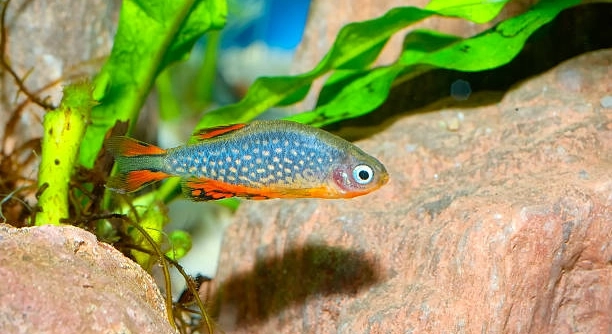
Do you enjoy observing your aquarium but notice subtle changes in your Danios’ behavior? These small fish are surprisingly social, and their interactions can reveal patterns of bonding and trust within their group.
Danio bonding can be identified through consistent swimming patterns, synchronized movements, shared feeding behavior, mutual grooming, color intensification, resting proximity, and responsive interactions. Monitoring these behaviors provides insight into their social structure and strengthens understanding of their well-being.
Recognizing these behaviors can help you maintain a harmonious tank environment while supporting the natural social dynamics of your Danios. Observing them closely reveals the depth of their interactions.
Synchronized Swimming
Watching your Danios swim together can be quite captivating. When fish swim in unison, it is often a clear sign of bonding. They may circle the tank or move in parallel lines, matching speed and direction. This behavior reflects trust and comfort within the group, as synchronized swimming requires attention to each other’s movements. In many cases, stronger bonds lead to longer periods of coordinated swimming, and you may notice some fish consistently leading while others follow. Over time, these patterns become more predictable, giving insight into the social hierarchy and relationships among your Danios. Observing these subtle motions can help you understand which fish have formed closer attachments and which may still be acclimating to the group dynamic. Synchronized swimming is not just visually appealing; it is a valuable indicator of social harmony and overall tank health, providing a peaceful, balanced environment for your fish to thrive.
Consistent coordinated swimming indicates trust and comfort, showing that the fish feel safe together and have established social bonds within the tank.
When observing synchronized swimming, pay attention to the duration and consistency of movements. Fish that swim together regularly often have strong bonds, while irregular patterns may indicate less stable relationships. This behavior can also reveal individual roles, as some fish naturally lead and others follow. By monitoring these interactions, you gain a clearer picture of how your Danios interact and support each other. Over time, these insights can inform tank management decisions, such as selecting compatible companions or adjusting environmental features to maintain harmony. Synchronized swimming is more than a visual display; it reflects the well-being of the group and reinforces natural social behavior, making it easier to spot changes or stress signals early on.
Shared Feeding Times
Danios that eat together or follow each other to food sources show strong bonding.
Shared feeding behavior is a clear indicator that your Danios trust each other and the environment. Fish that have bonded will often eat side by side, allow one another access to food without aggression, and sometimes even take turns approaching the feeding area. Observing this behavior is essential because it demonstrates social stability and reduces competition-related stress. Over time, you may notice patterns where certain fish consistently eat together, further highlighting relationships within the group. Feeding interactions are often accompanied by subtle signals, like flicking fins or gentle nudges, which reinforce bonds and indicate comfort among companions. Maintaining consistent feeding schedules and providing sufficient space allows these behaviors to continue naturally. By recognizing shared feeding habits, you can better understand which Danios have formed attachments and create a tank environment that promotes harmony, ensuring that every fish receives proper nutrition while supporting their social structure.
Color Intensification
When Danios bond, their colors often appear brighter and more vivid. This change reflects reduced stress levels and a sense of security within the group.
Color intensification occurs as a natural response to comfort and well-being. Fish that feel safe and connected display deeper hues, which can vary between species and individuals. Observing these color changes can help identify which Danios are thriving socially and emotionally. A consistently vibrant appearance suggests that the fish are comfortable in their environment, reducing the risk of stress-related health issues. Tank conditions, diet, and social dynamics all play a role in maintaining these bright colors.
Monitoring color intensification over time can reveal patterns in bonding. Fish that frequently swim together, share food, and rest in proximity often exhibit stronger coloration. Stress, illness, or sudden environmental changes may dull colors, signaling potential problems. By keeping track of these shifts, you can ensure your Danios remain healthy and socially connected, reinforcing bonds naturally. This simple visual cue provides a clear measure of the group’s harmony.
Resting Proximity
Danios that rest close to one another show a high level of trust and comfort. This behavior indicates strong social bonds.
Resting proximity occurs when fish choose to remain near one another during periods of low activity. Fish that bond often select similar areas of the tank to rest, offering both safety and companionship. This behavior demonstrates mutual tolerance and reduces anxiety, as the presence of familiar tank mates provides reassurance. Over time, patterns of resting proximity can reveal which fish have formed closer attachments, helping you understand social hierarchies and compatibility. These arrangements are rarely random and provide insight into their natural group dynamics.
Observing resting patterns can also guide tank setup and management. Fish that consistently rest together may benefit from shared spaces with adequate hiding spots and comfortable water conditions. Ensuring these areas remain undisturbed supports continued bonding and reduces stress. Changes in resting proximity, such as sudden separation or avoidance, can indicate illness, conflict, or environmental discomfort. By tracking these behaviors, you gain a clearer understanding of each Danio’s social relationships, making it easier to maintain a peaceful and supportive tank environment.
Mutual Grooming
Mutual grooming is a subtle but clear sign of bonding among Danios. Fish that engage in this behavior often nibble gently at each other’s fins or scales, promoting comfort and social connection.
This interaction reinforces trust and reduces stress within the group. Fish that groom each other regularly are typically well-acclimated and have formed strong attachments, showing comfort and familiarity with one another.
Responsive Interactions
Responsive interactions occur when Danios react quickly to each other’s movements or signals. Fish that have bonded tend to mirror actions, follow sudden changes, or respond to nudges. This behavior indicates attention, communication, and social cohesion. Regular observation of these responses highlights the strength of bonds and helps identify the core relationships within the tank.
Following Behavior
Danios that consistently follow one another display clear social bonds. Following behavior indicates trust and recognition of companions within the group.
Group Coordination
Group coordination is visible when multiple Danios move together in patterns or adjust swimming in response to one another. This coordinated behavior reflects harmony, social awareness, and established relationships within the tank, demonstrating their capacity to bond effectively and maintain social balance.
FAQ
How can I tell if my Danios are bonded?
Bonding in Danios is reflected in several behaviors. Look for synchronized swimming, shared feeding, resting close together, and mutual grooming. Consistent following behavior and responsive interactions also indicate that the fish feel safe and comfortable around one another. Over time, these signs become more predictable and easier to notice.
Why does color intensification matter in bonding?
When Danios bond, their colors often appear brighter. This intensification signals reduced stress and a sense of security. Fish that feel safe and socially connected naturally display deeper hues, which can be a reliable indicator of social harmony and overall well-being in your tank.
What does synchronized swimming reveal about Danio relationships?
Synchronized swimming reflects trust and comfort among fish. Fish that move in unison demonstrate attention to one another and coordination. These behaviors reveal natural hierarchies, leadership roles, and strong social bonds, providing insight into the group’s dynamics and overall health.
Can shared feeding indicate bonding?
Yes. Danios that eat together or take turns approaching food show trust and social cohesion. Fish that share feeding space without aggression signal comfort with each other, reducing stress and fostering stronger attachments over time. Observing feeding habits helps identify relationships within the group.
How important is resting proximity?
Resting close together shows trust and mutual comfort. Bonded fish often select similar areas for resting, which reduces anxiety and strengthens social connections. Changes in resting patterns may indicate stress, illness, or conflict, making it a useful behavior to monitor for tank management.
What role does mutual grooming play?
Mutual grooming reinforces bonds and reduces stress. Fish that gently nibble at each other’s fins or scales demonstrate familiarity and comfort. Regular grooming shows that social structures are stable, which contributes to a peaceful and well-adjusted group environment.
Why should I watch for responsive interactions?
Responsive interactions show awareness and communication among bonded Danios. Fish that quickly react to nudges, movement, or changes in behavior indicate strong attachments. Observing these interactions helps you understand group dynamics and identify which fish have established closer bonds.
Are following behaviors a reliable bonding indicator?
Following is a clear sign of trust. Fish that consistently follow one another demonstrate recognition and comfort. This behavior often correlates with other bonding indicators, such as synchronized swimming and shared feeding, giving a fuller picture of social connections within the tank.
How do I maintain these bonds in my tank?
Maintaining bonds requires stable conditions, consistent feeding schedules, and adequate space. Avoid overcrowding and sudden changes in water parameters. Observing social behaviors and providing areas for resting and swimming together supports natural interactions and reinforces established relationships.
What if some Danios are not bonding?
Not all fish bond equally. Some may remain solitary or avoid interaction due to personality differences or stress. Monitoring behavior, adjusting tank setup, and ensuring balanced feeding can encourage integration, but respecting individual preferences is important for overall tank harmony.
Can stress affect bonding behaviors?
Yes, stress can disrupt bonding. Illness, poor water quality, or overcrowding may reduce synchronized swimming, shared feeding, and color vibrancy. Maintaining a healthy environment is crucial to support social interactions and preserve established bonds.
How quickly do Danios form bonds?
Bond formation varies. Some fish may bond within weeks, while others take longer to acclimate. Observing daily interactions, feeding patterns, and resting proximity helps track progress and identify emerging social relationships, giving you insight into the group’s cohesion over time.
Is it normal for bonded Danios to fight occasionally?
Minor disagreements or brief chasing can occur even among bonded fish. These behaviors often establish hierarchy or test boundaries rather than indicate lack of bonding. Consistent aggression, however, may signal stress, overcrowding, or incompatible tank mates.
Do bonded Danios require specific tank setups?
Providing adequate space, hiding spots, and consistent feeding areas supports bonding. Proper filtration and stable water parameters reduce stress and encourage natural social behaviors. Observing how fish interact with the environment helps ensure the tank setup promotes healthy relationships.
Can observing bonds improve my tank management?
Absolutely. Recognizing bonding behaviors helps identify dominant fish, social preferences, and potential stress points. This knowledge allows you to make informed decisions about tank layout, feeding schedules, and group composition, ensuring a balanced and harmonious environment for all Danios.
How can I encourage new bonds in my tank?
Introducing new fish gradually, maintaining calm water conditions, and providing neutral spaces for interaction can help. Allowing the fish to establish proximity and follow patterns naturally encourages bonding without forcing aggressive or territorial behaviors.
Are some Danio species more likely to bond than others?
Yes, social tendencies vary by species. Some Danios naturally swim in larger groups and bond more readily, while others may be more independent. Understanding species-specific behaviors can help predict bonding patterns and support healthy social interactions in mixed tanks.
How long do bonds typically last?
Bonds can persist for months or even years if the environment remains stable. Disruptions like illness, stress, or overcrowding can weaken relationships. Regular observation and maintenance help preserve social connections and ensure the well-being of the group over time.
Can I track bonds visually?
Yes, visual cues such as synchronized swimming, color vibrancy, mutual grooming, and resting proximity provide clear indicators of bonding. Tracking these behaviors over time helps you understand group dynamics and identify shifts in relationships within the tank.
What should I do if bonding behaviors decline?
If you notice reduced interactions, dull colors, or avoidance, check water quality, feeding, and tank space. Stress, illness, or environmental changes may be affecting behavior. Addressing these factors promptly can restore comfort, safety, and social bonds among your Danios.
Observing Danios closely reveals a lot about their social lives and bonding habits. These small, active fish communicate through movements, colors, and interactions that might seem subtle at first but carry clear meaning. Synchronized swimming, shared feeding, resting in close proximity, and mutual grooming all provide visible signs of trust and comfort within the group. Paying attention to these behaviors allows you to understand which fish are bonded and which may still be adjusting. This knowledge is useful not only for appreciating their behavior but also for creating a stable, harmonious tank environment where each fish can thrive without stress or competition. Over time, watching how Danios interact helps you notice patterns, leadership roles, and social hierarchies, all of which contribute to the overall balance of the group. Even small, everyday actions like following a companion to a feeding area or responding to gentle nudges can indicate meaningful social connections that enhance the well-being of the entire tank.
Maintaining a tank that supports natural bonding behaviors requires careful attention to environment and routine. Adequate space, consistent feeding schedules, proper filtration, and stable water conditions are all essential for reducing stress and encouraging natural social interactions. Providing areas where fish can rest comfortably together or explore without overcrowding helps reinforce bonds and promotes a peaceful atmosphere. Observing signs of stress or sudden behavioral changes can alert you to problems before they escalate, allowing for timely adjustments to water parameters or tank setup. Understanding these factors allows you to support both the physical health and social needs of your Danios, creating a balanced and thriving aquarium. By fostering these conditions, you can encourage stronger attachments among fish, making their interactions more predictable and reducing conflict. Each observation contributes to a clearer picture of your Danios’ personalities, their relationships, and the overall dynamics within the tank, making it easier to maintain harmony and well-being.
Bonding among Danios is more than a visual display; it reflects their comfort, security, and ability to interact naturally. Recognizing these indicators can deepen your appreciation for their behavior and guide practical decisions in tank management. Paying attention to synchronized swimming, shared feeding, resting proximity, responsive interactions, and color intensification provides concrete signs of social health. Regular observation allows you to track how relationships develop over time, identify potential stressors, and ensure that all fish have space to express natural behaviors. Encouraging bonding through proper tank conditions, compatible companions, and attentive care supports not only the individual fish but also the stability of the entire group. This understanding helps maintain a peaceful, balanced aquarium where each Danio can flourish, reflecting the careful observation and effort put into nurturing their social environment.

Hello,
If you enjoy the content that we create, please consider saying a "Thank You!" by leaving a tip.
Every little bit helps us continue crafting quality advice that supports the health, happiness, and well-being of pets around the world, for pets of all shapes, sizes, and species.
We really appreciate the kindness and support that you show us!