
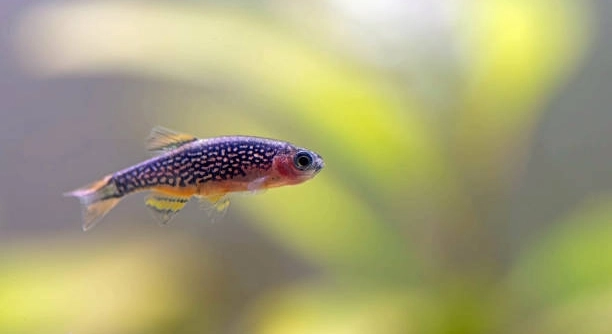
Ammonia spikes can be dangerous for danios, causing stress and health problems if not addressed promptly. These small, active fish are sensitive to water conditions, making quick intervention essential to protect their well-being and environment.
Immediate action is required to stabilize water quality and protect danios from toxic ammonia levels. Steps include testing water parameters, performing partial water changes, adjusting filtration, and monitoring fish behavior to prevent long-term damage and ensure a safe aquatic habitat.
Following these steps will help restore your aquarium’s balance and support your danios’ health and vitality for the long term.
Recognizing the Signs of Ammonia Stress
Danios often show early signs of ammonia stress before visible damage occurs. Watch for gasping at the surface, lethargy, clamped fins, or unusual swimming patterns. These symptoms indicate the water chemistry is off, and immediate action is necessary. Observing behavior closely allows you to intervene before health declines. Water testing is essential. Regularly check ammonia, nitrite, and nitrate levels using a reliable test kit. Changes may occur quickly, especially in newly established tanks or after overfeeding. Stress can also weaken their immune system, making them more susceptible to disease. By recognizing early signs, you reduce the risk of permanent damage. Quick, informed responses protect both individual fish and the overall aquarium environment, keeping it stable and safe. Even minor adjustments in water quality can have a significant impact. Maintaining vigilance ensures that any spikes are caught and corrected before they become life-threatening.
Early recognition allows fast action and improves survival rates for danios during ammonia spikes.
Careful observation combined with regular water testing creates a safer, healthier environment. It minimizes risk and supports recovery efficiently.
Immediate Water Changes and Filtration Boost
Partial water changes are the fastest way to reduce ammonia levels in the tank. Removing 25-50% of the water can immediately dilute harmful compounds and improve conditions for stressed fish. Always treat replacement water with a dechlorinator and match the temperature to the existing tank water to prevent additional stress. Adjusting filtration can also help by increasing water circulation and supporting beneficial bacteria that naturally process ammonia. Consider using activated carbon or specialized ammonia-removing media temporarily, but don’t rely solely on chemical treatments. Observe fish closely during this period. Even after water changes, ammonia can return if underlying causes are not addressed. Check feeding practices, overstocking, and tank cleanliness. Reducing excess food and debris prevents further ammonia buildup. Filtration should be maintained and cleaned without disturbing beneficial bacteria too much. These steps stabilize the aquarium and give danios the chance to recover quickly.
Water changes and filtration adjustments immediately reduce toxic ammonia, stabilizing conditions for danios and supporting their recovery in a controlled environment.
Continued monitoring after water changes is crucial. Testing daily, adjusting feeding, and maintaining filter health ensure ammonia remains low. Combining consistent care with careful observation helps your danios regain health and maintain a safe environment, preventing repeated spikes.
Reducing Feeding and Waste
Overfeeding contributes directly to ammonia spikes. Cutting back on food helps control waste and prevents water from becoming toxic. Feed small amounts that danios can finish within a few minutes and remove leftovers promptly. Less waste reduces ammonia buildup and keeps water cleaner.
Reducing feeding minimizes the amount of uneaten food decomposing in the tank, which is a major source of ammonia. It also lowers the overall organic load, helping beneficial bacteria process toxins more efficiently. Adjusting feeding schedules to once or twice a day with small portions ensures fish remain healthy while preventing unnecessary spikes. Monitoring fish behavior during this period is essential to make sure they are still receiving enough nutrition.
Removing waste promptly is equally important. Siphon debris from the substrate and clean decorations as needed. Keeping the tank tidy reduces ammonia production from decaying matter. Consistent maintenance supports long-term water quality and fish health.
Adding Beneficial Bacteria
Introducing beneficial bacteria can accelerate ammonia breakdown. These bacteria convert ammonia into less harmful compounds, stabilizing water faster. Using bacterial supplements supports the existing colony and helps maintain balance after spikes.
Beneficial bacteria establish themselves in the filter media, substrate, and decorations, creating a natural system for processing waste. Adding a commercial bacterial booster after water changes or cleaning helps maintain a healthy population, especially in stressed tanks. This ensures that ammonia, nitrites, and other harmful compounds are processed efficiently, reducing stress on danios. Regular additions during recovery periods support long-term stability.
Consistency is key when adding bacteria. Maintain proper temperature, avoid over-cleaning filters, and monitor water parameters. A well-established bacterial population keeps the tank resilient against future ammonia increases and supports healthy, active danios over time.
Testing Water Frequently
Regular water testing is essential to track ammonia levels. Daily checks help identify spikes early and guide timely interventions, keeping danios safe and reducing stress.
Using a reliable test kit ensures accuracy. Record results consistently to spot trends and prevent sudden increases that could harm fish.
Adjusting Tank Stocking Levels
Overcrowding increases waste production, leading to higher ammonia levels. Reducing the number of fish or moving some to another tank helps maintain stable water quality. Proper stocking ensures each danio has enough space and reduces the risk of stress-related illnesses.
Improving Aeration
Increasing aeration boosts oxygen levels, which helps fish recover faster from ammonia exposure. Stronger water movement also supports beneficial bacteria that process ammonia more efficiently. Maintaining sufficient oxygen prevents lethargy and promotes healthier swimming behavior in stressed danios.
Observing Fish Behavior
Closely monitor danios for signs of improvement or continued stress. Changes in swimming, color, or appetite indicate whether interventions are effective. Immediate response to persistent symptoms prevents further harm and supports recovery.
FAQ
How often should I test for ammonia in my danio tank?
Testing daily is best during periods of stress or after noticing water issues. Once the tank stabilizes and ammonia remains consistently low, you can reduce testing to two or three times per week. Keeping records of your readings helps track trends and catch spikes early.
What is the safest way to perform water changes?
Remove 25-50% of the water and replace it with dechlorinated water that matches the tank’s temperature. Avoid changing more than half at once, as this can shock your fish. Siphon debris from the substrate to reduce leftover waste during the process.
Can I use chemical ammonia removers?
Yes, but only as a temporary solution. They neutralize ammonia but do not fix the underlying causes, like overfeeding or poor filtration. Combine chemical treatments with regular water changes and bacterial boosters to maintain long-term stability.
How do I know if my fish are stressed from ammonia?
Common signs include gasping at the surface, clamped fins, erratic swimming, or hiding. Stressed danios may also lose appetite or show faded colors. Observing behavior closely and testing water parameters helps determine if ammonia is the cause.
Should I feed my fish during a spike?
Reduce feeding to small portions or skip a feeding if necessary. Overfeeding adds waste, which increases ammonia levels. Ensure the fish still receive enough nutrition but avoid leaving uneaten food in the tank.
How long does it take for ammonia levels to drop?
After a partial water change, levels can decrease immediately. Full stabilization may take several days depending on tank size, filtration efficiency, and the presence of beneficial bacteria. Frequent monitoring ensures levels remain safe.
Can beneficial bacteria completely prevent ammonia spikes?
They help process ammonia efficiently but cannot fully prevent spikes caused by overfeeding, overcrowding, or sudden water quality changes. Maintaining tank hygiene and proper stocking levels is essential to support the bacterial population.
Is it safe to mix danios with other fish during ammonia issues?
It’s better to limit interactions temporarily. Stress from ammonia can weaken fish, making them more susceptible to aggression or disease. Focus on stabilizing the tank before adding or moving other fish.
How often should I clean the filter?
Clean filters lightly every few weeks to remove debris, but avoid over-cleaning, which can kill beneficial bacteria. Rinse filter media in tank water rather than tap water to preserve bacteria colonies.
Can ammonia affect fish reproduction?
Yes, high ammonia can disrupt breeding behavior, reduce fertility, and harm fry. Maintaining stable water conditions ensures healthier adults and successful reproduction over time.
What long-term measures prevent future spikes?
Feed small amounts, maintain proper stocking levels, test water regularly, and keep filters clean. Adding beneficial bacteria supplements occasionally and performing scheduled water changes reduces the risk of recurring spikes.
Is ammonia more dangerous in small tanks?
Yes, smaller tanks have less water to dilute waste, so ammonia concentrations rise faster. Extra vigilance, frequent testing, and prompt water changes are crucial for maintaining safe conditions.
Can plants help reduce ammonia?
Live plants absorb some ammonia, nitrites, and nitrates, contributing to water quality. Fast-growing species like hornwort or duckweed are especially helpful, but plants alone cannot replace proper maintenance and filtration.
How quickly do danios recover after ammonia exposure?
Recovery speed depends on the severity of exposure and the effectiveness of interventions. Mild exposure may see improvement in a few days, while severe cases can take weeks, requiring close observation and consistent water care.
What should I do if ammonia keeps spiking?
Check feeding, stocking levels, filtration efficiency, and debris accumulation. Consider adding more beneficial bacteria and perform frequent water changes. Persistent spikes may indicate deeper issues, like overstocked tanks or decaying material in hidden areas.
Are some danios more sensitive than others?
Yes, younger fish and smaller species are more susceptible to ammonia stress. Adults are generally hardier, but all fish benefit from stable, clean water conditions. Monitor the entire population to ensure no individual is overlooked.
Can I prevent ammonia spikes during vacations or absences?
Automated feeders, larger water changes before leaving, and strong filtration help. Having a trusted person check on the tank or test water periodically ensures spikes don’t go unnoticed while you are away.
Is it safe to mix water from another tank during a spike?
Only if the other tank is healthy and has stable parameters. Mixing water can dilute ammonia temporarily, but ensure it is free of disease, medications, or chemicals that could harm your danios.
How do I maintain a bacterial colony after cleaning the tank?
Rinse media in tank water, avoid harsh chemicals, and reintroduce bacterial supplements if necessary. Avoid over-cleaning decorations and substrate to preserve bacteria that naturally process ammonia.
Can stress from ammonia make danios sick?
Yes, prolonged exposure weakens the immune system, making them more prone to infections and diseases. Stabilizing water conditions quickly and minimizing other stress factors improves their chances of recovery.
What’s the best way to monitor recovery?
Track water parameters, observe behavior, and check for normal feeding, swimming, and coloration. Recovery is gradual, and consistent care ensures the tank remains stable while fish regain strength.
Can gravel or decorations trap ammonia?
Decaying organic matter trapped in substrate or decorations can contribute to ammonia production. Regular vacuuming and cleaning help reduce this hidden source and maintain safer water conditions.
How long should I continue daily monitoring after a spike?
Continue daily checks until ammonia and nitrite levels are consistently zero and fish show normal behavior. After that, monitoring can shift to a few times per week while maintaining regular tank maintenance.
Is tap water safe after treatment?
Dechlorinated tap water is safe for water changes. Chlorine and chloramine must be neutralized to avoid harming fish and beneficial bacteria. Matching the temperature of replacement water prevents additional stress during changes.
How do I prevent ammonia from building up in new tanks?
Cycle new tanks properly before adding fish. Introduce bacteria gradually, monitor parameters closely, and avoid overfeeding. New tanks are especially prone to spikes, so patience and careful management are essential.
Can medication affect ammonia levels?
Some medications may temporarily reduce beneficial bacteria, slowing ammonia processing. Use treatments carefully and monitor water parameters during and after medication to ensure ammonia remains controlled.
Are all ammonia test kits reliable?
Quality varies between brands. Choose a kit with clear instructions and consistent results. Regular testing and cross-checking readings help ensure accurate monitoring and safer conditions for danios.
Do temperature fluctuations impact ammonia toxicity?
Yes, warmer water increases metabolic rates and can make ammonia more toxic. Keep the temperature stable to reduce stress and support bacterial processing of waste. Monitoring both temperature and water chemistry is key to maintaining a safe environment.
Can adding more filtration help immediately?
Improving filtration increases water circulation and supports beneficial bacteria, helping process ammonia faster. Ensure the filter is suitable for the tank size and avoid over-cleaning, which can disrupt bacterial colonies.
Danios are resilient fish, but they are sensitive to water quality, especially ammonia levels. High ammonia can cause serious stress, illness, or even death if left unchecked. Maintaining stable water conditions is crucial for their health and longevity. By regularly testing water, performing timely water changes, and monitoring fish behavior, you can prevent most problems before they become severe. Small interventions, like reducing feeding or siphoning debris, can make a significant difference in keeping ammonia levels under control. Understanding how ammonia affects fish allows you to act quickly and responsibly, protecting both the fish and the aquarium ecosystem.
Consistency is key to long-term aquarium stability. Using beneficial bacteria supplements, maintaining proper filtration, and keeping the tank clean all support a balanced environment. Overcrowding or overfeeding can quickly lead to spikes, so careful management of fish numbers and food is important. Even minor changes, such as adjusting water temperature or improving aeration, can impact how well your tank handles ammonia. Paying attention to these details not only helps in emergencies but also keeps the tank healthy and the fish active and vibrant. Maintaining this routine reduces stress on the fish and prevents future issues.
Recovery from an ammonia spike takes patience and careful observation. Fish may need several days or even weeks to regain full strength, depending on the severity of exposure. During this time, consistent monitoring of water parameters and fish behavior is essential. Avoid adding new fish or making major changes until the environment stabilizes. With steady care, danios can recover fully and continue to thrive in a safe, balanced tank. By following proper maintenance practices and responding promptly to changes, you create a healthy habitat where your fish can live comfortably and grow over time, minimizing risks from ammonia or other water quality challenges.

Hello,
If you enjoy the content that we create, please consider saying a "Thank You!" by leaving a tip.
Every little bit helps us continue crafting quality advice that supports the health, happiness, and well-being of pets around the world, for pets of all shapes, sizes, and species.
We really appreciate the kindness and support that you show us!