
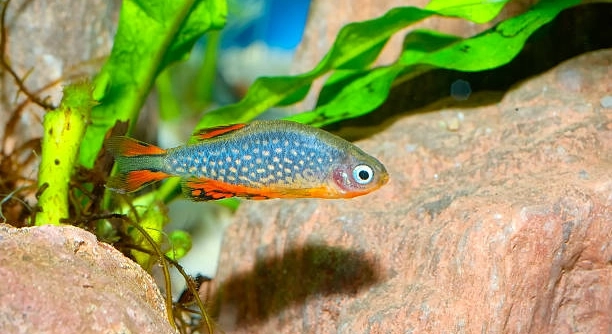
Are your Danio fry growing steadily but you are unsure how to tell the different stages apart? Observing their development can be rewarding, and knowing what to look for helps ensure their healthy growth over time.
Danio fry exhibit distinct visual traits as they progress through growth stages. Key indicators include changes in size, body shape, fin development, coloration, and behavior. Careful observation of these traits allows aquarists to accurately monitor growth and adjust care practices.
Recognizing these traits early makes raising Danio fry simpler and more successful, helping ensure your fish thrive in their environment.
Egg Stage
During the egg stage, Danio eggs are tiny, transparent, and often laid in clusters among plants or substrate. At this point, they are highly vulnerable to changes in water quality, temperature, and light. Eggs should be kept in a stable, clean environment to ensure proper development. Over the first 24 hours, a small embryo forms inside, visible as a tiny dark spot. By the second day, movement can be seen within the egg as the embryo grows. The size of the egg remains consistent, but color may slightly change, indicating healthy development. Avoid disturbing the eggs, as physical contact can damage them. Some aquarists use a gentle air stone to keep water oxygenated around the eggs. Monitoring daily is important because unfertilized or spoiled eggs may turn opaque or cloudy, which can affect nearby healthy eggs. Early care in this stage strongly influences survival rates.
Eggs typically hatch within 36 to 48 hours under optimal conditions.
Proper egg care ensures that the fry start life healthy, reducing mortality and giving them a strong foundation for the next growth stage.
Newly Hatched Fry
Newly hatched fry are very small, nearly transparent, and have underdeveloped fins. They rely on their yolk sac for nutrition during the first few days. Fry should be kept in calm water to prevent stress and allow proper absorption of the yolk. Observing their swimming patterns helps determine their health; active movement is a good sign. Uneaten food or debris should be removed to maintain water quality. Light should be moderate, avoiding sudden changes that could harm delicate fry. Gradual acclimation to external feeding is crucial once the yolk sac is absorbed. Introducing finely powdered food in small amounts ensures they can feed without difficulty. Regular monitoring of growth and behavior at this stage provides insight into potential health issues early. Fry that develop evenly during these first days show better survival rates and adapt more easily to future care routines.
Feeding should begin once the yolk sac is fully absorbed.
Starting feeding carefully and maintaining gentle water conditions helps fry thrive, forming the foundation for healthy growth.
Early Fry Stage
Fry in the early stage begin to swim more actively and their fins start developing. They are still small and delicate, needing finely powdered food multiple times a day. Maintaining clean water is essential to prevent disease and support steady growth.
Growth at this stage is noticeable daily. Body shape starts to become more defined, and the head, eyes, and tail become easier to distinguish. Fry may cluster together but still require space to move freely. Feeding small amounts frequently ensures they receive enough nutrition without fouling the water. Careful observation helps identify any fry that are lagging behind in growth or showing signs of weakness, allowing for quick corrective measures. Water temperature and oxygen levels must remain stable, as even minor fluctuations can stress the fry, slowing development or causing health issues.
Fin development continues gradually, with pectoral and tail fins becoming more prominent. Patterns and slight coloration may start to appear. Consistency in feeding, water quality, and gentle handling directly affects survival and prepares them for the next stage.
Juvenile Fry Stage
At this stage, fry are larger, more robust, and begin showing clearer markings. Their fins are fully functional, and swimming is more coordinated.
Juvenile fry begin to resemble miniature adult Danios, with visible stripes and colors starting to form. They are active, exploring their environment, and feeding on small live or powdered foods. Proper filtration and water circulation are important to maintain a healthy environment. Overcrowding must be avoided to reduce stress and competition. Observation is key to detect early signs of illness or deformities. Growth can vary slightly between individuals, but consistent feeding and clean water promote uniform development.
Fry start interacting more with each other and show early schooling behavior. Their immune system strengthens, making them less vulnerable to minor changes. Providing small hiding spots helps them feel secure while still encouraging active swimming. The combination of nutrition, water quality, and space is critical to ensure they thrive during this rapid growth period.
Developing Coloration
Fry begin showing hints of their adult coloration. Stripes and patterns start to emerge, though they remain faint. Observing these early signs helps track growth progress and overall health.
Color changes may be uneven at first, with some fry showing more defined markings. Patience is key, as proper nutrition and stable water conditions encourage consistent development across all fry.
Active Swimmers
By this stage, fry are highly active, exploring all areas of the tank. Swimming patterns become more coordinated, reflecting muscle and fin development. Adequate space and gentle water flow support this activity while preventing stress.
Nearly Adult Stage
Fry are almost full-sized, with distinct adult coloration and fully developed fins. Their body shape closely resembles mature Danios, and schooling behavior becomes more pronounced. At this point, feeding shifts toward larger flakes or live foods. Water quality and nutrition remain crucial for final growth.
Preparing for Transition
Fry at this stage respond well to new tank mates and slightly stronger currents. Continued monitoring ensures smooth adaptation as they reach full maturity.
FAQ
How quickly do Danio fry grow?
Danio fry grow at a steady pace when given proper care. Growth rates depend on water quality, temperature, and nutrition. In the first week, fry mainly rely on their yolk sac. Once external feeding begins, growth becomes more noticeable. Regular feeding and clean water support faster, healthier development.
What should I feed Danio fry?
During the first few days after hatching, fry feed on their yolk sac. Once they start swimming freely, offer finely powdered foods, infusoria, or specially prepared fry food. Gradually, introduce larger foods like baby brine shrimp or micro pellets. Feeding small amounts multiple times a day prevents overfeeding and keeps water clean.
How often should I change the water?
Frequent water changes are essential, but they must be gentle. About 10–20% of the tank water can be replaced daily or every other day. This helps remove waste and uneaten food while keeping water parameters stable. Avoid drastic changes in temperature or chemistry, which can stress delicate fry.
How can I tell if fry are healthy?
Healthy fry are active, swim steadily, and show consistent growth. Their fins should be intact, and coloration develops gradually. Lethargic behavior, poor feeding, or abnormal shapes may indicate stress, disease, or poor water conditions. Monitoring daily allows early detection of issues and timely intervention.
Can I keep fry with adult Danios?
It is not recommended. Adult Danios may eat fry if housed together. Keeping fry in a separate nursery tank or using a breeding net protects them until they are large enough to safely join the main tank. Proper separation ensures higher survival rates.
How do I prevent fungal infections?
Fungal infections are common in eggs and young fry. Maintaining clean water, stable temperature, and avoiding overcrowding are key. Removing any dead eggs or fry promptly prevents the spread of fungus. Some aquarists lightly dose antifungal treatments designed for fry, but careful use is important to avoid stress.
When do fry start schooling?
Fry begin showing schooling behavior once their fins and muscles are developed enough for coordinated swimming, usually after a few weeks. Early schooling is subtle, with small groups swimming together. As they grow, this behavior becomes more noticeable and mimics adult patterns, reflecting social development and safety instincts.
Do all fry grow at the same rate?
No, growth rates vary among individuals. Genetics, competition for food, and slight differences in position in the tank affect development. Some fry may be slightly smaller or slower to color. Providing ample space, consistent feeding, and clean water helps minimize differences and encourages uniform growth.
Can I use regular fish food for fry?
Regular adult fish food is usually too large and nutrient-dense for fry. Finely powdered food, crushed flakes, or specialized fry diets are better suited. Gradually, as fry grow, they can transition to larger foods. Proper diet at each stage supports healthy growth, coloration, and survival.
How long until fry look like adult Danios?
Fry start resembling adults after several weeks, with fins fully formed and coloration emerging. By 8–10 weeks, most fry have adult shapes and markings, though full size may take slightly longer depending on feeding, water quality, and overall care. Monitoring growth ensures proper nutrition and development.
How important is water temperature for growth?
Water temperature directly affects metabolism and development. Danio fry grow best in stable temperatures, usually between 24–28°C (75–82°F). Too low slows growth, and too high can stress fry. Using a reliable heater and thermometer helps maintain consistent conditions for healthy development.
What signs indicate fry need separate feeding?
If some fry are not reaching food or appear smaller, they may need targeted feeding. Using a small pipette, drop food near weaker fry, or separate them temporarily. Ensuring all fry receive adequate nutrition prevents stunted growth and improves survival rates.
Is it necessary to use live food?
Live food like infusoria or baby brine shrimp encourages growth and stimulates natural hunting behaviors. While not strictly necessary, live food can improve survival and development, especially for very young fry. Powdered or prepared foods work as alternatives, but live options often yield better results.
How do I avoid overfeeding?
Feed small portions multiple times daily and remove any uneaten food after a few minutes. Overfeeding leads to water quality issues, which can stress fry and increase disease risk. Observing fry behavior helps determine appropriate amounts and timing.
When can fry be moved to the main tank?
Fry can join the main tank once they are large enough to avoid predation by adults, usually around 6–8 weeks. Ensure they are strong swimmers and have developed coloration and fins. Gradual acclimation prevents stress and improves survival.
Can fry survive in tap water?
Tap water must be conditioned to remove chlorine, chloramines, and heavy metals. Parameters like pH, hardness, and temperature should match the nursery tank. Properly treated tap water is safe for fry, but unconditioned water can cause stress or mortality.
What role does tank size play in growth?
A larger tank provides space for swimming, reduces competition, and improves water quality. Overcrowded tanks increase stress, slow growth, and heighten disease risk. Even a small nursery tank must allow enough room for fry to move freely and access food evenly.
How often should I monitor fry development?
Daily monitoring is ideal. Check activity levels, growth, coloration, and water quality. Regular observation allows early intervention if problems arise. Small adjustments in feeding, water changes, or tank setup can significantly improve survival and healthy development.
Are fry sensitive to light?
Yes, fry are sensitive to bright or sudden lighting. Moderate, consistent light encourages normal behavior and growth. Too much light can stress fry, while too little can reduce activity and feeding efficiency. Gradual adjustments are recommended when changing light conditions.
Can I combine different Danio species in the same fry tank?
Mixing species is possible if their requirements are similar, but avoid overcrowding. Different growth rates and feeding behaviors can lead to competition. Careful observation ensures all fry develop properly without stress or uneven growth.
How do I handle sick fry?
Isolate affected fry immediately to prevent spreading disease. Check water quality, temperature, and feeding practices. Depending on symptoms, mild treatments or medicated foods may help. Gentle handling and stress reduction are crucial, as fry are fragile and can deteriorate quickly under poor conditions.
What is the ideal diet ratio for balanced growth?
A mix of protein-rich live foods, powdered fry foods, and gradual introduction to flakes supports steady growth. Protein encourages muscle development, while vitamins and minerals strengthen coloration and immunity. Balanced nutrition at every stage ensures fry reach maturity healthy and robust.
How do I track growth stages effectively?
Use daily observation and simple notes on size, fin development, and coloration. Photographing fry weekly can help visualize progress. Comparing growth across the group helps identify underdeveloped individuals, allowing targeted care to support uniform development.
How important is oxygenation for fry?
Proper oxygen levels are critical. Gentle aeration supports metabolism and activity, especially in crowded or heavily fed tanks. Strong currents should be avoided to prevent exhaustion or injury. Aeration that maintains calm, oxygen-rich water helps fry thrive and grow steadily.
When should I be concerned about stunted growth?
Stunted growth may result from poor nutrition, overcrowding, or suboptimal water conditions. If fry remain small, pale, or inactive compared to peers, adjustments in feeding, water quality, or space are needed. Early intervention improves chances of normal development and survival.
Can fry survive without plants in the tank?
Fry can survive without plants but benefit from them. Plants provide hiding spots, reduce stress, and may host infusoria for early feeding. Artificial decorations can substitute, but natural or live plants improve overall health and comfort for growing fry.
How do I encourage schooling behavior?
Provide open space, moderate lighting, and consistent tank mates. Fry naturally form groups when they feel secure. Gradually increasing tank size allows coordination. Observing small clusters swim together indicates proper social development and readiness for future tank integration.
Is it normal for fry to vary in size at the same age?
Yes, slight size differences are normal. Genetics and competition affect growth rates. Ensuring adequate food, space, and stable water conditions minimizes differences and promotes more uniform development. Slower-growing fry may need targeted feeding to catch up.
What water parameters are ideal for Danio fry?
Stable temperature around 24–28°C, pH between 6.5–7.5, and moderate hardness are ideal. Consistency is more important than exact numbers. Fluctuations in temperature, pH, or chemical levels can stress fry and slow development, so careful monitoring is essential.
How do I transition fry from powdered food to flakes?
Gradually introduce crushed flakes or small pellets once fry grow larger. Mixing powdered food with flakes encourages acceptance. Slowly increase flake size while reducing powdered food over days or weeks. This gradual transition prevents nutritional gaps and supports steady growth.
Can fry survive in slightly cooler water?
They can tolerate slightly lower temperatures, but growth slows. Cooler water reduces metabolism and activity, potentially delaying development. Maintaining a stable, slightly cooler environment is safer than fluctuating temperatures, but optimal warmth promotes faster, healthier growth.
How do I reduce stress during tank maintenance?
Perform gentle water changes, avoid sudden temperature or lighting changes, and move fry carefully if needed. Minimal disturbance helps fry remain active and healthy. Consistency in routine maintenance reduces stress and prevents behavioral or growth issues.
What is the best tank setup for fry?
A shallow nursery tank with gentle filtration, moderate light, hiding spots, and clean water supports growth. Space should allow free swimming and access to food. Plants or mesh barriers can protect fry from strong currents and create a safe environment. Proper setup encourages development and reduces stress.
How long do I need to observe fry before they are independent?
Observation continues until fry are strong swimmers, fully colored, and large enough to avoid predation. This usually takes 6–10 weeks, depending on care and conditions. Consistent monitoring ensures they remain healthy and adapt well to adult environments.
Are there specific behaviors indicating readiness for adult tank?
Active swimming, schooling, consistent feeding, and developed fins and coloration indicate readiness. Fry that handle moderate currents and interact well with tank mates can transition safely. Monitoring these behaviors ensures a smooth move to the main tank without stress or injury.
Can fry survive in low-light conditions?
Low light slows activity and feeding efficiency but does not necessarily harm fry if water and nutrition are adequate. Moderate, consistent light encourages normal swimming, feeding, and development. Sudden changes or extremes in lighting should be avoided to reduce stress.
How do I prevent overcrowding issues?
Monitor fry numbers and tank size carefully. Separate excess fry into additional tanks if needed. Overcrowding reduces food availability, increases waste, and raises stress and disease risk. Adequate space supports growth, healthy behavior, and uniform development across all fry.
What is the best way to introduce new fry to an existing group?
Acclimate them gradually by matching water parameters and slowly blending tanks. Monitor interactions to prevent aggression or competition. Providing hiding spots helps fry adapt safely. Gradual introduction reduces stress and improves survival rates in mixed groups.
How can I track which fry need extra care?
Note size, coloration, and activity levels daily. Photographing or labeling groups helps identify slower-growing or weaker fry. Targeted feeding, additional space, or separate rearing improves survival and encourages uniform growth, ensuring all fry reach maturity successfully.
Are fry sensitive to sudden temperature drops?
Yes, sudden drops can shock fry, slow metabolism, and increase mortality risk. Maintain stable temperature using reliable heaters. Gradual adjustments are safer when making changes for maintenance or tank transfers.
Can fry handle slight water movement?
Moderate water flow is beneficial for oxygenation, but strong currents can tire or injure fry. Gentle circulation encourages swimming and reduces stagnation without causing stress. Observing behavior helps adjust flow appropriately.
How do I prevent fry from eating each other?
Ensure adequate space, consistent feeding, and hiding spots. Overcrowding or starvation may trigger cannibalism. Monitoring growth and behavior helps intervene early, separating smaller fry if necessary to protect weaker individuals.
Is it normal for fry to hide frequently?
Yes, especially when feeling stressed or insecure. Hiding reduces risk and allows fry to rest. Providing plants, decorations, or mesh barriers encourages natural behavior and comfort while still allowing observation and feeding.
How long should I feed fry each day?
Feed multiple small meals, usually 3–5 times daily. Fry have high metabolisms and require consistent nutrition. Short feeding sessions prevent water fouling and allow efficient consumption. Observing feeding behavior ensures all fry get adequate food.
What are common signs of disease in fry?
Lethargy, unusual swimming, pale or discolored bodies, damaged fins, or failure to feed are common indicators. Early detection is crucial for treatment. Regular observation, clean water, and careful handling reduce disease risk.
Can fry grow in community tanks?
Only if they are large enough to avoid predation and the tank is spacious. Young fry are at high risk in tanks with adult fish. Separating fry until they reach a safe size is recommended for survival.
How do I improve survival rates in large batches?
Provide ample space, stable water parameters, frequent small feedings, and careful monitoring. Removing weak or dead fry promptly prevents disease spread. Consistency in care, nutrition, and environment significantly increases the number of fry that reach maturity.
When should I start observing fin development?
Fin buds appear shortly after yolk sac absorption. Pectoral fins develop first, followed by dorsal and caudal fins. Tracking this development helps identify growth progress and indicates overall health.
Can fry survive minor water parameter fluctuations?
Small, gradual fluctuations are tolerable, but sudden changes can stress or kill fry. Stable temperature, pH, and hardness are far more important than exact numbers. Regular monitoring ensures conditions remain suitable.
How important is tank cleanliness for fry?
Extremely important. Waste buildup, uneaten food, and decaying plants can harm fry and encourage disease. Regular, gentle cleaning and water changes maintain a safe, healthy environment for growth.
How do I handle fry during tank transfers?
Move fry gently using soft nets or containers. Avoid sudden temperature or light changes. Transfer small groups to reduce stress, ensuring minimal impact on swimming and feeding behavior.
Can fry survive in slightly alkaline water?
Yes, Danio fry tolerate mild alkalinity if consistent. Extreme pH shifts should be avoided. Gradual acclimation and monitoring ensure healthy growth in slightly alkaline conditions.
Is it necessary to separate slow-growing fry?
Separating smaller fry can reduce competition and improve growth. Targeted feeding and less crowding help them catch up to peers, increasing overall survival and uniformity within the group.
What is the ideal tank temperature range for optimal growth?
24–28°C is ideal. Maintaining this range supports metabolism, feeding, and development. Stable temperature prevents stress and encourages healthy growth and coloration.
How do I recognize stress in fry?
Erratic swimming, hiding excessively, loss of appetite, or pale coloration indicate stress. Monitoring behavior daily helps detect issues early, allowing adjustments in water, feeding, or tank setup.
Can fry adapt to cooler or warmer water gradually?
Yes, gradual acclimation prevents shock. Sudden temperature changes are dangerous, but small adjustments over hours or days allow fry to adapt safely without slowing growth or risking mortality.
How do I maintain consistent feeding for large groups?
Divide the group into sections or use multiple feeding points to ensure all fry access food. Small, frequent feedings reduce competition and waste. Observation ensures weaker individuals receive enough nutrition to grow alongside peers.
How do I prevent fungal growth on eggs and fry?
Remove dead eggs, maintain clean water, and keep temperature stable. Gentle aeration reduces stagnant areas where fungus can develop. Some aquarists use light antifungal treatments designed for fry, but careful dosing is essential.
Are fry sensitive to pH changes?
Yes, rapid pH shifts can stress fry, slow growth, or cause illness. Maintaining a stable, slightly neutral to slightly alkaline pH supports development and overall health.
How often should I check fry for abnormalities?
Daily observation is best. Look for fin deformities, stunted growth, unusual swimming, or discoloration. Early detection allows quick corrective measures, improving survival and growth outcomes.
How do I know when fry are fully independent?
Fry are independent when they swim confidently, feed without assistance, show full coloration, and have developed fins. At this stage, they can safely join adult tanks and continue normal growth.
What role do hiding spots play in fry development?
Hiding spots reduce stress, encourage natural behavior, and provide security. Plants, decorations, or mesh barriers allow fry to explore safely while avoiding injury or competition. Proper shelter supports healthy growth and confidence in swimming.
How do I transition fry to different water conditions?
Gradually adjust temperature, pH, or hardness over hours or days. Sudden changes can stress or harm fry. Consistent monitoring ensures a smooth transition without impacting feeding or growth.
Can fry survive minor overcrowding?
Slightly higher densities are tolerable if food, space, and water quality are managed carefully. Long-term overcrowding increases stress, slows growth, and raises disease risk, so space planning is important for larger groups.
How important is light consistency for fry?
Consistent lighting encourages regular activity, feeding, and growth. Sudden changes or extremes can stress fry. Moderate, steady light helps establish natural rhythms and promotes healthy development.
Can fry adapt to slight variations in water hardness?
Yes, small variations are usually fine. Extreme hardness differences can stress fry or affect growth. Gradual adjustments and monitoring ensure a safe environment for healthy development.
What behaviors indicate fry are ready for social interaction?
Active swimming together, early schooling, and consistent feeding indicate readiness. Fry that interact well with tank mates are more likely to adapt to community environments safely.
Is it normal for fry to nibble at plants or decorations?
Yes, this is exploratory behavior and sometimes helps with feeding. Ensure decorations are safe, smooth, and free of chemicals to prevent injury.
How do I encourage uniform growth among fry?
Provide even feeding, adequate space, and consistent water conditions. Monitoring and separating slower-growing individuals when necessary ensures more uniform development across the group.
Can fry survive brief drops in oxygen levels?
Short periods may be tolerated, but prolonged low oxygen is harmful. Gentle aeration and moderate water flow ensure sufficient oxygen for healthy growth.
How do I know when fry are ready to accept larger foods?
When they can swim steadily, chase small prey, and show strong feeding responses, gradually introduce larger foods. This supports continued growth and prepares them for adult
Raising Danio fry can feel challenging at first, but careful observation and consistent care make the process manageable. Each growth stage brings its own needs and milestones, from the delicate egg phase to nearly adult fry. Paying attention to visual traits such as size, fin development, and coloration allows you to track their progress and identify any potential issues early. Regular monitoring ensures that water quality, feeding, and tank conditions remain suitable, helping fry thrive. Even small adjustments, like removing uneaten food or gently aerating the water, can make a significant difference in survival rates. Consistency is key, as fry respond best to stable conditions, predictable feeding schedules, and minimal stress.
Nutrition plays a central role in healthy development, so choosing the right food for each stage is important. During the earliest days, fry rely on their yolk sacs for nourishment. As they grow, finely powdered foods and infusoria provide essential nutrients. Gradually introducing baby brine shrimp or crushed flakes supports muscle development, coloration, and energy levels. Feeding multiple small meals each day ensures all fry get adequate nutrition while preventing water quality issues caused by overfeeding. Observing feeding behavior helps identify weaker or slower-growing fry so you can provide targeted care. A well-balanced diet combined with clean, stable water conditions promotes consistent growth and prepares fry for future stages of life.
Patience and attention are vital throughout the process. Danio fry develop at different rates, and it is normal for some individuals to appear smaller or slower than others. Creating a safe, spacious environment, minimizing stress, and providing proper nutrition encourages uniform growth and reduces the risk of health problems. Understanding each stage of development—from eggs to nearly adult fry—gives you confidence in managing their care effectively. Over time, consistent practices and careful observation allow you to raise strong, healthy fish that adapt well to adult life. By focusing on water quality, feeding, and overall environment, you provide fry with the best opportunity to thrive and develop naturally into mature Danios.

Hello,
If you enjoy the content that we create, please consider saying a "Thank You!" by leaving a tip.
Every little bit helps us continue crafting quality advice that supports the health, happiness, and well-being of pets around the world, for pets of all shapes, sizes, and species.
We really appreciate the kindness and support that you show us!