
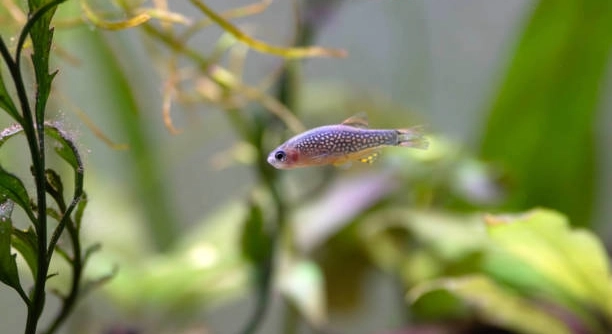
Danios are small, lively fish often admired for their energetic swimming and bright colors. Watching them interact in a group can be fascinating, as their movements sometimes show a surprising sense of order and cooperation.
Group leadership in danios is observed when certain individuals take the lead in swimming direction, foraging, or responding to threats. These leaders influence the group’s behavior, maintain cohesion, and help coordinate collective actions within the shoal efficiently and consistently.
Observing these moments can reveal how these small fish manage social interactions and maintain harmony in their environment. It highlights patterns that are both practical and intriguing.
Leading the Swim
Danios often show leadership while swimming, with one fish moving ahead while others follow. This isn’t random; the lead fish sets the pace, direction, and timing of turns. I’ve noticed that even small shifts in the lead fish’s position can ripple through the entire group, creating a coordinated flow. Leadership isn’t constant—different fish take turns leading. Sometimes, a bolder or faster fish will take charge, while others maintain position behind it. Watching them, I realized it’s almost like a silent conversation, where movement communicates decisions. Even when startled, the group’s cohesion depends on those taking the lead. The lead fish often has more experience in navigating obstacles or finding food, which makes following safer for the others. These patterns are subtle but consistent. Over time, the way they maintain formation and anticipate changes in the environment reflects a type of leadership instinct. Observing this makes you appreciate their social dynamics beyond just bright colors and quick swimming.
Leadership in swimming helps maintain group safety and coordination. It allows danios to move efficiently and avoid threats together.
Seeing how one fish guides the others, I noticed shifts in leadership happen naturally. Some fish take the lead during exploration, while others dominate during feeding or evasion. This dynamic ensures the group adapts smoothly. It’s impressive how their small size doesn’t limit complex social behavior. Their movements create a visual rhythm, almost like an underwater dance, where leadership is shared but effective. Following patterns of swim leadership helps researchers and hobbyists understand their instincts and social priorities. Leadership affects not only movement but access to resources, with leading fish often encountering food first, while others benefit from safer paths. Even when the environment changes—plants rearranged, decorations added—the group quickly adjusts, following whoever seems most confident or alert. Over time, this gives insight into how intelligence and social skills can manifest in tiny, seemingly simple fish. Their behavior can teach lessons about coordination, awareness, and subtle communication, all without a single sound, relying entirely on movement cues and group cohesion.
Leadership During Feeding
During feeding, some danios naturally take the lead, moving first toward food while others follow at a distance. Their quick decisions influence the group’s access and timing, maintaining order while avoiding chaos.
Feeding leadership is often subtle. Fish at the front get first access, but the group remains mostly balanced. This ensures that food is shared efficiently, with dominant leaders guiding rather than bullying. Observing this, I noticed how timing, position, and alertness determine leadership. A confident fish approaches, and the group flows behind, adjusting speed to match. Even minor hesitations or movements affect the others, demonstrating a strong influence of social cues. It’s fascinating how feeding interactions are about more than hunger—they reflect communication, coordination, and trust. Over time, repeated patterns emerge, showing which fish are consistently more proactive and which prefer to follow. Recognizing these patterns helps in understanding their social structure, indicating that leadership isn’t about aggression but careful management of group dynamics. These moments also show how leadership adapts: if a lead fish hesitates or gets distracted, another immediately steps in. It’s a flexible system where the group’s success depends on shared awareness. Watching feeding behavior highlights not only hierarchy but also cooperation, timing, and adaptability, all performed with a surprising level of efficiency and precision.
Responding to Threats
Danios often respond quickly to sudden changes, with one fish leading an escape. This leader signals danger, and the group moves together in a coordinated burst of speed, avoiding potential threats efficiently.
When a shadow passes over the tank or an unexpected movement occurs, the lead fish reacts instantly. Its sudden change in direction or speed is followed by the rest, creating a wave of synchronized motion. I’ve noticed that some fish are naturally more alert, often taking the first action, while others adjust quickly to maintain formation. This rapid response minimizes risk, allowing the shoal to stay safe even in a confined space. Their tiny bodies move with surprising precision, each fish mirroring small turns and accelerations. Observing this, I realized that leadership here is instinctive and situational, not constant. Even subtle gestures, like a slight tilt or quick dart, can guide the group. Over time, it’s clear that their collective survival relies on these brief moments of guidance and attentiveness, highlighting a complex social structure under pressure.
Leadership in threat response balances caution with speed. The lead fish sets direction while the rest follow seamlessly, ensuring safety for the group.
Navigating Obstacles
Danios often rely on a leading fish to guide them through plants or decorations. The leader chooses paths, helping the group avoid collisions and confusion while exploring the tank.
During navigation, I’ve seen how one fish often moves ahead, weaving carefully between obstacles while the others follow. This behavior reduces accidents and keeps the shoal organized. Even small hesitations from the leader can ripple through the group, causing others to pause or adjust. Over time, certain fish consistently show confidence in guiding, while others defer, waiting for cues before moving. This dynamic creates an unspoken system of direction and coordination. Watching them navigate, I noticed the leader often balances speed with caution, avoiding tight spaces while encouraging smooth movement. The group adapts continuously, following the most aware or experienced fish, ensuring safety and maintaining cohesion.
Leading during obstacle navigation improves efficiency and prevents accidents. It shows how leadership is practical, situational, and essential for maintaining group harmony.
Exploring New Areas
Danios often follow a confident leader when investigating unfamiliar parts of the tank. The lead fish moves first, assessing safety and signaling the rest to proceed.
Exploration leadership ensures the group stays together. The lead fish checks for obstacles or potential threats, while others mirror movements, maintaining cohesion and reducing stress.
Social Interactions
Certain danios take the lead in social behaviors, initiating play or gentle chasing. These fish influence the group’s activity level and interaction patterns, encouraging cohesion and engagement.
Resting Patterns
Some danios guide where the group settles to rest. The leader’s choice affects comfort and safety, with others following to maintain closeness and security.
How can I tell which danio is the leader?
Leaders in a group of danios are usually the ones that move first in new directions. They often swim at the front when the group is exploring or feeding. I’ve noticed that these fish seem more confident and decisive, rarely hesitating when the rest of the group pauses. Observing their behavior over time helps identify consistent leaders.
Do leaders change over time?
Yes, leadership can shift depending on the situation. A fish that leads during feeding might not be the same one guiding the group when avoiding threats or navigating obstacles. I’ve seen smaller or younger fish occasionally take the lead, but usually, experienced or bolder individuals dominate in most scenarios. Leadership is flexible and context-driven.
Why do some danios always follow?
Following behavior is often linked to instinct and safety. Fish that remain behind benefit from reduced risk of predation and can conserve energy while learning from leaders. I’ve noticed that followers are not passive—they respond quickly to cues from leaders and sometimes take over temporarily if the leader hesitates.
Can a tank environment influence leadership?
Absolutely. The layout of the tank, availability of hiding spots, and presence of food all affect which fish take the lead. Open spaces often allow bolder fish to assert leadership more easily, while densely planted areas may cause frequent shifts in who guides the group. I’ve observed how even minor changes, like moving decorations, can change leadership patterns temporarily.
Does size determine leadership?
Size can be a factor but isn’t the only one. Larger danios sometimes dominate due to strength or confidence, yet smaller or faster fish may take the lead in exploration or evasion. In my observations, personality and alertness often outweigh size when it comes to guiding the group.
How does leadership affect feeding?
Leaders influence how efficiently the group accesses food. The first fish to reach food sets the pace and direction, while others follow carefully. This prevents chaos and allows the group to share resources without conflict. I’ve noticed that lead fish often get first bites, but followers benefit from safer paths.
Do danios communicate when leading?
Yes, but it’s subtle. Movements, speed changes, and slight shifts in position act as signals for the group. I’ve seen how a slight dart or pause can prompt followers to adjust instantly. They rely on these cues to maintain cohesion without vocalization.
Can leadership affect the group’s health?
Leadership can influence access to food, safety, and stress levels. A confident leader can reduce panic during disturbances, ensuring that fish expend less energy avoiding threats. I’ve noticed groups with consistent leaders seem calmer and more organized, while groups with frequent leadership changes can appear tense and scattered.
Is it possible to encourage leadership in shy danios?
Shy fish can occasionally take leadership if given opportunities. Placing them in situations where confidence is rewarded, such as during exploration with minimal obstacles, can help them assert influence. I’ve seen timid danios become more proactive over time when they experience safe and controlled environments.
Does group size affect leadership?
Yes, in larger groups, leadership tends to rotate more frequently, while in smaller groups, certain fish may lead consistently. I’ve observed that in a tank with many danios, the lead fish must constantly adjust to maintain coordination, making leadership more dynamic and challenging.
How quickly does leadership change in new situations?
Leadership can shift within seconds in response to threats, feeding opportunities, or environmental changes. I’ve watched how one fish may lead for a few moments and then be replaced instantly by another if the situation requires a different skill set, like speed or caution.
Can leadership patterns predict behavior?
Observing which fish consistently lead in different scenarios gives insight into social dynamics and temperament. I’ve noticed that proactive leaders are more likely to explore new objects, investigate changes, and influence group movement, while followers tend to rely on cues and maintain cohesion.
Do leaders take risks more often?
Leaders usually face higher exposure to potential danger. I’ve noticed that fish at the front during feeding or exploration are more likely to encounter hazards, but their boldness often benefits the group by showing safe paths and prompting coordinated movement. Followers tend to balance caution with responsiveness.
Does the type of danio matter?
Different species of danios may show slightly varied leadership patterns. For example, zebra danios are highly social and quick to establish leadership rotations, while other types may have more consistent dominant individuals. I’ve observed these differences when keeping mixed species, which affects how they interact and follow each other.
How can I observe leadership without disturbing the group?
The best method is patience and minimal interference. Watching quietly from a distance allows natural behavior to appear. I usually avoid tapping the glass or rearranging decorations while observing, letting the fish establish leadership and group coordination naturally.
Can leadership affect reproduction?
Leadership doesn’t directly determine mating, but confident leaders often control access to prime feeding or resting areas, which can indirectly influence reproductive success. I’ve noticed dominant leaders tend to stay healthier, giving them a subtle advantage during breeding periods.
Does the time of day influence leadership?
Yes, activity levels vary throughout the day. I’ve seen leaders become more active in the morning during feeding and exploration, while evenings often show more relaxed group movement with less pronounced leadership. Timing can influence which fish take initiative in the group.
Can leadership be measured scientifically?
Leadership can be tracked using observation and video analysis. I’ve tried timing which fish initiates movement, changes direction first, or approaches food before others. Patterns emerge over repeated sessions, showing which individuals consistently influence the group’s behavior.
Does stress affect leadership?
Stress can disrupt leadership patterns. I’ve noticed that sudden changes, aggressive tankmates, or poor water quality can make usual leaders hesitate, causing followers to take temporary charge. Maintaining a calm, stable environment helps preserve natural leadership dynamics.
Is leadership always beneficial for the group?
Mostly, yes. Effective leaders coordinate movement, reduce collisions, and improve access to food. However, if a leader becomes overconfident or misjudges a situation, it can momentarily confuse the group. I’ve observed that adaptive leadership, where followers adjust and take over if needed, works best.
Do leaders rest differently?
Leaders often choose safer or central resting spots. I’ve noticed they remain alert, even while resting, ensuring that the group stays together and can react quickly if disturbed. Followers tend to mimic these positions for safety and cohesion.
Can leadership be influenced by feeding routines?
Feeding schedules reinforce leadership patterns. Fish that reach food first during repeated feedings often continue to lead in those scenarios. I’ve seen how consistent timing allows proactive fish to establish roles, while others learn to follow and adjust their behavior.
How do leaders interact with each other?
When multiple confident fish exist, leadership may rotate or be shared. I’ve observed subtle negotiation through positioning, speed, and timing, ensuring the group maintains cohesion. Confident fish rarely fight aggressively over leadership but influence behavior through movement cues instead.
Do leaders have different personalities?
Yes, leaders tend to be bolder, more curious, and quicker to react. I’ve noticed that they are more proactive in exploring, feeding, and responding to disturbances, while followers are cautious and observant, relying on leaders to guide group decisions.
Can observing leadership improve tank management?
Watching which fish lead and follow helps anticipate group behavior. I’ve used these insights to adjust feeding, placement of decorations, and tank maintenance, minimizing stress and ensuring all fish have access to resources while maintaining harmony.
Does leadership affect social hierarchy?
Leadership reflects but does not strictly define hierarchy. I’ve seen confident leaders gain influence in movement and feeding, but social ranking can involve subtle interactions, territory preferences, and prior experiences, showing that leadership is one part of a complex social system.
Can leadership be trained or encouraged?
To a small extent, yes. I’ve noticed that consistent exposure to exploration or feeding scenarios allows proactive fish to assert leadership naturally. Shy or less confident fish may take temporary lead roles if conditions favor cautious decision-making, showing leadership is somewhat adaptable.
Are there risks if a leader is removed?
Removing a key leader can temporarily disorient the group. I’ve observed hesitation, slower movements, and more collisions until another fish assumes leadership. This highlights how important certain individuals are for maintaining group coordination and cohesion.
How long do leadership roles last?
Leadership roles vary in duration. I’ve noticed that some fish consistently lead over weeks, while others take turns depending on context. Environmental changes, feeding schedules, and social interactions all influence how long a leader remains dominant or proactive.
Does water quality influence leadership behavior?
Poor water quality can reduce activity and confidence, affecting leadership. I’ve seen that leaders become hesitant, slow, or erratic in suboptimal conditions, which disrupts group coordination. Maintaining stable, clean water ensures natural leadership behaviors continue.
Can leadership influence aggression?
Leaders can moderate aggression by guiding movement and access to resources. I’ve observed that proactive leaders reduce conflicts by setting clear directions, while lack of leadership may increase jostling or minor skirmishes among group members.
Do leaders influence learning in the group?
Yes, following a confident leader allows less experienced fish to learn routes, feeding spots, and safe paths. I’ve noticed that followers pick up on patterns by observing leaders, improving their awareness and responsiveness over time.
Does leadership affect overall activity levels?
Leaders often set the pace for swimming, exploration, and feeding. I’ve noticed groups are more active and coordinated when a confident fish guides them, while inactivity increases if leadership is absent or inconsistent, showing its influence on daily behavior.
Can leadership patterns be predicted?
By observing multiple behaviors, patterns emerge. I’ve tracked which fish lead during feeding, exploration, and threat response, showing consistent tendencies. Recognizing these patterns helps anticipate group behavior and maintain harmony in the tank.
Does lighting or tank setup influence leaders?
Yes, brighter areas or open spaces often encourage bold fish to take the lead. I’ve noticed that leaders prefer paths where visibility and maneuverability are easier, while followers adjust their positions accordingly.
How do leaders handle new tankmates?
Leaders usually take initiative in investigating newcomers. I’ve observed that they approach first, setting the tone for the group’s response. Followers watch and adjust their behavior based on the leader’s actions, minimizing stress and conflict.
Are there differences between male and female leaders?
Differences can exist but are subtle. I’ve noticed both males and females can lead depending on confidence, size, and experience. Leadership seems more linked to personality than gender, with both capable of guiding the group effectively.
Can leadership influence growth or health indirectly?
Yes, leaders often access food first and navigate safer paths, which can promote better growth and lower stress. I’ve seen that following fish still benefit from guidance, but leaders may enjoy slight advantages in nutrition and safety, affecting overall well-being.
Does leadership affect mating behavior?
While leadership doesn’t directly dictate mating, leaders often occupy prime positions in the tank, influencing social interactions and access to resources. I’ve observed that confident leaders may appear more active and visible, indirectly affecting courtship opportunities.
Is leadership more important in smaller or larger groups?
Leadership is crucial in both, but patterns differ. In larger groups, rotation and flexibility are key. I’ve noticed that smaller groups rely heavily on consistent leaders to maintain coordination, making the role more pronounced.
Can observing leadership reduce stress for the tank?
Yes, understanding leadership patterns helps anticipate movement, feeding, and interactions. I’ve noticed that adjusting tank layout or feeding strategies based on observed leaders reduces chaos and keeps the group calmer.
How does temperature affect leadership?
Temperature influences activity levels. I’ve seen leaders become more active in optimal ranges, guiding exploration and feeding. Colder or hotter conditions slow movement, making leadership less obvious and reducing overall group responsiveness.
Does leadership affect shoal formation?
Yes, leaders often determine spacing and direction. I’ve observed that following fish adjust positions to maintain cohesion, creating smooth shoal patterns that reduce collisions and maintain order.
Can leadership help during illness or recovery?
Leaders influence movement and feeding even when some fish are unwell. I’ve noticed that sick fish follow leaders carefully, maintaining energy while still participating in group activities, which can aid recovery and reduce stress.
Do leaders take different paths during feeding versus exploration?
Yes, leaders adapt based on context. During feeding, paths are often direct and strategic, while exploration involves cautious assessment. I’ve observed that these changes help the group respond efficiently to different needs.
Is there a limit to how many leaders a group can have?
Groups usually have a few dominant or confident leaders. I’ve noticed that too many leaders can cause confusion, while a balance of proactive and following fish maintains harmony. Leadership is situational and shared to optimize group behavior.
Do leaders interact differently with shy fish?
Leaders often influence shy fish by example. I’ve seen hesitant fish follow confidently, learning safe paths and group movement. This interaction helps integrate less assertive fish while maintaining group cohesion.
Can leadership behaviors be influenced by tank mates’ personalities?
Yes, the confidence and activity level of other fish affects who takes the lead. I’ve noticed that bold companions encourage leadership expression, while overly passive or timid companions can limit proactive behavior.
How long should I observe to identify leaders?
Consistent observation over several days or weeks is ideal. I’ve noticed that repeated patterns emerge only after multiple feeding, exploration, and resting sessions, making it easier to identify true leaders versus temporary proactive fish.
Does leadership affect how fish explore vertical space?
Leaders often set patterns for vertical movement, guiding the group to different tank levels. I’ve observed that following fish adjust positions to match, creating balanced use of space and reducing congestion near surfaces or decorations.
Can leadership influence tank harmony?
Yes, effective leadership maintains group coordination, reduces collisions, and balances resource access. I’ve noticed that groups with clear leaders move more smoothly and appear calmer, showing the importance of these roles in daily behavior.
Do leaders take more risks during play or chasing?
Leaders often initiate playful chasing, testing agility and space. I’ve seen that followers mirror movements, creating coordinated patterns that appear lively and energetic without causing harm, reflecting social leadership in non-threatening activities.
Does diet influence leadership energy?
A nutritious diet can support proactive behavior. I’ve noticed that well-fed leaders maintain higher activity levels, allowing them to guide the group effectively. Followers benefit indirectly through access to safe paths and coordinated movement.
Are there differences in leadership between morning and evening?
Yes, activity levels fluctuate. I’ve observed leaders take charge more during feeding times in the morning, while evening movements are slower, with less pronounced leadership, showing how daily rhythms affect behavior.
Can observing leadership improve breeding success?
Understanding leadership helps manage space, feeding, and stress. I’ve noticed that groups with stable leadership show smoother social interactions, which indirectly supports healthier breeding behavior and reduces conflict during spawning periods.
How do leaders react to sudden changes in the tank?
Leaders respond quickly to new objects, shadows, or rearrangements. I’ve seen that their reaction guides followers, minimizing collisions or stress and helping the group adjust efficiently to change.
Can multiple leaders coexist without conflict?
Yes, I’ve observed that confident fish often share influence by rotating roles or responding to different situations. This prevents constant dominance battles and ensures smooth group coordination, balancing initiative and cooperation.
Do leaders influence rest locations?
Leaders often choose central or safe resting spots. I’ve noticed followers mimic these choices, maintaining cohesion and security, which ensures the group stays together even during low-activity periods.
Does water current affect leadership?
Yes, leaders often take positions that optimize swimming efficiency. I’ve observed that following fish adjust to maintain formation, showing how environmental factors like current influence who guides movement.
Can observing leadership help identify stressed fish?
Yes, sudden withdrawal from leadership or lack of responsiveness can indicate stress. I’ve noticed that leaders slowing down or hesitating affects group movement, signaling the need for closer monitoring of health and tank conditions.
Does leadership affect energy distribution in the group?
Leaders expend more energy setting pace and direction. I’ve observed that followers conserve energy while still benefiting from guidance, showing a natural balance in how the group manages effort and activity.
Can changing tankmates affect leadership?
Yes, new additions can shift who leads. I’ve seen bold newcomers take initiative, causing existing leaders to adjust or temporarily follow, highlighting how social dynamics influence leadership roles.
Are some leaders more consistent than others?
Yes, I’ve noticed certain fish consistently lead across scenarios, while others take temporary roles. Consistent leaders provide stability, which helps maintain coordinated movement and reduces stress for the group.
Does leadership affect learning speed for younger fish?
Following leaders helps young or inexperienced fish learn navigation, feeding spots, and safety cues. I’ve seen that groups with strong leaders develop quicker responses and better cohesion among all members.
Can observing leadership help prevent conflicts?
Yes, knowing who leads and follows allows better tank management. I’ve adjusted feeding locations and décor to reduce stress, prevent collisions, and support smooth group interactions, using leadership patterns as guidance.
Does tank size influence leadership behavior?
In larger tanks, leadership often rotates more frequently, as multiple paths and exploration opportunities exist. I’ve noticed that in smaller tanks, leaders maintain a more consistent role, controlling movement and resource access efficiently.
Can observing leadership help with breeding management?
Yes, understanding who takes initiative allows better placement of breeding sites and feeding schedules. I’ve noticed calmer, coordinated groups with clear leaders reduce stress during spawning, improving overall reproductive success.
Does lighting affect leader activity?
Yes, brighter conditions encourage movement and exploration. I’ve observed that leaders become more proactive when visibility is higher, guiding the group efficiently, while dimmer lighting may reduce their initiative.
Can leadership influence group learning of tank layout?
Leaders explore paths and safe zones first. I’ve seen followers observe and memorize routes, creating collective knowledge of the tank layout, which improves efficiency and reduces accidents.
Does leadership affect stress response to sudden stimuli?
Yes, leaders often dictate the group’s reaction to sudden movements or shadows. I’ve noticed followers rely on leaders for cues, reducing panic and maintaining cohesion during unexpected events.
Can observing leadership patterns improve daily care routines?
Yes, by tracking leaders and followers, I’ve adjusted feeding, décor, and tank interactions to reduce stress, maintain cohesion, and ensure all fish have access to food and resting areas.
Do leaders influence social bonds?
Leaders shape group interactions by guiding movement and activities. I’ve noticed followers develop trust and coordination with leaders, reinforcing social bonds and creating smoother group dynamics.
Does leadership vary with age?
Yes, younger fish may initially follow older, more confident leaders. I’ve observed that as they grow and gain experience, some young fish take temporary leadership roles, showing a gradual shift in social influence.
Can leadership affect aggression management?
Leaders reduce unnecessary skirmishes by guiding movement and access to resources. I
Observing danios and their leadership behaviors gives a fascinating glimpse into how small fish manage social interactions. These fish, though tiny, demonstrate a surprising level of coordination and communication. Leaders often take the first step in swimming, exploring, or feeding, setting the pace and direction for the rest of the group. I have noticed that their leadership is rarely constant, with different fish taking charge depending on the situation. A bolder fish may lead during exploration, while a more alert fish may take over when responding to threats. This flexible system allows the group to adapt quickly to changes in the environment and maintain cohesion. Even small gestures, like a sudden turn or a quick dart, can influence the entire shoal, showing how leadership is both subtle and essential for daily survival.
Leadership in danios also reflects the balance between confidence and caution. The lead fish often assumes more risk, whether approaching food first, navigating obstacles, or reacting to potential threats. Followers benefit by maintaining a safe position while still gaining access to food and guidance. I have seen how groups adjust to a leader’s choices, mimicking movements to stay together and avoid collisions. Over time, these patterns become predictable, yet they are never rigid. The dynamic nature of leadership allows fish to rotate roles as needed, which keeps the group organized and reduces stress. In a tank setting, this means that observing which fish naturally lead can help maintain harmony, manage feeding, and prevent unnecessary conflicts. Leadership influences the well-being of the group in ways that are easy to overlook but are clearly visible when paying close attention.
Finally, understanding leadership in danios provides a window into their intelligence and social structure. Leadership is not about dominance alone—it is about coordination, communication, and group survival. I have noticed that confident leaders encourage cohesion and provide subtle guidance that benefits everyone. Whether swimming, feeding, exploring, or resting, the lead fish shapes how the group behaves and responds to its surroundings. Observing these moments has made me appreciate the complexity of their social interactions. It also highlights that even small fish have personalities, instincts, and roles that influence their daily life. Paying attention to leadership patterns not only makes keeping danios more interesting but also helps ensure their safety, health, and comfort in the tank. The more time spent watching these behaviors, the clearer it becomes that leadership, in its many forms, is essential to the balance and harmony of their small but active community.

Hello,
If you enjoy the content that we create, please consider saying a "Thank You!" by leaving a tip.
Every little bit helps us continue crafting quality advice that supports the health, happiness, and well-being of pets around the world, for pets of all shapes, sizes, and species.
We really appreciate the kindness and support that you show us!