
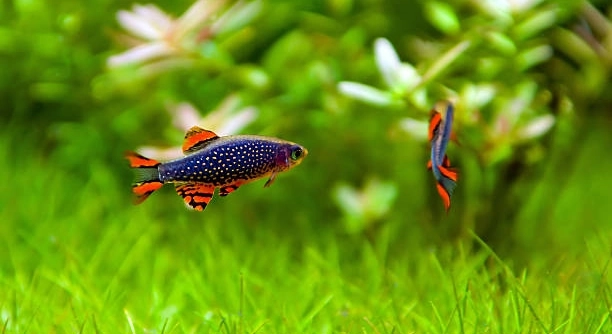
Adding danios to a tank can bring a lively splash of color and movement. Their presence is noticeable almost immediately, as they swim energetically and interact with the environment, brightening up the space with their activity and charm.
Danios are active schooling fish that influence tank dynamics, water movement, and social behavior. They often establish hierarchical interactions, increase oxygen circulation through constant motion, and can affect feeding patterns and tank cleanliness due to their consistent activity levels.
Observing their energy and interactions can give you a better understanding of how your tank ecosystem adapts and thrives with new additions. Their presence often changes both behavior and ambiance noticeably.
Increased Activity and Movement
Danios are naturally energetic fish, and adding them to a tank noticeably increases overall activity. They dart around frequently, exploring corners, plants, and decorations. Their constant movement can encourage other fish to be more active as well, creating a dynamic and engaging environment. Watching them swim in groups is fascinating, as they rarely stay in one place for long. Their schooling behavior adds rhythm to the tank, making it appear fuller and more lively. Over time, their motion can also help circulate water, benefiting filtration and oxygen distribution. Their presence changes the visual energy of the tank, turning a previously calm setup into a space full of life and movement. Observing their interaction patterns can reveal subtle social behaviors, like leadership roles within the school or preferences for certain areas. Even small tanks feel busier and more engaging once these fish are introduced, adding both aesthetic appeal and behavioral stimulation to the aquatic environment.
Their constant motion improves water circulation and encourages other fish to swim more actively, enhancing tank health overall.
The increased activity of danios not only creates a visually appealing display but also contributes to a balanced ecosystem. Their movement helps prevent stagnation and promotes oxygen exchange, which benefits plants and other aquatic life. Fish that were previously less active may become more confident swimming alongside them. Over time, observing these patterns can help you understand social dynamics, preferred swimming zones, and even feeding behavior. Danios’ behavior also encourages you to maintain cleaner tank conditions, as active fish can stir sediment or uneaten food, prompting more frequent water checks. Their presence subtly influences the environment, making it more vibrant and engaging. By noting their activity, you can adapt feeding schedules, decoration placement, and tank care routines to support a harmonious setup. Even their small size does not diminish the noticeable impact on both the visual and functional aspects of your aquarium, creating an ecosystem that feels alive and responsive to daily care.
Social Interaction Changes
Adding danios often affects the behavior of existing fish. Their schooling nature can encourage social cohesion among tank mates, changing interactions subtly.
Other fish may become more outgoing or curious as they respond to the danios’ presence. In some cases, more dominant species adjust their territories, while smaller or shy fish find comfort swimming alongside the new arrivals. Danios rarely show aggression, but their active swimming patterns create a dynamic social environment that requires adaptation. Watching these interactions can reveal which species are compatible and how hierarchy shifts within the tank. Over time, the tank develops a rhythm dictated by the new schooling patterns, which can also influence feeding behavior and space usage. The presence of danios can indirectly promote healthier activity levels and stimulate social behaviors that were less visible before. Their addition creates a subtle but constant influence on daily life in the aquarium, affecting mood, movement, and overall harmony among the fish.
Appetite and Feeding Patterns
Danios are active feeders and often eat quickly. Their presence can make feeding times livelier, as they move rapidly to gather food, encouraging other fish to eat more consistently.
Their quick and energetic feeding can influence the behavior of tank mates. Fish that were previously hesitant may start feeding more confidently, while others adjust to the increased competition. Danios are not picky eaters and will consume flakes, pellets, and live foods alike. Observing how they approach feeding helps in managing portions to prevent leftover food from decaying and affecting water quality. Their appetite also allows you to monitor health closely, as a sudden change in eating patterns can indicate stress or illness. Feeding becomes a more active and interactive part of tank life, highlighting their energetic personality.
In addition, the way danios feed can affect the distribution of food in the tank. Uneaten food is often stirred by their movement, which prevents it from settling and decomposing. This activity benefits bottom dwellers by redistributing nutrients. It also encourages other mid-level swimmers to remain active during feeding, fostering a more balanced environment. Monitoring feeding patterns ensures all fish receive proper nutrition while keeping the tank clean and healthy, as danios’ constant motion helps maintain a tidy substrate and improves overall water circulation during meal times.
Color and Visual Appeal
Danios add noticeable color and brightness to the tank. Their vivid hues stand out and enhance the overall visual appeal.
The vibrant colors of danios can make a tank feel more dynamic and alive. Their reflective scales catch light, creating flashes of brilliance as they swim. Patterns vary across species, adding diversity to the visual experience. Observing how their colors change with lighting and mood can be rewarding. The presence of danios often highlights the colors of other fish, plants, and decorations, creating a balanced and attractive setup. Their visual energy adds depth and movement, transforming a standard tank into a more stimulating and pleasing environment for both fish and observers.
Schooling Behavior
Danios naturally swim in groups, and adding them encourages visible schooling. Their synchronized movement creates patterns that are both calming and engaging to watch.
This behavior also helps establish social structure within the tank. Fish learn to coordinate and follow one another, which can reduce stress and create a sense of security for smaller or shy species.
Tank Exploration
Danios actively explore all areas of the tank. They investigate plants, decorations, and substrate, constantly moving through spaces others may avoid.
Their curiosity can uncover hidden corners and stimulate activity in other fish. Over time, this exploration helps maintain a dynamic environment, as the constant motion promotes water circulation and prevents stagnation in overlooked areas of the tank.
Interaction With Tank Mates
Danios generally coexist peacefully with most species. Their presence encourages other fish to be more active and engaged.
What is the ideal tank size for danios?
Danios are small, active fish that require space to swim freely. A minimum of 20 gallons is recommended for a small school of five or six. Larger tanks are preferable if you plan to keep more fish or include multiple species. Adequate space reduces stress and aggression, allowing danios to display natural schooling behavior. They are highly energetic swimmers, so cramped environments can lead to fatigue or health issues. Providing open swimming areas along with plants or decorations ensures they can explore safely while maintaining social cohesion. Regular observation helps determine if the tank size is meeting their activity needs.
How many danios should be kept together?
Danios are schooling fish and thrive in groups. Keeping at least five to six together is ideal. A larger school is even better, as it encourages natural behavior and reduces stress. When kept alone or in very small groups, they can become timid or display abnormal activity. The social structure in a proper-sized school helps maintain balance within the tank, as each fish finds its place in the hierarchy. Mixing them with compatible species ensures the tank remains harmonious, and all fish feel secure. Overcrowding should be avoided to prevent competition for food and space, which could lead to aggression or health problems.
What do danios eat?
Danios are omnivores and eat a wide variety of foods. They accept flakes, pellets, frozen, and live foods. Feeding them twice a day in small portions is sufficient to maintain health. Overfeeding can lead to water quality issues, so monitoring leftover food is essential. Their energetic feeding style ensures food is quickly consumed, reducing waste. Occasionally offering treats like brine shrimp or daphnia can provide additional nutrition and enrichment. Balanced diets help maintain their vibrant coloration and activity levels, which contributes to overall tank aesthetics and fish well-being. Observing feeding behavior can also alert you to potential health issues early.
Are danios compatible with other fish?
Danios are generally peaceful and coexist with a wide range of species. They are best kept with other non-aggressive, active fish that occupy similar water conditions. Avoid housing them with large, predatory, or overly aggressive species, as danios may become stressed or injured. Compatibility is also influenced by tank size and hiding spaces, which allow all fish to maintain territory and feel secure. Their schooling behavior encourages other fish to be more active, promoting a dynamic and balanced tank environment. Observing interactions regularly ensures all species remain healthy and harmonious, preventing potential conflicts or stress-related issues.
How do danios affect water conditions?
Danios’ constant movement helps improve water circulation, benefiting oxygen distribution and filtration efficiency. However, their activity can stir up debris or uneaten food, requiring regular monitoring to maintain water quality. Their schooling behavior creates natural water flow patterns, which can support plant growth and prevent stagnant areas. Proper filtration and regular water changes are essential to manage nutrient buildup and prevent algae growth. Monitoring water parameters such as ammonia, nitrite, and nitrate ensures the tank remains safe for all inhabitants. Their presence encourages attentive tank maintenance, indirectly promoting a cleaner and healthier environment.
Do danios need special care?
Danios are hardy and low-maintenance fish but still require proper care. Stable water parameters, regular feeding, and clean conditions are necessary for long-term health. Providing a varied diet, plants, and hiding spots supports natural behavior. Observing their activity and appearance helps detect early signs of stress or illness. They benefit from a well-cycled tank and a temperature range of 64–74°F, which suits most freshwater community setups. While not overly demanding, consistent care ensures their vibrant colors and active behavior remain strong, making them a visually engaging and lively addition to any aquarium.
Can danios breed in a home tank?
Yes, danios can breed easily in home aquariums. They typically scatter eggs among plants, and adults do not care for the young. If breeding is desired, a separate tank with fine-leaved plants or spawning mops can protect the eggs. Controlling water temperature, quality, and diet encourages successful spawning. Fry grow quickly when fed appropriately, but overcrowding should be avoided to maintain health and prevent stunted growth. Regular monitoring and maintenance ensure that both adults and young remain healthy. Breeding danios can be a rewarding experience, offering insight into their behavior and lifecycle.
How can I tell if my danios are healthy?
Healthy danios are active, swim in coordinated schools, and have vibrant coloration. Their fins should be intact and free from damage or discoloration. They eat consistently and respond to movement or feeding. Signs of stress or illness include lethargy, loss of appetite, clamped fins, or abnormal swimming patterns. Regular observation is key to detecting problems early, allowing timely intervention. Maintaining stable water parameters, proper diet, and adequate space supports their overall well-being. Healthy danios contribute to a lively and visually appealing tank environment while reducing the risk of disease spreading among other fish.
What are common issues with danios?
Common issues include stress from overcrowding, poor water quality, or incompatible tank mates. Overfeeding or insufficient filtration can lead to water pollution, which affects health. Disease may occur if tank conditions are unstable. Monitoring tank parameters, maintaining a clean environment, and providing proper nutrition help prevent these problems. Their active nature means they can be prone to injury if decorations or sharp objects are present. Understanding their behavior and needs reduces the likelihood of complications and ensures a harmonious and thriving aquarium.
Are danios suitable for beginner aquariums?
Danios are excellent for beginners due to their hardiness and adaptable nature. They tolerate a range of water conditions and require simple care routines. Their social behavior and activity make them engaging additions while teaching new keepers about feeding, tank maintenance, and observing fish interactions. Choosing compatible species and maintaining water quality ensures a successful and rewarding aquarium experience. Their low-maintenance requirements combined with vibrant movement and schooling behavior provide a satisfying and visually stimulating environment, making them an ideal choice for both new and experienced aquarists.
Adding danios to a tank can transform the environment in ways that are easy to notice and appreciate. Their lively swimming patterns and energetic movements bring constant activity, turning a static aquarium into a dynamic display. Even a small group of these fish can make a tank feel fuller and more engaging, as they rarely stay in one spot for long. Their schooling behavior adds rhythm to the tank, creating a sense of balance and cohesion that is pleasing to watch. Over time, observing how they interact with each other and with other fish provides insight into natural fish behavior, social hierarchies, and group dynamics. It is not just their movement that makes an impact; their curiosity encourages exploration, which can stimulate other species and create a more active and healthy environment. They help distribute food, prevent stagnation, and even improve water circulation simply through their daily activity. This combination of visual energy and functional benefits makes danios more than just a decorative addition—they actively contribute to the overall well-being of the tank.
In addition to their movement, danios bring noticeable color and vibrancy to an aquarium. Their scales catch light beautifully, adding flashes of brightness that enhance the visual appeal of plants, decorations, and other fish. The variety of patterns and hues among different species provides diversity, making the tank visually interesting from every angle. Their coloration also serves as an indicator of health, with dull or faded colors often signaling stress, illness, or poor water conditions. Maintaining proper care, such as balanced feeding, regular water changes, and monitoring tank conditions, ensures their colors remain vivid. Beyond aesthetics, their presence influences the behavior of other fish. Shyer or more reserved species often become more active when danios are present, creating a more dynamic social environment. Even subtle changes, such as new swimming patterns or feeding routines, can be observed over time, highlighting the influence these small fish have on the overall ecosystem. Their combination of visual appeal and behavioral influence makes them both attractive and beneficial additions to almost any freshwater aquarium.
Caring for danios is straightforward, but attention to their needs is essential for long-term health and happiness. They thrive in well-maintained tanks with adequate space, stable water parameters, and a varied diet. Observing their activity and interactions helps identify early signs of stress or illness, allowing for timely adjustments. Because they are social and active, keeping them in proper-sized groups is important for both mental stimulation and overall well-being. Their feeding habits and exploration behavior can also influence tank maintenance routines, encouraging regular cleaning and monitoring of water quality. While they are hardy and adaptable, consistent care ensures that they remain vibrant, active, and healthy. Adding danios is a simple way to create a lively, visually engaging, and harmonious tank environment. By understanding their behavior, supporting their needs, and maintaining a clean and balanced aquarium, you can enjoy both the energy and beauty these fish bring for years to come.

Hello,
If you enjoy the content that we create, please consider saying a "Thank You!" by leaving a tip.
Every little bit helps us continue crafting quality advice that supports the health, happiness, and well-being of pets around the world, for pets of all shapes, sizes, and species.
We really appreciate the kindness and support that you show us!