
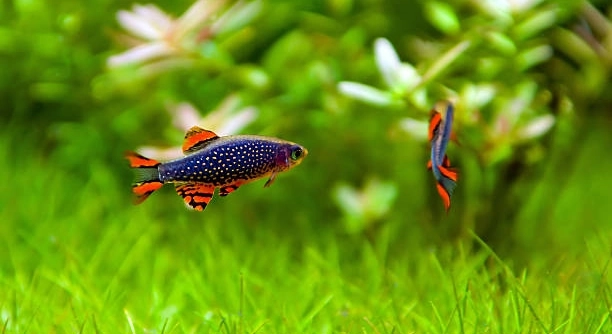
Raising Celestial Pearl Danios from eggs can be a rewarding experience for any home aquarist. These small, colorful fish offer a unique opportunity to observe life cycles up close while enhancing your aquarium’s beauty.
Successful breeding of Celestial Pearl Danios requires precise water conditions, proper temperature, and a carefully prepared spawning tank. Providing high-quality food for adults and ensuring clean, shallow areas for eggs increases survival rates and promotes healthy fry development.
Following the correct steps ensures strong, healthy fry and a thriving aquarium population for years to come.
Preparing the Spawning Tank
Before attempting to breed Celestial Pearl Danios, setting up the spawning tank is essential. Use a small tank, around 10 gallons, and fill it with soft, slightly acidic water. Keep the temperature stable between 78 and 80°F. Add fine-leaved plants or spawning mops to provide surfaces for egg attachment. Avoid strong filtration that could disturb eggs or fry. Maintaining clean water is critical, so partial daily water changes help reduce fungus growth on the eggs. Lightly aerate the water to encourage healthy oxygen levels, but ensure the flow is gentle. Condition the adult fish with high-quality live or frozen foods for several days prior to spawning. Remove adult fish after spawning to prevent egg predation. By creating an optimal environment and monitoring water parameters, the eggs have a higher chance of hatching successfully. Attention to detail at this stage sets the foundation for strong, healthy fry development and reduces the risk of losses.
A well-prepared tank minimizes stress for the adults and increases the likelihood that eggs will survive and hatch successfully.
Clear, stable conditions in the tank allow eggs to develop without interruptions. Regular monitoring of temperature, pH, and cleanliness helps prevent fungus and ensures fry will thrive. Proper setup significantly improves hatching rates and overall fry health.
Conditioning the Adult Fish
Healthy adults produce stronger eggs and more viable fry.
Feeding high-quality live foods, such as daphnia or brine shrimp, for several days before spawning enhances egg quality and encourages breeding. Gradually increase feeding frequency to prepare fish for reproduction. Observe behavior closely; healthy fish are active, display bright colors, and interact naturally. Avoid overcrowding to reduce stress and aggression among the adults. Separating males and females before introducing them to the spawning tank can encourage breeding activity. Monitor water quality and ensure it is consistent with their normal tank parameters. Patience is key, as forcing breeding too early can lead to poor results or lost eggs. Conditioning ensures the adults are strong, well-nourished, and ready to produce viable eggs.
Providing a carefully balanced diet supports reproductive health and encourages consistent spawning behavior. Clean water and reduced stress complete the necessary environment for successful egg production.
Regular observation and careful preparation make a noticeable difference in the number and quality of eggs laid. By maintaining a consistent routine, conditioning adults leads to stronger, healthier offspring. High-quality food, proper separation, and attention to water parameters combine to create optimal breeding conditions. Conditioning also allows you to anticipate when adults are ready to spawn, improving timing and reducing stress during transfer to the spawning tank. Healthy, well-fed adults are less likely to eat their eggs or display erratic behavior, increasing overall success. This stage requires commitment but directly impacts fry survival rates and long-term aquarium health.
Spawning and Egg Care
Remove adult fish immediately after spawning to prevent them from eating the eggs. Use fine-leaved plants or spawning mops to protect eggs and allow them to attach safely. Maintain gentle water flow and stable temperature to encourage healthy development. Monitor daily for fungus.
Celestial Pearl Danio eggs typically hatch within 2 to 3 days, depending on temperature. Keep water clean by performing small, frequent changes and avoid disturbing the eggs. Remove any fungus-covered eggs promptly to prevent spread. Lighting should be moderate, as strong light can stress eggs. Proper care at this stage ensures a higher percentage of fry survive.
After hatching, fry are tiny and vulnerable. Feed infusoria or commercially available liquid fry food initially, gradually introducing larger food as they grow. Keep water parameters stable, and avoid sudden changes in temperature or pH. Observing growth and behavior daily helps identify potential issues early, allowing intervention before losses occur.
Fry Growth and Maintenance
Provide high-quality food in small amounts multiple times daily to support healthy fry growth.
Fry require frequent feeding with finely crushed flakes, baby brine shrimp, or liquid fry food. Maintain clean water with regular partial changes, removing uneaten food to prevent contamination. Monitor growth and behavior closely, ensuring all fry receive adequate nutrition. Separate overcrowded fry if needed to reduce competition and stress.
As fry grow, gradually introduce larger food and adjust feeding quantities. Maintain stable water temperature and pH to prevent stress. Observe behavior for signs of illness or stunted growth, and adjust care accordingly. Ensure adequate hiding spots and gentle filtration to support healthy development. By paying attention to nutrition, water quality, and spacing, fry will grow into strong, healthy juveniles ready for transfer to the main aquarium when large enough. Consistency and careful observation are key for long-term success and a thriving population.
Water Quality and Maintenance
Regular monitoring of water parameters is essential for Celestial Pearl Danios. Maintain temperature between 78 and 80°F, pH around 6.5 to 7.0, and soft water conditions. Frequent partial water changes prevent the buildup of waste and harmful chemicals.
Filtration should be gentle to avoid disturbing fry. Avoid strong currents and ensure proper aeration. Test water for ammonia, nitrites, and nitrates regularly. Clean substrate and decorations lightly to remove debris without harming beneficial bacteria. Consistent water quality supports healthy growth and reduces stress for both fry and adults.
Feeding Schedule for Juveniles
Feed small amounts multiple times daily with finely crushed flakes or baby brine shrimp. Monitor feeding to avoid leftover food, which can foul water.
Tank Setup for Growing Fry
Provide plants, moss, and gentle hiding spots for juveniles. Avoid overcrowding and maintain stable water parameters to encourage healthy growth.
FAQ
How long does it take for Celestial Pearl Danio eggs to hatch?
Eggs typically hatch within 2 to 3 days when water temperature is stable between 78 and 80°F. Cooler temperatures can slow development, while higher temperatures may cause stress or reduce survival rates. Keeping water clean and stable improves hatching success.
Do I need to remove the adults after spawning?
Yes, adults may eat the eggs if left in the tank. Removing them immediately after spawning protects the eggs and increases the likelihood of successful hatching. Use fine-leaved plants or spawning mops to give eggs extra protection.
What should I feed the fry initially?
Start with infusoria or commercially available liquid fry food for the first few days. Once fry grow slightly larger, introduce baby brine shrimp or finely crushed flakes. Feed small amounts multiple times per day to prevent overfeeding and maintain water quality.
How often should I change the water for eggs and fry?
Perform small, frequent water changes daily or every other day to remove waste and prevent fungus growth. Avoid large water changes, as sudden shifts in temperature or pH can stress the eggs or fry and reduce survival rates.
Can I keep fry with adult fish in the same tank?
It is not recommended. Adult Celestial Pearl Danios may eat the fry. Use a separate rearing tank with gentle filtration and hiding spots to ensure fry grow safely until they are large enough to join the main aquarium.
What are common signs of poor fry health?
Signs include slow movement, stunted growth, faded colors, and unusual swimming patterns. Poor water quality, inadequate food, or overcrowding often cause these issues. Early intervention with water changes and proper feeding can improve survival and growth rates.
How long until the fry are ready for the main tank?
Fry usually reach a suitable size for the main tank in about 8 to 10 weeks, depending on growth conditions and feeding. Ensure they are strong, healthy, and large enough to avoid being eaten by adult fish. Gradual acclimation to the main tank is recommended.
What water parameters are best for raising fry?
Maintain soft, slightly acidic water with a pH around 6.5 to 7.0 and temperature between 78 and 80°F. Consistency is key. Test water regularly for ammonia, nitrites, and nitrates to prevent stress or illness in young fry.
Can I use artificial plants for spawning and fry growth?
Yes, artificial plants can work if they provide surfaces for eggs and hiding spots for fry. Fine-leaved plants or spawning mops are ideal, as they allow eggs to attach and fry to seek cover safely. Clean them regularly to prevent algae buildup.
How can I prevent fungus on the eggs?
Maintain clean water with small, frequent water changes and remove any unfertilized or fungus-infected eggs promptly. Adding a small amount of antifungal solution or methylene blue can help, but careful monitoring and clean conditions are the most effective prevention methods.
Is special lighting necessary for eggs or fry?
Moderate lighting is sufficient. Avoid bright or direct light, which can stress eggs and fry. A consistent light cycle helps maintain a natural rhythm and encourages healthy development without causing unnecessary stress.
How important is water temperature during fry growth?
Temperature affects growth rate and survival. Keep it stable between 78 and 80°F. Fluctuations can slow growth or cause health problems. Gentle heating and monitoring ensure consistent conditions, supporting strong and healthy fry development.
Can fry be overcrowded in the rearing tank?
Overcrowding reduces growth, increases stress, and raises the risk of disease. Monitor the number of fry and consider splitting them into multiple tanks if needed. Adequate space ensures all fry have access to food and reduces aggressive interactions.
What is the best way to introduce fry to the main aquarium?
Acclimate them slowly by floating the rearing tank bag in the main tank and gradually mixing tank water over 20 to 30 minutes. This prevents shock from temperature or pH differences and allows fry to adjust safely before permanent transfer.
How do I know if the fry are ready to eat adult food?
When fry can consume finely crushed flakes or small pellets and are strong swimmers, they are ready to transition. Continue gradual increases in food size and quantity while monitoring for leftover food to maintain water quality.
How often should I monitor fry development?
Daily observation is ideal. Check for healthy growth, activity levels, and any signs of illness. Early detection of problems allows intervention with water changes, feeding adjustments, or separation of weaker fry, improving overall survival and health.
Can I breed Celestial Pearl Danios multiple times per year?
Yes, with proper conditioning, healthy adults can spawn several times annually. Ensure adults are well-fed, water conditions remain stable, and recovery periods between spawns are maintained to prevent stress or reduced egg quality.
Are there common mistakes to avoid when raising fry?
Avoid overcrowding, overfeeding, sudden water changes, and leaving adults with eggs. Neglecting water quality or feeding insufficient food can stunt growth or cause high mortality. Consistency in care and monitoring greatly improves survival and long-term fry health.
How do I handle fry mortality?
Some loss is normal, but minimizing stress, maintaining clean water, and providing adequate food reduces deaths. Remove deceased fry promptly to prevent water contamination and protect the remaining healthy fry. Consistent care is key to reducing overall mortality.
What equipment is essential for raising Celestial Pearl Danios from eggs?
A small rearing tank, gentle filtration, stable heater, thermometers, fine-leaved plants or spawning mops, and water testing kits are essential. Proper tools ensure clean water, optimal conditions, and a safe environment for eggs and fry throughout their development.
Final Thoughts
Raising Celestial Pearl Danios from eggs requires attention, patience, and careful preparation. Every stage, from setting up the spawning tank to rearing fry, relies on maintaining stable conditions and providing proper care. Small details, such as gentle filtration, consistent water temperature, and clean surroundings, have a direct impact on egg survival and fry health. While the process may seem demanding, following clear steps makes it manageable. Creating an environment that meets the specific needs of the adults and fry increases success rates and ensures that the fish develop normally without stress or illness. Regular observation and daily maintenance, even in small increments, are far more effective than occasional, intensive efforts.
The process begins with conditioning adult fish and preparing the spawning tank. Providing high-quality food and optimal water parameters helps adults produce strong, viable eggs. Once eggs are laid, removing adults protects them from being eaten and allows for focused care of the developing embryos. Daily monitoring of water quality, gentle aeration, and removal of any fungus are critical during this stage. Once the eggs hatch, the fry are extremely delicate. Feeding appropriate foods, such as infusoria or baby brine shrimp, ensures that they receive adequate nutrition without contaminating the water. Gradually increasing food size as fry grow allows for steady development, while maintaining consistent water parameters reduces stress and encourages healthy growth.
As fry continue to grow, providing hiding spaces, moderate light, and stable conditions becomes increasingly important. Overcrowding should be avoided, and frequent observation helps identify potential problems early. Once fry reach a suitable size, gradual acclimation to the main aquarium ensures a smooth transition without shock. Consistent care, attention to feeding, and maintaining clean, stable water throughout the entire process are the foundation for success. While challenges may arise, following these guidelines creates a controlled, supportive environment that fosters strong, healthy Celestial Pearl Danios. Over time, the effort pays off with a thriving population and a rewarding sense of accomplishment.

Hello,
If you enjoy the content that we create, please consider saying a "Thank You!" by leaving a tip.
Every little bit helps us continue crafting quality advice that supports the health, happiness, and well-being of pets around the world, for pets of all shapes, sizes, and species.
We really appreciate the kindness and support that you show us!