
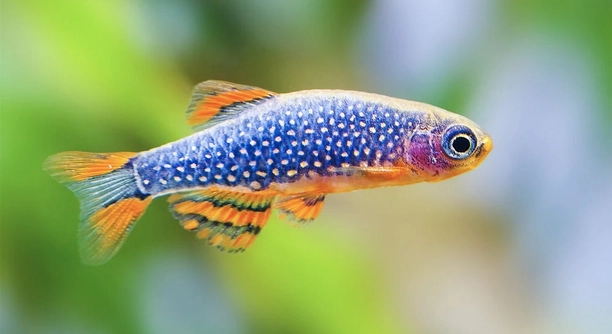
Are you thinking about adding Celestial Pearl Danios to your home aquarium but feel unsure where to start? These small, vibrant fish can bring life to any tank, yet they require careful preparation and attention to thrive.
Before purchasing Celestial Pearl Danios, it is crucial to consider water parameters, tank size, diet, compatibility with other species, and breeding requirements. Ensuring these conditions will support their health, longevity, and overall well-being in a home aquarium.
Learning about their specific care needs will help you create a stable environment for these delicate fish. Proper planning ensures they remain healthy, active, and visually stunning in your aquarium.
Understanding Water Parameters
Celestial Pearl Danios are sensitive to water conditions, making it essential to maintain a stable environment. These fish thrive in slightly acidic to neutral pH levels, around 6.5 to 7.0. Temperature is equally important; they prefer a range of 22 to 26°C (72 to 79°F). Sudden fluctuations can stress them, leading to illness or decreased activity. Regular monitoring using reliable test kits ensures ammonia, nitrite, and nitrate levels remain safe. Clean water with minimal toxins supports their vibrant colors and active behavior. Using a gentle filter helps maintain water clarity without creating strong currents that can disturb these small fish. In addition to testing, partial water changes of 20–25% weekly help maintain overall water quality and prevent the buildup of harmful compounds. Providing a consistent environment allows these danios to adapt quickly and reduces the risk of disease, making them healthier and more visually appealing in the aquarium.
Maintaining proper water parameters ensures the fish remain active, colorful, and healthy over the long term. Consistency is critical.
Monitoring pH, temperature, and nitrogen compounds regularly is crucial. Small, frequent water changes stabilize their environment and prevent stress-related issues. Proper equipment and routine care are key to sustaining a thriving tank.
Tank Size and Setup
A minimum tank size of 20 gallons is recommended for Celestial Pearl Danios, as they are active swimmers who need room to explore. Crowded conditions can lead to stress, aggression, and poor health. Providing plants, both floating and rooted, helps mimic their natural habitat and offers hiding spaces. Smooth rocks and driftwood add structure without posing injury risks, while open swimming areas allow for exercise. Substrate choice is important; fine gravel or sand is ideal to prevent damage to their delicate fins. Lighting should be moderate to highlight their colors without causing excessive algae growth. Proper filtration ensures water stays clean and oxygenated, but flow should be gentle to avoid stressing the fish. A well-planned layout balances aesthetic appeal with functionality, ensuring the fish have areas to hide and swim freely. Maintaining a stable environment with consistent water parameters enhances their well-being and encourages natural behavior.
Careful tank planning supports the health, activity, and longevity of Celestial Pearl Danios. Every detail matters.
Choosing decorations that provide hiding spots and open areas for swimming keeps the fish comfortable. Plants, driftwood, and rocks should enhance both aesthetics and functionality. A gentle filter maintains clean water without disturbing their environment.
Diet and Feeding
Celestial Pearl Danios are omnivores and need a varied diet to stay healthy. High-quality flake or micro-pellet food works well, supplemented with live or frozen foods like daphnia, brine shrimp, and bloodworms to enhance their colors and energy.
A balanced diet ensures growth and vitality. These danios thrive when fed small portions two to three times daily. Overfeeding can cause water quality issues and digestive problems, so it’s important to provide amounts they can consume within a few minutes. Including occasional live or frozen treats supports natural hunting instincts and promotes stronger immune systems. Avoid feeding large flakes that are difficult for them to eat, and rotate protein and vegetable-based foods to cover all nutritional needs. Maintaining variety helps prevent dietary deficiencies and keeps them active, colorful, and in optimal condition.
Observing feeding behavior is essential. Healthy danios actively search for food and display bright colors. Uneaten food should be removed promptly to prevent water contamination. Consistency and variety in their diet are key to long-term health.
Compatibility and Community
Celestial Pearl Danios are peaceful fish that do well in small schools, ideally six or more. They coexist best with other calm, small species that do not compete aggressively for food or territory.
Introducing them to a community tank requires careful consideration. Avoid larger, aggressive fish that may harass or eat these small danios. Suitable tankmates include small rasboras, shrimp, snails, and non-aggressive tetras. Providing hiding spots with plants and decorations reduces stress and prevents conflicts. Observe interactions closely after introducing new fish, as even compatible species may exhibit occasional territorial behavior. Keeping them in groups helps reduce shyness and encourages natural schooling behavior. A stable, peaceful community ensures Celestial Pearl Danios can swim freely, feed comfortably, and display their vibrant colors without unnecessary stress or injury.
Maintaining a calm and balanced community promotes the health and activity of Celestial Pearl Danios. Thoughtful planning of tankmates and hiding spaces ensures a harmonious environment where all fish thrive together.
Breeding Considerations
Celestial Pearl Danios can breed in home aquariums if conditions are right. They require a separate breeding tank with fine-leaved plants or spawning mops for egg laying. Maintaining stable water parameters encourages natural spawning behavior.
Eggs should be collected or separated to prevent adults from eating them. Keeping a slightly cooler temperature around 22°C can stimulate spawning, while feeding high-protein foods enhances egg production. Fry are very small and need infusoria or finely crushed flake food for the first few weeks. Gradually introducing larger foods as they grow ensures proper development. Patience and careful observation are necessary, as fry are delicate and sensitive to water quality changes. A structured feeding schedule and regular water monitoring support their survival and growth.
Lifespan and Health
Celestial Pearl Danios generally live between 3 to 5 years in well-maintained aquariums. Consistent water quality, balanced nutrition, and a stress-free environment contribute significantly to longevity.
Signs of Stress
Signs of stress in these danios include faded coloration, hiding, and decreased activity. Addressing environmental or dietary issues quickly is essential.
FAQ
How many Celestial Pearl Danios should I keep together?
These fish are schooling species, so keeping at least six together is recommended. Smaller groups can become stressed, shy, and less active. Larger groups allow natural social behavior, making them more confident and colorful. Observing their interactions helps ensure the group is balanced.
What water temperature is ideal for them?
Celestial Pearl Danios thrive in water between 22 and 26°C (72–79°F). Maintaining a stable temperature is crucial, as sudden fluctuations can stress them. Using an aquarium heater and thermometer ensures consistent warmth, supporting their health and activity levels.
What type of filtration is best?
A gentle filter is ideal, as these fish are small and prefer calm water. Strong currents can stress them and reduce swimming activity. Sponge filters or low-flow hang-on-back filters maintain clean water without disturbing their environment.
Can I keep them with other fish?
They are peaceful and do well with other small, non-aggressive fish. Avoid large or territorial species that may harm them. Suitable tankmates include small rasboras, shrimp, snails, and calm tetras. Plants and hiding spaces reduce stress and help maintain a harmonious tank.
How often should I feed them?
Feed small portions two to three times daily. Overfeeding can cause water quality issues and health problems. Offer a mix of high-quality flake or micro-pellet food along with occasional live or frozen foods like daphnia or brine shrimp. Monitor their intake and remove uneaten food promptly.
What plants or decorations are best for their tank?
Fine-leaved plants, moss, and floating greenery provide hiding spots and reduce stress. Smooth rocks, driftwood, and open swimming areas create a natural environment. Avoid sharp decorations that could damage their delicate fins. A well-structured layout encourages natural swimming and exploration.
How do I know if my fish are healthy?
Healthy Celestial Pearl Danios display bright colors, active swimming, and regular feeding behavior. Signs of stress or illness include faded coloration, lethargy, clamped fins, and loss of appetite. Regular water testing and observing behavior helps detect problems early.
Can they breed in a home aquarium?
Yes, breeding is possible with the right setup. Use a separate tank with fine-leaved plants or spawning mops. High-protein foods encourage spawning, and eggs should be protected from adult fish. Fry are tiny and need infusoria or finely crushed flake food before gradually introducing larger foods as they grow.
What is the average lifespan?
In a well-maintained aquarium, they usually live 3 to 5 years. Consistent water quality, a balanced diet, and a stress-free environment contribute to their longevity. Regular observation and proper care help prevent disease and maintain their vibrant appearance.
How do I prevent stress in my aquarium?
Stable water parameters, proper tank mates, and a structured environment are key. Avoid sudden changes in temperature, pH, or tank layout. Provide hiding spaces, maintain clean water, and feed a balanced diet consistently. Observing behavior helps identify stress before it affects their health.
Are they sensitive to water quality changes?
Yes, they are sensitive to high ammonia, nitrite, and nitrate levels. Regular testing, partial water changes, and proper filtration are necessary. Maintaining consistent parameters prevents stress, illness, and color fading, ensuring the fish remain healthy and active.
Can they live in a small tank?
A minimum of 20 gallons is recommended. Smaller tanks can lead to stress, aggression, and poor water quality. Adequate space supports natural swimming, schooling behavior, and overall health. Proper setup with plants and decorations ensures comfort and safety.
Do they require special care during winter or cold months?
If room temperature drops below their ideal range, an aquarium heater is necessary to maintain 22–26°C. Sudden temperature changes can weaken their immune system. Monitoring the tank and providing a stable environment prevents stress and disease during colder months.
How often should I clean the tank?
Perform partial water changes of 20–25% weekly. Clean substrate and decorations as needed without disturbing plants or beneficial bacteria. Proper maintenance keeps water parameters stable, preventing stress and supporting vibrant coloration and overall health.
What is the best way to introduce them to a new tank?
Acclimate them slowly by floating the bag in the tank for 15–20 minutes, gradually mixing tank water into the bag. This reduces shock from temperature and water parameter differences. After acclimation, release them gently and monitor behavior for signs of stress.
Are they prone to common fish diseases?
They are generally hardy but can develop illnesses if stressed or exposed to poor water conditions. Ich, fin rot, and fungal infections are possible. Maintaining clean water, a balanced diet, and a stable environment helps prevent disease and supports their immune system.
Can they eat plants in the tank?
Celestial Pearl Danios may nibble on very soft or delicate plants but generally do not damage robust greenery. Providing live plants adds natural cover and enhances water quality without significantly affecting their diet. Observing their behavior ensures plants remain intact.
Do they need a specific type of substrate?
Fine gravel or sand is best to prevent injury and support plant growth. Sharp or coarse substrates can damage fins and hinder fry development. Choosing a safe, smooth substrate contributes to their comfort and overall health in the aquarium.
How do I handle them safely?
Handle sparingly, as they are small and delicate. Use a soft net for transfers and avoid squeezing or sudden movements. Minimizing stress during handling reduces the risk of injury and ensures the fish remain healthy and active.
Can I keep them in a planted tank only?
Yes, they thrive in well-planted tanks with open swimming areas. Plants provide cover and reduce stress, while open spaces allow active movement. A balance of plants and swimming zones supports their natural behavior and visual appeal.
How long does it take for them to settle in a new tank?
They typically acclimate within a few days to a week, depending on water stability and group size. Providing hiding spots, gentle water flow, and stable parameters helps them adjust quickly and begin displaying normal activity and coloration.
What signs indicate they are ready to breed?
Males display brighter colors, and females appear fuller in the abdomen. Active chasing and pairing behavior signal readiness. Maintaining high-quality food, proper water conditions, and a suitable spawning area encourages natural breeding behavior.
How do I care for fry once hatched?
Fry are tiny and need infusoria or finely crushed flake food initially. Gradually introduce larger foods as they grow. Maintain clean water, gentle filtration, and stable parameters to ensure survival and proper development during their early stages.
Is lighting important for their health?
Moderate lighting highlights their colors without promoting excessive algae growth. Too much light can stress them, while insufficient light may dull colors. A consistent day-night cycle supports natural behavior and overall well-being.
Can they live with invertebrates?
They coexist well with shrimp and snails. Ensure tankmates are non-aggressive and small. Providing hiding spaces protects both the fish and invertebrates, creating a balanced environment that reduces stress and supports healthy interactions.
How do I maintain their vibrant colors?
Balanced nutrition, clean water, and minimal stress enhance coloration. Feeding high-quality foods with occasional live or frozen treats supports pigment development. Stable water parameters and a calm tank environment allow their natural colors to shine consistently.
Are they suitable for beginners?
They are manageable for those willing to monitor water parameters, feed a varied diet, and provide proper tank conditions. Their peaceful nature, small size, and striking appearance make them rewarding for attentive hobbyists who can meet their care requirements.
Do they require specific water hardness?
Soft to moderately hard water (5–12 dGH) is ideal. Extreme hardness or sudden changes can stress the fish. Maintaining consistent water chemistry supports health, growth, and vibrant coloration. Regular testing ensures parameters remain within safe limits.
What precautions should I take when moving them between tanks?
Acclimate gradually, avoid sudden temperature or pH changes, and minimize handling. Use a soft net and transfer slowly. Ensuring a gentle transition prevents stress, injury, and potential disease outbreaks in the new tank.
How do I prevent aggression within the group?
Keeping a minimum of six danios reduces territorial disputes. Providing plants and decorations for cover disperses attention and decreases chasing. Observing behavior and separating overly aggressive individuals maintains a peaceful environment for the group.
Are they sensitive to light changes?
Yes, sudden bright lighting can stress them. Introduce new lights gradually and provide shaded areas. A stable lighting schedule with periods of low light helps maintain normal activity, feeding behavior, and coloration.
Do they require quarantine for new fish?
Quarantining new fish for at least two weeks prevents introducing diseases. Monitor water parameters and health during this period. Proper quarantine protects both Celestial Pearl Danios and the existing tank population from potential illness.
Can they live in brackish water?
No, they are strictly freshwater fish. Salt or brackish conditions can cause stress, illness, or death. Maintaining clean, freshwater conditions with stable parameters ensures their health and longevity.
What is the best way to decorate a breeding tank?
Include fine-leaved plants or spawning mops for egg attachment. Provide open swimming space while ensuring hiding spots for adults. Avoid strong currents to protect eggs and fry. This setup encourages natural spawning behavior and supports successful hatching.
How do I know if the tank is overstocked?
Signs include aggression, hiding, poor growth, and deteriorating water quality. Following the minimum tank size guideline and monitoring behavior ensures a healthy environment with enough space for swimming and social interaction.
Do they need water movement?
Gentle water flow is sufficient. Strong currents can exhaust small fish and reduce feeding efficiency. Proper filtration ensures oxygenation without stressing them, creating a comfortable, stable environment.
Can they live in unheated tanks?
They can survive in room temperature if it stays within 22–26°C. Sudden drops or fluctuations require a heater to prevent stress and maintain optimal health. Consistent warmth supports activity, feeding, and coloration.
How often should I test water quality?
Weekly testing of pH, ammonia, nitrite, and nitrate is recommended. Consistent monitoring ensures a stable environment, prevents stress, and maintains the health and vibrancy of the fish. Quick intervention addresses potential problems before they escalate.
Do they require a specific tank shape?
They do well in standard rectangular tanks. Ample horizontal swimming space is more important than height. A well-planned layout with hiding spots and open areas supports their natural schooling behavior and overall health.
What should I do if a fish becomes sick?
Isolate the affected fish in a quarantine tank, check water parameters, and treat with appropriate medication. Maintaining cleanliness and monitoring closely helps prevent disease spread and supports recovery. Early intervention increases survival chances.
Can they tolerate different pH levels?
They prefer slightly acidic to neutral water (6.5–7.0). Gradual changes within this range are tolerated, but sudden shifts can cause stress, color fading, and health issues. Consistent monitoring and adjustments are essential.
How do I encourage natural behavior?
Provide plants, hiding spots, and open swimming areas. Keeping them in groups encourages schooling, while a calm tank with stable conditions reduces stress and allows natural feeding and social interactions.
Are they prone to fin damage?
Yes, sharp decorations or aggressive tankmates can tear fins. Smooth substrate, gentle filtration, and peaceful companions minimize injury. Observing interactions helps maintain their delicate fins and overall appearance.
Do they require a night cycle?
Yes, a regular day-night light cycle supports natural behavior, feeding patterns, and stress reduction. Consistent darkness at night allows rest and contributes to long-term health and coloration.
Can they tolerate tap water?
Tap water must be treated to remove chlorine or chloramine. Using water conditioners and testing parameters ensures safety and stability, preventing stress and health issues. Regular monitoring guarantees water quality remains within safe limits.
How do I prevent algae growth in their tank?
Moderate lighting, avoiding overfeeding, and maintaining water quality reduce algae. Including live plants competes with algae for nutrients, keeping it under control while supporting a natural environment.
Do they need aeration?
Gentle aeration supports oxygen levels but is not strictly necessary in a well-filtered, planted tank. Avoid strong currents that can stress the fish, focusing on stable water conditions and clean oxygenated water.
Can they live with bottom-dwelling fish?
Yes, as long as bottom dwellers are peaceful and do not compete aggressively for food. Proper tank layout and hiding spaces reduce potential conflict and allow all species to coexist comfortably.
Are they sensitive to noise or vibrations?
Yes, sudden loud sounds or vibrations can stress them. Placing the tank in a quiet area and minimizing sudden disturbances helps maintain calm, healthy fish.
How do I recognize early signs of disease?
Look for faded colors, clamped fins, lethargy, irregular swimming, and decreased appetite. Prompt observation and intervention prevent serious health issues and improve recovery chances.
Can I use aquarium salt?
Small amounts can be used for stress or minor illness, but it is not necessary for routine care. Avoid overuse, as excessive salt can harm sensitive plants and invertebrates. Proper water management and stable conditions are usually sufficient.
Do they need specific water flow near the surface?
No, gentle circulation is enough. Avoid strong currents at the surface, as it can stress these small, delicate fish. Focus on consistent filtration and oxygenation for optimal health.
How do I introduce them to a planted tank?
Acclimate slowly by mixing tank water with the transport water. Release them gently near plants to provide immediate cover. Observing their behavior ensures they adjust comfortably and begin schooling naturally.
Can they live with aggressive fish?
No, aggressive or territorial fish can harm or stress Celestial Pearl Danios. Keeping a peaceful tank with compatible species ensures their safety, reduces stress, and maintains natural behavior.
How do I prevent overfeeding?
Feed only what they can consume in a few minutes, two to three times daily. Remove uneaten food promptly. Maintaining a consistent feeding schedule preserves water quality and prevents health issues.
Are they sensitive to chemicals or cleaners?
Yes, strong chemicals, detergents, or aerosols near the tank can be harmful. Always use treated water and avoid contamination to keep them safe and healthy.
Can they live in community tanks with fast eaters?
Yes, if sufficient food is provided and slow feeders are not outcompeted. Careful observation and regular feeding adjustments ensure all fish receive proper nutrition.
Do they need hiding spots even in small groups?
Yes, plants, rocks, or driftwood reduce stress and provide security. Even in a small school, hiding areas allow fish to retreat and feel safe, encouraging natural behavior and confidence.
What is the best method to remove uneaten food?
Use a small net or siphon to remove leftover flakes or pellets. This prevents water contamination, reduces algae growth, and maintains stable water parameters, supporting overall fish health.
How do I encourage schooling behavior?
Keep at least six or more together in an open area with moderate cover. Schools form naturally when fish feel secure, reducing stress and promoting active, colorful swimming patterns.
Are they tolerant of low light conditions?
They can adapt but prefer moderate lighting to display full coloration. Consistent light schedules maintain normal behavior and reduce stress, supporting a stable and healthy aquarium environment.
Can they tolerate slight water parameter fluctuations?
Gradual, small changes are usually tolerated, but sudden shifts in temperature, pH, or hardness can stress them. Monitoring and slowly adjusting conditions prevents health problems and color fading.
Do they require specific tank mates to thrive?
While they are adaptable, peaceful, small fish are best. Proper tank mates reduce stress and competition, allowing them to swim freely, feed properly, and maintain vibrant colors.
How often should I check their behavior?
Daily observation helps detect illness, stress, or aggression early. Monitoring feeding, swimming, and social interactions ensures a healthy, active, and harmonious environment.
What is the recommended water hardness range?
Soft to moderately hard water (5–12 dGH) supports overall health. Avoid extreme hardness or sudden changes, as these can affect growth, coloration, and stress levels. Regular testing ensures stability.
Can they tolerate occasional temperature drops?
Short, mild fluctuations may be tolerated, but prolonged exposure to low temperatures can stress them and reduce immunity. Consistent warmth within their preferred range is essential for health and longevity.
Do they require a specific tank cover?
A secure lid prevents jumping, which is possible in small or stressed tanks. Ensure proper ventilation while keeping them safely contained.
Are they suitable for nano tanks?
They can live in smaller tanks but require at least 20 gallons for proper schooling and swimming space. Overcrowding reduces activity and increases stress. Proper setup with plants and hiding spots is essential.
How do I treat fin rot or minor injuries?
Isolate affected fish, adjust water parameters, and use appropriate medication. Maintaining clean water and reducing stress supports recovery. Observing healing progress prevents further damage or secondary infections.
Do they interact with humans?
They are not interactive in the sense of responding to touch, but they may become accustomed to movement near the tank and show feeding excitement.
How do I prevent overcrowding?
Follow tank size guidelines and minimum group recommendations. Adding too many fish leads to stress, poor water quality, and stunted growth. Planning stocking levels carefully ensures a healthy, thriving aquarium.
Are they affected by seasonal changes?
Indirectly, through temperature fluctuations or lighting differences. Stable indoor conditions minimize seasonal impact, keeping water parameters, behavior, and health consistent year-round.
What type of water conditioner is best?
A general water conditioner that removes chlorine, chloramine, and heavy metals is sufficient. Proper treatment ensures safety and supports long-term health without impacting plants or invertebrates.
Can they coexist with dwarf shrimp?
Yes, peaceful shrimp are suitable tankmates. Ensure food is abundant and provide hiding spots to prevent accidental predation. A balanced setup encourages harmonious cohabitation.
Do they require special care for breeding males and females?
Males display brighter colors, and females become fuller when ready to spawn. Separate spawning tanks, high-protein food, and stable water parameters increase success rates. Protecting eggs and providing appropriate fry food ensures healthy offspring.
How do I manage algae while keeping plants healthy?
Moderate lighting, proper feeding, and partial water changes control algae. Fast-growing plants compete with algae for nutrients, reducing its spread while maintaining a healthy environment for the fish.
Are they affected by tank vibrations?
Sudden vibrations can startle them, causing stress or hiding behavior. Placing the tank on a stable surface reduces disturbances and promotes a calm environment.
**Can they live with African dwarf
Celestial Pearl Danios are small, colorful fish that bring life and activity to a home aquarium. Their size and peaceful nature make them suitable for community tanks, but they still require proper care to thrive. Maintaining stable water conditions is crucial, as these fish are sensitive to sudden changes in temperature, pH, and water quality. A well-planned tank with a minimum size of 20 gallons provides enough space for swimming and social interaction. Including plants, decorations, and hiding spots helps them feel secure and encourages natural behavior. Observing their activity, feeding habits, and interactions within the group allows for early detection of stress or health issues, helping owners respond promptly and maintain a healthy environment.
A balanced diet is essential for keeping Celestial Pearl Danios vibrant and active. Feeding high-quality flake or micro-pellet food along with occasional live or frozen treats provides the necessary nutrients and supports color development. Overfeeding should be avoided, as leftover food can quickly deteriorate water quality and cause health problems. Small, frequent meals two to three times a day are ideal, and variety in their diet promotes overall well-being. In addition, keeping them in small schools of at least six individuals reduces stress and encourages natural schooling behavior. Compatibility with peaceful tankmates ensures a calm and balanced environment, allowing all fish to coexist comfortably without aggression or competition. Proper tank maintenance, including regular water changes, careful monitoring of parameters, and gentle filtration, is key to long-term health and longevity.
Breeding Celestial Pearl Danios is possible with attention to specific conditions, such as providing a separate spawning tank with fine-leaved plants or spawning mops. High-protein foods encourage egg production, and eggs should be protected from adult fish to improve survival rates. Fry are tiny and require careful feeding with infusoria or finely crushed flake food until they grow enough to consume larger foods. Regular observation and proper care support their growth and reduce the risk of illness. Overall, Celestial Pearl Danios are rewarding fish for owners willing to provide stable water conditions, a nutritious diet, and a safe, structured environment. With consistent care and attention, these small fish can thrive for several years, offering beauty, activity, and enjoyment to any home aquarium.

Hello,
If you enjoy the content that we create, please consider saying a "Thank You!" by leaving a tip.
Every little bit helps us continue crafting quality advice that supports the health, happiness, and well-being of pets around the world, for pets of all shapes, sizes, and species.
We really appreciate the kindness and support that you show us!