
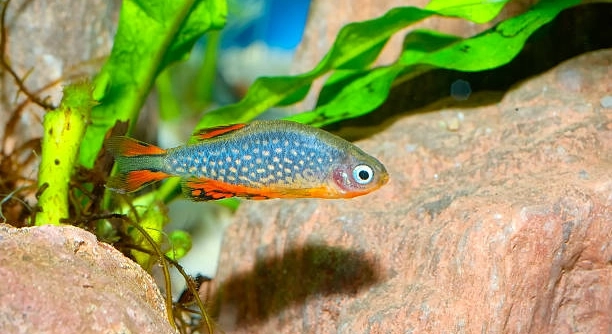
Do you ever find yourself wondering where the best spot in your home is for a Danio tank? Setting up the right location can improve both the fish’s health and your enjoyment of the aquarium.
The ideal placement for a Danio tank involves choosing a location with stable temperature, indirect lighting, and minimal disturbances. Proper positioning reduces stress, promotes natural behavior, and ensures the aquatic environment remains clean and safe for the fish.
Finding the perfect place may seem simple, but each room offers different advantages and challenges for your Danio tank setup. The following suggestions will help you make the most of your home space.
Living Room Placement
The living room can be an excellent spot for a Danio tank. It offers ample space and natural light without being directly exposed to the sun, which helps prevent excessive algae growth. Placing the tank near seating areas allows you to enjoy watching the fish while relaxing. Make sure it is positioned away from heating vents or air conditioners, as sudden temperature changes can stress the fish. A stable, quiet corner works best, as Danios are active but can be startled by frequent loud noises. Keeping the tank slightly elevated also makes it easier to maintain and reduces the risk of accidental bumps. You can add decorations and plants to make the aquarium visually appealing while creating hiding spots for the fish. Regular observation from a convenient location helps you notice changes in behavior or water quality quickly, ensuring the health of your Danios over time.
Living rooms offer both accessibility and visibility, making tank care easier and more enjoyable.
Choosing the right living room corner balances aesthetics and functionality. The tank should avoid direct sunlight to prevent overheating and excessive algae growth. Keep it away from high-traffic areas to reduce stress on the fish, while still allowing you to enjoy watching their activity. Elevating the tank slightly aids in maintenance and provides a better viewing angle. Decorate with plants and hiding spots to mimic a natural environment. Proper placement in the living room ensures both the fish’s wellbeing and a visually pleasing addition to your home.
Bedroom Placement
A bedroom can provide a calm environment for a Danio tank.
Placing a tank in the bedroom requires careful consideration of noise from filters and lights. Danios need consistent conditions, so avoid locations near windows that experience temperature fluctuations. Use dim lighting during the night to prevent disruption to the fish’s day-night cycle. The tank should be accessible for routine maintenance without disturbing sleeping areas. A small to medium-sized tank works best to fit the bedroom space comfortably. Bedrooms offer quiet surroundings, which reduce stress for the fish and create a peaceful atmosphere for observation. Ensuring proper filtration and regular water checks will keep the tank clean and healthy. Maintaining a consistent temperature and avoiding sudden changes will promote stable behavior and prevent illness in your Danios. With thoughtful placement, the bedroom can become a serene spot for both you and your aquatic pets, blending functionality with a sense of tranquility.
Home Office Placement
A home office provides a quiet and controlled environment for a Danio tank. It allows you to monitor the fish regularly while working, and the consistent indoor conditions help maintain stable water temperature and overall tank health.
Position the tank away from direct sunlight and windows to prevent overheating and algae growth. Place it on a sturdy surface to avoid vibrations that could stress the fish. A moderate-sized tank fits well in an office without taking up too much space. Regular maintenance is easier in this area since it is easily accessible, and observing the fish can provide a relaxing break during work. Adding simple decorations and low-maintenance plants improves the tank’s aesthetics while giving Danios places to explore. Ensuring the office remains calm and undisturbed minimizes stress, supporting healthy fish behavior.
Filters and lights should be quiet and unobtrusive in the office. Consistency in temperature, lighting, and water quality is crucial.
Kitchen Placement
Kitchens can work for a Danio tank if placed carefully. Avoid areas near cooking heat or splashes, and choose a location that is easily visible but safe from daily activity.
Ensure the tank is on a stable surface away from stoves, ovens, or sinks to protect the fish from temperature fluctuations and spills. A medium-sized tank works best, providing space for active swimming without crowding the kitchen area. Install a secure lid to prevent accidents and maintain water quality. The kitchen lighting can complement the tank, but indirect light is essential to prevent algae growth. Regular maintenance is easier when the tank is accessible yet separate from food preparation areas. Adding simple plants and decorations creates a natural habitat for the Danios, allowing them to swim comfortably. With mindful placement, the kitchen can support a healthy and attractive aquarium while blending with the room’s functionality.
Hallway Placement
A hallway can be a practical spot for a Danio tank if space allows. It provides a quiet, low-traffic area, which helps reduce stress for the fish while still allowing you to enjoy their movement regularly.
Place the tank against a wall to prevent accidental bumps. Ensure it is on a stable surface and away from doors that might cause drafts. Low-level lighting works best to avoid disturbing the fish and to control algae growth. Hallways typically offer consistent indoor temperatures, supporting a stable environment. Minimal decorations with a few plants keep the tank simple and easy to maintain. Accessibility for routine cleaning is essential. This placement balances visibility with calm conditions, promoting healthy behavior for your Danios.
Bathroom Placement
Bathrooms can support a Danio tank if humidity and temperature are stable. Avoid placing it near showers or sinks to prevent sudden water temperature changes that could stress the fish. Bathrooms often provide quiet, low-traffic conditions, which can be ideal for maintaining calm behavior. Proper ventilation is necessary to reduce excess humidity that may affect tank equipment. A small to medium-sized tank fits comfortably in most bathrooms, allowing for easy maintenance. Indirect lighting prevents algae overgrowth, and simple plants and décor create a natural environment. Regular monitoring ensures water quality remains high, keeping the Danios healthy and active.
Dining Room Placement
Dining rooms offer open, visible spaces that can highlight a Danio tank while keeping it out of direct sunlight.
Position the tank on a sturdy surface to prevent accidents and maintain a stable environment.
FAQ
What is the best lighting for a Danio tank?
Danios thrive under moderate, indirect lighting. Avoid direct sunlight as it can overheat the water and promote algae growth. LED or fluorescent lights work well, providing consistent illumination without generating excessive heat. A lighting schedule of 10 to 12 hours per day mimics a natural day-night cycle, supporting healthy fish behavior.
How often should I clean my Danio tank?
Routine cleaning is essential. Partial water changes of 20–25% every week or two help maintain water quality. Remove uneaten food and debris from the substrate regularly to prevent bacterial buildup. Filters should be checked monthly and cleaned according to manufacturer instructions, ensuring they operate efficiently without disturbing beneficial bacteria.
Can Danios live with other fish?
Yes, Danios are generally peaceful and can live with other small, non-aggressive species. Ideal tank mates include tetras, guppies, and small rasboras. Avoid larger or aggressive fish that may nip at their fins. Ensure the tank is spacious enough to provide hiding spots and swimming room for all species.
What tank size is suitable for Danios?
A minimum 10-gallon tank is recommended for a small group of Danios. Larger tanks are better, especially if keeping multiple fish or adding other species. Adequate space allows for natural swimming patterns and reduces stress. A well-planted tank with open swimming areas and decorations provides both activity and shelter.
How do I maintain water temperature for Danios?
Danios prefer water between 65–75°F (18–24°C). Use a reliable aquarium heater if temperatures drop below this range. Avoid placing the tank near heating vents or air conditioners, which can cause sudden fluctuations. Consistent temperature prevents stress and supports the immune system of the fish.
What should I feed Danios?
Danios eat a variety of foods, including high-quality flakes, frozen or live foods such as brine shrimp, daphnia, or bloodworms. Feed small portions 1–2 times daily. Remove any uneaten food after a few minutes to prevent water contamination and maintain a clean environment.
How can I prevent algae growth?
Algae can be controlled with moderate lighting, regular water changes, and proper filtration. Avoid overfeeding, as excess nutrients contribute to growth. Live plants can compete with algae for nutrients and improve water quality. Small snails or algae-eating fish may also help keep it in check.
How do I handle a sick Danio?
If a Danio shows unusual behavior, discoloration, or loss of appetite, isolate it in a quarantine tank. Test water quality for ammonia, nitrites, and pH levels. Treat with appropriate medication based on the symptoms, following dosage instructions carefully. Early intervention improves recovery chances.
Can Danios tolerate different water conditions?
Danios are hardy but prefer slightly soft to moderately hard water with a neutral pH of 6.5–7.5. Sudden changes in water parameters can stress the fish, so acclimate them gradually when moving to a new tank. Regular monitoring ensures stability and promotes long-term health.
Is it necessary to decorate the tank?
Decorations provide hiding spots, reduce stress, and create a more natural environment. Use smooth rocks, plants, and small ornaments that do not have sharp edges. Avoid overcrowding the tank, leaving open swimming areas for active Danios. A well-arranged tank improves both fish behavior and visual appeal.
How many Danios should I keep together?
Danios are schooling fish and thrive in groups of at least 5–6. Smaller numbers may lead to stress and aggressive behavior. Larger groups increase activity and natural behavior, making the tank more lively. Ensure the tank size supports the number of fish comfortably.
Can I place a Danio tank near electronics?
It is best to avoid placing tanks near televisions, speakers, or other electronics that emit vibrations. Constant vibrations or noise can stress Danios and disrupt their normal activity. A calm, stable environment is ideal for both fish health and enjoyment of the tank.
How often should I test the water?
Test water weekly for ammonia, nitrites, nitrates, and pH levels. Consistent monitoring helps detect early issues before they affect fish health. Reliable test kits provide accurate readings and help guide water changes and other maintenance tasks. Proper water testing ensures a stable, safe environment.
Can Danios jump out of the tank?
Yes, Danios are active swimmers and may jump when startled. Always use a secure lid or cover to prevent accidents. Ensure any openings for filters or feeding are also covered. A covered tank protects the fish while maintaining proper ventilation and accessibility.
Do Danios need a filter?
A filter is essential for maintaining clean water, oxygenation, and a stable environment. It removes waste, reduces toxins, and supports beneficial bacteria. Choose a filter appropriate for the tank size, ensuring it operates quietly and efficiently. Regular maintenance keeps it functioning properly.
How long do Danios live?
Danios can live 3–5 years on average with proper care, sometimes longer in ideal conditions. Consistent water quality, a balanced diet, and a stress-free environment contribute to longevity. Monitoring their health regularly helps identify and address any potential issues early.
Can I keep Danios in a small tank?
While they are hardy, small tanks limit swimming space and can increase stress. A minimum of 10 gallons is recommended for a small group, with larger tanks preferred for multiple fish or added species. Proper filtration and maintenance are crucial in smaller setups.
Are Danios active during the day or night?
Danios are diurnal, meaning they are most active during the day. Proper lighting and a regular day-night cycle support natural behavior. Nighttime darkness allows them to rest, reducing stress and maintaining overall health. Consistent lighting schedules encourage normal swimming and feeding patterns.
How do I acclimate new Danios?
Float the bag in the tank for 15–20 minutes to equalize temperature. Gradually mix tank water into the bag over 30–45 minutes to adjust pH and hardness. Then gently release the fish into the tank, minimizing stress and shock. Proper acclimation reduces risk of illness.
What are signs of a happy Danio?
Active swimming, vibrant colors, and regular feeding indicate a healthy, happy Danio. They interact with other fish in the group and explore the tank freely. Calm, smooth movements without hiding excessively reflect comfort in their environment. Observing these behaviors helps assess tank conditions.
Can Danios live without live plants?
Yes, Danios can live without live plants if the tank provides hiding spots and proper filtration. However, live plants improve water quality, offer natural shelter, and encourage natural behavior. They can enhance the overall health and visual appeal of the aquarium, benefiting both fish and keeper.
How do I prevent stress in Danios?
Provide a stable environment with consistent temperature, lighting, and water quality. Avoid sudden movements, loud noises, and overcrowding. Include hiding spots and swimming space. Regular observation helps identify stress early, allowing corrective measures to maintain fish health and activity.
Is it necessary to feed live food?
Live food is not required but can supplement a balanced diet. Frozen or high-quality flake foods meet nutritional needs. Occasional live food provides enrichment and encourages natural hunting behavior, promoting activity and well-being. Rotate food types for variety and proper nutrition.
Can Danios tolerate other water pets?
Danios coexist well with small, non-aggressive species. Avoid large or predatory fish that may stress or harm them. Aquatic snails and shrimp may also live peacefully in the tank, provided space and hiding areas are sufficient. Compatibility ensures a harmonious tank environment.
How do I encourage breeding?
Provide a well-planted tank with stable water conditions. Slightly cooler water and frequent small feedings can trigger spawning. Use a separate breeding tank to protect eggs and fry from adult fish. Proper nutrition and environmental stability increase success rates.
Are Danios sensitive to temperature changes?
Danios tolerate slight variations but sudden shifts can cause stress or illness. Keep temperature stable between 65–75°F. Avoid placement near drafts, heaters, or direct sunlight. Consistency supports health, behavior, and overall longevity in the tank.
What is the ideal pH for a Danio tank?
A neutral pH around 6.5–7.5 is ideal. Sudden changes can stress the fish and impact health. Monitor pH regularly, and adjust gradually using water conditioners if needed. Stable pH promotes proper biological functions and overall well-being.
Can I keep Danios in a community tank?
Yes, they integrate well with other peaceful species. Ensure the tank is large enough, provide hiding spots, and avoid aggressive fish. Proper planning and monitoring prevent conflicts and maintain a healthy, active community aquarium.
How often should I change the filter media?
Filter media should be rinsed in tank water monthly and replaced according to the manufacturer’s instructions. This maintains efficient filtration without disrupting beneficial bacteria. Proper care ensures clean water and a healthy environment for the Danios.
Can Danios tolerate tap water?
Yes, if treated properly. Tap water should be conditioned to remove chlorine, chloramine, and heavy metals. Testing for pH and hardness ensures it falls within safe parameters. Proper preparation prevents stress and maintains fish health.
Do Danios need a lid on their tank?
A lid prevents jumping, reduces evaporation, and protects water quality. Ensure it allows ventilation for gas exchange and easy feeding. Proper coverage keeps fish safe and maintains stable tank conditions.
Can I keep Danios with goldfish?
It is not recommended. Goldfish are larger, produce more waste, and have different temperature requirements, which can stress Danios. A separate tank ensures optimal conditions for both species.
How do I prevent fin damage in Danios?
Avoid sharp decorations, aggressive tank mates, and overcrowding. Provide swimming space and hiding spots. Regular monitoring helps detect early signs of damage or disease, allowing corrective action. Safe environments support healthy fins and overall wellbeing.
Can Danios tolerate cold water?
They tolerate slightly cooler water but should not be exposed to temperatures below 60°F for extended periods. Consistent moderate temperatures support activity, immune function, and longevity. Sudden drops should be avoided.
How do I treat cloudy water?
Cloudy water often results from overfeeding, bacterial blooms, or insufficient filtration. Perform partial water changes, clean the substrate, and check filter performance. Avoid overfeeding and maintain proper tank hygiene to prevent recurrence.
What decorations are safe for Danios?
Smooth rocks, driftwood, and plastic or live plants are safe. Avoid sharp edges, toxic materials, or overcrowding. Safe decorations reduce stress, prevent injury, and create a natural environment for swimming and hiding.
How can I tell if water quality is good?
Clear water, stable pH, low ammonia, nitrites, and manageable nitrates indicate good quality. Fish should display normal behavior, active swimming, and healthy coloration. Regular testing and observation are key to maintaining optimal conditions.
Do Danios need companions?
Yes, they are schooling fish and thrive in groups. Solitary Danios can become stressed or display abnormal behavior. Maintaining a group of at least five ensures natural behavior, activity, and overall well-being.
Can Danios live in cold climates?
They can live indoors in controlled aquariums even in cold climates. Proper heating and insulation ensure stable water temperatures year-round, supporting health and activity. Avoid exposure to drafts or sudden cold changes.
What is the most common health issue for Danios?
Stress from poor water quality or overcrowding often leads to illness. Symptoms include clamped fins, lethargy, and loss of appetite. Maintaining stable conditions, regular cleaning, and proper nutrition prevent most common problems.
How often should I feed my Danios?
Feed small portions 1–2 times daily. Overfeeding can harm water quality, while underfeeding affects health. Monitor consumption and remove uneaten food to maintain a clean tank and balanced diet.
Do Danios need a heater in warm climates?
In consistently warm indoor conditions, a heater may not be necessary. However, monitor temperature to ensure it stays within 65–75°F. Sudden drops can cause stress and illness, so maintaining stability is essential.
Can Danios live with bettas?
Caution is advised. Bettas can be aggressive toward active schooling fish like Danios. Only attempt if the tank is large, with hiding spots and careful observation. Monitor interactions closely to prevent stress or injury.
How do I know if Danios are stressed?
Signs include hiding, clamped fins, erratic swimming, and reduced appetite. Stress can result from poor water quality, sudden changes, or incompatible tank mates. Early detection allows corrective measures to restore well-being.
Are Danios good for beginners?
Yes, they are hardy, adaptable, and require basic care. With proper tank setup, feeding, and monitoring, beginners can successfully maintain healthy, active Danios in home aquariums.
Can I keep Danios in a tank with live plants?
Yes, live plants improve water quality, offer hiding spots, and reduce stress. They create a natural environment, enhance aesthetics, and contribute to a balanced aquarium ecosystem. Proper planting ensures space for swimming and easy maintenance.
How long should lights stay on for Danios?
Lights should be on 10–12 hours per day to mimic natural day-night cycles. This supports healthy activity, feeding, and natural behavior. Dim or turn off lights at night to allow rest and reduce stress.
Is water movement important for Danios?
Moderate water movement is beneficial, as Danios enjoy swimming in currents. It improves oxygenation and prevents stagnant areas. Avoid strong currents that may tire or stress the fish. Proper filtration and flow balance support healthy behavior.
Can Danios tolerate tap water without treatment?
No, untreated tap water may contain chlorine, chloramines, or heavy metals. Always condition water before adding fish to ensure safety and prevent stress or illness. Proper preparation is essential for a healthy tank.
How do I prevent fin rot?
Maintain clean water, avoid overcrowding, and ensure proper nutrition. Quarantine new fish and monitor behavior. Early detection and treatment of damage prevent infection. A stable, stress-free environment is crucial to prevent fin rot.
Are Danios suitable for small apartments?
Yes, as long as the tank is appropriately sized and maintained. Their small size, active behavior, and hardiness make them ideal for indoor living spaces where careful placement and maintenance are possible.
Can I add snails or shrimp with Danios?
Yes, small snails or shrimp are compatible. Ensure there is enough space, hiding spots, and proper feeding. They can coexist peacefully, adding diversity to the tank without stressing the Danios.
What is the best way to feed Danios in a community tank?
Feed small portions spread across the tank to ensure all fish receive nutrition. Remove uneaten food to prevent water quality issues. Observing feeding habits helps maintain health and prevents aggressive behavior during meals.
Can Danios tolerate tap water with high hardness?
They tolerate moderate hardness but prefer soft to moderately hard water. Gradually adjust water conditions and monitor fish behavior to avoid stress or health issues. Stable water parameters are more important than exact hardness values.
Do Danios need a sand or gravel substrate?
Either works, but smooth gravel or sand is preferred. It allows safe foraging and prevents injury. Avoid sharp or rough substrates that can damage fins or scales. Proper substrate supports tank health and fish behavior.
Are Danios sensitive to chemicals?
Yes, they are sensitive to chlorine, heavy metals, and medications. Always use water conditioners and follow dosage instructions carefully. Avoid household chemicals near the tank to prevent accidental contamination.
How do I prevent overpopulation in a Danio tank?
Control breeding by separating males and females if necessary or limiting breeding conditions. Regular monitoring of tank population ensures space and resources remain adequate for all fish. Proper planning prevents overcrowding and stress.
Can Danios adapt to new tanks quickly?
They are hardy and usually adapt well with gradual acclimation. Floating the bag, slowly mixing tank water, and minimizing sudden changes reduce stress and improve survival. Observation during the first few days ensures proper adjustment.
What is the ideal water flow for Danios?
Moderate flow is best. It keeps water oxygenated and allows active swimming without overwhelming the fish. Avoid strong currents, which may tire or stress Danios. Proper flow supports healthy movement and behavior.
How do I treat cloudy water from bacterial bloom?
Partial water changes, reducing feeding, and checking filter efficiency can clear bacterial blooms. Avoid overcleaning beneficial bacteria. Cloudiness usually resolves within a few days if conditions are balanced. Consistent maintenance prevents recurrence.
Can Danios live with cichlids?
It is not recommended. Cichlids can be aggressive and may harm smaller Danios. A separate tank ensures safety and reduces stress for all fish.
Do Danios need a varied diet?
Yes, combining flakes, frozen foods, and occasional live foods ensures balanced nutrition. Variety supports growth, health, and vibrant coloration. Consistent feeding schedules maintain proper metabolism and reduce stress.
Are Danios hardy fish?
Yes, they tolerate a range of conditions, including moderate temperature and water variations. They are suitable for beginners but still require consistent care to thrive long-term.
How do I acclimate Danios to different water parameters?
Gradually mix new tank water with the bag water over 30–45 minutes. Slowly introduce the fish to prevent shock from pH, hardness, or temperature differences. Proper acclimation ensures healthy adaptation.
Can Danios tolerate low oxygen levels?
They need well-oxygenated water. Moderate filtration and surface agitation help maintain oxygen levels. Low oxygen can cause stress and reduce activity. Proper aeration supports health and vitality.
Do Danios need a heater in winter?
Yes, if indoor temperatures drop below 65°F. Stable warmth prevents stress and maintains normal behavior. A small heater with a thermostat ensures consistent conditions.
Can Danios coexist with African dwarf frogs?
Yes, they are generally compatible. Ensure enough space, hiding areas, and appropriate water conditions. Monitor interactions to prevent accidental stress or injury.
Are Danios schooling fish?
Yes, they require groups of at least five. Schooling behavior reduces stress, encourages activity, and reflects natural behavior. Isolated Danios may become stressed or exhibit abnormal activity.
How do I prevent aggression among Danios?
Keep adequate numbers and space. Avoid overcrowding or mixing incompatible species. Provide hiding spots and maintain stable water conditions. Proper care reduces competition and stress.
Can Danios tolerate low light conditions?
They prefer moderate lighting. Low light is acceptable but may reduce activity and color vibrancy. Balanced lighting supports normal behavior and plant growth in the tank.
Do Danios need a lid during transportation?
Yes, a secure lid prevents jumping and keeps water contained. Ensure proper ventilation during transport to maintain oxygen levels. Safe
Final Thoughts
Placing a Danio tank in your home requires thought and planning to ensure the fish remain healthy and active. Choosing a location with stable temperature, consistent lighting, and minimal disturbances is essential. Danios are active swimmers, so they need enough space to move freely and explore their environment. Areas near heating vents, direct sunlight, or heavy foot traffic should be avoided, as sudden temperature changes or constant vibrations can stress the fish. A quiet, controlled space allows the tank to maintain water quality and provides a calm environment, which is key for reducing stress and encouraging natural behavior. Additionally, accessibility is important. You will need to perform routine maintenance such as partial water changes, filter cleaning, and checking water parameters. Selecting a spot that is easy to reach ensures these tasks can be done consistently, supporting the long-term health of the fish. Considering both the wellbeing of the Danios and the practical aspects of tank care helps make the aquarium a positive addition to your home.
The size and layout of your chosen space should also guide your placement decision. Larger tanks require stronger surfaces and more room for decorations, plants, and open swimming areas. Even small tanks benefit from thoughtful positioning, as cramped or poorly placed aquariums can limit swimming space and increase stress. Decorations and plants not only enhance visual appeal but also provide hiding spots and enrichment, which contributes to the fish’s overall wellbeing. Careful attention to water circulation and filtration ensures a stable environment, while consistent lighting supports natural day-night cycles. The tank should be situated where you can observe the fish comfortably, allowing you to monitor behavior, appetite, and overall health. Whether in the living room, bedroom, office, or kitchen, the goal is to balance aesthetics with the practical needs of the Danios. Thoughtful placement allows you to enjoy watching the fish while keeping them safe, healthy, and comfortable in their aquatic home.
Long-term success with a Danio tank relies on regular care and observation. Consistent water quality, temperature, and feeding routines prevent common health issues and ensure the fish remain active and vibrant. Selecting the right location is just the first step in responsible tank ownership, but it sets the foundation for a thriving aquarium. Small adjustments to placement, lighting, or décor can have significant effects on the fish’s behavior and stress levels. A well-placed tank allows the Danios to display their natural activity, swim freely, and interact with one another, creating an engaging and dynamic scene. Careful consideration of both environmental factors and maintenance requirements ensures that the aquarium is not only visually pleasing but also a stable, safe home for the fish. Properly planned placement benefits both the fish and the owner, making the aquarium an enjoyable and harmonious feature in your home. With attention to detail and consistent care, a Danio tank can thrive in any suitable indoor space, providing long-term satisfaction and a healthy, lively habitat for your aquatic pets.

Hello,
If you enjoy the content that we create, please consider saying a "Thank You!" by leaving a tip.
Every little bit helps us continue crafting quality advice that supports the health, happiness, and well-being of pets around the world, for pets of all shapes, sizes, and species.
We really appreciate the kindness and support that you show us!