
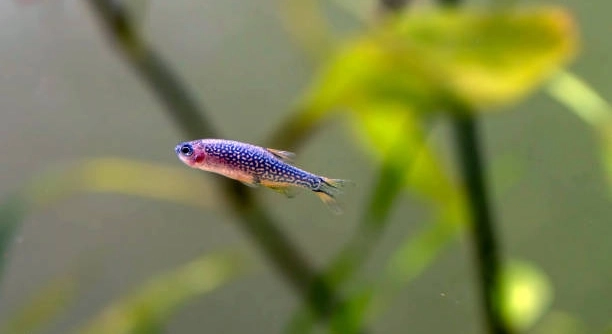
Have you watched your celestial pearl danios rush toward their food as they nibble eagerly, creating a lively moment that makes you think about how much these fish can consume during their daily feeding routine.
Overeating in celestial pearl danios can lead to digestive strain, reduced mobility, and increased waste in the tank. Excessive food intake disrupts metabolic balance, promotes obesity, and elevates stress levels, ultimately compromising health and long term vitality in these species.
Knowing the effects of overeating helps guide feeding practices and supports a stable environment that keeps celestial pearl danios thriving.
Why Overeating Affects Their Behavior
Celestial pearl danios may look delicate, yet their behaviors change quickly when they take in more food than their bodies can manage. I have noticed how a peaceful tank can shift once feeding habits become inconsistent because these small fish respond fast to nutritional excess. Overeating places pressure on their organs, slows their movements, and encourages them to hide more often as they struggle to process what they consumed. These shifts can create subtle tension within the group since danios rely on steady patterns to feel secure in their surroundings. When their bodies work harder to handle extra food, they lose some of their natural spark, and their usual active swimming patterns become interrupted. Understanding how quickly these changes appear helps highlight the importance of providing balanced portions that match their daily needs. A consistent feeding approach supports their comfort and keeps their behavior steady from day to day daily.
Balanced feeding helps reduce stress in celestial pearl danios by giving them manageable portions that support stable digestion without overwhelming their small bodies. Keeping meals simple allows them to maintain steady energy while avoiding the discomfort that often comes with excessive intake in confined aquatic spaces during their normal routines.
Overeating can also influence how celestial pearl danios interact with their surroundings because extra food contributes to faster waste accumulation that alters water quality. When the tank environment becomes unstable, these fish react with heightened sensitivity, making them less social and more prone to stress. A careful feeding schedule is essential because it reduces unnecessary strain on the filtration system and keeps the water parameters within a comfortable range. By controlling portions, you help these small fish maintain their natural rhythm, encouraging consistent movement and calm behavior throughout the day while supporting the overall stability of their habitat each day.
How Feeding Habits Shape Their Environment
Feeding smaller portions throughout the day can prevent the buildup of uneaten food that affects water clarity and general tank stability. This simple adjustment supports healthier digestion and keeps celestial pearl danios comfortable while limiting the stressful fluctuations that often appear when food accumulates quickly in their small aquatic home.
Maintaining a healthy feeding routine for celestial pearl danios requires consistent attention because these fish react quickly to environmental changes. Overfeeding not only impacts their digestion but also influences the stability of the water they depend on. When food breaks down, ammonia levels rise and place additional pressure on the biological filtration system. This creates fluctuations that can leave the fish unsettled as they struggle to adapt to rapidly changing conditions. A thoughtful feeding method begins with observing how much food they finish within a few minutes, then adjusting portions to match their natural pace. Giving them small amounts at controlled intervals prevents leftover particles from sinking into the substrate where they continue to affect water balance. These measures support a cleaner tank and reduce the likelihood of stress related behaviors. Over time, steady feeding habits help maintain their bright colors and smooth swimming patterns while preserving the overall harmony of the aquarium. With consistent care, celestial pearl danios display stronger health, improved activity, and a more relaxed presence that reflects the benefits of a stable environment managed with attention to their needs. These mindful routines create lasting balance that supports vibrant behavior across all seasons within their aquatic setting.
Signs of Overeating in Celestial Pearl Danios
Celestial pearl danios often show clear indications when they have consumed too much, and these shifts can appear quickly. You may notice slower swimming, subtle bloating, reduced interest in movement, and a slight heaviness that disrupts their usual calm and steady activity within the tank.
These physical changes become more noticeable when their bodies struggle to manage excess food. The abdomen may appear rounded for longer periods, and their normally coordinated movements can seem less controlled. Overeating also causes mild digestive discomfort that encourages them to rest more often instead of exploring their surroundings. Paying attention to these early signs helps prevent further strain on their small systems.
Behavioral changes are equally important to observe because celestial pearl danios react strongly to internal stress. Some may isolate themselves or remain near the bottom of the tank. Others may lose interest in social interaction, leading to subtle tension within the group. Watching these responses ensures quicker adjustments to feeding patterns.
Preventing Overeating Through Proper Feeding Techniques
Smaller portions offered at controlled times help maintain balance for celestial pearl danios. Their quick metabolism responds well to measured feedings that avoid overwhelming their digestive systems. This simple approach also reduces the buildup of leftover particles that disrupt the water conditions they depend on for daily comfort.
A consistent feeding schedule supports healthier habits, and observing how fast they consume their meals helps guide proper adjustments. When food is offered in small amounts that match their natural pace, celestial pearl danios maintain smoother digestion and steadier energy levels. This reduces the risk of bloating, sluggish behavior, and stress linked to a cluttered tank. Careful feeding also limits ammonia spikes that develop when unused food breaks down. Maintaining this balance strengthens their overall health, preserves their bright colors, and helps them stay active throughout the day. Steady routines provide the structure they need to thrive in a controlled environment that supports both their physical well being and their natural group patterns.
The Impact of Tank Conditions on Overeating
Poor water quality can encourage celestial pearl danios to eat irregularly because unstable conditions increase their stress levels. When the environment becomes uncomfortable, they may eat excessively as a response to constant tension, which places more pressure on their already sensitive systems.
A crowded tank can also influence their feeding habits because competition encourages faster eating. This behavior leads to consuming more than necessary, especially when food is offered in larger portions. Managing space and maintaining stable conditions helps reduce this pattern and keeps their routine more consistent.
How Overeating Affects Long Term Health
Excessive food intake gradually affects the internal health of celestial pearl danios by placing persistent strain on their digestive organs. Over time, this disrupts nutrient absorption and makes them more susceptible to discomfort that interferes with normal movement and energy. Continual overeating also encourages fat buildup, which slows their activity and influences their natural group interactions. When the tank environment becomes more polluted from leftover food, their bodies work harder to adapt to shifting conditions. These ongoing stressors weaken their immune response and reduce their resilience. Proper feeding routines help protect their long term well being by minimizing these risks and keeping their systems steady.
Establishing a Consistent Feeding Routine
A simple feeding plan provides the structure celestial pearl danios need to stay comfortable and maintain steady health. Consistency supports predictable behavior and keeps their digestion running smoothly, reducing unnecessary pressure on their bodies while preventing overeating in their shared aquatic space.
FAQ
How can I tell if my celestial pearl danios are eating more than they should?
You can often recognize overeating by observing gradual changes in their appearance and behavior. A slightly rounded belly that lasts longer than normal is one of the clearest indicators. Their movements may appear slower, and they might spend more time resting instead of swimming in their usual gentle patterns. Some danios may also become less social, choosing quiet corners of the tank where they can stay still for extended periods. These reactions show that their bodies are under strain, and noticing these early signs helps prevent ongoing discomfort.
Why does overeating cause so much stress for celestial pearl danios?
These small fish have sensitive systems that respond immediately to imbalances. When they consume too much, their organs work harder to manage the excess food, leading to internal pressure that affects their overall comfort. This strain reduces their natural agility and influences how they interact with their group. In addition, leftover food in the tank changes water conditions, which adds environmental stress. When these factors combine, celestial pearl danios become overwhelmed both internally and externally, creating a cycle that continues unless feeding habits are adjusted.
Can water quality worsen overeating habits in celestial pearl danios?
Unstable water conditions often influence feeding behavior because fish react strongly to stress. When ammonia rises or the tank becomes cloudy from excess waste, they may eat less efficiently or overeat due to heightened tension. A disrupted environment affects their sense of safety, making their responses unpredictable. Keeping the water clean and stable reduces these triggers and supports calmer feeding patterns. Maintaining proper filtration and performing regular water changes helps ensure they remain relaxed during feeding times and reduces the risk of excessive intake.
What type of food is best for preventing overeating?
Danios benefit from small, manageable foods that match the size of their mouths and digestive capacity. Flakes that crumble easily, tiny pellets, and small live or frozen options like daphnia or baby brine shrimp work well. Providing variety helps meet their nutritional needs without overwhelming their system. These foods allow you to offer measured portions that they can finish quickly. By choosing items that encourage controlled eating, you help them maintain a steady rhythm during feeding, reducing the chance of buildup in their digestive tract.
How often should celestial pearl danios be fed to reduce overeating risks?
Feeding them once or twice a day in small quantities supports healthy digestion. These fish thrive when given portions they can finish within a couple of minutes. Offering too much at once encourages fast eating and leads to extra particles drifting into the tank. By keeping meals brief and consistent, you allow their bodies to process food more comfortably. This approach also keeps them energized without adding unnecessary pressure to their system.
Does tank size affect how much celestial pearl danios eat?
Tank size can influence feeding habits because smaller spaces often amplify stress. When fish feel cramped, they compete more aggressively and may eat quickly to secure food before others can take it. This creates patterns that lead to accidental overeating. A spacious tank with enough room for smooth swimming gives them more confidence during mealtimes. Spreading food gently across the surface or different areas also reduces pressure and encourages more balanced eating.
What should I do if I notice persistent bloating in one of my danios?
If bloating continues for more than a day, reduce feeding portions and observe how the fish behaves. Giving their system time to rest helps ease mild digestive strain. Check the tank’s cleanliness to ensure that water quality is not adding additional stress. Keeping the environment steady makes it easier for them to recover. If the bloating becomes severe or the fish begins isolating itself frequently, adjusting feeding habits further is important. A stable routine and gentle oversight usually help them return to normal comfort.
Can celestial pearl danios recover fully after a period of overeating?
They usually bounce back well when feeding routines are corrected and the tank remains stable. Their small bodies adapt quickly once the pressure is reduced. Giving them smaller portions and watching for behavior changes encourages steady improvement. When the environment stays clean, their colors brighten again, and their movements become more fluid. Supporting these conditions allows them to regain their natural rhythm without long lasting effects.
Final Thoughts
Caring for celestial pearl danios becomes much easier when you understand how sensitive they are to changes in their feeding routine. These small fish depend on steady habits that keep their bodies comfortable and their environment stable. Overeating may seem harmless at first, but the effects build slowly and start to interfere with their natural patterns. I have seen how quickly their behavior shifts when they eat more than they need, and those subtle signs are important to notice. A rounded belly, slower movement, or a quiet moment in a corner can all signal that their system is working harder than usual. Paying attention to these details helps support their comfort and prevents the stress that often develops when food becomes a source of strain. Keeping their surroundings clean and consistent encourages a healthier outlook for these delicate fish, giving them the structure they need to stay steady.
Balanced feeding practices offer the clearest path toward maintaining their long term well being. Smaller portions given at appropriate times limit the amount of waste produced in the tank, which helps keep the water stable. When food breaks down slowly, it affects every part of their environment, and celestial pearl danios react immediately when conditions shift. This is why controlling their meals is such an important part of their care. Their digestion works best with manageable amounts, and offering too much at once disrupts this balance. When they eat at a comfortable pace, their movements stay smooth, their colors remain bright, and their interactions with one another become more relaxed. A steady rhythm allows them to feel secure in their surroundings, and consistency supports their overall vitality. These efforts may seem small, but they have a meaningful impact on how well the fish adjust to daily life.
Understanding their needs also strengthens your connection with the tank as a whole. You learn to read their patterns more clearly, and those observations guide the choices you make for their care. Feeding is more than offering food, it is a daily moment that shapes their comfort, their health, and the stability of their shared home. When you approach their routine with simple, thoughtful steps, you create an environment that supports their natural behavior. This helps them move through the water with ease and remain calm within their group. Their well being depends on the balance you maintain in both food and surroundings. With consistent attention, celestial pearl danios thrive, and the tank becomes a more harmonious place for them to live.

Hello,
If you enjoy the content that we create, please consider saying a "Thank You!" by leaving a tip.
Every little bit helps us continue crafting quality advice that supports the health, happiness, and well-being of pets around the world, for pets of all shapes, sizes, and species.
We really appreciate the kindness and support that you show us!