
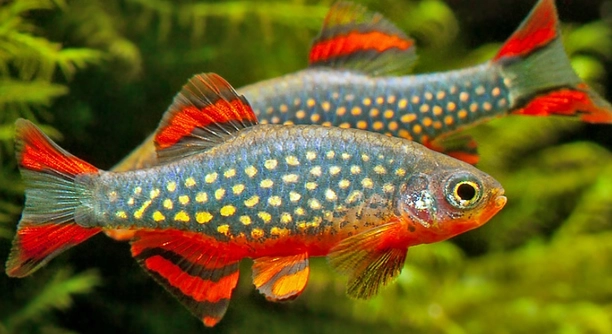
Have you ever wondered why your danios sometimes breed successfully while other times they do not? The process can be influenced by several environmental cues that affect their readiness to spawn. Understanding these cues can improve breeding outcomes.
Temperature, lighting, water quality, tank setup, diet, seasonal changes, and social interactions are the primary environmental cues that influence danio breeding. Each factor plays a significant role in stimulating spawning behavior and ensuring the health of both adults and offspring.
Knowing how these elements work together can make a significant difference in breeding success and overall fish well-being. Observing and adjusting them carefully yields better results.
Temperature and Its Role in Danio Breeding
Maintaining the right water temperature is crucial for danio breeding. These fish are sensitive to even slight fluctuations. Ideal temperatures usually range between 72°F and 78°F. If the water is too cold, their metabolism slows, reducing mating interest. Warmer water encourages activity but can also increase stress if it exceeds the recommended range. Temperature consistency is as important as reaching the right level. Sudden changes can cause shock and disrupt spawning patterns. Gradual adjustments, ideally 1–2°F per day, help simulate natural seasonal shifts and trigger breeding behavior. Using reliable heaters and thermometers ensures that the tank environment remains stable. Observing fish behavior can indicate whether temperature adjustments are effective, as active swimming and chasing are signs of readiness. A stable, appropriate temperature not only encourages breeding but also supports the overall health of adults and fry.
Temperature directly influences danio activity and readiness to spawn, making monitoring and control essential.
Even minor temperature mismanagement can halt breeding entirely. Stability supports metabolism, encourages natural behavior, and reduces stress that may otherwise affect fertility.
Lighting and Spawning Patterns
Lighting plays a critical role in signaling the breeding period. Danios respond to changes in daylight length.
Providing 12–14 hours of light daily helps replicate natural conditions. Using timers ensures consistent cycles. Bright, indirect lighting encourages activity without stressing the fish. Too little light can slow metabolism, while constant intense light may increase aggression. Adjusting light gradually can simulate seasonal changes, which often triggers spawning instincts. Observing the tank during different lighting periods can help identify the optimal cycle. Proper lighting also affects algae growth and plant health, indirectly supporting fry survival. Paired with temperature and water quality, light cycles create an environment that promotes regular, successful spawning. It’s important to consider both duration and intensity, balancing visibility with comfort for the fish. Consistency helps maintain circadian rhythms, encouraging predictable and healthier reproductive behavior.
Lighting impacts breeding readiness and overall tank health, requiring consistent, appropriate cycles for optimal spawning results.
Proper light cycles can mimic seasonal shifts, regulate fish behavior, and influence hormones that trigger mating. Adjusting intensity and duration ensures fish remain healthy while maximizing breeding potential. Observing reactions and making small, incremental changes provides the best outcomes without disrupting the tank ecosystem.
Water Quality
Clean water is essential for danio breeding. Poor conditions can stress fish and reduce fertility. Regular testing for pH, ammonia, nitrites, and nitrates helps maintain a safe environment. Frequent partial water changes keep parameters stable, which encourages spawning behavior.
Maintaining stable water parameters is crucial. Danios prefer a pH between 6.8 and 7.5, and ammonia and nitrite levels should remain at zero. Nitrate levels should be under 20 ppm. Using a reliable test kit allows precise monitoring. Regular partial water changes, about 20–30% weekly, help remove toxins and replenish minerals. Filters must be cleaned without disturbing beneficial bacteria. Soft water often suits danios better than hard water, but stability is more important than exact values. Gentle aeration ensures oxygen levels remain adequate, supporting healthy metabolism and activity. By keeping water quality consistent, fish are less stressed, more active, and more likely to breed successfully.
Water quality affects reproduction directly. Sudden spikes in toxins or pH shifts can inhibit spawning. Maintaining stable, clean water helps fish feel secure, encouraging natural breeding behavior. Consistency also supports fry survival and long-term adult health.
Tank Setup
Tank setup influences danio comfort and breeding success. Decorations, plants, and hiding spots create a secure environment.
Providing live plants or spawning mops gives females a place to lay eggs. Open swimming areas allow males to chase and display. Substrate type can impact egg survival; fine gravel or bare-bottom setups are easiest for collection. Tanks should have gentle filtration to prevent eggs from being disturbed. Avoid overcrowding; a proper male-to-female ratio of 2:1 reduces stress. Temperature, light, and water parameters should complement the setup. Observing fish interaction helps refine placement of plants or décor. Small adjustments can improve breeding success, as fish respond to both security and open space.
Proper tank setup balances hiding spots with open areas. It supports natural behavior, reduces stress, and maximizes spawning opportunities. Correct male-to-female ratios and suitable substrate improve egg collection and fry survival.
Diet and Nutrition
A balanced diet directly impacts danio breeding. High-quality flakes, live foods, and occasional frozen options provide essential nutrients for reproductive health.
Supplementing with protein-rich foods like brine shrimp or daphnia enhances energy levels and increases spawning frequency. Overfeeding should be avoided to maintain water quality and fish health.
Seasonal Changes
Seasonal shifts influence hormone cycles and spawning instincts. Slight adjustments in temperature and lighting can mimic natural seasonal cues.
Replicating seasonal patterns encourages natural breeding behaviors. Gradually increasing light duration and temperature in spring-like cycles signals readiness. Fish respond to these subtle changes by becoming more active and displaying mating behaviors. Environmental cues tied to seasons ensure better timing and higher success rates in spawning. Observing these shifts can help anticipate peak breeding periods, allowing for planned management of tank conditions and fry care. This approach aligns with natural reproductive rhythms and supports long-term health of both adults and offspring.
Social Interactions
Male-to-female ratios and group dynamics affect spawning. Aggression or overcrowding can reduce breeding success.
How often should I change the water when breeding danios?
Regular water changes are essential for maintaining stable conditions. A partial water change of 20–30% once a week is generally sufficient. This removes excess waste, helps maintain pH balance, and reduces toxin buildup. Overly frequent or large changes can stress the fish, so consistency is more important than volume.
What is the ideal male-to-female ratio for danio breeding?
A ratio of two males to one female is recommended. This encourages competition and displays among males without over-stressing the female. Too many males can lead to constant chasing, which may injure the female and reduce spawning success. Observing behavior helps ensure the balance is working.
Do danios need live plants to breed successfully?
Live plants or spawning mops provide necessary surfaces for egg-laying. They offer shelter for eggs and fry, reducing the chance of predation from adults. While not absolutely required, plants mimic natural conditions and encourage more natural spawning behavior, improving overall success.
How long does it take for danio eggs to hatch?
Danio eggs typically hatch within 24–36 hours under ideal conditions. Temperature plays a significant role, with warmer water speeding development slightly. After hatching, fry are tiny and need careful feeding with infusoria or finely crushed food to ensure survival. Monitoring water quality is critical during this stage.
Can I breed danios in a community tank?
Breeding in a community tank is possible but not ideal. Other fish may eat eggs or stress adults, reducing spawning success. Using a separate breeding tank increases control over conditions and protects eggs and fry, allowing for higher survival rates.
What water temperature triggers spawning in danios?
Temperatures between 72°F and 78°F are optimal. Slight increases can simulate spring conditions and encourage spawning. Consistency is crucial, as sudden fluctuations can stress the fish or delay breeding. Gradual adjustments help replicate natural seasonal changes, promoting reproductive behavior.
How important is diet for breeding success?
A nutrient-rich diet directly impacts fertility. Protein-rich live foods like brine shrimp or daphnia, combined with high-quality flakes or pellets, support egg development and male vitality. Avoid overfeeding to maintain water quality, as poor conditions can negatively affect spawning.
What should I do with eggs to increase fry survival?
Carefully removing eggs from the adult tank can prevent them from being eaten. Placing them in a separate container with gentle aeration and stable water parameters improves survival. Lightly adding antifungal treatments can reduce fungus growth, but avoid chemicals that may harm fry.
How do lighting conditions affect breeding?
Danios respond to light duration and intensity. Providing 12–14 hours of light per day helps mimic natural daylight cycles. Gradual adjustments to simulate seasonal changes encourage spawning instincts. Too little light can slow activity, while excessive brightness may stress the fish. Timers are useful for consistent cycles.
When should I separate fry from adults?
Fry should be separated once they are free-swimming and can feed independently, usually 3–5 days after hatching. Adults may eat tiny fry, so providing a safe space with proper food helps maximize survival rates. Gradual acclimation to tank conditions supports healthy growth and reduces stress.
Can overcrowding affect breeding?
Yes, overcrowding increases stress, aggression, and competition for resources. Maintaining appropriate stocking levels ensures fish remain healthy and active, increasing chances of successful spawning. Adequate space also allows natural behaviors like chasing and courtship without harming adults or eggs.
Do seasonal changes need to be simulated artificially?
Simulating seasonal shifts in temperature and lighting can improve breeding outcomes. Gradually increasing light duration and water temperature mimics spring conditions, triggering reproductive behavior. Sudden changes should be avoided, as they can stress fish or inhibit spawning altogether.
Is it necessary to remove uneaten food during breeding?
Yes, leftover food can decompose and harm water quality. Removing uneaten food promptly maintains clean conditions, reduces ammonia spikes, and prevents fungal or bacterial growth that could affect both adults and eggs. Clean water directly supports reproductive success and fry survival.
How can I tell if danios are ready to spawn?
Signs include increased chasing, vibrant coloration, and males displaying fins. Females may appear fuller with eggs. Observing these behaviors, along with proper temperature, light, and water quality, indicates readiness and helps time interventions like tank setup or egg protection.
What should I do if eggs are not hatching?
Check water quality, temperature, and light cycles first. Fungus can prevent hatching, so ensure eggs remain clean and aerated. If conditions are stable, the eggs may be infertile. Removing infected or unhatched eggs prevents contamination of healthy eggs and maintains overall tank health.
Breeding danios requires attention to several key factors that work together to create the right environment for successful spawning. Temperature, lighting, water quality, and diet all play essential roles, and each must be monitored carefully. Maintaining consistent conditions is critical, as sudden changes can stress the fish and reduce their interest in breeding. Small adjustments, such as gradually increasing water temperature or light duration, can help simulate natural seasonal patterns and encourage reproductive behavior. By paying attention to these environmental cues, breeders can create an environment that supports both adult health and the survival of eggs and fry.
Tank setup and social dynamics are also important elements in successful breeding. Providing live plants, spawning mops, or other hiding spots encourages natural behaviors and gives females a secure place to lay eggs. The layout should balance open swimming space with shelter, allowing males to display courtship behavior without overwhelming the females. Observing group interactions helps identify potential issues, such as aggression or overcrowding, and allows for adjustments in the male-to-female ratio or tank arrangement. Proper tank setup not only supports breeding success but also contributes to overall fish well-being, reducing stress and improving the likelihood of fry survival.
Patience and careful observation are essential throughout the breeding process. Understanding how each environmental cue affects behavior allows for small, targeted adjustments that improve outcomes. Monitoring water parameters, feeding a nutritious diet, and providing an appropriate tank environment all contribute to the success of breeding efforts. Protecting eggs and fry, whether by separating them from adults or maintaining clean, stable water conditions, ensures that the next generation develops safely. By combining careful management with consistent care, breeders can achieve more reliable and healthier results while supporting the long-term health of their danios. This approach creates a sustainable environment for successful reproduction and a thriving aquarium population.

Hello,
If you enjoy the content that we create, please consider saying a "Thank You!" by leaving a tip.
Every little bit helps us continue crafting quality advice that supports the health, happiness, and well-being of pets around the world, for pets of all shapes, sizes, and species.
We really appreciate the kindness and support that you show us!