
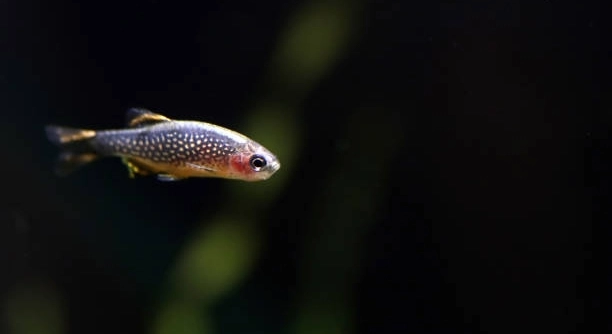
Are your danios suddenly ignoring their food and leaving you worried about their health? Skipping meals can happen for several reasons, and understanding their behavior is key to keeping your fish active and thriving in your tank.
One of the most effective ways to address a lack of appetite in danios is to assess water quality, temperature, and diet. Adjusting these factors can quickly restore feeding behavior and ensure proper nutrition for overall fish health.
Learning the causes and solutions for picky eating can make a big difference in your tank’s balance and your fish’s well-being. Simple adjustments often lead to faster, more consistent feeding habits.
Check Water Quality
Water quality has a huge impact on danios’ appetite. Poor water conditions can make fish stressed or sick, causing them to refuse food. Test ammonia, nitrite, and nitrate levels regularly, and make sure pH is stable. Keep the tank clean by removing uneaten food and debris. Frequent partial water changes help maintain healthy water parameters. Even small fluctuations in temperature or pH can affect feeding behavior. Filtration should be adequate, and ensure that it is running properly to remove waste. Oxygen levels also matter, so avoid overcrowding and keep plants and decorations from blocking water flow. Monitoring water quality consistently helps prevent many health issues that lead to loss of appetite. When fish feel safe in a clean environment, they are more likely to eat regularly and maintain good health. Small, consistent efforts in water maintenance pay off in healthier, more active danios that respond well to feeding.
Maintaining stable water conditions keeps danios healthy and encourages regular eating habits, reducing stress and supporting long-term vitality in the aquarium.
Proper water management not only improves feeding but also minimizes disease risks. Temperature, pH, and chemical balance all influence fish behavior. Even minor shifts in water parameters can disrupt appetite. Regular testing, filtration checks, and partial water changes create a stable environment that encourages danios to feed consistently. Observation of their swimming patterns and color can indicate stress or health issues. Adjusting feeding times and amounts to match their natural tendencies also supports better eating habits. Clean water reduces toxins and prevents digestive problems, which often cause fish to avoid food. Over time, consistent maintenance results in more energetic, responsive, and healthier fish. Careful attention to tank conditions is a proactive way to prevent issues before they affect appetite, ensuring your danios thrive and display natural feeding behaviors without interruption.
Adjust Feeding Habits
Overfeeding or offering the same food repeatedly can make danios picky.
Varying diet and feeding schedules helps stimulate appetite. Feed smaller amounts multiple times daily and include live or frozen options. Mixing flakes with high-quality pellets or occasional treats like brine shrimp can encourage eating. Monitor their response to new foods and adjust gradually. Observing preferences allows for a customized feeding approach. Avoid leaving excess food in the tank, as it can degrade water quality and discourage eating. Offering food at the same time daily builds a routine that danios recognize, increasing their comfort level. Changing feeding techniques, such as sprinkling food at different tank levels, can spark interest. Even small adjustments in diet diversity and feeding patterns often lead to noticeable improvements in appetite and activity. Consistency combined with variety ensures danios remain engaged, healthy, and maintain proper nutrition without unnecessary stress.
Check Tank Temperature
Danios may stop eating if the water is too cold or too warm. Keep the temperature consistent within their preferred range, usually between 72°F and 78°F. Avoid sudden fluctuations, which can stress fish and reduce appetite.
Maintaining proper tank temperature is essential for danios’ digestion and overall health. Cold water can slow their metabolism, making them less active and less interested in food. Conversely, water that is too warm can increase stress and oxygen consumption, also affecting feeding. Use a reliable heater and thermometer to ensure the temperature stays steady. Monitor the tank closely during seasonal changes or if the tank is near windows or vents. Gradual adjustments are safer than sudden changes. Observing their behavior helps determine if temperature is affecting appetite, as sluggish swimming or hiding can indicate discomfort. Stable temperatures support consistent feeding habits and reduce health risks.
Fluctuating temperatures can also weaken immune systems, making danios more prone to illness. Sick or stressed fish are often picky eaters, so addressing tank temperature can prevent these issues. Regularly checking the heater and using backup systems if needed ensures a safe environment. Consistency allows fish to settle into predictable routines, encouraging regular feeding. Small changes, like adjusting lighting or tank placement, can stabilize temperature further. Overall, controlling temperature is a straightforward but critical step in maintaining appetite and promoting active, healthy fish behavior.
Reduce Stress Factors
Sudden changes, loud noises, or overcrowding can make danios anxious and stop them from eating. Keeping a calm environment is important for their well-being.
Stress affects feeding behavior and overall health. Danios under constant stress may hide or swim erratically, avoiding food. Overcrowded tanks lead to competition and increased aggression, reducing interest in eating. Adding plants and hiding spots helps fish feel secure. Minimize loud movements around the tank and sudden water changes. Consistent routines in feeding, lighting, and cleaning reduce stress levels. Observing interactions between fish helps identify dominant or bullied individuals that may need separate care.
Managing stress is also about social balance. Danios are schooling fish and do best in groups of five or more. Proper group size reduces anxiety and encourages natural behaviors, including feeding. Introducing new fish gradually helps prevent territorial disputes. Avoiding bright, sudden lighting and keeping tank covers secure can further minimize stress. Reducing stress not only improves appetite but also strengthens immunity and overall health. A calm, well-structured tank encourages danios to feed regularly, swim actively, and display natural behaviors without hesitation.
Introduce Live or Frozen Foods
Live or frozen foods can attract danios that refuse dry flakes or pellets. Options like brine shrimp, daphnia, or bloodworms provide natural movement and scent that can trigger feeding instincts.
These foods also offer higher nutritional value. Feeding a small portion a few times a week encourages interest in eating. Rotate between different options to maintain variety and prevent boredom.
Adjust Feeding Location
Moving food to different areas of the tank can stimulate danios’ curiosity and encourage feeding. Sprinkling food near the surface, mid-level, or bottom lets fish explore and find what they prefer naturally.
Check for Illness
Loss of appetite can indicate illness. Observe for physical signs like spots, clamped fins, or unusual swimming behavior. Early detection helps address health issues before they worsen.
Improve Tank Lighting
Proper lighting encourages natural activity and feeding. Too dim or harsh lighting can make danios shy away from food. Adjust lighting duration and intensity to match natural day-night cycles.
FAQ
Why are my danios not eating at all?
Several factors can cause danios to stop eating, including poor water quality, improper temperature, stress, illness, or unappealing food. Regular testing of water parameters, maintaining consistent temperature, and observing behavior can help identify the main issue. Adjusting these factors usually restores normal feeding habits.
Can overfeeding cause danios to refuse food?
Yes, overfeeding can lead to water quality issues and leftover food, which may stress fish and reduce their appetite. Feeding smaller portions two to three times a day prevents waste accumulation and encourages consistent eating habits. Always remove uneaten food promptly.
Is my tank too small for danios to eat properly?
Overcrowded tanks can create competition, stress, and reduced feeding. Danios do best in groups of at least five in adequately sized tanks. Adding plants, hiding spots, and maintaining proper spacing helps reduce stress and promotes healthy feeding behavior.
Do danios have specific dietary preferences?
Danios are omnivores and enjoy a mix of flakes, pellets, and live or frozen foods like brine shrimp and daphnia. Offering variety stimulates appetite and provides balanced nutrition. Gradually introducing new foods increases acceptance and reduces picky behavior.
Can water temperature affect feeding?
Absolutely. Danios prefer 72–78°F. Colder water slows metabolism, reducing appetite, while warmer water can increase stress. Consistent monitoring with a thermometer and adjusting gradually ensures their metabolism and feeding patterns remain stable.
Could illness be why my danios aren’t eating?
Yes, loss of appetite is a common early sign of illness. Check for physical changes such as spots, faded colors, clamped fins, or unusual swimming patterns. Quarantine sick fish and treat promptly to prevent further health issues.
Does tank lighting influence feeding habits?
Lighting affects activity levels. Dim or harsh lighting can make danios shy and avoid food. Adjust lighting duration and intensity to replicate natural day-night cycles. Gradual changes in lighting help fish feel secure while maintaining regular feeding routines.
How long can danios go without eating?
Healthy adult danios can survive a few days without food, but prolonged fasting weakens immunity and increases susceptibility to illness. Addressing the cause of refusal promptly ensures their health remains stable. Regular observation is crucial to prevent long-term effects.
Are there tricks to encourage picky danios to eat?
Offering live or frozen foods with movement often triggers feeding instincts. Rotating types of food, changing feeding location, or lightly tapping the tank to simulate natural conditions can attract attention. Small, consistent adjustments usually restore appetite.
When should I consult a veterinarian?
If danios consistently refuse food for more than three days, display physical symptoms, or show unusual behavior, consulting a veterinarian specializing in fish is advised. Early intervention can prevent serious illness and improve recovery chances.
Can stress from tank mates affect eating?
Yes, aggressive or dominant fish can intimidate danios, causing them to avoid food. Ensure balanced social groups, sufficient hiding spaces, and appropriate tank size to reduce stress and support regular feeding.
How do I transition my danios back to regular feeding after a refusal?
Gradually reintroduce food in small portions, vary types, and maintain optimal water conditions. Patience and observation are key. Track responses carefully and adjust feeding schedules to encourage consistent eating habits.
Maintaining healthy feeding habits in danios requires consistent attention to their environment, diet, and behavior. Water quality is one of the most important factors in keeping them active and interested in food. Regularly testing for ammonia, nitrite, and nitrate levels, along with maintaining a stable pH, ensures the tank remains safe for fish. Partial water changes and proper filtration help remove waste and prevent harmful buildup. Small fluctuations in water conditions can stress danios and reduce their appetite, so keeping a consistent routine is crucial. Clean water not only encourages feeding but also lowers the risk of disease, helping your fish stay energetic and healthy over time.
Feeding habits also benefit from variety and structure. Danios respond well to a mix of flakes, pellets, and live or frozen foods like brine shrimp or daphnia. Rotating foods and offering small portions several times a day keeps them engaged and prevents picky behavior. Adjusting feeding locations within the tank can also spark interest, as some fish prefer surface feeding while others explore mid-level or bottom areas. Overfeeding should be avoided, as leftover food can pollute the tank and discourage appetite. Observing how your fish respond to different foods and patterns provides insight into their preferences and overall well-being.
Stress management plays a key role in appetite and general health. Loud noises, sudden movements, or overcrowded tanks can make danios anxious, causing them to hide or avoid food. Providing hiding spaces, plants, and sufficient swimming room helps fish feel secure. Temperature and lighting also influence feeding behavior, so maintaining stable conditions and replicating natural day-night cycles supports normal activity levels. Illness is another factor that can cause a loss of appetite. Monitoring for signs like clamped fins, faded color, or unusual swimming patterns allows early detection and treatment. Paying attention to these details creates an environment where danios feel safe, comfortable, and motivated to eat, supporting their long-term health and vitality.

Hello,
If you enjoy the content that we create, please consider saying a "Thank You!" by leaving a tip.
Every little bit helps us continue crafting quality advice that supports the health, happiness, and well-being of pets around the world, for pets of all shapes, sizes, and species.
We really appreciate the kindness and support that you show us!