
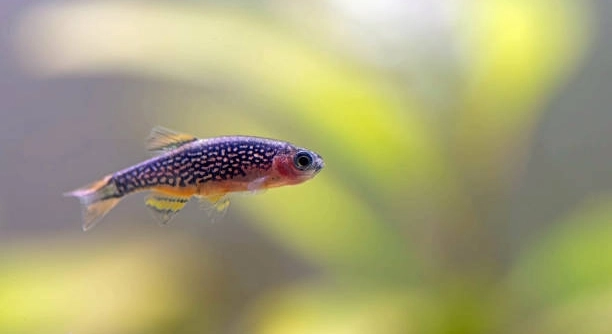
Danios are active, small fish that respond noticeably to changes in their environment. Lighting is one factor that can directly impact their behavior and overall well-being, making it important for fish owners to pay attention.
Lighting plays a significant role in regulating danio mood and activity levels. Changes in intensity, color temperature, and duration can influence stress, feeding behavior, and social interactions. Consistent and appropriate lighting promotes a stable and healthy environment for these fish.
Understanding how light affects your tank can help maintain a calmer, more vibrant community of danios. Adjusting lighting thoughtfully supports both their health and natural behaviors.
Bright Light Exposure
Danios are highly sensitive to bright light, which can cause stress and unusual behavior. When their tank is exposed to intense lighting for long periods, they may become skittish, hide more frequently, or display aggressive tendencies. Bright lights can also disrupt their natural circadian rhythms, affecting sleep and feeding patterns. Sudden changes from dim to bright lighting can be particularly alarming, leading to erratic swimming and decreased interaction. Using adjustable lights or providing shaded areas in the tank can help them acclimate without stress. Gradual changes allow danios to adapt naturally while maintaining normal activity levels. Observing their response over several days will indicate whether the lighting is suitable. Consistency in light cycles is key, as abrupt shifts can cause long-term behavioral issues. Incorporating floating plants or gentle diffusers can reduce glare and create a more comfortable environment. Maintaining a steady routine helps preserve their mood and overall health.
Carefully moderating brightness supports calmer, more active danios. Adjusting lights prevents sudden stress and encourages natural behavior.
Providing a mix of shaded and well-lit areas creates balance. Danios benefit from predictable lighting schedules. Observing reactions can guide further adjustments, ensuring the tank environment remains stable. Plants and diffusers soften the intensity, reducing hiding and erratic swimming, allowing fish to thrive naturally.
Color Temperature Effects
Different light colors impact danio behavior differently. Cooler blue tones often encourage activity, while warmer lights can create calm and relaxed moods.
Color temperature influences how danios perceive their environment. Blue-toned lighting stimulates exploration and interaction, while yellow or orange tones can slow activity and reduce stress. Shifts in color temperature must be gradual, as sudden changes may confuse them, affecting feeding and social interactions. Natural daylight spectrum lights are generally ideal, balancing both activity and comfort. When selecting tank lighting, consider the tank’s size, décor, and plant life. Plants may require higher light intensity for growth, which could affect fish behavior if not balanced carefully. Rotating light colors occasionally can provide enrichment without over-stimulating the fish. Careful monitoring ensures that behavioral changes are positive, promoting both mental and physical health. Long-term observation allows adjustments to prevent prolonged stress or lethargy. The right combination of color and intensity helps maintain a harmonious aquarium where danios remain vibrant and active throughout the day.
Gradual Light Transitions
Sudden shifts in lighting can startle danios, causing stress or erratic swimming. Gradual changes allow them to adjust naturally and maintain normal behavior, reducing hiding or aggression.
Introducing light slowly, over a few minutes, helps danios acclimate without panic. Abrupt changes, such as switching from darkness to full brightness, can disrupt their routine and increase stress levels. Using timers or dimmers ensures that transitions mimic natural sunrise and sunset patterns, supporting their circadian rhythm. Observation is key: watch for hiding, frantic swimming, or loss of appetite as signs that adjustments are needed. Consistent routines improve overall well-being and promote active, healthy behavior. Gradual light changes also prevent long-term stress, which can weaken immune response and increase vulnerability to disease. Incorporating gentle fades rather than instant switches allows danios to feel secure, enhancing both mood and energy levels within the tank.
Providing timers or dimmers simplifies gradual transitions and encourages consistent, stress-free adaptation.
Monitoring responses ensures adjustments maintain a healthy environment. Observing feeding and social activity will confirm successful adaptation, helping sustain their natural rhythm and energy.
Nighttime Darkness
Danios need darkness at night to rest properly. Continuous lighting can interfere with sleep, increasing stress and fatigue.
Maintaining a clear day-night cycle supports danio health. Darkness allows them to rest, recover, and regulate metabolism. Without proper nighttime darkness, fish may exhibit unusual swimming patterns, reduced feeding, or heightened aggression. Lights left on overnight prevent the production of melatonin, a hormone essential for regulating activity and mood. Providing a period of complete darkness of at least 8-10 hours mimics natural conditions, helping them maintain regular energy levels. Tank covers or blackout sheets can be used to block ambient light from the room, ensuring the night cycle is undisturbed. Consistent darkness promotes mental stability and reduces long-term stress, which contributes to a longer lifespan. Observing behavior over multiple nights confirms that the schedule supports both rest and active periods during daylight hours.
Setting a reliable night cycle prevents stress-related behaviors and ensures stable energy levels for daily activities.
A predictable darkness period reinforces natural routines, improving feeding, social interaction, and overall vitality. Proper nighttime rest helps danios maintain both mood and immune function.
Flickering Lights
Flickering or unstable lights can unsettle danios, causing sudden bursts of movement or hiding. Regular, steady lighting is important to maintain calm behavior and reduce stress in the tank environment.
Using high-quality, reliable lighting equipment prevents flickering. Even minor inconsistencies can affect danio mood, leading to disrupted feeding and social interactions. Consistency in light output supports their natural activity patterns.
Seasonal Light Variations
Danios respond to changes in light duration that mimic seasonal shifts. Longer daylight periods increase activity, while shorter days can encourage rest and reduce stress. Adjusting light cycles gradually helps maintain balance.
Reflections and Glare
Reflections on tank glass can confuse or stress danios, leading to aggression or hiding. Positioning lights and decorations to reduce glare helps them feel secure and behave naturally.
How do I know if my danios are stressed by lighting?
Signs of stress from lighting include hiding more than usual, erratic swimming, loss of appetite, and increased aggression. Danios may also appear pale or less vibrant if the lighting is too harsh or inconsistent. Observing their behavior over several days can help identify patterns linked to lighting changes. Stress often occurs with sudden brightness, flickering, or prolonged exposure to light.
Can I use natural sunlight for my tank?
Direct sunlight is not recommended because it can overheat the water and promote algae growth. Indirect natural light can be beneficial if it is filtered and limited in duration. It’s important to combine it with artificial lighting to maintain a consistent day-night cycle.
How long should the lights be on each day?
A standard lighting period for danios is 10-12 hours per day. This simulates a natural day-night cycle and allows sufficient time for activity and rest. Timers can help maintain this schedule consistently, reducing stress and maintaining normal feeding and social behaviors.
What color of light is best for danios?
Lights that mimic natural daylight, typically in the 5000-7000K range, work well. Cooler blue tones encourage activity, while warmer tones create calm. A balanced spectrum supports both fish behavior and plant growth in a planted aquarium, preventing over-stimulation or lethargy.
Can sudden changes in lighting harm my danios?
Yes. Abrupt switches from dark to bright light can startle danios and disrupt their circadian rhythm. Gradual transitions, using timers or dimmers, are essential to prevent stress. Adjustments should be made slowly over several days, observing behavior to ensure proper adaptation.
Do danios need complete darkness at night?
Yes. Darkness at night is crucial for rest and recovery. Lights left on continuously can disrupt melatonin production, increasing stress and fatigue. Providing at least 8-10 hours of darkness supports normal sleep cycles, feeding behavior, and overall health.
Will flickering lights affect my danios?
Even minor flickering can disturb danios, causing sudden bursts of swimming or hiding. High-quality, stable lighting prevents these issues. Observing the tank for signs of discomfort, like erratic movements or reduced interaction, can confirm whether the lighting is suitable.
Are colored lights safe for danios?
Colored lights can be used but should not be too intense. Blue or soft warm lights are ideal, while extremely bright or rapidly changing colors may stress the fish. Gradual changes and moderate intensity ensure comfort and natural behavior.
Can reflections in the tank stress my danios?
Yes. Reflections on glass can confuse danios, causing aggression or hiding. Positioning lights carefully and adding decorations or plants can reduce glare. This creates a more secure environment, helping fish feel safe and behave naturally.
How do seasonal changes in lighting affect danios?
Danios respond to seasonal variations in day length. Longer days stimulate activity and feeding, while shorter days encourage rest. Gradual adjustments to light cycles mimic natural conditions and maintain stable mood and health. Consistency helps prevent stress and supports energy levels year-round.
Is it necessary to adjust lighting for a planted tank?
Yes. Plants need sufficient light for growth, which may influence danio behavior. Balancing intensity ensures fish remain active without overstimulation. Timers and light diffusers help maintain a stable environment for both plants and fish. Proper planning prevents stress and promotes a healthy ecosystem.
Can lighting influence breeding behavior?
Lighting can affect breeding by regulating activity and hormone cycles. Simulating longer daylight periods may encourage spawning behavior. Maintaining stable, consistent lighting ensures that danios remain healthy and more likely to reproduce naturally in a home aquarium.
How can I make lighting adjustments safely?
Make changes gradually, monitor behavior, and use timers or dimmers. Introduce new lights or adjust color slowly, observing for hiding, aggression, or reduced activity. These measures help danios adapt naturally, maintaining both mood and overall health without sudden stress.
What is the safest setup for danio lighting?
A combination of indirect natural light, balanced artificial light with a full spectrum, and a consistent day-night cycle is ideal. Avoid flickering or overly intense lights. Using timers, diffusers, and shaded areas provides comfort and stability, ensuring danios remain active, healthy, and stress-free.
Lighting plays a critical role in the health and behavior of danios. Small adjustments can make a big difference in their overall mood and activity levels. Consistent lighting routines help regulate their natural circadian rhythms, which impacts feeding, social interactions, and rest. Fish that experience sudden or extreme changes in lighting may become stressed, hide frequently, or display unusual swimming patterns. Over time, chronic stress from improper lighting can affect their immune system and overall vitality. Observing how your danios respond to different lighting setups is key to creating a comfortable environment that supports both their physical and mental well-being. Simple measures, such as using timers or dimmers, can make lighting predictable and less stressful for the fish. Providing shaded areas, plants, or gentle diffusers further reduces the intensity of light, giving danios spaces to feel secure while maintaining natural behaviors.
Adjusting the color temperature and intensity of tank lights can also influence their mood. Cooler blue-toned lights often encourage activity and exploration, while warmer lights can create calm and relaxed periods. Gradual transitions between different lighting conditions allow danios to acclimate without stress. Flickering or overly bright lights should be avoided, as these can provoke agitation or hiding behavior. Seasonal changes in light duration can be mimicked to simulate natural conditions, promoting balanced energy levels and healthy behavioral patterns. Ensuring proper nighttime darkness is equally important. Darkness allows danios to rest and recover, supporting metabolism and hormone regulation. Lights left on for extended periods interfere with these natural processes, potentially leading to fatigue or irritability. By maintaining steady, consistent lighting schedules, fish are more likely to remain active, social, and healthy throughout the day.
Proper lighting not only benefits danios but also supports the overall ecosystem in the tank. Balanced illumination promotes healthy plant growth without overwhelming the fish. Reducing reflections and glare can prevent confusion and aggression, helping fish feel safe in their environment. Monitoring behavior closely when making lighting adjustments is essential to ensure the changes are effective and non-stressful. Simple strategies, such as using diffused light, consistent schedules, and gradual transitions, create a stable environment that encourages natural activity and interaction. Over time, a well-lit, thoughtfully arranged tank enhances both the visual appeal of the aquarium and the well-being of its inhabitants. By paying attention to light quality, duration, and intensity, tank owners can provide danios with an environment that supports their health, happiness, and natural behaviors for years to come.

Hello,
If you enjoy the content that we create, please consider saying a "Thank You!" by leaving a tip.
Every little bit helps us continue crafting quality advice that supports the health, happiness, and well-being of pets around the world, for pets of all shapes, sizes, and species.
We really appreciate the kindness and support that you show us!