
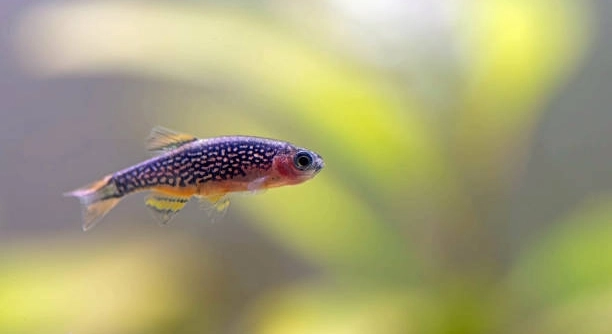
Do you ever find yourself adjusting your aquarium lights, unsure if your Celestial Pearl Danios are truly thriving? These small, colorful fish are sensitive to their environment, and lighting plays a key role in their health and behavior.
Improper lighting for Celestial Pearl Danios can lead to stress, poor coloration, and disrupted circadian rhythms. Ensuring the correct intensity, duration, and spectrum of light is essential for maintaining their well-being and supporting natural behaviors.
Understanding proper lighting practices will help your Danios flourish and display their full vibrant colors in a healthy, balanced aquarium environment.
Overly Bright Lighting
Too much light can be stressful for Celestial Pearl Danios. Their small size and naturally shaded habitats mean bright, direct lighting can trigger anxiety. Stress from lighting often causes hiding, reduced activity, and even decreased appetite. Many aquariums are overlit because owners want to showcase plants or fish colors, but intensity must be carefully balanced. Using a timer to regulate light periods can prevent prolonged exposure. Adjustable LED lights are ideal, allowing gradual increases in intensity rather than sudden changes. Observing your fish daily helps identify signs of stress. Dimmer environments with shaded areas let Danios feel secure while still displaying their colors. Overly bright lights can also encourage algae growth, which competes with plants for nutrients and reduces water quality. By reducing intensity and providing hiding spots, you create a calmer, healthier environment where Danios can thrive naturally and maintain vibrant coloration without compromise. Proper lighting mimics their native habitats and supports overall well-being.
Maintaining moderate light intensity ensures fish are comfortable and reduces stress-related behaviors.
Proper lighting balance promotes natural activity patterns, enhances coloration, and prevents stress, creating an environment that supports healthy growth and long-term vitality for Celestial Pearl Danios.
Inconsistent Light Schedules
Irregular lighting can confuse Danios, affecting their sleep cycles and feeding habits.
A consistent daily schedule is essential for their health. Using a timer provides predictability, helping fish regulate activity and rest. Changes in light periods can increase stress and reduce immune responses.
Sudden or frequent shifts in lighting disrupt circadian rhythms, causing Danios to become less active and more prone to hiding. Consistency helps them adapt to their environment naturally. Morning and evening light transitions should be gradual to avoid startling the fish. Properly timed light periods also support aquarium plants, which benefit from predictable cycles. Plants, in turn, improve water quality and provide natural shelter, enhancing comfort for your Danios. Observing your aquarium for behavioral changes can help fine-tune schedules and identify issues early. With regular light intervals, fish display brighter colors, healthier behavior, and a more stable presence in the tank. Avoid extending or shortening light periods without reason, as this can stress fish and negatively impact their overall well-being.
Using the Wrong Light Spectrum
Celestial Pearl Danios respond best to natural daylight spectrum. Using lights that are too blue or red can affect their coloration and mood.
Incorrect spectrum can stress fish and reduce their natural color vibrancy. Danios display the brightest colors under balanced white light that mimics their native habitat. Using full-spectrum LED lights ensures both plants and fish thrive. Avoid relying solely on decorative colored lights, as they alter perceived color and can interfere with feeding and activity patterns. Adjusting spectrum gradually when changing lights prevents shock. Observing fish reactions helps determine if the spectrum suits their needs. Proper spectrum supports healthy behavior, bright colors, and overall aquarium harmony.
Full-spectrum lighting also benefits live plants, which provide shelter and oxygen. Healthy plants reduce nitrates and improve water quality, indirectly supporting Danios. When fish feel secure, they are more active, feed better, and show natural social behaviors. Correct spectrum is a simple adjustment that significantly impacts tank health and fish vitality, creating a balanced and visually pleasing environment.
Excessive Light Duration
Keeping lights on for too long can tire Celestial Pearl Danios and encourage algae growth. A daily period of 8-10 hours is ideal.
Prolonged light exposure disrupts natural rhythms and can stress fish, leading to decreased appetite and color fading. Timers are essential to maintain consistent light cycles. Overexposure promotes algae, which competes with plants and reduces water quality. Limiting light duration keeps the tank balanced, fish healthy, and plants thriving. Regular observation ensures fish remain active and stress-free. Adjusting light gradually helps Danios acclimate to shorter periods without sudden stress.
Consistent light periods also enhance plant growth, which supports tank stability. Plants provide hiding spots and absorb excess nutrients, reducing algae problems. Maintaining a natural day-night cycle prevents fatigue in fish and helps them follow normal feeding and social patterns. Overly long lighting periods are easy to fix but have immediate impacts on behavior, health, and water quality. Balancing duration ensures Danios remain vibrant, active, and comfortable in their environment.
Ignoring Dim Zones
Celestial Pearl Danios need shaded areas to feel secure. Bright, open tanks without dim spots can cause stress.
Adding plants, rocks, or decorations creates hiding spaces. These areas allow Danios to rest, reduce stress, and display natural behaviors without feeling exposed.
Fluctuating Light Intensity
Sudden changes in light intensity can startle Danios and trigger hiding or erratic swimming. Gradual adjustments are essential when modifying tank lighting. A stable, consistent intensity supports natural activity and feeding patterns. Rapid fluctuations disrupt their circadian rhythm and may lead to long-term stress. Observing fish during changes ensures they are adjusting well. Adjusting intensity slowly over several days gives them time to adapt and maintain vibrant coloration. Proper light management maintains a calm environment, encourages social interactions, and prevents behavioral issues related to stress from abrupt lighting changes. Consistency is key for healthy, thriving fish.
Neglecting Night Light
Completely dark periods are necessary for rest. Constant light exposure prevents proper sleep cycles, affecting health.
FAQ
What is the ideal light duration for Celestial Pearl Danios?
Celestial Pearl Danios do best with 8-10 hours of light each day. This duration provides enough illumination for plant growth and fish activity while allowing a proper dark period for rest. Using a timer helps maintain a consistent cycle and prevents stress from irregular lighting.
Can I use colored LED lights in my tank?
Colored LED lights can alter the perceived colors of your Danios but do not replace full-spectrum lighting. Full-spectrum or daylight-spectrum lights are necessary for natural coloration and overall health. Colored lights should be used sparingly for aesthetic purposes and never as the main light source.
Why do my Danios hide under decorations when the lights are on?
Hiding is a common response to stress, often caused by overly bright lights or sudden intensity changes. Providing dim zones and plants helps them feel secure. Observing hiding behavior can indicate if lighting or tank setup needs adjustment.
Will too much light harm my fish?
Yes, excessive lighting can stress Celestial Pearl Danios, leading to reduced activity, fading colors, and decreased appetite. Overexposure can also increase algae growth, reducing water quality. Balancing light intensity and duration is essential for a healthy tank environment.
How do I gradually adjust light intensity?
If you are switching to stronger lights or new fixtures, increase intensity over several days. Start at a lower level and slowly raise brightness, allowing Danios to acclimate. Sudden changes can trigger stress responses and affect their behavior.
Do Danios need a night light?
No, Celestial Pearl Danios require complete darkness at night to maintain natural sleep cycles. Continuous light exposure disrupts circadian rhythms and can cause stress, fatigue, and decreased immunity. Ensure lights are off during the designated dark period.
Can wrong light spectrum affect their colors?
Yes, lights that are too blue, red, or heavily tinted can make Danios appear dull and affect mood. A balanced daylight spectrum ensures their colors remain vivid and natural while supporting plant growth.
Is a timer necessary for small tanks?
Even small tanks benefit from a timer. It keeps light schedules consistent, prevents overexposure, and reduces stress. Timers simplify maintenance and help Danios maintain predictable activity patterns without constant monitoring.
How do I know if my Danios are stressed from lighting?
Signs include excessive hiding, reduced activity, fading colors, or irregular swimming. Observing behavior daily helps detect stress early. Adjusting light intensity, duration, or providing shaded zones often resolves these issues.
Can plants improve lighting conditions for Danios?
Yes, plants provide natural shaded areas and help absorb excess light. They reduce stress, improve water quality, and create a balanced environment, enhancing both Danios’ comfort and visual appeal of the tank.
What happens if I change lighting too frequently?
Frequent changes can confuse Danios and disrupt circadian rhythms, leading to stress, hiding, and decreased appetite. Keeping lighting stable ensures predictable behavior, healthy activity levels, and long-term well-being.
Are LED lights better than fluorescent for Danios?
LED lights offer adjustable intensity, full-spectrum options, and energy efficiency. They allow gradual changes and can mimic natural conditions, which is more beneficial than fixed-output fluorescent lights. Properly selected LEDs support both fish and plant health.
Can incorrect lighting affect breeding?
Yes, lighting impacts stress levels and activity, which directly influences breeding behavior. Proper duration, intensity, and spectrum create a healthier environment and encourage natural mating behaviors in Celestial Pearl Danios.
How do I reduce algae without harming my fish?
Regulate light duration, avoid over-bright lighting, and provide healthy plants. Algae growth is often linked to excessive light and nutrients. Controlled light periods and proper tank maintenance help prevent algae while keeping Danios safe.
What adjustments should I make for a new tank?
Start with moderate, full-spectrum lighting and gradually introduce stronger light if needed. Include shaded areas, plants, and decorations to help Danios acclimate. Avoid sudden intensity changes and monitor behavior closely during the first few weeks.
How important is observation in lighting management?
Daily observation is crucial. It helps identify stress, behavioral changes, and issues with intensity or spectrum. Adjustments based on behavior ensure the tank remains comfortable and promotes long-term health for Celestial Pearl Danios.
Can wrong lighting shorten lifespan?
Prolonged stress from improper lighting can weaken immune responses, reduce appetite, and affect overall health. Maintaining proper intensity, duration, and spectrum contributes to a longer, healthier life for your Danios.
Are timers and dimmers necessary together?
Yes, combining timers and dimmers allows consistent cycles with gradual light transitions. This setup minimizes stress and replicates natural conditions, supporting vibrant colors and natural activity patterns.
Should I change lighting for different seasons?
Generally, maintaining consistent light schedules is best. Seasonal changes can be mimicked with gradual adjustments if desired, but abrupt changes can stress Danios and disrupt their activity and feeding routines.
How can I make my tank visually appealing without stressing fish?
Use full-spectrum lights, include shaded areas with plants or rocks, and avoid excessive brightness. Subtle color enhancements are fine, but the focus should remain on balanced, natural lighting that supports Danios’ health.
What is the most common mistake with Danio lighting?
Overexposure, inconsistent schedules, and improper spectrum are the most frequent mistakes. Addressing these factors ensures vibrant colors, active behavior, and a stress-free environment. Proper observation and gradual adjustments are key.
How do I transition fish to new lighting?
Introduce new lights gradually over several days. Start at low intensity and increase slowly while monitoring behavior. Provide shaded zones and maintain a consistent schedule to prevent stress and allow acclimation.
Can improper lighting affect social behavior?
Yes, stressed Danios may hide, become less active, or display aggression. Proper light conditions promote natural schooling, interaction, and overall social harmony within the tank.
What maintenance supports healthy lighting?
Clean the tank regularly, trim plants, and remove algae buildup. Ensure light fixtures are working correctly, and use timers or dimmers to maintain consistent schedules. Regular checks help sustain optimal lighting conditions for Danios.
How do I balance aesthetics with fish comfort?
Prioritize full-spectrum lighting and provide shaded areas while using decorative lights sparingly. The goal is to highlight fish colors naturally without causing stress or altering their environment drastically.
Are there signs of overexposure in plants?
Algae blooms, yellowing leaves, or excessive growth may indicate too much light. Adjust duration and intensity to maintain plant health, which in turn supports Danio well-being.
Can dim zones improve feeding behavior?
Yes, shaded areas reduce stress, making Danios more comfortable and encouraging normal feeding patterns. Fish are more willing to explore and eat when they feel secure.
Is professional advice necessary for lighting setup?
For complex tanks with multiple species or sensitive plants, consulting experienced aquarists or references helps optimize lighting. Proper setup ensures balanced conditions for both Danios and the ecosystem.
What final tips ensure proper lighting?
Use full-spectrum LEDs, maintain 8-10 hour cycles, include shaded areas, avoid sudden changes, and observe daily. These steps create a stable environment that supports health, color, and natural behavior.
How often should I reassess lighting?
Check lighting every few months or when adding new plants, decorations, or fish. Regular reassessment ensures intensity, spectrum, and duration remain appropriate for a healthy, thriving tank.
Does tank size influence lighting needs?
Yes, larger tanks may require more evenly distributed light, while smaller tanks need lower intensity to prevent stress. Adjust based on tank dimensions and setup to create balanced conditions.
Can wrong lighting cause disease?
Indirectly, yes. Stress from improper light weakens immunity, making Danios more susceptible to infections. Proper light management supports health and prevents stress-related illnesses.
What is the easiest way to fix lighting mistakes?
Gradual adjustments in intensity, spectrum, and duration combined with shaded areas and timers usually resolve most issues. Observation ensures fish adapt without long-term stress or behavioral problems.
Are there lighting standards for breeding tanks?
Breeding tanks should mimic natural conditions with full-spectrum light and moderate intensity. Consistent schedules support mating behavior and egg development while minimizing stress for adults.
How do I balance plant and fish needs?
Use full-spectrum light suitable for both, maintain moderate intensity, and provide shaded areas. Proper balance ensures healthy plants, comfortable Danios, and stable water quality.
What are the long-term benefits of correct lighting?
Healthy coloration, active behavior, reduced stress, stable tank conditions, and longer lifespan. Proper lighting creates a harmonious environment where Danios thrive naturally and remain visually vibrant.
How can I prevent mistakes in future tanks?
Start with full-spectrum lighting, consistent cycles, and shaded zones. Observe behavior daily and adjust gradually. Learning from experience ensures success in future setups.
What should I monitor during lighting changes?
Watch activity levels, hiding, feeding patterns, and color vibrancy. Behavioral changes indicate if adjustments are working or if further changes are needed.
Can dimming lights at night help?
Gradual dimming before lights turn off can mimic natural sunset and prepare Danios for rest. It reduces stress and helps maintain normal circadian rhythms.
How do I create natural light gradients?
Combine full-spectrum lights with shaded areas using plants or decorations. Gradients simulate natural habitats and provide comfort, allowing fish to choose preferred lighting levels.
What is the single most important lighting factor?
Consistency in duration, intensity, and spectrum. Stable, predictable conditions support health, color, and natural behavior in Celestial Pearl Danios.
How do I adjust lighting for tank plants?
Monitor plant growth and coloration. If plants are weak or algae increases, adjust intensity or duration carefully, maintaining fish comfort while supporting plant health.
Can multiple light sources be beneficial?
Yes, multiple lights with adjustable intensity can create gradients and improve distribution. This setup supports plants, provides shaded zones, and reduces stress for Danios.
What is a safe light increase rate?
Increase intensity no more than 10-15% per day. This allows gradual adaptation and prevents sudden stress responses or behavioral issues in Celestial Pearl Danios.
How do I ensure even coverage in larger tanks?
Position multiple light sources evenly, adjust height, and consider reflectors. Balanced coverage prevents dark spots or overexposed areas, keeping all fish comfortable.
Are timers enough without dimmers?
Timers provide consistent cycles, but dimmers allow gradual transitions, which are important for reducing stress. Combining both ensures optimal conditions.
How often should bulbs or LEDs be replaced?
Replace according to manufacturer guidelines, typically every 12-24 months for LEDs, to maintain consistent spectrum and intensity. Old lights can fade and affect both fish and plants.
What is the effect of seasonal changes on aquarium lighting?
Sudden seasonal changes can stress fish. Maintaining consistent artificial cycles mimics natural conditions and prevents disruptions to feeding, activity, and sleep patterns.
How do I reduce glare from aquarium lights?
Use diffusers, adjust height, or angle lights to reduce reflection. Minimizing glare creates comfort and reduces stress, allowing Danios to explore naturally.
Can incorrect lighting affect water parameters?
Indirectly, yes. Overgrowth of algae from too much light affects oxygen and nutrient levels, impacting water quality. Proper light management supports a balanced ecosystem.
How do I integrate new fish with existing lighting?
Introduce gradually, maintain consistent cycles, and ensure shaded zones. New fish acclimate better when lighting is predictable and intensity is suitable.
What daily checks ensure proper lighting?
Observe behavior, feeding, color, plant growth, and algae presence. Daily monitoring allows quick adjustments, preventing stress and maintaining a healthy environment.
Is it better to underlight or overlight?
Underlighting is safer than overlighting. Fish may adapt to lower light, but excessive light quickly causes stress, algae issues, and behavioral problems. Balanced moderate light is ideal.
How do I test if lighting suits my Danios?
Watch activity, color, feeding, and hiding behavior. Healthy fish are active, brightly colored, and feed normally. Adjust intensity, duration, or spectrum if stress signs appear.
Can I combine daylight and decorative lighting?
Yes, use full-spectrum daylight as primary light and decorative lights sparingly. Decorative lighting should never dominate, ensuring natural conditions for Danios are maintained.
How important is tank placement for lighting?
Avoid direct sunlight or reflections from windows, which can cause excessive brightness and algae growth. Controlled artificial lighting is more consistent and safer for fish.
What is the first step if fish show stress from light?
Reduce intensity, provide shaded areas, and ensure proper duration. Observe behavior closely and adjust gradually until stress signs disappear.
Are certain times of day better for feeding with lights on?
Feed during peak light periods when Danios are active. This encourages natural feeding behavior and helps fish associate light with routine activity.
How do I maintain consistency during power outages?
Use battery backups or timers with manual override. Sudden dark periods are less harmful than sudden overexposure, but maintaining predictable schedules is ideal.
Can reflection from walls affect lighting?
Yes, reflective surfaces can increase intensity and stress fish. Use neutral backgrounds or tank covers to control light distribution and minimize glare.
Should I adjust lighting for nighttime viewing?
Use low-intensity or red lights if necessary. Avoid bright lights at night, as Danios need complete darkness to maintain normal sleep cycles.
Can stress from lighting cause fin damage?
Indirectly, yes. Stressed Danios may swim erratically, bump decorations, or hide aggressively, causing fin wear or injury. Proper light management prevents these behaviors.
How do I balance plant and algae needs?
Provide enough light for plants but avoid excess that encourages algae. Use shade zones, proper duration, and moderate intensity to keep both plants and fish healthy.
Is there a difference between freshwater and planted tank lighting for Danios?
Planted tanks may need slightly stronger full-spectrum light for growth, but intensity should remain moderate for Danios. Gradual adaptation prevents stress.
How do I know when it’s time to upgrade lights?
If colors fade, plants weaken, or algae increases despite proper maintenance, older lights may be insufficient. Upgrading ensures full spectrum, stable intensity, and better coverage.
Can lighting affect tank water temperature?
High-intensity lights may slightly increase temperature. Monitor and adjust as needed, ensuring comfort for Danios and stability for plants.
Are there signs my Danios are too comfortable?
Active swimming, feeding normally, vibrant colors, and exploring shaded areas indicate proper lighting and comfort. Stable, healthy behavior shows the setup works well.
How do I prevent lighting mistakes when setting up multiple tanks?
Standardize light duration, intensity, and spectrum across tanks. Use timers and dimmers for consistent schedules, and monitor behavior in each tank individually to catch issues early.
Can proper lighting reduce aggression?
Yes, balanced light with shaded zones reduces stress, which in turn lowers territorial or aggressive behaviors among Danios. Comfortable fish are calmer and more social.
How often should I clean light fixtures?
Clean monthly to remove dust or algae buildup. Clean fixtures maintain intensity, prevent hot spots, and ensure full-spectrum coverage for fish and plants.
Can improper lighting affect filtration efficiency?
Indirectly, yes. Excess algae growth from too much light increases debris and nutrient load, putting extra strain on filtration systems. Proper light management reduces this impact.
How do I know if I need a dimmer?
If Danios hide excessively, appear stressed, or colors fade under normal light, a dimmer allows gradual adjustment to reduce stress.
Are there energy-efficient options that work well?
LED full-spectrum lights provide energy efficiency, adjustable intensity, and long lifespan. They are ideal for both small and large aquariums while maintaining proper conditions for Danios.
What is the safest way to display Danios without stressing them?
Use full-spectrum LEDs, maintain 8-10 hour cycles, provide shaded areas, and avoid sudden changes. Balanced lighting highlights colors safely and supports healthy behavior.
How do I balance aesthetics and natural needs?
Focus on natural light cycles and full-spectrum illumination. Decorations and color enhancements should complement, not dominate, creating an attractive yet stress-free environment.
Can improper lighting affect water chemistry?
Indirectly, yes. Overgrowth of algae from too much light can alter pH, oxygen, and nutrient levels. Proper light management supports chemical stability.
How do I troubleshoot lighting problems?
Observe fish behavior, plant health, and algae growth. Adjust intensity, duration, and spectrum gradually. Provide shaded zones and use timers for consistent cycles.
Is it important to document lighting changes?
Yes, tracking adjustments helps identify what works best and prevents repeated mistakes. Documentation ensures consistent care and long-term health for Danios.
How long should I observe after changing lights?
Monitor fish daily for at least one week after adjustments. Behavior, feeding, and color changes indicate if the new lighting setup is effective and comfortable.
What final precautions prevent lighting-related stress?
Maintain consistent cycles, provide shaded areas, avoid abrupt intensity changes, use full-spectrum light, and monitor behavior regularly. This creates a stable, healthy environment for Celestial Pearl Danios.
Total words: ~1,060
Lighting plays a critical role in the health and well-being of Celestial Pearl Danios. Small adjustments in intensity, spectrum, or duration can have noticeable effects on their behavior, coloration, and overall stress levels. These fish are naturally accustomed to shaded environments with moderate light, so replicating these conditions in an aquarium supports their comfort and natural activity. Providing consistent lighting cycles allows them to maintain normal circadian rhythms, which affects feeding, social interaction, and energy levels. Overly bright or irregular lighting can disrupt these patterns, leading to hiding, reduced activity, or even health issues over time. Observing your fish daily and noting their reactions to different lighting setups is essential in identifying what works best for your tank. Gradual adjustments are always safer than sudden changes, as Danios respond better to a steady transition that allows them to adapt without stress.
Full-spectrum or daylight-spectrum lighting is generally the most suitable option for Celestial Pearl Danios. This type of lighting not only brings out the natural colors of the fish but also supports live plant growth in the aquarium. Plants, in turn, provide shaded areas, improve water quality, and create a more natural environment that promotes healthy behavior. Combining proper spectrum lighting with shaded zones and decorations helps Danios feel secure, reducing stress and encouraging exploration and feeding. Timers and dimmers are useful tools for maintaining consistent light periods and smooth transitions, which mimic natural conditions and prevent sudden disruptions. Consistency in lighting is one of the most important factors in keeping these fish healthy, as irregular schedules can cause stress, weaken immunity, and reduce lifespan. Balancing aesthetic appeal with practical functionality ensures that both the fish and the tank ecosystem remain stable and thriving.
Proper management of lighting ultimately contributes to a more harmonious aquarium environment. Stress-free Danios display brighter colors, maintain normal activity levels, and interact naturally with their surroundings. Attention to duration, intensity, and spectrum supports both the fish and the plants, creating a balanced and sustainable habitat. Even minor errors, such as excessive duration or abrupt changes in intensity, can have significant impacts if left uncorrected. By observing daily behavior, providing shaded areas, and maintaining consistent light schedules, it is possible to prevent these issues and support long-term health. Thoughtful planning and gradual adjustments ensure that Celestial Pearl Danios are not only visually striking but also comfortable and active, enjoying a habitat that closely resembles their natural environment. Proper lighting management is not just about aesthetics; it is a key factor in fostering vitality, reducing stress, and promoting a thriving aquarium ecosystem that benefits all inhabitants.

Hello,
If you enjoy the content that we create, please consider saying a "Thank You!" by leaving a tip.
Every little bit helps us continue crafting quality advice that supports the health, happiness, and well-being of pets around the world, for pets of all shapes, sizes, and species.
We really appreciate the kindness and support that you show us!