
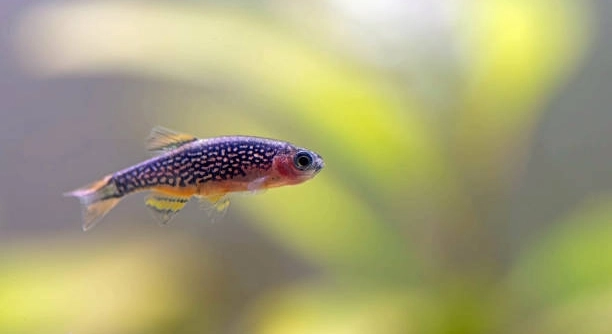
Celestial Pearl Danios are small, colorful fish that bring life to any aquarium. Their shimmering scales and peaceful nature make them appealing for hobbyists who enjoy watching lively, graceful fish interact in a confined space.
Keeping Celestial Pearl Danios in a species tank provides an environment tailored to their social and environmental needs. Such a tank reduces stress, encourages natural behavior, ensures optimal feeding, and allows for better observation of their health and growth patterns.
Understanding these benefits can help you create a thriving habitat. The following insights explain why a species tank is ideal for them.
Peaceful Social Behavior
Celestial Pearl Danios are naturally social and do best in groups. In a species tank, they can establish stable hierarchies without interference from aggressive or larger fish. Observing their shoaling behavior becomes easier, and it ensures that all fish feel secure. They swim actively, darting between plants and decorations, which showcases their playful nature. Group living also reduces stress, as they rely on each other for signals about potential threats. A species tank allows for consistent water conditions, so their delicate systems aren’t challenged by incompatible tank mates. Maintaining a calm environment encourages regular feeding and natural interactions. They thrive when able to display their full range of behaviors, including chasing, exploring, and resting together. Watching these patterns in a safe, controlled space is both calming and educational for anyone keeping them. Providing enough hiding spots and open swimming areas ensures each fish can feel comfortable and confident in its surroundings.
Keeping them in groups enhances their overall well-being and reduces unnecessary stress, making them healthier and more active.
A species tank allows every fish to establish social bonds naturally. They interact freely without fear or competition from aggressive species. This setting encourages playful activity, strengthens immunity, and promotes regular feeding routines. Observing their natural shoaling can be rewarding, as each fish exhibits unique behavior while contributing to the group’s harmony.
Optimal Water Conditions
Maintaining stable water parameters is easier in a species tank.
Celestial Pearl Danios are sensitive to sudden changes in pH, temperature, and hardness. A species tank ensures the water remains consistent, minimizing stress and disease risk. Keeping them with incompatible species can cause fluctuations, as different fish have varying requirements. In a dedicated tank, filtration, temperature control, and water changes can be optimized specifically for their needs. Plants and gentle water flow create an ideal environment for their health. Regular monitoring in such a setup allows for early detection of potential issues, such as ammonia spikes or illness. Clean, stable water encourages vibrant colors, active swimming, and proper feeding habits. It also supports breeding behavior, as stable conditions are critical for spawning success. Observing their responses to consistent water parameters can help caretakers adjust maintenance routines effectively. A species tank provides a controlled space where each individual can thrive without compromise from external factors, ensuring a long, healthy life.
Reduced Aggression
Species tanks limit conflicts by keeping only compatible fish together. Celestial Pearl Danios are peaceful, and removing aggressive or territorial species prevents fights and injuries.
With only Danios in the tank, stress levels drop significantly. Aggressive fish can chase or nip fins, which disrupts feeding and daily routines. A calm environment allows all fish to swim freely, establish social hierarchies naturally, and interact without fear. This controlled setting encourages healthy behaviors, including synchronized shoaling and resting in groups. Reducing aggression also lowers the risk of illness linked to stress, supporting their immune systems and overall vitality.
A peaceful tank lets the fish express natural behavior fully. They can explore plants, swim in schools, and rest safely without interference. Observing them in this stable environment highlights their playful personalities and strengthens their resilience to minor environmental changes.
Easier Breeding Management
Keeping a species tank simplifies monitoring for breeding signs and protecting fry.
A dedicated tank allows for controlled conditions that encourage spawning. Temperature, water quality, and lighting can be adjusted precisely for reproduction. Without other fish, eggs and fry are less likely to be eaten, improving survival rates. Plants or spawning mops can be added without concern for disruption. Monitoring the breeding process becomes straightforward, from observing courtship behaviors to tracking hatching success. Caretakers can separate fry when needed and maintain optimal water conditions, increasing chances of healthy development.
Breeding Celestial Pearl Danios in a species tank also makes selective pairing easier. By observing individual traits, compatible mates can be chosen, enhancing offspring quality. This controlled approach minimizes stress and competition, allowing eggs and fry to grow safely. Regular observation in such a setup ensures quick responses to water parameter changes or signs of illness, promoting consistent reproductive success and strong, vibrant fish populations within the tank.
Vibrant Display
A species tank highlights the Danios’ colors and patterns. With no competing fish, their metallic sheen and spots are more visible.
Plants and decorations complement their appearance, making their movements and colors stand out. This setup allows for clear observation of their natural beauty.
Controlled Feeding
Feeding becomes more efficient and less stressful. All fish get access to food without competition from larger or aggressive species.
A dedicated tank ensures each Danio receives proper nutrition. Overfeeding is easier to avoid, and uneaten food is quickly noticed and removed. This reduces water contamination, supporting overall health.
Health Monitoring
A species tank makes detecting illness easier. Behavioral changes, fin damage, or abnormal swimming are noticed quickly.
Keeping only Celestial Pearl Danios allows for precise treatment. Quarantining or medicating individuals is simpler without risking other species. Regular observation supports long-term health and vibrant coloration.
FAQ
How many Celestial Pearl Danios should I keep in a species tank?
It’s best to keep them in groups of at least six. They are shoaling fish, so larger groups of ten or more are ideal. A proper group helps them feel secure, encourages natural swimming patterns, and reduces stress. Small groups can lead to shyness or hiding.
What tank size is suitable for a species tank?
A minimum of 20 gallons works for a small group, but larger tanks are better for maintaining stable water conditions. More space allows room for swimming, hiding, and plants, which are essential for their well-being. Dense planting can mimic their natural environment.
What water parameters are ideal for Celestial Pearl Danios?
They prefer slightly acidic to neutral pH, around 6.5 to 7.0, and a temperature between 72°F and 78°F. Soft to moderately hard water works best. Stable conditions are critical because sudden changes can stress the fish and make them more prone to illness.
Can I mix them with other species if I want variety?
It’s possible, but introducing other fish may lead to competition and stress. Aggressive or larger species can harm them or outcompete them for food. If you want to maintain vibrant behavior and colors, a dedicated species tank is safer.
How do I encourage breeding in a species tank?
Provide fine-leaved plants or spawning mops. Slightly raising the temperature and maintaining excellent water quality encourages spawning. Remove adults after eggs are laid to prevent them from being eaten. Regular feeding of high-quality foods supports reproductive health.
What do Celestial Pearl Danios eat?
They are omnivores and thrive on a mix of high-quality flakes, micro-pellets, and live or frozen foods such as daphnia or brine shrimp. Variety ensures proper nutrition, enhances color, and supports energy for swimming and breeding.
How often should I clean a species tank?
Partial water changes of 20–30% weekly keep water stable and reduce nitrate buildup. Avoid deep cleaning that disturbs plants or substrate too much. Maintaining the filter and removing uneaten food also prevents harmful ammonia spikes.
Why is a species tank better for observing behavior?
With only Celestial Pearl Danios, every interaction, chase, and display is visible. It’s easier to notice stress, illness, or changes in hierarchy. Observing natural behaviors helps maintain healthy social structures and enhances the enjoyment of keeping these fish.
Are they suitable for beginners?
Yes, if water quality and tank conditions are monitored regularly. They are hardy but sensitive to drastic changes. A species tank reduces variables and simplifies care, making it easier for someone new to fishkeeping to maintain their health.
How can I prevent stress in a species tank?
Provide hiding spots with plants and decorations. Keep water parameters stable and avoid overcrowding. Feeding should be regular, and sudden changes to the environment should be minimized. A calm, predictable environment allows them to thrive and display natural behavior without fear.
Can Celestial Pearl Danios live long in a species tank?
Yes, with proper care, they can live 4–6 years or more. Stable water conditions, regular feeding, a stress-free environment, and observation for early signs of disease all contribute to their longevity. Keeping them in groups supports both mental and physical health.
What plants and decorations work best?
Fine-leaved plants, mosses, and low-light plants create natural hiding spaces. Driftwood and small rocks provide shelter and visual interest. Open swimming areas combined with dense planting encourage exploration while giving fish places to rest.
How do I handle sick fish in a species tank?
Quarantine the affected fish immediately. Use appropriate treatments according to the illness. Monitor water quality and stress factors to prevent recurrence. Treating fish in a species tank is easier since there are no aggressive or incompatible species to interfere.
Can I breed multiple pairs in the same tank?
Yes, but it’s easier to manage in a larger tank with plenty of hiding places for fry. Without sufficient space, adults may eat eggs or fry. Separating batches or using breeding nets increases survival rates while allowing multiple pairs to spawn safely.
Are Celestial Pearl Danios active during the day or night?
They are diurnal, most active during daylight hours. They swim in schools, explore, and forage actively. At night, they rest among plants or decorations, making a species tank with varied terrain ideal for both activity and rest.
Do they require specialized lighting?
Standard aquarium lighting works well. Lighting enhances their colors and supports plant growth. Too bright or harsh light may stress them, so providing shaded areas or floating plants helps balance illumination while keeping fish comfortable.
How important is water filtration in a species tank?
Filtration is critical to maintain stable water parameters. A gentle filter prevents strong currents that can stress Danios. Regular maintenance ensures removal of waste and debris while keeping beneficial bacteria intact for a healthy environment.
Can they tolerate changes in temperature?
They can handle minor fluctuations but are sensitive to sudden changes. Gradual adjustments are essential to prevent stress. Keeping the tank within the recommended range ensures metabolic stability and supports immune health.
How do I introduce new fish to a species tank?
Acclimate slowly by floating the bag in the tank, gradually mixing tank water with the bag water over 30–60 minutes. Adding one or two fish at a time reduces stress and allows existing Danios to adjust to newcomers without aggression.
Are they compatible with shrimp or snails?
Yes, peaceful invertebrates like small shrimp or snails can coexist. They don’t compete for food aggressively and add interest to the tank. Ensure plants and hiding spots are abundant to protect both fish and invertebrates from stress.
How do I maintain their vibrant coloration?
High-quality food, stable water conditions, and low stress levels enhance natural colors. Avoid overcrowding and provide good lighting that mimics natural daylight. A well-planted tank also helps colors appear more vivid against greenery and substrate.
Is it necessary to decorate the tank heavily?
Not necessarily, but plants, driftwood, and hiding spots are beneficial. They provide security, reduce stress, and allow natural behaviors. Open swimming areas balanced with shelters create an ideal habitat where fish can thrive and exhibit natural activity.
How often should I feed them?
Feed small amounts 1–2 times daily. Overfeeding pollutes water and increases disease risk. Variety in diet keeps them healthy and active. Observing their behavior during feeding helps ensure all fish are eating and thriving.
Can I keep a species tank for only a few Danios?
A very small group may survive, but they may become shy and stressed. Larger groups encourage social interaction, natural shoaling, and active swimming, which contributes to overall health and well-being.
Do they require special care during breeding season?
Yes, increase observation, maintain stable water, and provide spawning sites. Remove adults after eggs are laid to prevent predation. Feeding high-quality, protein-rich foods supports reproductive success and fry development.
What is the best way to observe them without causing stress?
Avoid sudden movements or tapping the glass. Soft lighting and calm presence allow fish to swim naturally. Watching from a distance helps them maintain normal behavior while still enjoying their activity.
Can they coexist with other small, peaceful fish?
It’s possible, but a species tank ensures optimal health and social stability. Even peaceful species can compete for food or stress Danios, so keeping them in a dedicated environment maximizes well-being, behavior, and longevity.
How do I maintain water quality without frequent full changes?
Partial weekly water changes, proper filtration, and avoiding overfeeding are key. Monitoring ammonia, nitrite, and nitrate levels helps detect problems early. This approach maintains stable water, supporting health and coloration in the species tank.
Are they prone to any specific diseases?
They are generally hardy but can suffer from common freshwater illnesses like Ich or fin rot if stressed or exposed to poor water conditions. Preventative care through clean water, proper diet, and a stress-free environment reduces risks significantly.
Do they require special attention during seasonal temperature changes?
Yes, gradual adjustments prevent shock. Using a reliable heater and monitoring water temperature ensures stable conditions. Sudden shifts can weaken immunity and trigger stress-related illnesses.
How long do they live on average in a species tank?
With proper care, they typically live 4–6 years. Stable water parameters, good nutrition, stress-free environment, and proper monitoring are essential to achieving their full lifespan.
Is breeding easier in a species tank compared to a community tank?
Absolutely. Controlled conditions, lack of predation, and easier observation allow for successful spawning and higher fry survival rates. It also enables selective breeding and better management of tank dynamics.
Can they tolerate low-light environments?
Yes, they adapt to subdued lighting, but moderate light enhances activity and coloration. Providing shaded areas or plants ensures comfort while allowing natural behavior.
What is the best substrate for a species tank?
Fine gravel or sand works well. It allows plants to root easily and doesn’t harm delicate fins. Darker substrates can enhance their colors, making the fish more visually striking in the tank.
How important is water circulation?
Gentle water flow mimics their natural habitat and keeps the environment healthy. Strong currents should be avoided, as they can exhaust the fish and disrupt natural swimming patterns.
Do they require frequent observation?
Regular monitoring helps detect health issues early. Observing behavior, swimming patterns, and feeding habits ensures all fish are thriving and allows timely intervention if problems arise.
Can they live in a planted tank?
Yes, plants provide hiding spots, resting areas, and a natural environment. A well-planted tank also supports water quality and encourages natural behaviors like shoaling and exploring.
How do I know if they are stressed?
Signs include hiding excessively, loss of color, erratic swimming, or loss of appetite. Addressing water quality, social environment, and diet usually resolves stress issues.
Are they compatible with small bottom-dwellers?
Generally yes, small peaceful bottom-dwellers like Corydoras can coexist. Ensure adequate space and hiding spots to prevent competition for food and maintain harmony.
Can they thrive without live food?
Yes, high-quality flakes and micro-pellets meet nutritional needs. Live or frozen foods enhance growth, color, and activity, but aren’t strictly necessary for survival in a well-maintained tank.
Is it necessary to separate fry from adults?
Yes, adults may eat eggs or fry. Using breeding nets or separate tanks protects young fish, improving survival rates and allowing for controlled growth in a species tank.
Do they require special care for long-term health?
Consistent water quality, balanced diet, stable social groups, and observation are key. A species tank simplifies these tasks, ensuring they remain vibrant and active for years.
Can temperature fluctuations affect breeding?
Yes, sudden drops or spikes can prevent spawning or harm eggs and fry. Gradual, controlled temperature adjustments encourage successful reproduction without stress.
What is the ideal tank layout?
Provide open swimming space, dense plant areas, and hiding spots. Decorations should mimic natural habitat while allowing movement, exploration, and social interaction.
Do they need supplemental vitamins or minerals?
A varied diet usually provides sufficient nutrients. Occasionally adding specialized foods can enhance color and support reproductive health, but regular high-quality feeding is most important.
Can a species tank reduce mortality rates?
Yes, stable conditions, proper nutrition, and reduced stress contribute to lower mortality. Observing and managing health is easier when only Celestial Pearl Danios are present, ensuring longevity and vitality.
How often should I test water parameters?
Weekly testing is recommended for ammonia, nitrite, nitrate, and pH. Regular monitoring prevents unnoticed changes that could stress or harm the fish, supporting a healthy and stable species tank.
Can they coexist with floating plants?
Yes, floating plants provide shade and reduce stress. They also soften lighting and create a more natural environment while giving Danios areas to explore and rest.
How do I introduce a new species tank setup?
Cycle the tank fully before adding fish. Introduce plants, substrate, and decorations first. Stable water conditions and a matured ecosystem minimize stress and prepare the environment for healthy, active fish.
Are they sensitive to tap water?
Yes, untreated tap water may contain chlorine or heavy metals. Always use a water conditioner and check parameters before adding fish to maintain safety and health.
Can they tolerate community tank noise or activity?
Excessive movement or aggressive species can stress them. A species tank reduces disturbances, allowing natural behavior, proper feeding, and calm swimming.
Do they benefit from structured feeding schedules?
Yes, consistent feeding times reduce stress and improve health. Small, regular meals keep them active, vibrant, and less prone to overeating or water contamination.
How long should I observe fry daily?
A few minutes daily is sufficient to monitor growth, behavior, and feeding. Overhandling or stressing fry should be avoided to ensure proper development and survival.
Are they sensitive to pH changes?
Yes, sudden pH shifts can cause stress or illness. Maintaining stable levels between 6.5 and 7.0 supports health, breeding, and overall activity.
Can they live with other small Danio species?
Yes, compatible Danios can coexist, but careful monitoring is necessary to prevent hybridization and competition for food. Species-specific tanks are ideal for optimal health.
Do they require air stones or additional aeration?
Not strictly, but gentle aeration improves oxygenation and water circulation. Ensure the flow is not too strong, as they prefer calm swimming conditions.
What is the best temperature for breeding?
Slightly higher than normal, around 76–78°F, encourages spawning. Maintain stable parameters and observe behavior to ensure successful egg-laying and fry survival.
Can they tolerate seasonal lighting changes?
Yes, gradual adjustments mimic natural conditions. Sudden changes can stress them, so maintaining consistent light cycles supports behavior, coloration, and feeding routines.
Are they prone to fin damage?
They are generally delicate. Sharp decorations, aggressive tank mates, or overcrowding can cause fin tears. A species tank with soft plants and gentle flow prevents damage and promotes recovery.
Do they require quarantine for new fish?
Yes, quarantining prevents disease introduction and allows careful monitoring before adding new fish to the main species tank.
Can a species tank help with behavioral studies?
Absolutely. Observing pure shoaling, hierarchy, and breeding behaviors is easier without interference, providing insight into natural activity patterns and social structures.
Is a heater necessary year-round?
Yes, maintaining consistent temperature prevents stress and supports metabolic health, especially in regions with fluctuating room temperatures.
How long should fry stay in the species tank before moving?
Once large enough to avoid predation and strong enough to swim, usually a few weeks, they can be separated or grown in the same tank safely.
Are they compatible with cold-water tanks?
They prefer slightly warmer tropical conditions. Cooler water may slow metabolism, reduce activity, and affect breeding success. Controlled warmth ensures optimal health.
How important is tank cover?
A lid prevents jumping, reduces evaporation, and maintains stable water parameters. Celestial Pearl Danios are small and active, so covering the tank is recommended.
Do they need regular observation for color changes?
Yes, dulling or fading can indicate stress, illness, or nutritional deficiencies. Monitoring color helps maintain health and proper care routines.
Can they live without plants?
Yes, but plants enhance security, reduce stress, and support natural behavior. A planted species tank is ideal for optimal well-being.
Are they compatible with algae-eating species?
Small, peaceful algae eaters like Otocinclus can coexist, helping maintain water cleanliness without stressing Danios.
Do they require dark or light substrate?
Darker substrate enhances coloration, but choice depends on aesthetic preference. Plants and decorations complement their appearance and provide security.
Can they adapt to different tank shapes?
Yes, long tanks are preferable for schooling, but they adapt to various layouts as long as swimming space and hiding spots are available.
Is regular observation enough to prevent disease?
Observation combined with proper water maintenance, nutrition, and environment control is effective in preventing common illnesses.
Can they tolerate slightly harder water?
Yes, moderate hardness is acceptable. Avoid extremes to prevent stress and maintain proper health.
Do they need supplemental feeding during breeding?
Yes, protein-rich foods support reproductive health and fry development, increasing survival rates.
How often should I prune plants in a species tank?
Regular trimming prevents overgrowth, maintains swimming space, and encourages plant health, which supports water quality and fish activity.
Can they thrive in nano tanks?
Small tanks can house a few Danios, but stability, proper filtration, and regular maintenance are critical to prevent stress and water parameter swings.
Do they require observation for aggression even in species tanks?
Yes, minor dominance behaviors occur. Monitoring ensures no fish is consistently stressed or bullied, maintaining group harmony.
Can I use fertilizers in a planted species tank?
Yes, low-impact fertilizers support plant growth without harming Danios. Avoid overdosing to maintain water quality.
Are Celestial Pearl Danios good for display tanks?
Yes, their color, activity, and peaceful shoaling make them visually appealing, especially in a species tank designed to highlight natural behavior.
How do I prevent algae buildup?
Moderate lighting, controlled feeding, live plants, and proper filtration help reduce algae while maintaining a healthy tank environment.
Can they tolerate seasonal temperature drops?
Minor drops are acceptable, but sudden changes must be avoided to prevent stress and illness. Consistent heating is recommended.
Do they require weekly health checks?
Observing swimming, feeding, and appearance weekly helps catch early signs of disease or stress. Combined with water testing, it ensures long-term health.
Are they compatible with floating decorations?
Yes, floating plants or decor provide shade and security, allowing natural resting and hiding behavior without restricting movement.
Can they live in unheated tanks?
Unheated tanks in warm climates may suffice, but heaters provide stability and support optimal metabolism and breeding success.
Is species tank maintenance more straightforward than community tanks?
Yes, with only one species, water parameters, feeding, and behavior monitoring are simpler, reducing stress and improving overall care efficiency.
Do they require water softening?
They tolerate slightly soft to moderately hard water. Extreme hardness or softness can stress them and affect health and breeding.
How can I tell if the tank is too crowded?
Signs include constant chasing, hiding, reduced feeding, or stressed coloration. Adequate swimming space and 1–2 gallons per fish minimum prevent overcrowding.
Can they coexist with small shrimp for fry protection?
Yes, shrimp can coexist but won’t protect fry. Fry need separate hiding areas to ensure survival.
**Do they need strong
Keeping Celestial Pearl Danios in a species tank provides a controlled environment that allows these small, colorful fish to thrive. Their natural social behaviors, such as shoaling and interacting within their group, are easier to observe and support when they are surrounded by others of the same species. In a mixed or community tank, the presence of larger or aggressive fish can cause stress, disrupt feeding routines, and limit their natural activity. A species tank ensures that all individuals can swim freely, find hiding spaces when needed, and engage in normal social interactions without interference. This environment not only reduces aggression but also promotes a sense of security, which is essential for maintaining overall health and vitality. Observing Danios in a calm and stable setting highlights their playful personalities and shimmering coloration, making the tank both visually appealing and enjoyable to care for. By prioritizing their needs in a species-specific setup, caretakers can support the natural behavior and physical well-being of each fish, which is more challenging in mixed-species aquariums.
Water stability is another key advantage of maintaining a species tank. Celestial Pearl Danios are sensitive to sudden changes in temperature, pH, or hardness, and consistent water parameters help prevent stress-related illnesses. In a dedicated tank, it is easier to monitor and adjust conditions to meet the exact needs of this species. Proper filtration, regular partial water changes, and careful feeding routines all contribute to maintaining clean, healthy water. Uneaten food and waste are easier to detect and remove, reducing the risk of ammonia spikes or nitrate buildup. In addition, a species tank provides opportunities to create an environment that mirrors their natural habitat, with plants, decorations, and gentle water flow. These features not only support physical health but also encourage natural behaviors, including exploring, hiding, and resting within groups. Maintaining such conditions consistently ensures that Danios display their brightest colors, remain active, and develop properly, including during breeding cycles when environmental stability is crucial for egg and fry survival.
Finally, a species tank simplifies observation and care. Watching the fish’s behavior, monitoring feeding, and detecting early signs of illness becomes straightforward without interference from other species. This setup is particularly beneficial for breeding, as it allows precise control over temperature, lighting, and spawning sites, improving the survival rates of eggs and fry. It also supports selective pairing for healthier offspring and enables caretakers to intervene quickly if any issues arise. Over time, this focused care helps each fish grow strong, maintain vibrant coloration, and live longer. A species tank reduces many of the variables that complicate community aquariums, providing an ideal environment for Celestial Pearl Danios to flourish. By giving these fish a dedicated space, caretakers can enjoy both their aesthetic appeal and natural behaviors, ensuring a rewarding and manageable aquarium experience that promotes health, activity, and longevity.

Hello,
If you enjoy the content that we create, please consider saying a "Thank You!" by leaving a tip.
Every little bit helps us continue crafting quality advice that supports the health, happiness, and well-being of pets around the world, for pets of all shapes, sizes, and species.
We really appreciate the kindness and support that you show us!