
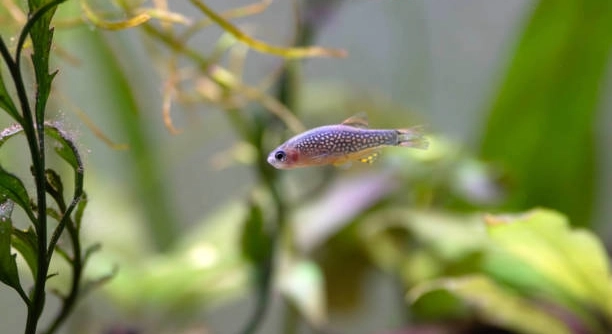
Danios are lively, small fish that often create a flurry of activity during feeding times. Observing them can be both entertaining and informative, revealing their natural behaviors and interactions within the aquarium environment.
During a feeding frenzy, pay attention to swimming patterns, aggression levels, food competition, consumption rate, territorial displays, reactions to different food types, and overall health indicators. These observations provide valuable insight into the species’ behavior and wellbeing in captivity.
Watching these moments closely will help you understand your fish better and maintain a healthy, balanced aquarium environment for them.
Swimming Patterns During Feeding
Danios move quickly and often unpredictably when food is introduced. Observing their swimming patterns can reveal which fish are dominant and which are more timid. Some may dash directly to the food, while others hang back, waiting for an opening. This behavior is natural and reflects their social hierarchy. In smaller tanks, these patterns can become more pronounced as competition increases. Fish may swim in tight circles or dart suddenly, showing excitement and alertness. Noticing these movements can help you identify any stress or discomfort in the tank. Over time, you may recognize individual behaviors and preferences for specific types of food. Monitoring swimming patterns also helps ensure that all fish receive enough nutrition, preventing weaker fish from being overlooked during feeding. Consistent observation allows for adjustments in feeding techniques or tank setup to support a balanced, healthy aquarium.
Tracking these patterns helps maintain harmony and ensures that every fish has access to food and space.
Understanding swimming tendencies during feeding also aids in predicting how changes in tank size, decoration, or feeding frequency will affect behavior. Adjustments can reduce stress, minimize aggression, and support the natural rhythms of your Danios. Additionally, observing their movement allows for early detection of illness or injury, as unusual swimming can be a warning sign. Over time, this awareness builds a better-managed tank where fish thrive both physically and socially.
Aggression and Food Competition
Aggression often emerges when food is limited, with some Danios chasing others away.
Recognizing these interactions is essential to prevent stress and injuries. Aggressive behavior can indicate dominance hierarchies or competition for preferred food types. Observing which fish consistently chase others helps identify those that may need monitoring or adjustments in feeding routines. Creating multiple feeding points or spreading food evenly can reduce conflict.
Careful observation during feeding frenzies can reveal persistent aggressors and more passive fish. Adjusting feeding schedules, food placement, and portion sizes helps balance competition and ensures all Danios receive adequate nutrition. Over time, you may notice that some fish adjust their behavior once feeding strategies change. Ensuring food is accessible to the entire school reduces stress and promotes healthier growth. Proper tank setup, such as adding hiding spots or visual barriers, can also decrease aggressive encounters. By monitoring aggression, you maintain a safer and calmer environment that supports social dynamics and overall well-being in your aquarium.
Reactions to Different Food Types
Danios respond differently to flakes, pellets, or live food. Some prefer moving prey, while others focus on floating or sinking options. Noticing these preferences helps provide a balanced diet and keeps feeding sessions engaging for the fish.
Observing their reactions over multiple feedings allows you to identify patterns. Some Danios may aggressively chase live food, showing higher activity levels and alertness. Others may ignore certain flakes, indicating taste preferences or selective feeding. This information is useful when planning varied meals that meet nutritional needs while encouraging natural behaviors. Offering a mix of food types can prevent boredom and reduce the risk of overfeeding one fish while others miss out. It also allows weaker or shy fish to access food more easily, promoting a healthier tank environment.
Adjusting food types based on reactions can enhance overall fish health. Some foods support growth and coloration better, while others may encourage social interaction or natural hunting instincts. By paying attention, you can optimize feeding for both enjoyment and well-being. Additionally, monitoring reactions helps detect potential issues such as digestive problems or lethargy, which can be addressed early. A consistent observation routine ensures all Danios thrive in their environment and maintain balanced nutrition.
Territorial Displays
Territorial behavior often appears during feeding, with fish staking out preferred spots in the tank.
These displays can include chasing, circling, or posturing toward other Danios. Understanding which areas are claimed allows for better feeding strategies and reduces conflict. Adjusting food placement and tank decor can minimize territorial stress and encourage peaceful interaction among the fish.
Territorial displays may indicate hierarchy and comfort levels within the group. Some Danios become more assertive around feeding areas, protecting space for themselves or their chosen mates. Others retreat to quieter corners to avoid confrontation, revealing natural social dynamics. Recognizing these behaviors allows for better tank management, such as adding hiding spots or visual barriers. Strategically placing multiple feeding points can help distribute food evenly and reduce competition. Over time, observing territorial patterns can inform adjustments in tank layout, decoration, and feeding techniques, leading to a calmer and more balanced environment for all Danios.
Consumption Rate
Some Danios eat rapidly, while others nibble slowly. Observing these differences helps ensure all fish get enough food and prevents overeating or waste accumulation in the tank.
Tracking individual consumption allows you to adjust feeding portions and timing. Faster eaters may require separate feeding methods to avoid leaving slower fish behind.
Health Indicators
Changes in appetite, coloration, or swimming behavior during feeding can signal health issues. Monitoring these signs allows for early intervention.
Regular observation helps detect potential problems before they worsen. Pale coloration, lethargy, or refusal to eat may indicate stress, illness, or dietary imbalance, prompting adjustments to care and environment.
Tank Setup Influence
Placement of plants, decorations, and hiding spots impacts feeding behavior. Proper arrangement encourages natural movement and reduces aggression during mealtime.
Adjusting the tank layout ensures even access to food, prevents overcrowding, and supports both active and shy Danios in maintaining healthy eating habits.
FAQ
How often should I feed my Danios?
Feeding frequency depends on the age and size of your fish. Adult Danios typically do well with two small feedings per day. Juveniles may need three or more smaller portions. Spreading feedings helps prevent overfeeding and reduces stress from competition.
What types of food are best for Danios?
A varied diet is ideal. High-quality flakes or pellets can provide daily nutrition, while occasional live or frozen foods like brine shrimp or daphnia add protein and stimulate natural hunting behavior. Mixing food types also keeps fish active and healthy.
Why do some Danios eat faster than others?
Individual behavior varies. Dominant or more aggressive fish often reach food first, while shy or weaker fish may eat slowly. Observing these differences can help you adjust feeding methods, such as spreading food across multiple locations to ensure everyone eats.
Can Danios overeat?
Yes, overfeeding is common in home aquariums. Excess food can lead to poor water quality and health issues like bloating or digestive problems. Feeding only what can be consumed in a few minutes and removing leftovers helps maintain a balanced environment.
How can I tell if my Danios are stressed during feeding?
Signs of stress include rapid darting, hiding excessively, or refusal to eat. Aggression between fish is another indicator. Monitoring these behaviors allows you to adjust feeding routines, tank setup, or social groupings to reduce stress.
Do Danios prefer certain food textures?
Some Danios favor moving prey over flakes, while others prefer sinking pellets or floating options. Observing preferences during feeding times helps tailor their diet and encourages more natural behaviors. Variety also supports their overall health and activity levels.
How important is tank layout for feeding?
Tank arrangement affects how easily fish access food. Dense plants, rocks, or decorations can provide hiding spots, reducing aggression, but may also create competition for food. Proper placement of feeding areas ensures all fish can eat without unnecessary stress.
What should I do if a fish isn’t eating?
A fish refusing food may be stressed, sick, or simply selective. Offering different food types, checking water quality, and observing for illness can help. Persistent refusal may require isolating the fish temporarily to monitor health and encourage feeding.
Can feeding habits indicate health problems?
Yes, changes in appetite, color, or behavior during feeding often signal issues. Lethargy, paleness, or sudden aggression can point to stress, illness, or nutritional deficiency. Early detection through observation helps prevent more serious health complications.
How can I reduce competition during feeding?
Use multiple feeding points, spread food evenly, and ensure all fish have space to eat. Adding floating or sinking food types at different locations can allow dominant fish to feed without limiting access for others. Observing their behavior helps fine-tune these strategies.
Is it necessary to monitor every feeding?
Consistent observation is very helpful, especially during busy feeding frenzies. Watching interactions and consumption ensures all fish are eating properly and helps catch signs of stress or illness early. Regular monitoring leads to a healthier, more balanced tank environment.
How do I adjust feeding for a new Danio in the tank?
Introduce new fish gradually and observe interactions during meals. They may eat less initially due to shyness or dominance by existing fish. Offering food in calm, multiple locations can help newcomers adapt and prevent stress or malnutrition.
Can overfeeding affect water quality?
Yes, leftover food decomposes, producing ammonia and other harmful compounds. Poor water quality can lead to disease and unhealthy conditions. Feeding the correct amount and promptly removing uneaten food keeps the tank clean and fish healthy.
What is the best way to measure food portions?
Use small scoops, tweezers, or feeding sticks to control portions. Only provide what can be eaten within a few minutes to prevent waste and maintain proper nutrition. Observing how quickly food disappears helps refine future feeding amounts.
Do Danios compete more for certain foods?
Yes, protein-rich or live foods often trigger more aggressive behavior. Spreading these foods across the tank or offering smaller portions can reduce conflict and ensure all fish have a chance to feed. Observing their response helps determine the best feeding approach.
How long does a feeding frenzy usually last?
Feeding frenzies are typically short, often lasting a few minutes. Rapid activity is normal, but prolonged aggression or chaos may indicate overcrowding, stress, or poor feeding practices. Adjusting tank conditions and food distribution can restore calm during meals.
Should I vary feeding times?
Consistency is beneficial, but occasional slight adjustments can keep fish alert and engaged. Feeding at roughly the same times each day maintains routine while allowing observation of behavior and appetite patterns.
How can I encourage shy fish to eat?
Place food near hiding spots and offer smaller portions. Observing their behavior helps you identify the best feeding locations and times, ensuring they receive enough nutrition without being intimidated by more dominant fish.
What signs show that feeding routines are working well?
Healthy Danios are active, alert, and show bright coloration. All fish have access to food, and aggression is minimal. Consistent observation during feeding helps confirm that dietary needs and social balance are being met effectively.
How do feeding habits change with age?
Young Danios are more active and need frequent feedings. Adult fish may eat less often but still benefit from varied food types. Adjusting portion sizes and frequency according to life stage ensures proper growth and health.
Can temperature affect feeding behavior?
Yes, Danios are more active in optimal temperatures. Cold water may slow metabolism, reducing appetite, while warmer water can increase feeding activity. Maintaining stable, appropriate temperatures supports regular feeding and overall health.
How do I know if my Danios are getting enough nutrition?
Signs of adequate nutrition include steady growth, healthy coloration, and normal activity levels. Observing eating behavior and adjusting food types ensures that all fish meet their dietary needs consistently.
Is live food necessary for Danios?
Live food isn’t required but provides enrichment and stimulates natural hunting behaviors. Including occasional live or frozen foods alongside flakes or pellets enhances nutrition, activity, and overall well-being.
What should I do if one fish dominates feeding every time?
Try feeding in multiple locations and spreading portions. Offering food at different levels or using sinking versus floating types can allow less aggressive fish to access meals, reducing stress and promoting fair feeding opportunities.
How can I tell if a feeding frenzy is too intense?
Excessive chasing, injuries, or prolonged aggressive behavior may indicate stress or overcrowding. Adjusting food placement, portion sizes, and tank setup can calm the frenzy and improve social dynamics.
What’s the best way to introduce new food types?
Offer small amounts alongside familiar foods, observing reactions. Gradually increasing quantity allows fish to adapt without creating sudden competition or waste. Monitoring ensures acceptance and prevents nutritional gaps.
How important is variety in a Danio diet?
Variety supports health, stimulates activity, and reduces boredom. Combining flakes, pellets, and occasional live or frozen foods ensures balanced nutrition and encourages natural behaviors. Observing preferences helps maintain a diet that meets all needs.
How do I prevent aggression during feeding?
Spread food across the tank, provide multiple feeding points, and include hiding spaces. Monitoring behavior and adjusting placement or portion sizes reduces dominance conflicts and ensures calmer, fairer feeding sessions.
Can feeding times affect social hierarchy?
Yes, dominant fish often eat first, establishing control. Observing mealtime interactions allows adjustments to ensure less assertive fish also receive food, maintaining balance and reducing stress.
What should I watch for in slow eaters?
Slow eaters may need extra attention or separate feeding spots. Observing their intake ensures they get enough nutrition and aren’t bullied by faster fish. Adjusting portion placement helps maintain health and reduce stress.
How do I balance feeding between aggressive and passive fish?
Provide multiple feeding locations, use varied food types, and monitor behavior. Adjusting portions and placement ensures all fish receive adequate nutrition without excessive conflict or stress.
What environmental factors influence feeding behavior?
Tank size, water quality, temperature, decorations, and lighting all impact feeding. Proper management of these factors promotes healthy, active, and well-fed Danios.
How can I make feeding time safer for all Danios?
Observe interactions, spread food evenly, and include hiding spaces. Monitoring behavior allows early intervention if aggression occurs, ensuring all fish eat comfortably and safely.
What are the signs of overeating?
Bloating, lethargy, and leftover food indicate overfeeding. Adjusting portions and frequency helps prevent health issues and maintains water quality.
Is it normal for Danios to fight during feeding?
Mild chasing is normal due to natural hierarchy. Persistent aggression or injuries suggest adjustments in feeding strategies or tank setup are needed to maintain balance and reduce stress.
How do I maintain consistent feeding habits?
Feed at regular times, measure portions, and observe behavior. Consistency supports health, reduces stress, and ensures all fish receive adequate nutrition.
Can stress affect appetite in Danios?
Yes, stress can cause refusal to eat or erratic behavior. Reducing aggression, providing hiding spaces, and monitoring tank conditions helps maintain regular feeding patterns.
How can I track individual fish during feeding?
Observing patterns, noting dominant or shy behaviors, and adjusting feeding placement helps ensure all fish are accounted for and receive proper nutrition.
What’s the best way to manage leftovers?
Remove uneaten food promptly to prevent water quality issues. Adjust portion sizes to reduce waste and maintain a healthy environment.
How can feeding habits inform tank management?
Behavior during feeding reveals social hierarchy, stress, and health. Adjusting food types, placement, and tank layout improves nutrition, reduces aggression, and promotes well-being.
How important is observation during feeding?
Consistent observation is critical. It helps monitor health, behavior, and consumption, allowing early detection of problems and maintaining a balanced and safe environment for all Danios.
Can diet affect coloration and activity?
Yes, a balanced diet enhances color, growth, and activity. Observing responses to food types helps ensure fish remain vibrant, active, and healthy.
How should I adjust feeding for small versus large tanks?
In smaller tanks, food spreads less evenly, increasing competition. Multiple feeding points and careful observation prevent stress and ensure all fish have access.
What role does water quality play in feeding behavior?
Poor water conditions can reduce appetite and increase aggression. Maintaining clean water and proper parameters supports healthy feeding patterns and overall well-being.
How can I identify picky eaters?
Fish that consistently ignore certain foods may be selective. Offering variety and monitoring behavior ensures they receive adequate nutrition.
How long should I watch a feeding session?
A few minutes is often sufficient. Focus on interactions, consumption, and behavior to detect issues early and make adjustments as needed.
What’s the best approach for mixed-species tanks?
Observe differences in speed, aggression, and preferences. Adjust food type, placement, and timing to accommodate all species safely.
Can feeding influence reproduction?
Adequate nutrition supports breeding readiness and health. Observing responses to protein-rich or varied foods can encourage natural reproductive behaviors.
How do I prevent disease through feeding?
Feed appropriate portions, remove leftovers, and offer a balanced diet. Monitoring reactions helps detect illness early and reduces the risk of contamination.
How do I balance diet and enrichment?
Use a mix of food types, textures, and feeding methods to provide both nutrition and stimulation. Observing engagement ensures a healthy, active tank environment.
How important is portion control?
Critical for health and water quality. Overfeeding can cause bloating, disease, and waste accumulation. Measuring portions maintains balance and prevents problems.
Can feeding help detect early illness?
Yes, changes in appetite or behavior during feeding often signal health issues. Early detection allows prompt care and improves outcomes.
How should I store Danio food?
Keep food sealed, dry, and cool. Proper storage preserves nutrition and prevents spoilage, ensuring each feeding is safe and healthy.
What adjustments are needed for seasonal changes?
Temperature fluctuations may affect appetite and activity. Adjust feeding frequency and portions accordingly to match metabolism and behavior changes.
Can feeding routines reduce aggression?
Yes, consistent schedules, multiple feeding points, and even food distribution minimize conflict and promote calmer, fairer interactions during meals.
How do I introduce new fish to feeding routines?
Feed gradually, observe interactions, and provide multiple locations. This ensures newcomers adapt without being stressed or deprived of food.
Are certain foods better for active Danios?
High-protein options like brine shrimp or daphnia support energy needs. Mixing with flakes or pellets ensures balanced nutrition.
How do I know if feeding changes are working?
Healthy, active fish, minimal aggression, and no leftover food indicate success. Observing patterns over time confirms adjustments are effective.
Can feeding times affect tank cleanliness?
Yes, excess food decomposes quickly. Proper portioning, removal of leftovers, and multiple feeding points help maintain water quality and prevent stress.
How can I encourage natural foraging behavior?
Scatter food, use live or frozen prey, and vary feeding locations. Observation ensures engagement and reduces dominance conflicts.
Is it necessary to track each fish individually?
For larger tanks or mixed behaviors, tracking ensures all fish eat properly. Observation informs adjustments and supports overall health.
How do feeding habits reflect social structure?
Dominance, aggression, and food access reveal hierarchy. Understanding patterns allows interventions to balance competition and reduce stress.
Can feeding be used as enrichment?
Yes, providing variety, movement, and challenges during meals stimulates natural behavior and mental activity, keeping Danios active and healthy.
What should I avoid during feeding?
Overfeeding, uneven distribution, and ignoring behavior can cause stress, poor health, and water quality issues. Careful observation prevents these problems.
How do I balance nutrition and behavior?
Select varied foods, distribute evenly, and monitor interactions. Adjust portions and locations to support both health and natural behaviors in the tank.
What’s the role of observation in long-term care?
Feeding times reveal health, social dynamics, and dietary needs. Consistent observation ensures proper care, prevents problems, and maintains a thriving aquarium.
How do I handle aggressive eaters?
Multiple feeding points, varied food types, and strategic placement reduce dominance. Observation ensures all fish have access and stress is minimized.
How can feeding routines support overall health?
Consistent, balanced feedings encourage growth, coloration, activity, and reduce stress. Adjusting based on observation ensures all fish thrive physically and socially.
What signs indicate feeding adjustments are needed?
Uneaten food, aggressive behavior, or sluggish fish signal changes in portion, placement, or food type are necessary. Observing consistently ensures proper care.
How do I maintain balance in a busy tank?
Use multiple feeding points, monitor interactions, and adjust food types. Observation ensures even access and minimizes conflict, promoting a healthy environment.
What are the common mistakes to avoid?
Overfeeding, ignoring slow eaters, uneven distribution, and poor observation lead to stress, health problems, and poor water quality. Careful monitoring prevents these issues.
How do I know if my feeding strategy is effective?
Active, healthy, and well-fed fish with minimal aggression indicate a successful routine. Regular observation confirms the approach works.
Can feeding schedules influence behavior long-term?
Yes, consistent routines support predictable activity, reduce stress, and reinforce social hierarchy while promoting proper nutrition and healthy growth.
What’s the best approach for large groups of Danios?
Multiple feeding points, varied food types, and careful observation ensure balanced nutrition and minimize competition, keeping all fish active and healthy.
How do I prevent dominant fish from monopolizing food?
Distribute food evenly, use multiple feeding levels, and monitor behavior. Adjusting placement allows less assertive fish to feed safely.
Can feeding help detect environmental issues?
Refusal to eat or erratic behavior can indicate water quality or tank setup problems. Observation helps identify and resolve these issues early.
How do I maintain engagement during feeding?
Vary food types, placement, and timing. Observation ensures all fish remain active, healthy, and properly nourished.
What are the key points to remember about feeding Danios?
Observe behavior, provide variety, control portions, spread food evenly, and adjust for individual needs. Consistent monitoring supports health, social balance, and overall well-being.
How does age affect feeding routines?
Younger fish need more frequent meals; adults require fewer but still benefit from variety. Observation helps tailor routines appropriately.
Can feeding routines influence growth and coloration?
Yes, balanced nutrition and varied diet enhance development, vibrancy, and vitality. Observing responses ensures dietary needs are met consistently.
How do I balance nutrition with minimizing waste?
Measure portions carefully, remove leftovers promptly, and observe consumption. Adjust based on behavior and tank size to maintain a clean, healthy environment.
How do I use observation to refine feeding strategies?
Monitor interactions, consumption, aggression, and health. Adjust portion size, placement, and food type to optimize nutrition and reduce stress, ensuring a balanced and thriving aquarium.
What’s the impact of feeding on social dynamics?
Feeding highlights hierarchy, competition, and behavior patterns. Observing these moments allows adjustments that promote harmony, reduce aggression, and support the well-being of all Danios.
Can feeding habits reveal hidden issues?
Yes, changes in appetite, pace, or behavior may indicate illness, stress, or environmental problems. Early detection through careful observation ensures prompt intervention and care.
How should I approach feeding in a mixed-age tank?
Adjust portion sizes and frequency according to fish size and age. Observing interactions ensures both young and adult Danios access food and remain healthy.
How does temperature impact feeding efficiency?
Optimal temperatures maintain metabolism and appetite. Colder water slows feeding activity, while too warm can increase competition. Monitoring behavior ensures adjustments maintain healthy intake.
What role does food placement play?
Strategic placement reduces dominance conflicts, supports shy fish, and ensures even distribution, promoting healthier and calmer feeding sessions.
Can feeding routines be improved over time?
Yes, observing behavior, consumption, and social interactions allows adjustments that optimize nutrition, reduce aggression, and support overall health in the tank.
How do I maintain balance in competitive tanks?
Multiple feeding points, varied food types, and careful monitoring prevent dominant fish from monopolizing meals and ensure all Danios receive adequate nutrition.
Can feeding influence long-term health outcomes?
Proper portions, variety, and observation prevent obesity, stress, and illness. Consistent routines promote growth, coloration, and vitality throughout life.
What’s the role of consistency in feeding?
Regular schedules and portion sizes reduce stress, maintain health, and encourage predictable behavior, supporting a balanced and thriving aquarium.
**How do I handle unexpected changes in feeding
Danios are lively and social fish whose behavior during feeding times reveals a lot about their health and temperament. Observing them closely helps identify differences in appetite, speed, and aggression. Some fish may dart quickly to the food while others hang back, waiting for an opportunity to approach. These variations are natural and reflect their personalities as well as their place in the tank hierarchy. Paying attention to how each fish responds allows you to make small adjustments, such as spreading food across multiple points or offering varied food types, so that every fish has access to nutrition without excessive stress. Over time, consistent observation builds a better understanding of each individual fish and helps maintain a peaceful and balanced environment.
Feeding frenzies also provide insight into potential issues that may not be immediately visible. Rapid chasing, repeated aggression, or refusal to eat can indicate stress, illness, or dietary imbalances. Monitoring these signs allows for early intervention before problems become more serious. Adjustments might include changing the type of food offered, altering feeding locations, or providing additional hiding spots to reduce competition. Even subtle changes, like the speed at which a fish approaches the food or the amount consumed, can signal how well it is adapting to its environment. By using feeding sessions as an opportunity to watch behavior, you can make informed decisions that promote both the physical health and emotional well-being of your Danios, ensuring that each fish thrives in the tank.
Maintaining a structured feeding routine also supports long-term care and overall tank stability. Providing consistent portions at regular times helps prevent overfeeding and reduces waste, which is essential for water quality. A varied diet contributes to proper growth, coloration, and activity levels, while careful placement of food and observation of social dynamics ensures that shy or smaller fish are not left behind. Understanding the nuances of feeding behavior encourages a proactive approach, allowing you to anticipate needs and address problems quickly. In the end, careful attention during feeding frenzies strengthens your ability to care for the aquarium as a whole. By watching and adjusting based on your observations, you create an environment where Danios can display natural behaviors, maintain health, and interact with minimal stress, resulting in a lively, balanced, and thriving tank.

Hello,
If you enjoy the content that we create, please consider saying a "Thank You!" by leaving a tip.
Every little bit helps us continue crafting quality advice that supports the health, happiness, and well-being of pets around the world, for pets of all shapes, sizes, and species.
We really appreciate the kindness and support that you show us!