
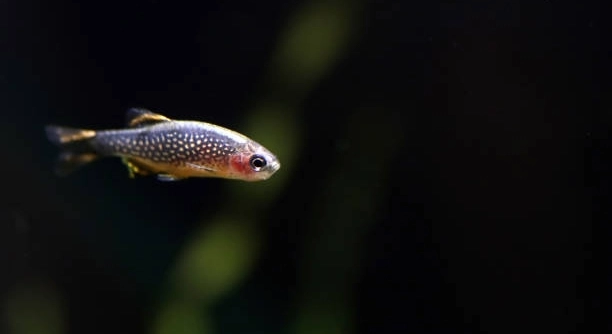
Danios are lively little fish that often bring energy to a home aquarium. Their small size and active swimming make them popular among hobbyists who enjoy watching them glide through the water every day.
When left alone for seven days, danios can survive without serious harm if their tank is properly maintained. They may eat stored food or rely on algae and leftover nutrients, but their activity levels can decrease, and stress may increase during prolonged absence.
Knowing how danios respond to short-term neglect helps ensure their wellbeing. Small adjustments in care routines can make a noticeable difference in their health and comfort.
How Danios Handle a Week Alone
Danios are hardy fish that can manage short periods without direct care, but their environment plays a big role in how well they cope. In a well-maintained tank, the filtration system helps keep the water clean, and leftover food or algae can provide minimal sustenance. Even so, some danios may appear less active, hiding more than usual or swimming more slowly. Temperature stability is also important because sudden changes can increase stress and reduce their appetite. While seven days is not ideal, a stable environment minimizes risks. Regular water changes before leaving them can help prevent toxic buildup. Properly sized tanks with plants and hiding spaces allow them to feel safe during temporary absences. Monitoring the tank after returning is essential, as signs of stress or illness may not be immediately obvious. These small steps ensure their health and reduce the likelihood of complications after a short period alone.
Danios can survive a week alone, but careful tank preparation ensures they remain healthy and stress-free throughout the time.
Even small changes in care before leaving can make a big difference. Adding automatic feeders or increasing tank enrichment helps maintain normal behavior. Plants, decorations, and adequate space reduce stress and allow danios to stay active. Checking water parameters before leaving prevents harmful chemical buildup. Observing them after returning ensures they recover quickly and any health issues are addressed early. These practical steps let you leave your tank temporarily with minimal impact on the fish.
Preparing the Tank Before Absence
Always clean the tank and remove leftover food before leaving.
Ensuring proper care starts with preparation. Clean the substrate to remove debris and excess waste, which prevents harmful toxins from accumulating. Check filters and replace or clean them as needed to maintain water flow. Adjust water temperature to remain stable during your absence. Installing an automatic feeder helps provide consistent food, preventing both overfeeding and starvation. Adding live plants can improve oxygen levels and provide hiding spots. Double-check that the tank is securely covered to prevent fish from jumping out or debris from falling in. If possible, have someone check on the tank periodically to ensure everything remains in good condition. Small steps taken before leaving can significantly reduce stress and improve your danios’ well-being, allowing them to handle the short-term separation more comfortably.
Signs of Stress in Danios
Stress in danios often shows through subtle behavior changes. They may hide more, swim slowly, or ignore food. Faded colors and occasional erratic movements can also indicate discomfort. Recognizing these signs early helps prevent long-term health problems and keeps the tank environment safer.
Prolonged absence or minor environmental changes can increase stress levels in danios. When left alone, even small issues like fluctuating water temperature, insufficient oxygen, or leftover food buildup can cause discomfort. Stressed danios may become more prone to disease, and their immune systems can weaken. Watching for unusual swimming patterns, clamped fins, or reduced activity provides insight into their condition. Addressing these changes promptly can prevent more serious problems. Keeping water parameters stable and the tank environment enriched with plants or decorations helps reduce stress during temporary absences.
Danios’ response to stress is individual. Some fish tolerate short periods alone better than others, depending on age, health, and tank conditions. Social dynamics in groups can also influence behavior, as dominant fish may become more aggressive while others retreat. Monitoring their interactions and adjusting tank elements, like hiding spots and plant coverage, supports calmer behavior. After returning, gradual feeding and water checks help them readjust. Observing changes over a few days allows for timely interventions if necessary, keeping all the fish healthier and more comfortable after the temporary isolation.
Feeding Considerations During Absence
Automatic feeders or pre-measured food portions can prevent overfeeding or starvation.
When leaving danios alone for several days, planning their feeding is crucial. Automatic feeders provide consistent, controlled portions, which prevents water quality issues from leftover food. Alternatively, pre-measured food that slowly disperses can sustain them. Overfeeding while away may pollute the tank and harm the fish. Underfeeding may stress them, reducing immunity and activity. Freeze-dried or pellet foods that expand slowly in water can help maintain nutrition. Ensuring that food is appropriate for danios’ size and dietary needs supports their overall health. Maintaining a balance between nutrition and tank cleanliness is key during temporary absences.
Water Quality Maintenance
Stable water quality is essential when danios are left alone. Regular filtration keeps waste under control, while water parameters like pH, ammonia, and nitrite should remain within safe levels to prevent stress and illness during short absences.
Adding live plants helps absorb excess nutrients and provides oxygen. They also offer hiding spaces, reducing stress. Avoid overfeeding, as leftover food can degrade water quality quickly. Checking the tank before leaving ensures filters are working properly. Small adjustments in care routines before leaving can significantly improve water stability.
Observing Behavior After Return
Watch for changes in activity, appetite, and interaction with other fish. Slow swimming, clamped fins, or hiding can indicate lingering stress.
After returning, gradually reintroduce feeding and monitor the tank. Immediate changes in behavior may be subtle, so continuous observation is important. Adjusting the environment, like adding temporary hiding spots or slightly lowering light intensity, can help fish readjust. Recheck water parameters and ensure the filtration system is functioning optimally. Healthy danios will resume normal swimming patterns, regain color, and interact normally with tank mates. Patience and consistent care help them recover fully from a brief absence.
Tank Enrichment Ideas
Adding plants, decorations, and hiding spots keeps danios active and reduces stress during absence. A varied environment encourages natural behaviors like exploring and schooling.
Preparing for Longer Absences
If planning to be away longer than a week, additional measures like a trusted caretaker or more advanced automatic feeders become necessary. Ensuring a stable environment minimizes risks and maintains fish health over extended periods.
FAQ
How long can danios survive without feeding?
Danios are hardy fish and can survive for about a week without direct feeding if their tank is properly maintained. They may nibble on leftover food, algae, or biofilm, but this is not a substitute for regular feeding. Extended periods without proper nutrition can weaken their immune system and reduce activity.
Will danios get sick if left alone for seven days?
If the tank is clean, filtered, and water parameters are stable, the risk of illness is low. However, stress from changes in environment, temperature fluctuations, or limited food can increase susceptibility to disease. Observing them after your return helps identify early signs of illness.
Do I need an automatic feeder for a week-long absence?
An automatic feeder is a practical solution for short-term absences. It provides consistent, measured portions, preventing overfeeding or starvation. Pre-measured slow-dissolving foods can also work, but feeders offer more control and reduce the chances of water quality issues.
How can I tell if my danios are stressed?
Signs of stress include hiding, reduced swimming activity, clamped fins, faded colors, and erratic movements. Social interactions may change, with dominant fish showing more aggression and others retreating. Recognizing these signs early allows you to take steps to reduce stress and maintain overall health.
Can danios survive in a tank without plants or decorations?
While they can survive in a bare tank, plants and decorations provide enrichment and hiding spaces that reduce stress. They also improve water quality by absorbing excess nutrients. A bare tank may lead to boredom, aggression, and increased stress, especially during periods of absence.
What should I check before leaving for several days?
Check that filters are working properly, water parameters are within safe ranges, and leftover food is removed to prevent decay. Make sure temperature is stable and provide hiding spots. If possible, set up an automatic feeder or prepare slow-dissolving food to maintain nutrition.
How quickly do danios recover after being left alone?
Recovery depends on tank conditions and fish health. Many danios resume normal activity within a day or two if the environment is stable. Monitoring their behavior, feeding response, and interactions ensures any lingering stress or health issues are addressed promptly.
Is it safe to leave multiple danios alone together?
Yes, danios are schooling fish and do well in groups. However, social dynamics can affect behavior during absence. Dominant fish may stress weaker ones. Adequate space, hiding spots, and consistent feeding help maintain harmony and reduce stress in a group setting.
Do temperature fluctuations affect danios when left alone?
Yes, sudden changes in temperature can stress danios, reducing appetite and immune response. Ensuring a stable tank temperature, ideally within their preferred range, is critical. Small fluctuations may be tolerable for short periods, but stability is always best.
Can I leave danios with other fish for a week?
Yes, but monitor species compatibility. Aggressive or territorial fish can stress danios if left alone without supervision. Provide hiding spaces and adequate tank size to reduce conflict. Groups of peaceful fish usually adjust well during short absences.
How often should I check water quality if I’m away?
Ideally, someone should check the tank once or twice during your absence if possible. Testing for ammonia, nitrite, nitrate, and pH ensures water remains safe. If this is not feasible, thorough preparation and filtration before leaving are critical to minimize risk.
Are older danios more affected by short absences?
Older fish may be slightly more sensitive to stress and lack of food. Ensuring a stable environment, proper feeding before leaving, and monitoring upon return helps protect their health and allows them to recover more comfortably.
Do danios need special food when left alone?
Regular flake or pellet food works fine. Using slow-dissolving pellets or an automatic feeder ensures consistent nutrition. Avoid overfeeding, as leftover food can harm water quality. Balanced feeding before leaving reduces stress and keeps them healthy.
Can I leave danios alone in a small tank?
Small tanks require more attention to water quality. Leaving danios alone in a small tank increases the risk of toxic buildup. Frequent cleaning, strong filtration, and limited feeding are essential to maintain a safe environment. Proper preparation is critical to prevent stress or illness.
What should I do if I notice unhealthy behavior after returning?
Remove any leftover food, check water parameters, and isolate sick fish if necessary. Gradually resume normal feeding and monitor closely for recovery. Adjust tank environment, like adding hiding spaces or improving water quality, to help danios regain normal behavior and activity.
How does group size affect danios when left alone?
Larger groups provide social comfort, reducing stress, but also increase food and waste needs. Proper preparation and feeding are essential. Smaller groups may experience more stress if isolated, so tank conditions must be carefully managed to ensure everyone remains healthy and active.
Are danios more active at certain times during absence?
Danios maintain natural activity patterns, but they may become less active when stressed or hungry. Maintaining consistent lighting and environmental conditions supports normal behavior. After returning, they often resume normal swimming, schooling, and feeding routines quickly.
Do danios remember periods of absence?
Danios do not hold long-term memories of being alone, but they react to immediate changes in their environment. Stable water, consistent food, and familiar surroundings help them readjust quickly after a short absence. Their behavior is primarily influenced by current conditions rather than past neglect.
Can leaving danios alone affect breeding?
Prolonged absence can temporarily affect breeding behavior. Stress, reduced activity, or limited food may delay mating or egg-laying. Maintaining stable conditions and adequate nutrition before and after absence helps preserve reproductive health in healthy adult fish.
Is it safe to leave danios alone during vacations longer than a week?
Longer absences require more planning. Automatic feeders, trustworthy caretakers, and thorough tank preparation become critical. Regular water checks or splitting care responsibilities can prevent stress, illness, or environmental problems. Proper preparation is essential for extended periods away from the tank.
Final Thoughts
Leaving danios alone for seven days can seem worrying, but with proper preparation, they usually manage well. These small, resilient fish are capable of surviving short periods without direct feeding if their environment is stable. Tanks that are properly filtered, have stable water parameters, and contain plants or hiding spots provide a safe space for danios to remain active and healthy. Preparing the tank before leaving, such as removing leftover food, checking filters, and ensuring temperature stability, can significantly reduce stress. Even small adjustments like adding extra hiding spots or arranging decorations thoughtfully can help danios feel secure during your absence.
Monitoring water quality is one of the most important steps to ensure their safety. Ammonia, nitrite, and nitrate levels can rise quickly if a tank is neglected, especially in smaller setups. Overfeeding right before leaving may seem helpful, but it can cause water pollution and create a stressful environment for the fish. Using an automatic feeder or slow-dissolving food helps maintain nutrition while preventing leftover food from accumulating. Live plants also play a role in maintaining water quality by absorbing excess nutrients and providing oxygen. A well-prepared tank reduces the risk of illness, keeps danios active, and helps maintain normal behaviors, even during a temporary absence.
After returning, it is important to observe their behavior closely. Danios may appear less active or hide more than usual at first, but these signs usually fade once they readjust. Gradually resuming feeding and checking water parameters ensures that the environment remains safe. Watching for changes in swimming patterns, color, or social interactions helps detect any lingering stress or health concerns. Even though a week alone may seem long, well-cared-for danios typically recover quickly and continue thriving. Consistent preparation, attention to water quality, and thoughtful observation allow them to remain healthy, calm, and active, demonstrating their hardiness and adaptability in a temporary period of solitude.

Hello,
If you enjoy the content that we create, please consider saying a "Thank You!" by leaving a tip.
Every little bit helps us continue crafting quality advice that supports the health, happiness, and well-being of pets around the world, for pets of all shapes, sizes, and species.
We really appreciate the kindness and support that you show us!