
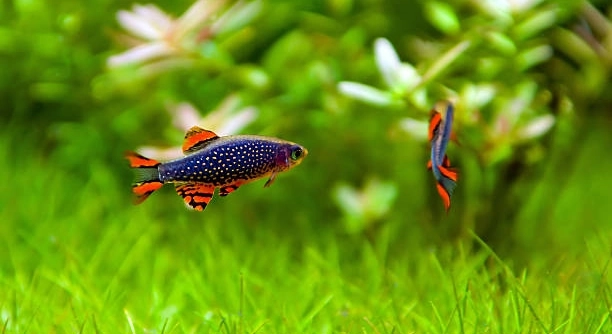
Have you ever noticed your danio hovering in one spot for a while, barely moving its fins, and wondered if it was resting or unwell? Observing their behavior closely can help you understand what your fish is experiencing in the tank.
Danios often rest quietly near plants or decorations, reducing movement while keeping gill activity steady. This is a normal, healthy behavior and should not be mistaken for illness. Regular observation of posture, coloration, and swimming patterns confirms resting rather than stress or disease.
Learning to identify these subtle cues will make caring for your danios easier. Recognizing normal resting habits ensures a healthier and less stressful environment for your fish.
Recognizing Subtle Movements
When a danio is resting, it will often stay in one place but continue subtle movements. You might notice its fins twitch slightly or its gills moving steadily. These small motions indicate that the fish is still breathing normally and maintaining balance. Even though the fish appears inactive, it is alert to its surroundings. Observing these movements over time helps you distinguish resting from illness. Resting spots are often near plants, decorations, or the tank bottom, where the fish feels safe. The fish may shift occasionally but will not dart suddenly or swim erratically. Pay attention to patterns of movement over several days to understand what is normal for your individual danio. Variations in swimming speed or position may signal other factors, but consistent subtle movements usually confirm restful behavior. Keeping the tank calm and maintaining water quality supports these healthy resting periods.
Subtle fin twitches and steady gill movement are key indicators of a resting danio. Recognizing them reduces unnecessary worry.
Observing your danio closely, you can see how it chooses resting spots and how it behaves when calm. Resting is part of their natural rhythm, and even small gestures, like slight fin flicks or gentle shifts in position, are normal. Fish may tuck themselves behind plants or hover near tank walls, showing preference for quiet areas. These behaviors are consistent and predictable for a healthy danio. When resting, the fish maintains a smooth posture and avoids rapid movements, unlike when stressed or sick. Keeping the tank environment stable, with appropriate lighting and temperature, supports these restful periods. Over time, you may notice patterns, such as preferred resting times during the day. Documenting these observations can help you detect changes that may indicate health concerns. Consistent care, feeding routines, and monitoring behavior ensure that resting remains a natural and safe part of your danio’s life.
Color and Body Posture
A danio’s coloration and body posture reveal a lot about its state of rest.
Healthy resting danios maintain bright, natural colors without dull patches or unusual spots. Their bodies remain straight or slightly curved, but not limp or slouched. Changes in color, such as fading or blotching, often indicate stress or disease, while a resting fish keeps its usual appearance. The fins remain upright or gently moved, supporting a relaxed posture rather than showing tension or clamping. Observing these details regularly helps you confirm whether the fish is simply resting. Environmental factors like water temperature, light, and tank setup influence posture and comfort, so adjusting these can encourage normal resting behavior. Avoid sudden movements near the tank, which might startle the fish and disrupt resting periods. Healthy resting behavior also includes responding calmly to feeding or tank activity. Tracking posture and coloration over time allows you to identify patterns and maintain a stable, supportive environment for your danios. Understanding these subtle indicators ensures accurate recognition of normal resting versus potential health concerns, leading to better long-term care and a peaceful tank atmosphere.
Position in the Tank
Resting danios often stay near the bottom or in quieter corners of the tank. They avoid open, high-traffic areas, choosing spots where they feel safe and can remain undisturbed while still observing their surroundings.
These positions allow the fish to conserve energy while remaining alert. Plants, rocks, or decorations provide shelter, giving them a sense of security. Even when resting, they may occasionally shift slightly, maintaining balance or adjusting to subtle water currents. Their movement is slow and controlled, never frantic or erratic. Observing these habits over time helps distinguish resting behavior from signs of stress or illness. Consistency in these preferred spots indicates normal activity, showing that the fish is simply taking a break. Adjusting tank layout to offer comfortable resting areas supports their natural behavior.
Danios resting near the tank bottom or edges often exhibit relaxed fins and gentle gill movements. These areas are chosen for safety and minimal disturbance. Even when feeding or interacting, they return to these positions. Regular observation confirms whether behavior is normal, helping maintain a calm environment. Recognizing these patterns ensures the fish’s health and comfort, giving you confidence that your danio is simply resting, not showing distress or illness.
Interaction with Tank Mates
Resting danios usually maintain mild awareness of other fish, avoiding conflict but not hiding completely. They remain in their chosen area while keeping track of nearby movement and activity.
These fish may glance around, subtly adjusting their posture if a tank mate comes close. They rarely initiate aggression or chase others while resting, showing that low activity does not mean disinterest. Resting periods are quiet, but they still acknowledge feeding times or slight disturbances. Tank mates that are more active may pass by without disrupting them, as the resting danio prioritizes energy conservation. Observing these interactions confirms that the fish is resting and healthy. It also highlights social dynamics in the tank. Creating balanced groups and providing enough space prevents stress, allowing each danio to rest without interference from others. Stable water conditions and calm surroundings support positive interactions, ensuring both active and resting fish coexist peacefully.
Breathing Patterns
Resting danios maintain a steady, calm breathing rhythm. Their gills move gently without rapid or heavy motion, showing the fish is relaxed and not under stress.
Consistent breathing indicates proper oxygen intake and normal metabolism. Sudden changes in rate or effort can signal discomfort or illness, which is not present during resting periods.
Response to Light
Danios often reduce movement when the tank light dims. They may hover or settle near decorations while still observing their surroundings, conserving energy.
Appetite During Rest
Resting periods do not usually affect feeding. Danios will swim to eat when food is offered, then return to their resting spot once satisfied, showing a balance between energy conservation and normal activity.
Time of Day Patterns
Danios tend to rest more during quieter parts of the day. These periods are predictable and consistent, aligning with their natural rhythm, allowing them to regain energy efficiently.
FAQ
How can I tell if my danio is just resting or sick?
A resting danio will stay in one spot but maintain gentle gill movement and subtle fin activity. Its coloration stays consistent, and the body posture remains relaxed, not limp or clamped. Sick fish often show erratic swimming, rapid or labored breathing, faded colors, or unusual spots. Monitoring your fish over several days helps identify normal resting behavior versus potential health concerns. Consistent, calm behavior in familiar spots usually confirms rest rather than illness.
Is it normal for danios to rest at the bottom of the tank?
Yes, many danios choose lower areas or corners for resting. These spots provide security and allow the fish to conserve energy while staying aware of surroundings. The behavior is natural and does not indicate a problem unless accompanied by other concerning signs like lethargy or clamped fins.
Do danios need a specific resting schedule?
Danios do not follow a strict schedule, but they often rest during quieter periods of the day. Dim lighting or reduced activity in the tank encourages restful behavior. Observing patterns over time helps predict when your fish will take breaks, but occasional variations are normal. Providing a calm environment supports these natural resting times.
Can tank conditions affect resting behavior?
Absolutely. Water temperature, cleanliness, and lighting influence resting patterns. Stable temperatures, proper filtration, and low-stress conditions encourage normal rest. Sudden changes in environment can cause stress, making fish hide, dart, or refuse to rest. Maintaining consistent conditions helps your danios feel secure and supports healthy energy conservation.
Will resting affect feeding habits?
Resting generally does not impact appetite. Danios will swim to eat when food is offered and return to their resting spot afterward. A sudden refusal to eat, paired with unusual behavior or appearance, may indicate illness rather than normal rest. Regular feeding schedules aligned with their activity periods help maintain health.
How long do danios usually rest?
Resting periods vary but often last several minutes to an hour at a time. Fish may take multiple short rests throughout the day. Observing the fish over several days allows you to understand its natural rhythm. Long periods of inactivity without other activity may require monitoring to rule out health issues.
Do tank mates affect resting behavior?
Yes, more active or aggressive fish can disrupt resting danios. Fish often choose quieter corners or lower areas to avoid interactions. Providing enough space, hiding spots, and balanced group dynamics ensures that all fish, whether active or resting, can coexist without stress. Watching social interactions helps determine whether rest is normal.
Can I tell by posture if a danio is resting?
Posture is a clear indicator. Resting danios maintain a straight or gently curved body, relaxed fins, and a steady orientation. Slouched or tightly clamped fins often suggest stress or illness. Observing posture in combination with breathing, color, and movement gives a reliable picture of resting behavior.
Does age affect resting habits?
Younger danios are more active and may take shorter rests, while older fish may rest more frequently. Both patterns are normal as long as breathing, color, and response to stimuli remain healthy. Adjusting tank conditions and providing adequate shelter benefits fish of all ages.
What signs indicate rest is turning into a problem?
Watch for faded coloration, clamped fins, erratic swimming, or loss of appetite. Breathing that is rapid, labored, or uneven is another red flag. Consistent monitoring allows you to distinguish between normal rest and early signs of illness, helping maintain a healthy tank environment.
Can I encourage my danio to rest safely?
Yes, keeping the tank calm, stable, and well-structured encourages normal rest. Provide hiding spots, maintain steady water temperature, and avoid sudden changes in lighting or movement. Gentle observation and minimal disruption support natural resting periods without stressing the fish.
Is it okay if a danio rests during feeding time?
Occasionally resting during feeding is normal. Fish may swim to eat and return to their resting spot afterward. If a fish consistently ignores food or shows other concerning signs, it may indicate illness rather than normal resting behavior. Maintaining regular feeding schedules helps you spot unusual patterns quickly.
Do resting danios interact with each other?
Resting danios remain aware of tank mates but rarely engage actively. They may adjust position slightly when other fish pass by but avoid confrontation. Balanced groups and adequate space ensure peaceful coexistence, letting each fish rest without interference. Observing these social behaviors confirms that rest is normal.
Can I track resting behavior for health monitoring?
Yes, documenting resting spots, duration, and patterns helps identify deviations from normal behavior. Changes in frequency, location, or posture may indicate stress or illness. Regular observation is a practical way to maintain health and ensure a calm environment for your danios.
How do environmental changes influence resting?
Sudden changes in temperature, lighting, or tank activity can disrupt resting. Danios may hide, swim erratically, or reduce activity temporarily. Stable conditions, minimal disturbances, and predictable routines support normal resting behavior, ensuring fish remain healthy and stress-free.
Are resting patterns different at night?
Danios often rest more when the tank lights are dimmed or turned off. Nighttime resting is natural, but some movement may continue. Consistency in lighting cycles and tank conditions supports their natural rhythm, allowing them to rest efficiently while remaining healthy.
Resting is a normal and important part of a danio’s daily routine. Unlike sleeping in mammals, fish rest while remaining alert, often hovering quietly in a corner of the tank or near decorations. During these periods, movement slows, gills continue to operate steadily, and fins may twitch gently. Recognizing these subtle behaviors is key to understanding your fish’s health. When a danio is resting, its coloration stays consistent, and its body posture remains relaxed. These moments allow the fish to conserve energy while staying aware of its surroundings, which is essential for maintaining overall well-being. By observing your danios closely, you can notice patterns in their behavior and distinguish resting from signs of illness or stress. A calm, well-structured tank environment supports these natural resting periods and helps fish feel secure.
Maintaining the right conditions in the tank is just as important as recognizing rest. Stable water temperature, clean filtration, and consistent lighting create an environment where danios can rest comfortably. Providing hiding spots and plants encourages them to select safe areas to pause and regain energy. Even when resting, fish respond to stimuli, such as tank mates moving nearby or food being offered. A fish that swims to eat and then returns to its resting spot demonstrates healthy behavior. Tank mates also influence resting habits, so ensuring balanced groups and enough space is important. Over time, observing where and how your fish rests can reveal preferences, like certain corners or plants they favor. These patterns help you create a supportive environment that aligns with their natural instincts.
Understanding resting behavior also reduces unnecessary worry. Many new fish owners mistake inactivity for illness, but subtle indicators like steady gill movement, upright fins, and normal coloration confirm rest. Recognizing these signs allows for more accurate monitoring of health and behavior. Keeping track of resting patterns can also help detect early changes that might indicate stress or health problems. By combining careful observation with proper tank maintenance, you can ensure that your danios are comfortable and healthy. These small, quiet moments of rest are essential for their energy management, stress reduction, and overall longevity. Paying attention to them fosters a better understanding of your fish’s needs, creating a calm and balanced tank environment where they can thrive naturally.

Hello,
If you enjoy the content that we create, please consider saying a "Thank You!" by leaving a tip.
Every little bit helps us continue crafting quality advice that supports the health, happiness, and well-being of pets around the world, for pets of all shapes, sizes, and species.
We really appreciate the kindness and support that you show us!