
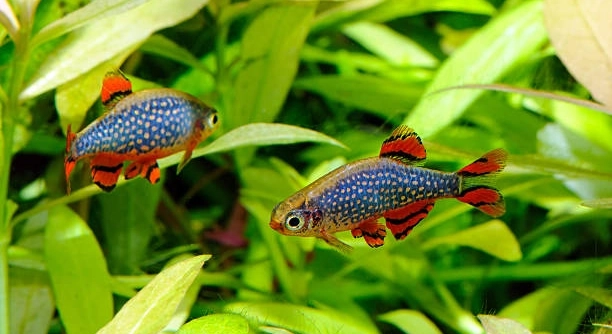
Danios are lively, social fish that can brighten any aquarium. Observing sudden changes in their behavior can be confusing, especially when small details in their environment or routine may be influencing how they act.
Even minor adjustments in tank conditions, feeding schedules, or social interactions can significantly impact danio behavior. Consistency in water quality, temperature, and diet, along with attentive observation of group dynamics, can lead to positive, measurable changes over time.
Recognizing these small changes will help you support healthier, more active danios in your aquarium and maintain a harmonious environment for them.
Adjust Water Temperature Gradually
Sudden changes in water temperature can stress danios and trigger erratic behavior. These fish thrive in stable conditions, ideally between 72 and 78°F. Rapid shifts can cause lethargy, hiding, or increased aggression. Gradual adjustments allow their metabolism and immune system to adapt without unnecessary stress. Using a reliable aquarium heater with a thermostat ensures a consistent temperature. Monitoring with a precise thermometer helps you detect even small fluctuations early. Additionally, positioning the tank away from windows, vents, or direct sunlight prevents sudden spikes or drops. Seasonal changes in room temperature can also influence water stability, so minor adjustments may be necessary. Regular water testing complements temperature monitoring, as pH, ammonia, and nitrate levels interact with heat tolerance. Over time, maintaining a consistent environment helps danios exhibit natural schooling, feeding, and swimming behaviors. By prioritizing gradual and steady temperature management, you create a more predictable, comfortable habitat, reducing stress-related behavior changes and encouraging overall well-being in your aquarium.
Small, consistent temperature adjustments improve danios’ behavior and reduce stress. Stability supports natural activity and strengthens immune response.
Temperature stability also influences feeding patterns and interactions. Fish are more active and social when their environment is predictable. Avoid sudden heater changes or placement near fluctuating heat sources to maintain harmony.
Observe Social Dynamics
Danios are schooling fish, and group behavior greatly impacts individual temperament. Conflicts or overcrowding can increase stress and trigger unusual swimming patterns, fin nipping, or hiding.
Maintaining proper group size and monitoring interactions prevents behavioral issues. Remove aggressive individuals temporarily if needed. Observe daily to understand how each fish responds within the school.
Social environment affects growth, feeding, and overall vitality. Introducing new fish requires gradual acclimation and careful observation to prevent aggression. Danios communicate through movement and positioning, so spacing in the tank is critical. Rearranging decorations or plants can reduce stress points by creating territories or escape routes. Group balance also influences how active the school appears; a well-adjusted group swims confidently and explores consistently. By staying attentive to social patterns and intervening when necessary, you foster a stable and healthy aquarium environment where danios can thrive naturally, exhibiting positive interactions and reduced stress-related behavior.
Improve Water Quality
Regular water changes are essential to maintain a healthy environment for danios. Removing 20-25% of the water weekly helps reduce toxins like ammonia and nitrates, keeping fish active and stress-free.
Testing water frequently ensures conditions remain safe. Ammonia and nitrite should stay at zero, while nitrates remain low. Filtration plays a key role, but mechanical, chemical, and biological filters must be maintained and cleaned regularly. Overfeeding can quickly deteriorate water quality, so feeding small portions and removing uneaten food prevents excess waste. Clear water encourages natural swimming patterns and proper schooling, while poor quality can cause hiding, lethargy, or aggression. Observing fish behavior alongside water tests gives insight into any developing problems early. By prioritizing consistent maintenance, you create a stable environment where danios display normal, healthy behavior, thrive, and interact positively within the tank.
Consistent water care keeps danios lively. Clean, balanced water supports natural activity and prevents stress or illness from developing in the tank.
Water clarity and chemical balance directly affect feeding response, movement, and social behavior. Fish are more confident and explore the tank when conditions are optimal.
Adjust Feeding Habits
Overfeeding leads to uneaten food and spikes in toxins, which stress danios and can trigger erratic swimming or aggression. Feeding small, measured portions supports both behavior and health.
A varied diet helps maintain color, energy, and immune function. Danios benefit from flakes, micro pellets, and occasional live or frozen foods. Feeding twice daily in controlled amounts prevents overconsumption while promoting natural foraging. Uneaten food should be removed promptly to avoid water contamination. Adjusting the feeding schedule based on activity levels and observing fish responses ensures they receive proper nutrition without impacting water quality. Seasonal changes in metabolism may require temporary adjustments in portion size or food type. By managing feeding habits carefully, you minimize stress-related behavior, support proper growth, and encourage a more active, harmonious tank environment.
Proper feeding fosters consistent energy, stronger immunity, and healthier behavior patterns. Balanced portions reduce waste buildup and stress, helping danios thrive naturally.
Provide Hiding Spots
Danios feel more secure when there are plants, rocks, or decorations to hide behind. These areas reduce stress, prevent aggression, and allow timid fish to rest.
Hiding spots also encourage natural behavior. Fish explore and retreat as needed, promoting confidence and balanced interactions in the tank.
Maintain Consistent Lighting
Consistent lighting helps regulate danios’ natural activity patterns. Sudden changes or extended darkness can stress fish and disrupt schooling.
Regular light cycles, typically 10-12 hours per day, support feeding, swimming, and rest behaviors. Using a timer ensures stability and prevents irregular patterns that may affect health and behavior.
Avoid Overcrowding
Overcrowding increases stress, triggers competition, and can lead to aggression or illness. Maintaining proper tank population ensures each danio has enough space to swim and interact naturally.
Keeping the tank appropriately stocked allows better water quality management, reduces territorial disputes, and promotes a harmonious social environment for all fish.
FAQ
How can I tell if my danios are stressed?
Stressed danios may hide frequently, swim erratically, or show reduced appetite. Fin clamping, fading colors, and increased aggression are also signs. Observing their normal patterns helps detect changes quickly. Stress often results from poor water quality, sudden environmental changes, overcrowding, or inadequate hiding spots. Regular monitoring and small adjustments can restore calm behavior.
What is the ideal group size for danios?
Danios are schooling fish and thrive in groups of at least six. Smaller groups may become timid or exhibit erratic behavior, while very large groups require careful management of space and water quality. Proper numbers promote confident swimming, natural social interactions, and reduced aggression.
How often should I change the water?
Weekly water changes of 20-25% are recommended. Frequent partial changes maintain water clarity, reduce toxins, and help stabilize temperature. Full tank changes are rarely necessary and can stress fish. Regular testing of ammonia, nitrite, and nitrate levels complements water changes and ensures a safe environment.
What should I feed my danios?
A varied diet supports health and behavior. Flakes or micro pellets can be supplemented with occasional frozen or live foods like daphnia or brine shrimp. Feed in small, controlled portions twice daily to prevent overfeeding, reduce waste buildup, and maintain water quality.
Can tank decorations affect behavior?
Yes, decorations and plants provide hiding spots and create territories, which help reduce stress and aggression. Open swimming areas encourage schooling. Rearranging decorations occasionally can reduce stress points, but avoid sudden large changes that may disturb established routines.
How important is water temperature?
Stable temperature between 72-78°F supports proper metabolism, feeding, and activity levels. Rapid fluctuations can cause stress, lethargy, or aggressive behavior. Use a heater with a thermostat and monitor with a thermometer to maintain consistent conditions.
Why do danios nip fins sometimes?
Fin nipping often occurs due to overcrowding, stress, or imbalance in group dynamics. Providing hiding spots, adjusting group size, and monitoring feeding habits can minimize aggressive interactions. Removing aggressive individuals temporarily may also help maintain harmony.
How do I introduce new fish to the tank?
Acclimate new fish gradually to the tank’s water conditions. Float the bag in the tank for 15-20 minutes, then slowly add small amounts of tank water to the bag over 30-60 minutes. Monitor interactions closely after release, and separate aggressive or overly timid fish if necessary.
Can lighting affect behavior?
Yes, consistent light cycles of 10-12 hours per day support natural activity patterns. Sudden changes or extended darkness can stress fish, disrupt feeding, and alter social behavior. Using a timer helps maintain stability and predictability.
What role does tank size play in behavior?
A properly sized tank provides space for swimming and reduces stress from overcrowding. Larger tanks with adequate swimming space and well-distributed hiding spots encourage natural schooling, exploration, and balanced social interactions. Overcrowding can increase aggression, reduce feeding efficiency, and negatively impact water quality.
How do I know if my water is safe?
Testing regularly for ammonia, nitrite, nitrate, and pH ensures safety. Ammonia and nitrite should remain at zero, while nitrates should be low. Clear water with minimal debris indicates good filtration and maintenance. Proper water care prevents illness and supports natural behavior.
Are seasonal changes important for danios?
Yes, seasonal variations in room temperature can affect tank stability. Minor adjustments in heater settings and careful monitoring help maintain consistent conditions. Stable environments prevent stress-related behaviors and support consistent feeding, swimming, and social interactions.
How can I reduce aggression in the tank?
Provide hiding spots, maintain proper group size, and avoid overcrowding. Balanced feeding schedules, stable water conditions, and careful monitoring of interactions reduce conflicts. Temporarily separating aggressive individuals allows the school to regain harmony and encourages normal, calm behavior among all fish.
Do danios need live plants?
Live plants are beneficial but not strictly required. They improve water quality, provide hiding spots, and encourage exploration. Artificial plants can also work if live options are not feasible. Spacing and density of plants affect how freely danios swim and interact.
How long do danios typically live?
With proper care, danios usually live 3-5 years. Maintaining stable water quality, appropriate tank conditions, balanced feeding, and attentive monitoring of behavior supports longer, healthier lives. Regular observation helps catch early signs of illness or stress that could reduce lifespan.
Can stress affect color and growth?
Yes, prolonged stress can dull coloration and slow growth. Stable water conditions, proper diet, and a calm social environment allow danios to display vibrant colors and maintain healthy growth patterns. Addressing stressors early prevents long-term health and behavioral issues.
How often should I clean the filter?
Filters should be cleaned monthly or as needed to maintain water flow and efficiency. Avoid complete replacement of media all at once, which can disrupt beneficial bacteria. Proper filter maintenance supports water quality, stable conditions, and natural behavior.
Why do danios sometimes swim near the surface?
Surface swimming can indicate oxygen deficiency or hunger. Ensuring proper aeration, water movement, and feeding schedules keeps fish active at all levels. Observing patterns helps distinguish normal behavior from potential environmental issues.
What should I do if a fish gets sick?
Isolate sick fish in a quarantine tank and treat according to the condition. Maintain optimal water quality, monitor other fish closely, and avoid overcrowding. Early detection and treatment improve recovery and reduce the risk of stress or contagion in the main tank.
How do I prevent overfeeding-related problems?
Feed small portions twice daily, remove uneaten food promptly, and vary diet types. Overfeeding causes water quality issues, lethargy, and aggression. Careful portioning supports behavior, health, and cleaner, more stable tank conditions.
Can tank layout influence schooling?
Yes, open spaces with scattered hiding spots encourage cohesive schooling and reduce territorial disputes. Avoid cluttered areas that block swimming paths, as this can lead to stress, uneven activity, and social imbalances within the group.
How do I encourage active behavior?
Maintain stable water conditions, consistent lighting, proper feeding, and adequate group size. Providing plants, decorations, and sufficient swimming space stimulates exploration, natural schooling, and interaction, promoting overall health and balanced behavior.
Are certain foods better for behavior?
High-quality flakes or micro pellets provide essential nutrients. Occasional live or frozen foods encourage natural foraging and activity. A varied diet supports energy, coloration, and mental stimulation, all of which influence positive social and swimming behavior.
How do I handle aggressive outbreaks?
Identify stressed or dominant fish and provide hiding spots. Reduce overcrowding, maintain water quality, and separate aggressive individuals temporarily if needed. Observing group dynamics helps restore balance and prevent ongoing conflicts, promoting calmer behavior for all fish.
Can tank decorations be moved safely?
Yes, but avoid sudden, large rearrangements. Gradual changes reduce stress while still offering novelty. Rearranging decorations can refresh territories and reduce aggression, but abrupt shifts may provoke hiding, panic swimming, or temporary disruption in social patterns.
What signs indicate good overall behavior?
Healthy danios swim actively in groups, feed readily, display bright colors, and interact calmly. Minimal hiding or aggression, consistent movement, and regular schooling indicate a stable and well-maintained environment supporting both physical and mental well-being.
How do I prevent sudden behavior changes?
Maintain stable water conditions, consistent feeding, proper group size, and adequate hiding spots. Monitor daily for subtle signs of stress, aggression, or illness. Early adjustments prevent escalation and ensure danios remain active, healthy, and socially balanced.
Can changes in lighting or temperature cause aggression?
Yes, sudden shifts in lighting or temperature can stress fish and trigger conflicts. Gradual adjustments, consistent cycles, and monitoring help maintain calm behavior and prevent disruptions in schooling or feeding patterns.
How often should I monitor water parameters?
Testing weekly is recommended, or more frequently if problems arise. Ammonia, nitrite, nitrate, and pH levels provide insight into tank stability. Prompt corrections prevent stress, illness, and negative behavioral changes.
What role does plant density play in behavior?
Dense planting offers hiding spots, reduces stress, and prevents territorial disputes. Overly sparse or overcrowded arrangements can affect movement and social interactions. Balancing open swimming areas with cover encourages natural behavior and reduces aggression.
Are danios compatible with other species?
Yes, when tank mates are similarly sized, peaceful, and active. Avoid slow-moving or aggressive fish that may disrupt schooling or trigger stress. Proper compatibility supports calm social interactions and balanced activity levels.
Can stress affect feeding habits?
Stressed danios may eat less or ignore food entirely. Stable water, proper group size, hiding spots, and consistent feeding schedules help restore appetite and maintain health. Observing changes early allows for quick intervention.
Is tank location important for behavior?
Yes, placement away from drafts, direct sunlight, and heavy traffic reduces stress. Stable environmental conditions promote natural swimming, schooling, and resting behaviors, keeping fish active and calm.
How do I handle sudden aggressive incidents?
Separate aggressive individuals temporarily and provide hiding spots. Check for stress triggers like overcrowding or sudden environmental changes. Restoring balance gradually encourages calmer interactions and reduces future conflicts.
Can seasonal room changes affect schooling?
Yes, fluctuations in room temperature and lighting can impact activity and cohesion. Maintaining stable tank conditions and consistent light cycles supports healthy schooling and natural behavior throughout seasonal variations.
Do danios need a varied environment?
Yes, a mix of open swimming areas, plants, and decorations promotes exploration, confidence, and social balance. Variation encourages activity, reduces stress, and prevents boredom-related behavior problems.
How do I encourage healthy interaction?
Maintain proper group size, stable water conditions, and consistent feeding. Providing hiding spots and adequate swimming space supports natural schooling, reduces aggression, and promotes positive social interactions.
Are there signs of long-term stress?
Chronic hiding, faded colors, reduced appetite, slowed growth, and frequent aggression indicate ongoing stress. Addressing environmental, social, or dietary factors promptly helps prevent lasting health and behavior issues.
Can sudden diet changes affect behavior?
Yes, abrupt switches can cause reduced feeding or aggression. Gradually introducing new foods and observing reactions ensures minimal stress while maintaining proper nutrition and activity levels.
How important is tank size for behavior?
Sufficient space allows normal swimming, schooling, and social interaction. Overcrowding leads to stress, aggression, and uneven feeding. Proper tank size combined with decorations and plants creates a balanced, healthy environment.
What is the best way to reduce stress overall?
Stable water quality, proper group size, consistent feeding, adequate hiding spots, and steady lighting all help reduce stress. Monitoring behavior and making small adjustments early keeps danios active, confident, and healthy.
Do danios benefit from enrichment?
Yes, rearranging decorations, adding plants, and providing live or frozen foods encourage natural exploration and foraging. Enrichment reduces boredom and supports mental and physical activity, promoting healthy behavior and social balance.
How do I know if interventions are working?
Observe changes in activity, schooling, feeding, and aggression. Positive responses include more confident swimming, reduced hiding, and calmer interactions. Adjustments in water, feeding, or tank setup should show noticeable improvement in behavior within days to weeks.
Can multiple small changes improve overall behavior?
Yes, small consistent improvements in water quality, temperature, feeding, lighting, and social conditions collectively enhance danios’ behavior. Attention to details prevents stress and promotes natural, balanced, and active fish in the tank.
Danios are lively, social fish that respond strongly to their environment. Observing small changes in their behavior can help you understand their needs and make appropriate adjustments. Water quality, temperature, feeding habits, and social dynamics all play important roles in how danios act. Even minor inconsistencies, like fluctuating temperature or overfeeding, can trigger stress, hiding, or unusual swimming patterns. By maintaining steady conditions and monitoring their behavior, you can encourage natural, active movement and reduce negative interactions. Attention to the tank setup, including decorations and hiding spots, also helps danios feel secure and confident. Small steps in maintaining their environment can have significant effects, creating a healthier, more harmonious space for the fish. Consistency is key, as danios thrive when their daily routine and surroundings remain predictable, allowing them to display normal, healthy behaviors.
Feeding plays a major role in behavior and overall health. Providing balanced portions at regular intervals helps prevent overfeeding, water contamination, and related stress. A varied diet of flakes, micro pellets, and occasional live or frozen foods ensures they receive proper nutrients and stimulation. Observing how the fish respond to different foods and adjusting portions accordingly supports natural foraging and prevents competition. Social dynamics also influence feeding behavior, as danios are schooling fish that interact closely with each other. Overcrowding or imbalance in the group can cause aggression, fin nipping, or uneven access to food. Careful monitoring of interactions, combined with structured feeding practices, creates a more balanced and peaceful environment. Stable lighting cycles and consistent environmental conditions further reinforce predictable daily routines, keeping danios active, confident, and healthy. By integrating these small, thoughtful actions, you encourage positive behavior and promote overall well-being.
Long-term success with danios comes from ongoing observation and attentive care. Paying close attention to water quality, tank size, decorations, and group size helps prevent stress and illness before it becomes a problem. Subtle behavior changes, such as reduced activity, hiding, or changes in coloration, can indicate environmental or social stressors. Making gradual adjustments to feeding, lighting, temperature, or tank layout can restore calm and support natural schooling behavior. Providing a stable, enriched environment not only improves their mood and activity but also strengthens immune function and growth. Danios thrive when they feel secure, well-fed, and socially balanced, which in turn reduces aggression and encourages exploration. Consistency in maintenance routines and careful attention to detail make a noticeable difference in behavior. By applying these small, manageable strategies, you create a tank environment where danios can thrive, exhibit their natural behaviors, and remain healthy over the long term.

Hello,
If you enjoy the content that we create, please consider saying a "Thank You!" by leaving a tip.
Every little bit helps us continue crafting quality advice that supports the health, happiness, and well-being of pets around the world, for pets of all shapes, sizes, and species.
We really appreciate the kindness and support that you show us!