
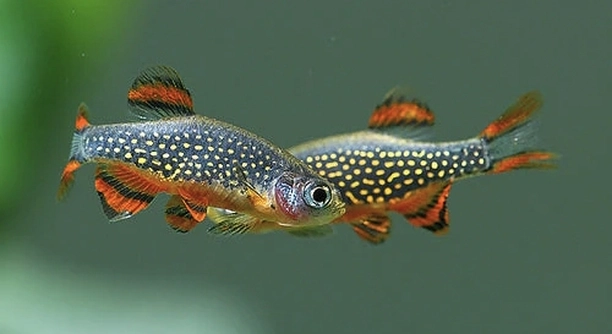
Are your danio tanks producing more noise than you expected, disrupting the calm of your space and making the tank less enjoyable to watch? Small bubbles and rapid swimming can create surprisingly loud disturbances.
Several practical methods exist to reduce tank noise without relying on electronic devices. Adjusting water flow, repositioning decorations, maintaining consistent water levels, and using soft substrate layers are effective ways to minimize splashing and vibration. These strategies enhance both tranquility and fish well-being.
Implementing simple changes can significantly reduce noise while maintaining a healthy environment for your danios to thrive comfortably.
Adjust Water Flow
High water flow can create excessive splashing and turbulence, which increases noise in your danio tank. Observing your tank, you may notice that areas near the filter output or bubbler are particularly loud. Reducing the flow rate can make a significant difference without compromising water quality. Many filters have adjustable settings or removable components that allow you to control the speed of water circulation. Even small changes in flow direction can help redirect strong currents away from tank walls or decorations. In addition, placing the filter slightly lower in the tank or angling the output can reduce surface agitation. Over time, these adjustments create a calmer environment, not just for you but also for your danios, who thrive in steady conditions. By paying attention to water movement and its interaction with the tank setup, noise levels can drop noticeably, making the aquarium a more peaceful place to enjoy daily observation.
Carefully reducing water flow maintains proper filtration while minimizing disruptive splashing and surface noise. It balances cleanliness with tranquility.
Positioning the filter output away from corners or decorations prevents water from hitting hard surfaces directly. Using gentle flow attachments, like spray bars or directional nozzles, helps distribute water evenly. Regular observation ensures changes work effectively, and slight tweaks can improve both fish comfort and overall tank noise.
Use Soft Substrate
Soft substrates like sand or fine gravel absorb sound better than hard pebbles, reducing clattering noise when fish swim or dig.
Switching to a softer base minimizes vibrations and surface sounds caused by natural tank activity. It also provides a more comfortable environment for bottom-dwelling species, preventing injuries and stress while lowering overall noise in the tank consistently.
Reposition Decorations
Strategically placing decorations can reduce water splashing and noise. Avoid clustering hard objects near the surface where water movement is strongest, and use plants or ornaments to break fast currents.
Arranging tank decorations to redirect or slow water flow can lessen chaotic splashes. Tall plants near the filter or bubbler act as natural buffers, while heavier ornaments placed at the bottom stabilize water movement. Even minor adjustments in decoration placement can noticeably reduce the clinking or tapping sounds created when fish swim quickly or interact with hard surfaces. Creating small pockets or barriers with plants or stones slows currents and allows water to flow more smoothly across the tank, producing a calmer environment. Consistent testing and observation help ensure these changes work effectively.
Avoid placing items too close to the tank walls, as this can amplify vibrations and noise. Using lightweight materials or repositioning ornaments helps dampen sounds further while keeping the tank visually appealing.
Maintain Consistent Water Levels
Keeping water levels stable prevents increased splashing and reduces filter strain. Frequent top-offs or evaporation can change flow dynamics, causing more noise.
Maintaining a steady water level ensures that pumps and filters work efficiently and quietly. When water drops too low, pumps can struggle, creating irregular currents and louder splashes. Regular checks and careful top-offs preserve optimal flow, keeping both water quality and noise levels consistent. A stable surface also reduces the risk of fish jumping or water spilling onto the rim, further minimizing disturbances. Monitoring evaporation and replacing lost water gradually helps maintain equilibrium, ensuring a calm environment for both the fish and the observer.
Gradual refills are key to avoiding sudden disruptions in water movement. Maintaining even levels also improves filtration performance and prevents unnecessary agitation.
Add Floating Plants
Floating plants help break surface agitation, reducing splashing and noise. They create a natural barrier that softens water movement near the top.
Plants like duckweed or frogbit absorb some energy from currents, preventing water from hitting the surface forcefully. This simple addition can noticeably quiet a busy tank.
Check Filter Placement
Filters positioned too close to tank walls or decorations often amplify noise. Adjusting the location can reduce vibrations and splashing significantly.
Carefully moving the filter slightly away from corners or dense decor helps distribute water flow more evenly. Angling outputs or using flow diffusers minimizes direct water hits on hard surfaces, making the tank quieter. Observing the effects over several days ensures the adjustments are effective. Proper filter placement not only reduces noise but also maintains consistent circulation and healthy water conditions for your danios.
Use a Lid
A lid helps contain splashes and dampens noise while keeping fish safely inside.
FAQ
How can I tell if my danio tank noise is normal?
Normal tank noise usually consists of gentle bubbling from the filter or occasional splashes from active fish. If the sounds are sharp, constant, or echo loudly, it may indicate strong currents, low water levels, or objects creating vibrations against the glass.
Can rearranging decorations really reduce noise?
Yes, moving decorations strategically can help. Heavy ornaments or plants near strong currents can amplify splashes. Placing taller plants or heavier objects in areas with high water movement breaks the force of water, reducing clinking sounds and surface disturbance.
Will soft substrates really make a difference?
Soft substrates like sand or fine gravel absorb vibrations from swimming or digging fish. Unlike hard gravel, they prevent loud clattering when fish interact with the bottom, helping lower overall tank noise while providing a safer surface for danios.
Is adjusting the filter flow enough to quiet the tank?
Reducing filter flow is one of the most effective no-tech solutions. Strong currents often create splashing and turbulence. Lowering the output, using directional flow attachments, or repositioning the filter helps water move more gently, which significantly reduces noise while keeping filtration effective.
Do floating plants really help reduce noise?
Floating plants like duckweed or frogbit act as a buffer, softening surface agitation. They intercept water movement near the top, preventing splashes from reaching the tank lid or sides. Besides reducing noise, they provide shade and shelter for danios, improving overall tank comfort.
How important is keeping consistent water levels?
Maintaining a stable water level prevents the filter from straining and stops irregular currents that can increase noise. Sudden drops from evaporation or frequent top-offs can change water flow, creating more splashing. Regular checks and gradual refills help maintain calm, steady water conditions.
Does using a lid really help with noise?
A properly fitted lid dampens the sound of splashing and prevents water from hitting the rim. It also helps reduce evaporation and keeps danios safely inside the tank. Even a thin, lightweight lid can make a noticeable difference in overall noise levels.
Are there any other small adjustments that make a difference?
Yes, minor changes often have a big impact. Angling the filter output, repositioning ornaments slightly, or adding soft pads under equipment can absorb vibrations. Observing the tank over time and making small, careful adjustments ensures a quieter, more peaceful environment for both the fish and yourself.
Will all danio tanks benefit from these methods?
Most tanks will see improvement if these strategies are applied thoughtfully. Each tank is unique, but reducing strong currents, adding floating plants, stabilizing water levels, and using soft substrates generally results in quieter water movement and a more comfortable habitat for danios.
How long does it take to notice reduced noise?
Results vary depending on the changes made, but many adjustments, like repositioning the filter or adding floating plants, can show a noticeable reduction within a few days. More extensive changes, like replacing substrate, may take longer but provide lasting benefits.
Can noise affect my danios’ health?
Excessive noise can stress fish, potentially affecting feeding, swimming, and overall behavior. A calmer tank promotes a healthier, more natural environment, encouraging active yet less erratic swimming patterns, which supports both their physical and mental well-being.
Is there a way to combine these methods for maximum effect?
Yes, using multiple approaches together is most effective. Reducing water flow, adding soft substrate, strategically placing decorations, maintaining consistent water levels, and using floating plants collectively create a quieter tank. Combining these methods enhances both tranquility and the health of your danios.
Can these methods reduce noise without affecting tank aesthetics?
Absolutely. Soft substrates, floating plants, and thoughtful decoration placement can improve tank appearance while reducing noise. Most adjustments are subtle, preserving visual appeal while creating a calmer, quieter environment for the fish.
Are there situations where these methods won’t work?
If structural vibrations come from external sources, such as a shaky stand or nearby appliances, tank noise may persist. Addressing external factors, in addition to internal adjustments, ensures the most effective noise reduction for your danio tank.
How often should I check noise levels?
Observing the tank daily helps identify spikes in noise and determine which methods are effective. Small, consistent adjustments over time prevent sudden disturbances and maintain a peaceful, well-balanced environment for your danios.
Do these changes require special equipment?
No, all the methods outlined are no-tech solutions. Simple adjustments like changing decorations, adding plants, softening substrates, controlling water levels, and careful filter placement are sufficient to significantly reduce tank noise.
Reducing noise in a danio tank can make a big difference in both the comfort of your space and the well-being of your fish. Excessive splashing, strong currents, and vibrations can create a stressful environment for danios, who prefer calm and steady water movement. By making small, thoughtful adjustments, you can minimize these disturbances without relying on technology or complicated equipment. Simple changes like adjusting the filter flow, repositioning decorations, or adding floating plants are practical ways to create a quieter tank. Even altering the substrate to a softer material helps absorb vibrations and prevent clattering sounds caused by active fish. Paying attention to these details shows consideration for the natural behavior of your danios while also improving your enjoyment of the aquarium.
Maintaining consistent water levels is another important factor that often goes unnoticed. Water that is too low can cause filters to struggle, increasing splashing and uneven currents. Regular checks and gradual top-offs help keep the water level steady, which supports both proper filtration and calmer water movement. Using a lid can further reduce surface splashes and prevent sound from escaping, while also protecting the fish from jumping or external contaminants. Even small decorations can make a difference; placing heavier objects at the bottom and using plants to break water movement can reduce noise significantly. These adjustments are easy to implement and do not interfere with the natural beauty or layout of the tank, making them practical solutions for a quieter, more peaceful environment.
Combining these strategies provides the most effective results. Each method contributes to reducing noise in its own way, and together they create a more comfortable and stable habitat for danios. Observing the tank after making changes is key to understanding which adjustments have the greatest impact. Over time, these small, consistent efforts help maintain a calm environment that benefits both the fish and the space they inhabit. A quieter tank not only reduces stress for the danios but also makes the experience of keeping and watching the aquarium more enjoyable. By focusing on simple, practical steps, you can achieve a balanced and tranquil aquarium without relying on complex technology, ensuring a healthier, more peaceful environment for your danios to thrive in.

Hello,
If you enjoy the content that we create, please consider saying a "Thank You!" by leaving a tip.
Every little bit helps us continue crafting quality advice that supports the health, happiness, and well-being of pets around the world, for pets of all shapes, sizes, and species.
We really appreciate the kindness and support that you show us!