
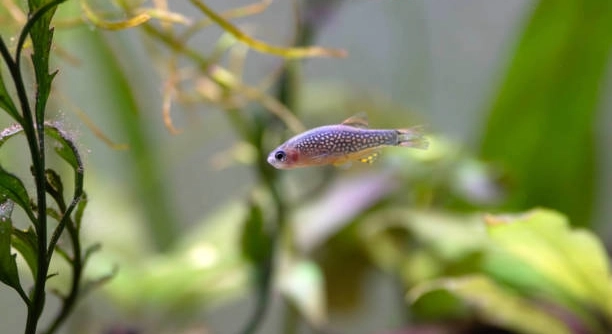
Observing Danios in their natural or home environments can be quietly fascinating. These small, lively fish display subtle behaviors that often go unnoticed, revealing patterns of social interaction, hierarchy, and communication among their groups in gentle ways.
Danio social behavior is expressed through schooling, chasing, and synchronized movements. These fish maintain group cohesion while signaling dominance and submission. Close observation shows that even minor movements, color changes, or fin displays serve as communication tools within the social structure.
By noticing these subtle behaviors, aquarists can better understand how Danios interact and thrive, offering insights into their well-being and social needs.
Subtle Schooling Patterns
Watching Danios swim together can be surprisingly calming. They often form loose schools that shift and bend as one unit, responding to changes in the environment almost instantly. Each fish adjusts its speed and direction based on neighbors, maintaining the cohesion of the group without any obvious leader. These movements are not random; they reflect complex decision-making and coordination, helping Danios avoid threats and explore efficiently. Even in a small tank, these patterns emerge clearly. Observing them over time shows that some fish take temporary lead positions, while others follow, creating a balance that allows the group to function smoothly.
This schooling behavior demonstrates that Danios rely on visual cues and subtle body movements to communicate and maintain social order within their group.
Regularly noting these patterns provides insights into tank design and stocking density. It also highlights how social stress, lighting, or sudden changes can disrupt harmony. By paying attention, caretakers can create an environment that encourages natural movement and reduces aggressive interactions. Simple adjustments, like adding hiding spaces or managing tank flow, can significantly improve the overall well-being of these fish and preserve their instinctive social behaviors.
Chasing and Playful Interaction
Chasing is a common sight among Danios, often mistaken for aggression.
While it can appear rough, chasing is usually part of social interaction. Fish may follow each other in short bursts, testing boundaries, establishing hierarchy, or practicing escape responses. Younger or less dominant fish often retreat to nearby plants or decorations. Over time, these interactions help maintain group balance.
In addition to social hierarchy, chasing serves as exercise and mental stimulation. A tank without enough space or environmental complexity may limit these interactions, leading to boredom or tension. Observing which fish initiate or avoid chases can inform about temperament and health, helping caretakers manage compatibility and prevent stress. Careful observation of these playful movements allows a deeper understanding of individual personalities within the group, revealing subtle differences in boldness, agility, and responsiveness that are often missed at first glance. Properly structured environments enhance these interactions, promoting both physical fitness and social well-being.
Color and Fin Displays
Color changes in Danios often signal mood or status. Darker shades may indicate stress or submission, while brighter colors suggest confidence or readiness to interact. Fin movements also communicate intent, from spreading fins to assert dominance to subtle flicks for attention.
These visual signals are crucial for maintaining social balance. When one Danio displays brighter colors and flared fins, others typically respond by adjusting their own posture or movements. This dynamic reduces unnecessary conflict and helps the group coordinate activities like feeding or exploring. Monitoring these subtle displays provides insight into hierarchy, stress levels, and overall health, allowing for better care and tank management.
Fin and color displays also play a role in courtship and bonding. During spawning periods, males may exaggerate colors and fin positions to attract females, while females respond with complementary cues. Even outside reproductive behaviors, these displays are part of daily interactions, shaping dominance and submission patterns. Observing these nuances over time reveals consistent behavioral trends that reflect each fish’s personality, confidence, and social position within the group.
Resting and Hiding Habits
Danios rest in short, quiet periods, often near plants or decorations. These moments are essential for recovery and stress reduction.
During rest, fish reduce movement and slow respiration. Hiding is another natural behavior, providing safety from perceived threats and establishing personal space within the tank. Fish will choose spots based on comfort, security, and social positioning. Over time, patterns emerge showing preferred locations, times, and companions during rest.
Resting and hiding behaviors also indicate environmental suitability. Tanks with sufficient cover, gentle currents, and stable lighting allow Danios to perform these behaviors naturally. Overcrowded or bare tanks may prevent adequate rest, leading to stress, weakened immunity, and disrupted social structure. By observing these habits, caretakers can adjust décor, lighting schedules, and group size, ensuring that fish have both the physical and social conditions needed to rest, recover, and maintain healthy interactions.
Feeding Behavior
Danios often show excitement during feeding, quickly swimming to the source of food. They establish a loose order, with more dominant fish taking the lead and others following.
Feeding behavior also reveals social dynamics. Fish may nudge or chase each other away to access food, demonstrating hierarchy.
Exploring and Territory
Danios regularly explore their tank, swimming through open spaces and investigating plants or decorations. These movements allow them to familiarize themselves with their environment, detect potential hiding spots, and interact with tankmates. Exploration is also essential for mental stimulation, keeping fish active and reducing stress.
Social Grooming
Danios occasionally engage in gentle nudging or rubbing against each other. This behavior helps maintain social bonds and reinforces group cohesion.
What is the best group size for Danios?
Danios are naturally schooling fish, so keeping them in groups of at least six is recommended. Smaller groups can lead to stress, aggression, or inactivity, while larger groups allow natural social behavior to emerge. Proper group size encourages coordinated swimming, playful chasing, and social hierarchy formation without overwhelming the tank space.
How can I tell which Danio is dominant?
Dominant Danios often display brighter colors, spread fins, and take the lead during swimming or feeding. They may chase or nudge others to establish priority but rarely cause serious harm. Observing interactions over time shows consistent patterns of leadership and submission, which helps identify hierarchy within the group.
Why do Danios chase each other?
Chasing is usually social, not aggressive. It can establish hierarchy, encourage exercise, or signal readiness to interact. Less dominant fish retreat to plants or corners while dominant individuals assert temporary leadership. These interactions are essential for maintaining group cohesion and reducing tension in the long run.
What do color changes mean in Danios?
Color shifts often reflect mood, stress, or social status. Darker shades indicate submission or discomfort, while brighter tones signal confidence or dominance. During mating periods, males may show intensified colors to attract females. Monitoring these changes helps understand social dynamics, stress levels, and general health.
How much space do Danios need?
Danios require open swimming areas with plenty of horizontal space. A minimum tank length of 30 inches is recommended for six or more fish. Overcrowding can increase stress, aggression, and hinder natural behaviors like chasing, schooling, and exploration. Proper space also allows adequate resting and hiding spots.
Why do Danios hide?
Hiding is a natural behavior that provides safety and personal space. Fish may retreat to plants, rocks, or decorations when stressed or resting. Adequate hiding spots reduce anxiety, allow recovery, and help maintain social balance. Lack of cover can lead to chronic stress and disrupted group dynamics.
Do Danios need structured environments?
Yes, structured tanks with plants, rocks, and open swimming paths promote natural behaviors. Structures support resting, hiding, and exploration, while open areas allow schooling and chasing. Balanced environments help prevent boredom, reduce stress, and encourage social interaction among group members.
How can I reduce aggression in Danios?
Aggression can be minimized by maintaining proper group size, providing hiding spots, and ensuring ample swimming space. Observing social interactions and adjusting tank décor or stocking levels prevents dominant fish from monopolizing resources and reduces conflict over territory or food.
Why do Danios rest in specific areas?
Fish choose rest spots based on comfort, security, and social positioning. Locations near plants or decorations offer protection and privacy. Consistent resting areas indicate that fish feel safe and that tank conditions, such as lighting and flow, are appropriate.
Are playful behaviors important for Danios?
Yes, chasing, nudging, and exploring are forms of mental and physical stimulation. These behaviors build social bonds, reinforce hierarchy, and promote healthy exercise. A lack of interaction may indicate stress, poor health, or inadequate tank conditions, so observation of playful behavior is an important measure of well-being.
How do I know if my Danios are stressed?
Signs of stress include dull colors, excessive hiding, reduced movement, or constant fleeing from tankmates. Environmental factors like overcrowding, poor water quality, and insufficient hiding spaces often contribute. Stress management involves adjusting tank conditions, monitoring water parameters, and ensuring appropriate social groups.
Can Danios recognize each other?
Danios appear to recognize familiar tankmates, responding differently to dominant, submissive, or new individuals. They use visual cues, swimming patterns, and color displays to identify group members. Recognition helps maintain hierarchy, social bonds, and coordinated group behavior.
How does feeding affect social behavior?
Feeding triggers social dynamics, with dominant fish often taking the lead while others follow or retreat. Food placement and portioning can reduce conflicts, encourage fair access, and promote healthy interaction. Observing feeding routines reveals hierarchy, personalities, and levels of activity among group members.
What should I watch for in mixed species tanks?
Danios generally coexist with peaceful species, but aggressive or territorial fish can disrupt schooling and social structure. Monitoring interactions, providing space and hiding spots, and selecting compatible tankmates ensures natural behaviors continue without undue stress or conflict.
How often should I observe my Danios?
Daily observation helps track health, behavior, and social dynamics. Short, consistent sessions reveal patterns in schooling, chasing, resting, and feeding. Noticing subtle changes allows timely adjustments to tank conditions, group composition, or environmental enrichment to maintain social balance and well-being.
Why is understanding Danio behavior important?
Observing social cues, hierarchy, and interactions ensures fish are healthy, stress-free, and engaged. Awareness allows better tank management, proper group formation, and environmental adjustments. Understanding behavior improves quality of life for Danios and fosters a more harmonious, natural aquarium environment.
Observing Danios over time offers a clear view of their social world, revealing behaviors that are both subtle and important. These small fish communicate through movement, color, and interaction, which may seem minor at first but carry meaning within their group. Schooling patterns show how they respond to each other and their environment, demonstrating coordination and cooperation. Chasing and playful nudging are not signs of trouble but part of the natural hierarchy and social engagement. Even hiding, resting, or color changes convey comfort levels, stress, or confidence. Paying attention to these cues helps in understanding each fish’s personality and position within the group, allowing for a healthier and more balanced tank environment.
Maintaining the right conditions is essential for Danios to express these behaviors fully. Adequate space, clean water, and environmental structures such as plants, rocks, and open swimming paths allow fish to rest, explore, and interact naturally. Observing how they feed, school, or rest can indicate whether tank conditions are suitable. Stressful conditions, overcrowding, or lack of hiding places can disrupt social balance and lead to health issues. By ensuring the proper environment and social group, caretakers can encourage natural behavior while minimizing conflicts. Structured observation over time not only highlights the social nuances of Danios but also allows timely adjustments to improve their overall well-being.
Understanding Danio social behavior is more than noticing surface-level actions; it is about seeing patterns and connections within the group. Subtle signals, like fin flicks or slight color changes, communicate rank, mood, and intention. Responding to these behaviors with appropriate tank management supports both physical and social health. Caretakers can create conditions that encourage natural schooling, playful interaction, and restful hiding spots. Observing these patterns also fosters a deeper appreciation for Danios as active, social animals. Paying attention to these quiet moments ultimately allows fish to thrive in a balanced environment, where natural behaviors are respected, stress is reduced, and overall harmony is maintained.

Hello,
If you enjoy the content that we create, please consider saying a "Thank You!" by leaving a tip.
Every little bit helps us continue crafting quality advice that supports the health, happiness, and well-being of pets around the world, for pets of all shapes, sizes, and species.
We really appreciate the kindness and support that you show us!