
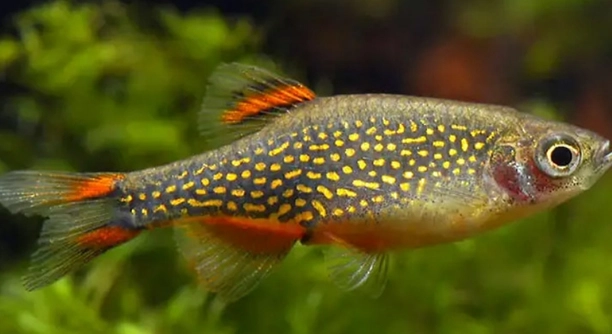
Are your aquarium plans focused on creating a calm and harmonious environment for your danios? Setting up a peaceful community tank requires careful consideration of compatible species that coexist without stress or aggression.
Choosing the right companions for a danio community involves selecting species that exhibit non-aggressive behaviors, similar swimming patterns, and compatible environmental needs. Suitable choices help maintain a stable ecosystem, reduce stress among fish, and promote long-term health in the aquarium.
Exploring these species will provide a balanced, tranquil tank where each fish thrives and interacts peacefully with its neighbors.
Zebra Danios
Zebra danios are active and hardy fish, making them ideal for community setups. They thrive in groups, so keeping at least six together is essential for social interaction and minimizing stress. Their peaceful nature allows them to coexist with other non-aggressive species, and they adapt well to varying water conditions. While they are energetic swimmers, they rarely show territorial behavior. These danios are small, reaching about two inches, which makes them compatible with similarly sized tank mates. Their striped pattern adds visual interest, and they respond well to a simple diet of flakes, pellets, and occasional live food. Maintaining stable water parameters, including temperature and pH, supports their health and reduces susceptibility to disease. Including plants and open swimming areas ensures they have space to explore while feeling secure. Overall, zebra danios are an excellent choice for anyone looking to create a lively but peaceful aquarium environment without constant maintenance.
Zebra danios are highly adaptable and peaceful, fitting seamlessly with other calm species in a community aquarium.
They bring energy and charm to any tank, enhancing the visual appeal while coexisting safely with similar-sized companions. Their resilience makes them low-maintenance additions, perfect for maintaining balance.
Corydoras Catfish
Corydoras catfish are small, bottom-dwelling fish that help keep the substrate clean. They prefer soft, sandy bottoms to prevent damage to their sensitive barbels. Corydoras are social and should be kept in groups of four or more to encourage natural behaviors. They spend their time scavenging for leftover food, contributing to a healthy tank environment. Their gentle temperament makes them excellent companions for peaceful mid- and top-dwelling species. Corydoras exhibit minimal aggression, even during feeding, and rarely compete for territory. They are hardy, tolerating a range of water conditions, though stable parameters improve longevity. Providing hiding spots with plants, rocks, or driftwood helps them feel secure. Regular observation ensures they remain healthy and active. By combining them with compatible species like danios or small tetras, they enhance both the ecological balance and the aesthetic appeal of the aquarium, creating a calm and inviting underwater community.
Corydoras catfish are gentle and social, thriving in groups and supporting a peaceful community tank.
They contribute to substrate cleanliness while interacting minimally with other species. Their calm presence reduces stress, and their activity at the bottom balances the aquarium dynamics. With proper care, these catfish remain healthy, social, and visually appealing in mixed setups.
Harlequin Rasboras
Harlequin rasboras are peaceful schooling fish that thrive in community tanks. They enjoy swimming in groups of six or more and maintain calm interactions with other non-aggressive species. Their small size and gentle behavior make them compatible with danios and corydoras.
These fish are hardy and adapt well to a range of water conditions, though stable parameters improve their health and coloration. Harlequin rasboras prefer planted tanks that offer both open swimming spaces and hiding spots. They feed easily on flakes, pellets, and small live foods. Regular observation ensures that they remain active, and social behaviors are encouraged in larger groups. Their subtle color patterns add a soft contrast to the aquarium, making them visually appealing without overwhelming the tank. With consistent care, they contribute to a peaceful and balanced community environment.
Harlequin rasboras interact gently with other species, rarely displaying aggression. Their calm nature supports harmony in community tanks. Their schooling behavior also reduces stress and encourages activity among tank mates, creating a lively but serene aquatic environment that is enjoyable to maintain.
White Cloud Mountain Minnows
White cloud mountain minnows are small, hardy fish suitable for community tanks with similar-sized species. They remain peaceful even when kept in larger groups, making them excellent companions for danios and rasboras. Their gentle behavior and active swimming patterns keep the aquarium dynamic without conflict.
These minnows thrive in cooler water temperatures, making them ideal for tanks without heaters or for seasonal setups. They adapt well to a range of pH and hardness levels but appreciate regular water changes to maintain optimal health. White clouds are social and should be kept in groups of at least six, which encourages natural schooling behavior and reduces stress. They feed easily on flakes, micro pellets, and small live foods, making their diet simple to maintain. Their silver bodies with red fins add subtle color to the tank, enhancing visual appeal while maintaining a calm atmosphere. Including hiding spots and plants allows them to explore safely.
White cloud mountain minnows are resilient, active, and compatible with peaceful community species. Their schooling nature promotes social interaction and reduces stress, while their subtle colors enhance the aesthetic without overpowering other tank inhabitants. They adapt to a variety of conditions, making them low-maintenance yet visually pleasing additions to a calm aquarium.
Otocinclus Catfish
Otocinclus catfish are small, peaceful algae eaters that help keep tanks clean. They thrive in groups of three or more and rarely disturb other species, making them ideal for a danio community.
These catfish prefer well-planted tanks with smooth surfaces and hiding spots. They feed on algae and supplemental vegetables, helping maintain a healthy environment.
Kuhli Loaches
Kuhli loaches are shy, eel-like fish that dwell at the bottom of the tank. They move quietly among sand or fine gravel, rarely interacting aggressively with other species. Their nocturnal habits make them interesting to watch during evening hours.
These loaches appreciate a tank with plenty of hiding places, such as tubes, plants, or driftwood. They are social and should be kept in small groups to feel secure. Kuhli loaches help aerate the substrate as they burrow, contributing to a cleaner and healthier environment. Feeding them a mix of sinking pellets, frozen, or live foods ensures they get proper nutrition. Despite their secretive nature, they coexist peacefully with active mid- and top-dwelling fish, complementing the tank dynamics without causing stress. Their subtle presence adds variety while maintaining overall harmony in a danio community setup.
Paradise Fish
Paradise fish are hardy and colorful, with calm temperaments when kept in peaceful community tanks. They are compatible with small, non-aggressive species and rarely display territorial behavior.
FAQ
What tank size is best for a danio community setup?
A tank of at least 20 gallons is recommended for a small danio community. This size provides enough space for active swimming, proper filtration, and territory for each species. Larger tanks are even better if you plan to include multiple peaceful species alongside danios.
How many danios should I keep together?
Danios are schooling fish, so keeping at least six together ensures they feel secure and display natural behaviors. Smaller groups can lead to stress, aggression, or lethargy, which affects both their health and overall tank harmony.
Can danios live with other small fish?
Yes, danios coexist well with peaceful, similar-sized fish like rasboras, corydoras, and white cloud mountain minnows. Avoid aggressive or very large species, as they may stress or harm the danios, disrupting the balance of the community tank.
What water parameters are ideal for a danio community?
Danios thrive in water with a temperature between 65–75°F (18–24°C), pH 6.5–7.5, and moderate hardness. Stability is key, so regular water testing and gradual adjustments help maintain a healthy environment for all species in the tank.
How often should I feed a danio community?
Feed small portions twice a day, using high-quality flakes, pellets, and occasional live or frozen foods. Uneaten food should be removed after a few minutes to prevent water quality issues, which can harm sensitive tank inhabitants.
Do I need a heater for a danio tank?
Heaters are generally optional because danios tolerate cooler temperatures. However, if other tropical species with higher temperature requirements are included, a heater may be necessary to maintain stable conditions suitable for all fish.
How many bottom-dwelling fish should I include?
Including three to six bottom-dwelling fish like corydoras or kuhli loaches balances the tank. They help keep the substrate clean, reduce leftover food, and occupy a different level of the aquarium, contributing to a calm community setup.
Are plants necessary in a danio community tank?
Plants are highly recommended. They provide hiding spots, improve water quality, and reduce stress by creating natural boundaries. Both live and artificial plants can work, but live plants add ecological benefits like oxygenation and natural filtration.
How do I prevent aggression in a community tank?
Maintain proper stocking levels, keep compatible species, and provide plenty of hiding spaces. Even peaceful fish may show brief dominance displays if stressed or overcrowded, so monitoring interactions is important to ensure long-term harmony.
Can danios coexist with snails or shrimp?
Yes, most small snails and shrimp are compatible with danios and other peaceful species. Avoid larger or aggressive invertebrates, as they may be eaten or stressed by active fish. Snails and shrimp also help with algae control and tank cleanliness.
How often should I clean a danio community tank?
Partial water changes of 25–30% every one to two weeks are ideal. Cleaning the substrate and filter during these changes maintains water quality without removing beneficial bacteria, keeping the tank environment healthy for all species.
What are signs of stress in a danio community?
Signs include clamped fins, erratic swimming, hiding excessively, or loss of appetite. Stress can stem from poor water quality, overcrowding, or incompatible tank mates. Prompt intervention, like adjusting conditions or removing aggressive fish, helps prevent long-term health issues.
Is it necessary to quarantine new fish?
Quarantining new fish for two weeks reduces the risk of introducing diseases into an established community tank. It allows observation for signs of illness and ensures compatibility before adding them to the main aquarium.
Can I mix danios with slow-moving fish?
Yes, but choose species that tolerate active swimmers. Slow-moving fish should be peaceful and able to feed without competition from fast-moving danios. Providing hiding spots and plants helps reduce potential stress for slower species.
How do I encourage natural behavior in a danio community?
Keep them in groups, maintain stable water conditions, and provide a mix of open swimming areas and plant cover. Offering varied food types and occasional enrichment, like floating or sinking treats, encourages activity and reduces boredom.
What is the lifespan of danios in a community tank?
Danios typically live 3–5 years with proper care, including stable water conditions, balanced diet, and minimal stress. Companion species with similar care requirements ensure a healthy and peaceful tank environment throughout their lifespan.
Can I breed danios in a community tank?
Breeding is possible but may be challenging in a mixed community, as other fish may eat eggs or fry. For controlled breeding, separate tanks or breeding boxes are recommended to ensure successful reproduction and fry survival.
How do I maintain water quality with multiple species?
Use proper filtration, perform regular water changes, and avoid overfeeding. Monitoring ammonia, nitrite, and nitrate levels helps prevent toxicity. Including algae eaters and bottom dwellers also contributes to cleaner water and a balanced ecosystem.
Are danios suitable for beginners?
Yes, their hardy nature, peaceful temperament, and adaptability make them excellent choices for novice aquarists. Following proper care guidelines ensures a stable and enjoyable community aquarium experience.
Can I add more species over time?
Yes, but add new fish gradually, monitoring for compatibility and stress. Sudden additions can disrupt water parameters and social balance, so careful planning is essential to maintain a harmonious community tank.
This FAQ addresses common concerns about maintaining a peaceful danio community and provides practical advice for long-term success. By following these guidelines, each species can thrive, coexist, and contribute to a vibrant, low-stress aquarium environment.
Creating a peaceful danio community tank requires careful selection of compatible species and attention to water conditions. By choosing small, non-aggressive fish such as zebra danios, harlequin rasboras, white cloud mountain minnows, corydoras, otocinclus catfish, kuhli loaches, and paradise fish, you can build a balanced and visually appealing aquarium. Each species contributes to the tank in a unique way, from active swimming patterns to bottom-dwelling cleaning behaviors, supporting overall harmony. Maintaining proper stocking levels, providing hiding spaces, and grouping social species together helps reduce stress and prevents conflicts, creating a calm environment for all fish to thrive. Attention to diet and feeding routines is also important to ensure every species receives the nutrients it needs without overfeeding, which can impact water quality and overall health. Careful observation and regular tank maintenance help maintain stability and keep the aquarium looking and functioning at its best.
Water quality and environmental stability are essential for a peaceful community tank. Danios and their compatible companions thrive when the temperature, pH, and hardness of the water remain consistent. Sudden changes can cause stress and increase susceptibility to disease, so regular monitoring and gradual adjustments are recommended. Including live plants, driftwood, and substrate that suits bottom dwellers enhances the natural environment, provides hiding spots, and supports fish behavior. Filtration and partial water changes maintain cleanliness and reduce harmful substances, while algae eaters and scavengers help control waste. Each species has slightly different needs, but by combining them thoughtfully, a stable ecosystem emerges where fish interact naturally without aggression. Balanced lighting and proper tank layout further contribute to the well-being of all inhabitants, supporting both health and visual appeal.
A danio community tank offers both activity and tranquility when managed correctly. Watching a well-maintained tank with active mid- and top-dwelling species swimming freely while bottom-dwelling fish move quietly among the substrate is satisfying and calming. The variety of colors, shapes, and behaviors adds interest without overwhelming the tank or causing stress among fish. With consistent care, attention to compatibility, and proper feeding and maintenance routines, this type of community tank can thrive for years. Observing social behaviors, healthy growth, and natural interactions reinforces that the tank is balanced and peaceful. Investing time in planning and maintaining the setup ensures a rewarding aquarium experience where each species can live comfortably while complementing the others. A harmonious danio community is both visually engaging and low-stress, providing a lasting and enjoyable aquatic environment.

Hello,
If you enjoy the content that we create, please consider saying a "Thank You!" by leaving a tip.
Every little bit helps us continue crafting quality advice that supports the health, happiness, and well-being of pets around the world, for pets of all shapes, sizes, and species.
We really appreciate the kindness and support that you show us!