
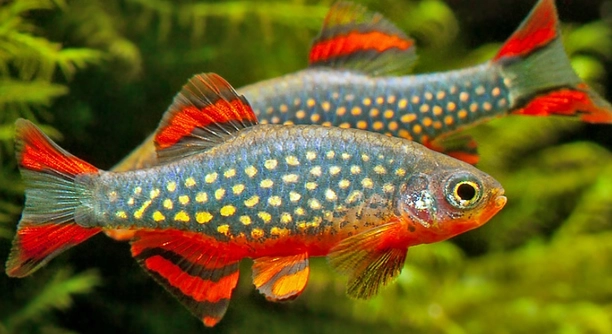
Have you ever noticed your danios swimming in the tank and wondered if you could tell males from females? Observing their colors, shapes, and behaviors can sometimes reveal subtle differences that hint at their gender in simple ways.
Danios display visual patterns that can indicate gender through body size, fin length, coloration, and stripe intensity. Males are often slimmer with more vivid colors, while females tend to be rounder, with softer hues and slightly shorter fins. Recognizing these traits allows accurate gender identification.
Understanding these visual cues can make caring for your danios easier and more rewarding, ensuring healthier interactions and a better-organized tank environment for your fish.
Body Shape Differences
Female danios often have a fuller, rounder body, especially around the belly area, while males appear slimmer and more streamlined. This difference is easier to notice when females are carrying eggs or are well-fed. In my experience, watching them swim side by side makes the contrast clear. Male danios glide more quickly through the water, their narrow profile aiding in speed and agility. The females’ softer shape allows for slower, steadier movements. Observing them during feeding times highlights this difference, as females tend to linger, while males dart around more actively. Even subtle differences in curvature along the back or under the belly can give away gender, particularly in older fish. Younger danios are trickier to distinguish, but over several weeks, these body shape cues become more reliable. This pattern is consistent across most common danio types, making it one of the first traits to notice for proper tank management.
Body shape is a simple yet effective way to tell male and female danios apart, especially as they mature.
Paying attention to subtle differences in body curves and belly fullness can make gender identification easier and help maintain a balanced tank.
Fin Length and Shape
Males typically have longer, more pointed fins, which are more noticeable when they swim actively in the tank.
The fins of danios are not only decorative but also functional. In males, the longer dorsal and anal fins create a sharper, more elongated look that helps attract females during breeding periods. Females usually have shorter, rounder fins that blend more with their body shape. Watching them during mating displays can highlight these differences, as males flare their fins slightly to show off. Fin condition also reflects health, so observing length and shape helps both with gender identification and monitoring overall well-being. Differences are more apparent in adult fish, while juveniles may show only faint signs of variation. Even subtle asymmetries or slight extensions at the fin tips can indicate a male. Regular observation over weeks makes these distinctions easier to recognize. Understanding fin length and shape provides a reliable visual pattern for separating males and females without intrusive handling. It also helps in selecting breeding pairs and maintaining harmony in mixed tanks, as males’ longer fins can occasionally lead to minor chasing behavior.
Fin characteristics are a clear visual cue, helping you identify males and females while supporting better tank organization and fish health.
Color Intensity
Male danios usually show brighter, more vivid colors compared to females, who tend to have softer, muted tones.
Color differences become clear when observing their stripes and body patterns. Males often have deeper blue, red, or gold hues depending on the species, while females appear paler. Lighting in the tank can affect how noticeable these colors are, so consistent observation under natural or standard aquarium light is helpful. During mating periods, males’ colors often intensify, making it easier to tell them apart. Females maintain steadier, subdued coloring that blends with the tank environment. I’ve noticed that even slight changes in tank conditions can affect vibrancy, so regular monitoring helps distinguish true gender differences. Combining color observation with body shape and fin length makes identification more accurate, reducing stress from unnecessary handling.
Color patterns provide a reliable visual clue for separating males from females, especially in adult danios.
Paying attention to changes in brightness and stripe definition over time helps identify gender with minimal disturbance.
Stripe Patterns
Stripe patterns differ subtly between males and females. Males usually have sharper, more defined stripes, while females show slightly blurred or thinner lines. Their stripes run along the body and may appear more continuous in males, whereas females’ lines can break or fade near the belly. Observing them side by side makes these differences easier to notice, particularly in larger groups where patterns stand out. In my experience, lighting and angle can influence visibility, so checking from multiple perspectives helps. Consistent monitoring of these stripe patterns over weeks allows accurate gender recognition without touching the fish. Stripe distinction is especially useful when combined with other traits like body shape and fin length, forming a reliable identification method for mixed tanks.
Understanding stripe patterns allows for better selection of breeding pairs and helps reduce aggression in community tanks.
Regularly noting subtle breaks, thickness, or brightness of stripes makes gender identification clearer and supports long-term tank management.
Body Size
Females are usually slightly larger than males, with a rounder abdomen. Males remain slimmer, even as they grow, making size a useful clue when comparing fish in the same tank.
Size differences become more noticeable as danios mature. Observing several fish together highlights which ones are larger or fuller-bodied, helping to identify females.
Behavior Patterns
Males often swim more actively and chase other fish lightly, while females move slower and tend to linger near plants or the bottom. These behaviors reflect natural mating instincts and energy levels. Watching them over several days reveals consistent patterns, allowing you to identify gender without handling the fish.
Head Shape
Males tend to have slightly more pointed heads, while females’ heads appear rounder. This subtle trait complements other visual cues.
FAQ
How early can I tell the gender of my danios?
In my experience, visual differences are subtle in juvenile danios. Most traits, like body shape, fin length, and color intensity, become clearer around 3–4 months of age. Observing them over time is more reliable than trying to identify them too early.
Can lighting affect how I see their colors?
Yes, lighting plays a big role. Males’ vibrant colors and defined stripes may appear dull under weak light, while strong or natural lighting enhances visibility. I often adjust tank lighting to check patterns accurately without stressing the fish.
Do males always display brighter colors than females?
Generally, males show brighter colors, but this can vary slightly with health, diet, or stress. A pale male may look like a female, so it’s important to combine color observation with body shape, fin length, and stripe patterns.
Is fin length a reliable way to identify gender?
Fin length is one of the most consistent traits. Males usually have longer dorsal and anal fins, while females’ fins are shorter and rounder. Watching them swim side by side highlights these differences clearly, making fin length a dependable visual cue.
Do stripe patterns change over time?
Stripe patterns are mostly stable in adults, but juveniles can have faint or broken stripes. Males tend to develop sharper, more continuous stripes as they mature, while females retain slightly thinner or blurred lines. Monitoring growth helps with accurate identification.
Can body size alone determine gender?
Body size helps but shouldn’t be the only factor. Females are often rounder and slightly larger, but diet and tank conditions also influence size. Combining size with color, stripe patterns, and fin shape gives a more accurate result.
Do danios’ behaviors indicate their gender?
Yes, males often swim faster, chase lightly, and show flaring behavior during breeding periods. Females move slower and tend to linger near plants or the tank bottom. Observing behavior over several days helps confirm gender without handling the fish.
What if traits are mixed or unclear?
Sometimes males can appear pale or females may have longer fins. In these cases, relying on multiple traits—body shape, fin length, stripe pattern, and behavior—provides the best identification. Consistent observation over time reduces mistakes.
Are there differences between species?
Yes, some danio species may show slightly different patterns, color intensity, or fin shapes. The general rules of males being slimmer, more colorful, and longer-finned still apply, but slight variations exist. Comparing multiple fish in the same species helps clarify gender traits.
How can I use these patterns for breeding?
Identifying males and females accurately ensures proper pairing for breeding. Selecting one healthy male and one or more females with clear traits increases the chances of successful spawning. Observing color intensity, body fullness, and behavior guides this process effectively.
Will tank conditions affect visual traits?
Tank conditions like temperature, diet, and stress can influence color vibrancy, fin condition, and activity levels. Keeping a stable environment helps traits remain clear, making gender identification easier. I always check multiple cues rather than relying on a single observation.
Is handling necessary for gender identification?
Not usually. Careful observation from outside the tank is enough. Handling can stress the fish and may cause temporary color dulling, so watching swimming patterns, body shape, and fin length is safer and effective.
How long should I observe before deciding gender?
A week of consistent observation is often sufficient. Watching fish at different times of day and during feeding gives a more complete picture. I’ve found that patterns become obvious when compared across several days rather than relying on a single glance.
Do females change appearance when carrying eggs?
Yes, females carrying eggs show a fuller, rounder belly. Their colors may appear slightly duller, and their movement slows. This is a clear indicator of gender in mature fish and helps in preparing for breeding or tank management.
Can stress affect gender traits temporarily?
Stress can dull colors, reduce fin display, and change swimming behavior. I always ensure the tank is calm and well-maintained before identifying gender, as temporary stress can lead to misinterpretation of visual patterns.
Are these patterns visible in all danio varieties?
Most common danio species show these patterns, though some color morphs may vary. Slim males, fuller females, stripe definition, and fin length differences remain reliable indicators in almost all varieties kept in home aquariums.
Understanding the differences between male and female danios can make caring for them easier and more enjoyable. Over time, I’ve noticed that observing visual cues like body shape, fin length, color intensity, and stripe patterns provides reliable ways to identify gender without handling the fish. Females tend to be rounder and slightly larger, especially around the belly, while males are slimmer and more streamlined. These differences are usually noticeable as the fish mature, around three to four months of age. Watching them swim together in the tank often highlights these contrasts. Paying attention to these subtle traits can help you organize your tank better, manage feeding, and even plan breeding more effectively.
Behavior is another important factor to consider. Males often swim faster, flare their fins slightly, and chase other fish lightly during mating periods, while females move slower and tend to linger near plants or the tank bottom. Observing these behaviors over several days provides additional confirmation of gender. I have found that combining body shape, fin length, color, stripe patterns, and behavior gives the clearest picture. Even environmental factors like lighting, tank conditions, and diet can affect how obvious these traits appear, so keeping a stable environment is important. Taking the time to notice these differences makes a noticeable difference in maintaining harmony in a mixed tank.
Regular observation is key to understanding your danios. While some traits may vary slightly between species or individual fish, consistent monitoring allows you to recognize patterns accurately. Avoid relying on a single visual cue, as traits like color or fin length can sometimes be influenced by stress or health. Instead, looking at multiple indicators together increases confidence in identifying males and females. Over weeks, these visual and behavioral cues become easier to spot, making daily care smoother. Understanding these patterns also helps in selecting breeding pairs and ensuring healthier interactions in the tank. In the end, knowing how to distinguish male and female danios improves overall tank management and enhances the experience of keeping these lively, beautiful fish.

Hello,
If you enjoy the content that we create, please consider saying a "Thank You!" by leaving a tip.
Every little bit helps us continue crafting quality advice that supports the health, happiness, and well-being of pets around the world, for pets of all shapes, sizes, and species.
We really appreciate the kindness and support that you show us!