
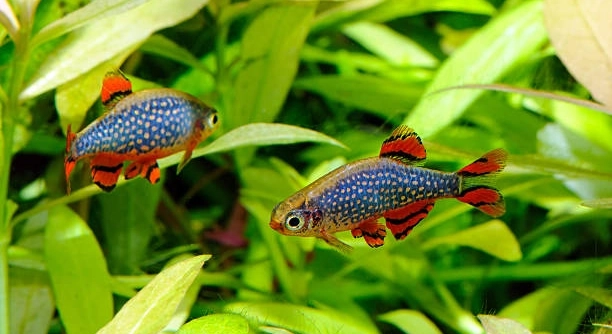
Keeping a Danio tank clean can feel like a constant chore, especially when tiny particles quickly cloud the water. Maintaining clarity is important not just for appearance, but for the health of your fish. Small steps make a difference.
Spot-cleaning a Danio tank efficiently involves removing debris, uneaten food, and waste while avoiding complete water changes. Using tools like siphons, brushes, and nets allows precise cleaning that reduces stress on the fish and maintains water stability.
Simple routines and targeted cleaning can save time and effort while keeping your fish environment safe and comfortable. Consistency is key for a clear, healthy tank that supports active, happy Danios.
Gather Your Cleaning Tools
Before you start spot-cleaning, it helps to have everything ready. A small siphon, a soft brush, a net, and a clean cup for water removal will make the process smoother. You don’t need fancy equipment—basic, reliable tools work best. Organize them in one place so you won’t have to stop midway searching for something. Having a towel or sponge nearby for spills also saves frustration. Take a few minutes to check the condition of your tools. Make sure the siphon tube isn’t cracked and that brushes are free from leftover debris from previous cleanings. Small, simple preparations reduce stress for both you and your Danios. When everything is within reach, the cleaning process becomes faster, and you can focus on gently removing dirt rather than worrying about missing something. Consistency and readiness make each cleaning session easier and less disruptive. This small effort pays off in maintaining clear, healthy water.
Keeping tools ready ensures you won’t rush or make mistakes during cleaning. It makes spot-cleaning feel organized and efficient.
A well-prepared cleaning station reduces the chance of accidentally stressing your fish. By having all tools on hand, you can quickly address floating debris or waste without leaving the tank unattended. This approach also limits water changes, preserving beneficial bacteria in the tank. The siphon allows you to remove particles from corners and gravel efficiently. Soft brushes help scrub algae or dirt from surfaces without scratching glass. Nets are handy for removing leftover food or floating leaves. Even the smallest tools, like a cup for water removal, save time and prevent spills. Setting everything in one spot also creates a calm environment, helping Danios stay relaxed. Over time, this habit makes spot-cleaning a natural part of your routine rather than a stressful task. Being organized gives better control over cleanliness, water quality, and fish health, all while taking less effort during each session.
Remove Uneaten Food Quickly
Uneaten food can quickly cloud the tank and harm water quality. Removing it immediately keeps fish healthy.
Regularly removing leftover food prevents bacteria growth and reduces odor. Using a small net or siphon helps target bits without disturbing the tank.
Leftover flakes or pellets can decay fast, affecting water chemistry and stressing your fish. Even small amounts of uneaten food can lead to ammonia spikes. By carefully scanning the tank after feeding, you can catch these bits before they settle. Use a fine mesh net to scoop floating food or a siphon to pull debris from gravel. This method is less disruptive than draining water or cleaning large areas, keeping the tank stable. Feeding smaller portions at a time also minimizes waste. Over time, Danios learn to eat the portions you provide, making spot-cleaning more efficient. Regular observation allows you to remove food consistently, maintaining clarity and water quality without overhauling the tank. This small habit supports healthy fish behavior and reduces the frequency of major water changes. Spot-cleaning in this way balances cleanliness with minimal stress for your fish while keeping maintenance manageable.
Clean the Gravel Regularly
Gravel traps waste and leftover food, so spot-cleaning it prevents buildup. Use a small siphon or vacuum to remove debris without disturbing the entire tank.
Gravel can hide particles that slowly decompose, affecting water quality. Using a siphon, gently move over the substrate to lift debris while keeping most water in place. Focus on areas where food tends to settle, like near decorations or corners. Avoid stirring too aggressively, which can cloud the water. Regular attention to gravel prevents ammonia spikes and reduces algae growth. It also keeps the tank smelling fresh and helps maintain healthy bacteria colonies. This method keeps the tank clean with minimal stress to Danios.
Small, targeted cleaning of gravel saves time and effort. By cleaning consistently, you reduce the need for full water changes while keeping the tank environment stable and safe.
Wipe Down Glass and Decorations
Algae and grime on glass and decorations can make the tank look dirty and affect fish visibility. Regular wiping keeps surfaces clear.
Use a soft sponge or algae scraper to clean glass gently, avoiding harsh chemicals. Decorations should be removed and wiped with warm water when buildup appears. Focus on corners and areas where algae accumulates first. Cleaning doesn’t need to be aggressive—small, frequent efforts are better than occasional deep scrubs. This prevents scratches and preserves the look of your tank. Consistent cleaning improves light penetration, supporting plant health if your tank has live plants, and helps you monitor fish behavior without obstruction.
Glass and decoration maintenance also improves the tank’s overall appearance and hygiene. Spot-cleaning these areas regularly reduces stress for Danios. It keeps the tank looking fresh and ensures fish remain visible for feeding, observation, and enjoyment. By integrating this simple step into your routine, algae buildup remains manageable and doesn’t interfere with water quality. Decorations that are kept clean also prevent hidden waste from accumulating, which can cause long-term problems. Combining gentle cleaning tools with regular attention ensures a clear, safe, and attractive environment. This approach balances aesthetics with proper fish care, making daily maintenance less daunting.
Monitor Water Clarity
Keeping an eye on water clarity helps catch problems early. Cloudy water often indicates excess waste or uneaten food.
Regular observation allows you to spot issues before they affect fish health. Small adjustments in cleaning or feeding can quickly restore clarity.
Remove Floating Debris
Floating leaves or particles can accumulate and decompose, affecting water quality. Use a net to remove them as soon as you notice them.
Frequent checks for debris prevent buildup that could harm Danios. Spot-cleaning floating matter keeps the tank stable and water safe for fish.
Check Filter Function
Filters are vital for maintaining a healthy tank. Make sure your filter is running smoothly and cleaned according to manufacturer instructions.
Use a Small Net
A small net is useful for removing leftover food or tiny debris without disturbing fish. Keep it handy during spot-cleaning sessions.
FAQ
How often should I spot-clean my Danio tank?
Spot-cleaning should be done daily or every other day, depending on tank size and fish activity. Remove uneaten food, floating debris, and visible waste regularly to keep water quality stable. Frequent small cleanings prevent large problems that require a full water change.
Can I use tap water during spot-cleaning?
Yes, but it must be treated first. Tap water contains chlorine and other chemicals harmful to Danios. Use a water conditioner to neutralize these chemicals before adding water back to the tank. Matching water temperature helps avoid stressing the fish.
Is it necessary to clean the gravel every time I spot-clean?
Not every time. Focus on gravel when waste or leftover food accumulates. A few minutes using a siphon or gravel vacuum is enough. Frequent full gravel cleaning can disturb beneficial bacteria, which are important for water health.
Should I remove decorations during spot-cleaning?
Only if debris is hiding under or around them. Wipe decorations with warm water as needed. Avoid soap or harsh cleaners that can harm fish. Small, targeted cleaning of decorations keeps the tank safe and avoids stressing your Danios.
Will spot-cleaning stress my Danios?
When done gently, spot-cleaning causes minimal stress. Avoid splashing, stirring up the substrate too much, or sudden movements. Consistent, careful cleaning helps fish remain calm and maintains a healthy environment without unnecessary disruption.
How can I prevent algae buildup while spot-cleaning?
Remove visible algae from glass and decorations regularly. Limit excess light and avoid overfeeding. Small, frequent cleaning sessions are more effective than occasional deep scrubs. Using an algae scraper or sponge helps maintain a clear tank and supports fish health.
What tools are best for spot-cleaning a Danio tank?
A small siphon or gravel vacuum, soft brush, algae scraper, fine mesh net, and clean cup for water removal are most useful. These basic tools allow targeted cleaning without removing all water, preserving tank stability and beneficial bacteria.
Is it okay to feed Danios during spot-cleaning?
Feeding should be paused while cleaning to avoid adding extra waste. Once cleaning is complete, feed in small portions. Smaller portions reduce leftover food, making future spot-cleaning easier and helping maintain water quality.
Can I skip a water change if I spot-clean regularly?
Spot-cleaning reduces the frequency of water changes but doesn’t eliminate the need entirely. Partial water changes are still necessary to remove dissolved waste and maintain water chemistry, especially in tanks with heavy fish loads.
How long does spot-cleaning usually take?
Most sessions take 5–10 minutes, depending on debris and tank size. Consistency and having tools ready make the process faster. Short, regular cleanings keep the tank healthy without overwhelming effort.
Does spot-cleaning help prevent disease?
Yes, removing waste and debris lowers ammonia levels and reduces stress, which supports the immune system of Danios. Healthy water and minimal toxins make it harder for bacteria or parasites to spread in the tank.
Can spot-cleaning affect live plants?
Gently removing debris around plants is safe, but avoid uprooting them. Keeping water clear and removing decaying matter supports plant health. Occasional trimming helps maintain balance without disturbing roots or harming fish.
What should I do if water is still cloudy after spot-cleaning?
Check for hidden debris, overfeeding, or filter issues. Sometimes bacteria blooms cause temporary cloudiness. Performing a partial water change and cleaning the filter can restore clarity. Avoid excessive disturbance to prevent stress to your Danios.
Is spot-cleaning enough for large tanks?
It helps maintain cleanliness but may not be sufficient alone. Larger tanks may accumulate more waste, requiring additional partial water changes. Spot-cleaning focuses on visible debris, while overall water quality still needs monitoring.
Can I use the same siphon for multiple tanks?
Yes, but rinse it thoroughly between tanks to prevent transferring bacteria or pathogens. Keeping tools dedicated to each tank is ideal for preventing cross-contamination and maintaining fish health.
How do I know if my Danios are stressed during cleaning?
Signs include hiding, rapid swimming, or loss of color. Gentle, slow movements, minimal substrate disturbance, and short cleaning sessions reduce stress. Observing fish before and after cleaning ensures they remain healthy and active.
Should I remove filter media during spot-cleaning?
Only if it needs rinsing. Use tank water to rinse media, preserving beneficial bacteria. Avoid using tap water directly, which can kill helpful microorganisms. Regular inspection helps maintain efficient filtration without disrupting the ecosystem.
Does spot-cleaning help with odors?
Yes, removing waste and leftover food prevents decomposition that can create smells. Regular cleaning keeps the tank environment fresh and comfortable for both fish and the surrounding room.
Can I combine spot-cleaning with feeding routines?
It’s best to separate them. Cleaning first avoids adding extra waste, and feeding afterward ensures fish eat properly. Keeping routines consistent helps maintain water clarity and reduces stress for your Danios.
How long should I observe the tank after spot-cleaning?
A few minutes is enough to ensure water is clear, fish are calm, and no debris remains. This short observation helps confirm that cleaning was effective and allows adjustments if needed for the next session.
Keeping a Danio tank clean doesn’t have to be complicated. Spot-cleaning is a practical way to maintain water quality and keep your fish healthy without performing full water changes every time. By focusing on removing waste, uneaten food, and floating debris, you can prevent problems before they become serious. Using simple tools like a small siphon, net, soft brush, and algae scraper makes the process manageable. Preparing your tools ahead of time and having a consistent routine allows you to clean efficiently and reduce stress for both you and your fish. Small, regular efforts often take less time than occasional, larger cleanings and help maintain a stable environment.
Observing your Danios during spot-cleaning is just as important as cleaning itself. Watching their behavior helps identify potential issues with water quality or tank conditions. Healthy Danios are active, colorful, and curious, and any sudden change in behavior can signal that the tank needs attention. Spot-cleaning also allows you to check for leftover food, hidden debris in the gravel, or algae buildup on decorations. Paying attention to these small details ensures your tank remains clear, safe, and comfortable for the fish. Over time, a careful cleaning routine builds good habits and reduces the need for stressful, large-scale maintenance.
Consistency and care are key to maintaining a Danio tank. Regular spot-cleaning helps prevent ammonia spikes, algae growth, and poor water quality. Feeding in small portions, monitoring the filter, and removing debris promptly all contribute to a stable, healthy environment. While spot-cleaning doesn’t replace occasional partial water changes, it minimizes the frequency and makes them easier when needed. Clean water supports the health and activity of your Danios, while a tidy tank enhances visibility and enjoyment. By taking simple, steady steps to manage cleanliness, you ensure a safe, stress-free habitat where your fish can thrive and remain active for years to come.

Hello,
If you enjoy the content that we create, please consider saying a "Thank You!" by leaving a tip.
Every little bit helps us continue crafting quality advice that supports the health, happiness, and well-being of pets around the world, for pets of all shapes, sizes, and species.
We really appreciate the kindness and support that you show us!