
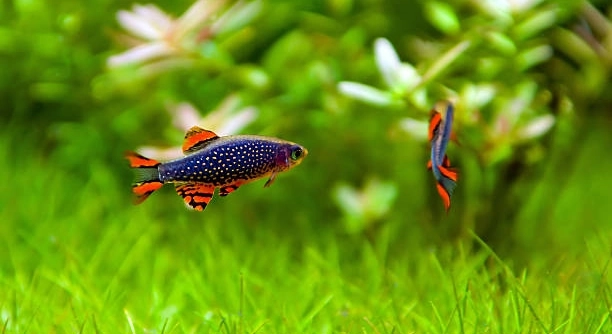
Many aquarium enthusiasts notice that their danios rarely swim near the surface of the tank, preferring the middle or bottom areas instead. This behavior can be puzzling, especially when the upper tank area seems open and safe.
Danios avoid the upper tank area primarily due to environmental factors and stress. Light intensity, water temperature, oxygen levels, and the presence of predators or aggressive tankmates influence their swimming patterns, prompting them to stay lower where conditions feel safer and more comfortable.
Understanding these subtle influences can help you create a healthier environment for your danios. Their comfort in the tank depends on small, often overlooked details that impact daily behavior.
Light Intensity
Danios are sensitive to bright lighting, which can make the upper areas of a tank uncomfortable. Too much light can stress them and trigger hiding or lower swimming behavior. If your tank has strong overhead lighting, it may be pushing your fish downward. Adjusting the intensity or adding floating plants can help create shaded zones. This allows danios to swim freely at the top without feeling exposed. Some people notice immediate changes when the lighting is softened or filtered through decorations. Observing how your fish respond to light changes can give you clues about their preferences. Additionally, certain times of day with brighter room light can affect them even when the tank lights are off. Danios may avoid the upper area during peak daylight hours but explore more during dimmer periods. Understanding how light impacts behavior is key to keeping your fish comfortable. Creating a gradient of lighting encourages natural swimming patterns and reduces stress in the aquarium environment.
Lowering the tank’s light intensity or providing shaded spots encourages danios to explore the upper area more confidently.
Adjusting the light in your tank doesn’t require drastic changes. Even small steps like using a dimmer, repositioning the aquarium away from direct sunlight, or adding floating plants can improve comfort. Danios often respond quickly, swimming higher and exploring areas they avoided before. By paying attention to their reactions, you can fine-tune the setup for long-term balance. Comfortable lighting reduces stress, enhances coloration, and supports natural behaviors, making your fish more active and lively.
Water Temperature
Danios prefer slightly cooler water compared to some tropical species, usually between 64°F and 74°F. Warmer water near the top can make them avoid that area, especially if the surface is warmer than lower levels. Stable temperature promotes even distribution throughout the tank.
Temperature fluctuations often go unnoticed but can have a big impact. Heaters, sunlight, or equipment near the surface can create uneven warmth, driving fish downward. Monitoring and adjusting the temperature ensures comfort for all tank levels.
Keeping water temperature consistent requires attention to equipment placement and monitoring. Using a reliable heater, thermometer, and occasionally mixing water can prevent hot spots. Danios thrive when they can move freely without avoiding areas due to heat. If your tank warms unevenly, they may cluster in cooler zones near plants or decorations. Seasonal changes can also influence surface temperature, making small adjustments necessary. A steady environment helps reduce stress, supports immune function, and encourages normal activity. By understanding how temperature affects behavior, you can ensure your danios feel secure in every part of the tank.
Oxygen Levels
Low oxygen near the surface can cause danios to stay lower in the tank. Poor aeration or overcrowding reduces available oxygen, making the upper area less comfortable. Ensuring proper water movement and surface agitation helps maintain oxygen levels throughout the tank.
Adding an air stone or adjusting filter flow can improve oxygen circulation. Danios may explore the top more once oxygen is evenly distributed. Observing their breathing and swimming patterns provides clues about whether oxygen is sufficient. Regular partial water changes also maintain healthy oxygen levels and prevent buildup of waste that consumes oxygen. Surface agitation should be gentle, as strong currents may scare them. Combining proper aeration, water movement, and routine maintenance creates a stable environment, encouraging danios to swim freely at all tank levels.
Even small changes in oxygen distribution can shift their behavior. By monitoring the tank and using simple aeration techniques, you can see visible improvements in activity. Over time, danios will feel secure exploring the upper levels without stress. Ensuring consistent oxygen levels benefits both fish health and overall tank stability, reducing potential issues caused by low oxygen in deeper or surface areas.
Predators and Tankmates
Danios avoid the upper area if aggressive or larger fish are present. Threats from other tankmates make them feel unsafe near the surface, prompting them to swim lower where there are hiding spots. This behavior helps them protect themselves from potential attacks.
Creating secure zones with plants, decorations, or floating structures gives danios a sense of safety. Even small tanks benefit from layering hiding spots, allowing them to navigate around dominant fish without constant stress. Aggressive behavior, chasing, or sudden movements can trigger avoidance, influencing where danios spend most of their time. Monitoring tankmate interactions and adjusting the stocking plan reduces conflict and supports natural swimming behavior. Providing peace and space in the tank encourages danios to explore upper areas without fear.
Observing your fish’s interactions helps identify patterns of stress. Shy danios often retreat until they feel secure, and the presence of aggressive fish can delay their exploration of the top. Offering consistent safe spaces and reducing competition allows them to balance swimming throughout the tank. Over time, they become more confident, moving freely across all levels. Thoughtful arrangement and mindful selection of tankmates directly influence their comfort, health, and willingness to use every part of the aquarium.
Tank Size
A small tank can make danios feel cramped and insecure, causing them to avoid the upper area. Limited swimming space forces them to stay in the middle or near hiding spots where they feel safer.
Providing a larger tank or rearranging decorations to open vertical space encourages exploration. Even modest increases in open swimming areas reduce stress and give danios confidence to use the top levels.
Water Quality
Poor water quality affects danios’ comfort at all levels. High ammonia, nitrite, or nitrate levels can make them avoid the surface and seek lower areas where water feels slightly more stable. Regular testing and maintenance keep conditions suitable for healthy swimming patterns.
Stress Levels
Danios under stress will avoid the upper tank area. Overcrowding, sudden movements, or inconsistent feeding schedules increase stress and reduce their confidence to explore.
FAQ
Why do my danios never swim near the top of the tank?
Danios may avoid the upper area due to several factors, including bright light, temperature differences, low oxygen, aggressive tankmates, or stress. They naturally seek safer zones when conditions feel unsafe or uncomfortable. Adjusting lighting, aeration, and tank layout can encourage more balanced swimming behavior.
Can lighting really affect where danios swim?
Yes, danios are sensitive to strong light. Bright overhead lights can make them feel exposed and stressed, pushing them lower. Adding floating plants, dimming lights, or creating shaded zones helps them feel safe enough to explore the top without fear.
How does water temperature influence their swimming habits?
Danios prefer slightly cooler water. If the surface is warmer than lower areas, they will stay deeper where it is more comfortable. Maintaining a stable temperature throughout the tank ensures they feel safe swimming at all levels. Small heaters or careful monitoring prevent surface overheating.
Do oxygen levels really matter for danios?
Absolutely. Low oxygen near the surface can make danios avoid that area entirely. Proper aeration, surface agitation, and good water circulation maintain oxygen evenly. Air stones, filters, and routine water changes help prevent oxygen depletion and allow more natural swimming patterns.
Can tankmates cause danios to avoid the top?
Yes. Larger or aggressive fish make danios feel unsafe, especially near the surface. Providing hiding spots, adjusting the number of tankmates, or selecting peaceful species reduces stress and encourages them to explore higher areas confidently. Observation of interactions is important for long-term comfort.
Does tank size affect their behavior?
A small tank can limit swimming space and make danios feel cramped, pushing them lower. Providing vertical space and rearranging decorations to open the top area allows them to swim more freely and explore areas they previously avoided.
How does water quality impact upper-level swimming?
Poor water quality, including high ammonia, nitrites, or nitrates, makes danios uncomfortable. They may stay lower where conditions feel slightly safer. Regular testing, water changes, and proper filtration keep water clean and encourage normal swimming patterns.
Are stress levels a big factor?
Yes. Stress from overcrowding, sudden movements, or inconsistent feeding can make danios avoid the top. Creating a stable environment, consistent routine, and secure hiding spots reduces stress and encourages confident exploration of all tank levels.
What are simple ways to encourage top-level swimming?
Adjust lighting, improve oxygen circulation, maintain stable temperatures, provide hiding spaces, and ensure clean water. Even small changes in tank layout or routine can encourage danios to feel safe exploring higher areas. Observation and gradual adjustments are key to success.
How long does it take for danios to start exploring the upper area?
It depends on the fish and conditions. Some may respond quickly to better lighting and aeration, while others may take days or weeks to feel safe. Patience, consistent care, and monitoring behavior help ensure they gradually become more confident.
Can adding plants help?
Yes, floating or tall plants provide cover and create shaded areas that reduce stress. Danios feel safer near the surface when there are hiding spots. Strategic placement of plants encourages natural swimming and more activity in upper tank levels.
Should I worry if danios never swim near the top?
Not always, but consistent avoidance can indicate environmental issues. Check lighting, temperature, oxygen, water quality, and tankmates. Addressing these factors improves comfort, reduces stress, and promotes healthier behavior throughout the tank.
Final Thoughts
Danios are naturally active fish, but their behavior in a tank can be influenced by many factors that are easy to overlook. One of the most noticeable behaviors is their avoidance of the upper tank area. This is often linked to environmental conditions like light intensity, water temperature, and oxygen levels, which affect their sense of safety and comfort. Bright lights or sudden changes in illumination can make the surface feel exposed, while warmer water near the top may be uncomfortable compared to slightly cooler lower levels. By paying attention to these subtle details, it becomes easier to understand why danios prefer certain areas of the tank and to create conditions that encourage more balanced swimming.
The presence of other fish and the overall tank setup also play an important role. Aggressive or larger tankmates can intimidate danios, leading them to avoid open areas near the surface. Even in a peaceful community tank, overcrowding or lack of hiding spots can make danios feel unsafe. Proper arrangement of plants, decorations, and floating cover allows them to explore the upper levels without fear. Additionally, maintaining clean water and proper oxygenation throughout the tank reduces stress and supports natural behavior. Small, consistent adjustments to tank conditions often result in noticeable improvements in activity and willingness to swim at all levels. Observing your fish daily helps identify patterns and provides opportunities to make incremental changes that improve their comfort.
Understanding the factors behind upper-level avoidance helps promote healthier, happier danios. Stable temperature, sufficient oxygen, clean water, and thoughtful tank layout all contribute to their well-being. It is not unusual for danios to take time to adjust even after conditions improve, so patience is important. Encouraging natural behavior through careful observation, adjustments, and consistent care strengthens the overall environment and supports the fish’s physical health and confidence. Over time, danios often become more active and willing to explore every part of the tank. Creating a stable and comfortable habitat ensures they can express natural behaviors safely, giving both the fish and the keeper a more satisfying aquarium experience.

Hello,
If you enjoy the content that we create, please consider saying a "Thank You!" by leaving a tip.
Every little bit helps us continue crafting quality advice that supports the health, happiness, and well-being of pets around the world, for pets of all shapes, sizes, and species.
We really appreciate the kindness and support that you show us!