
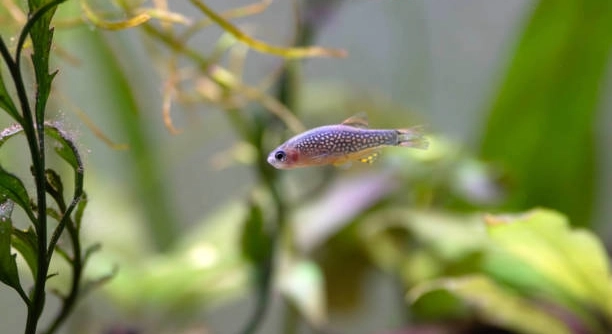
Danios are small, active fish often seen in home aquariums. Their swimming can sometimes appear unusual or erratic, leaving owners concerned. Observing these patterns closely can help identify potential health or environmental issues affecting them.
Unusual swimming patterns in danios are commonly caused by water quality problems, infections, parasites, stress, injury, poor nutrition, or genetic factors. Each of these causes can disrupt normal behavior, affecting the fish’s balance, coordination, and overall activity in the aquarium.
Recognizing the signs early is important for maintaining healthy, happy danios. Understanding the underlying causes will help you manage their environment and wellbeing effectively.
Water Quality Issues
Poor water quality is one of the main reasons danios swim erratically. Ammonia, nitrite, and nitrate levels that are too high can irritate their gills and nervous system. Chlorine or heavy metals in tap water also cause stress. Temperature fluctuations or water that is too warm or too cold can affect their metabolism, making swimming appear unnatural. Regular testing with aquarium kits helps detect these changes before they become severe. Filtration is important to maintain cleanliness, but over-filtering can also create strong currents that tire danios. Uneaten food and decaying plants contribute to toxic buildup, so removing waste is essential. Even subtle changes, like adding new fish or decorations, can affect water parameters and stress your fish. Ensuring a stable and clean environment keeps danios swimming smoothly.
Monitoring water chemistry, temperature, and cleanliness is key to healthy fish behavior in your tank.
Keeping water balanced requires consistent testing and maintenance. Regular partial water changes help remove toxins and stabilize conditions, creating a safer habitat.
Parasites and Infections
External parasites can attach to the skin or gills, causing itching and disorientation.
Parasites and infections disrupt swimming because they interfere with the fish’s normal body functions. Common parasites include flukes, lice, and protozoans. Infections from bacteria or fungi often develop in damaged areas, leading to erratic movements. Symptoms may include rubbing against objects, clamped fins, or visible spots. Quarantining new fish reduces the chance of spreading disease. Observing behavior daily helps catch early signs. Treatments vary depending on the pathogen, including medicated baths or water additives. Keeping the tank clean and maintaining stable conditions lowers the risk of infections. A healthy immune system is crucial, so avoid overcrowding and provide balanced nutrition. Early intervention can prevent serious illness and restore normal swimming patterns.
When infections and parasites are addressed quickly, danios often regain their normal activity and coordination, making tank care more manageable and reducing stress for both fish and keeper.
Stress and Overcrowding
Stress can make danios swim erratically. Loud noises, sudden movements, or too many tank mates disrupt their routine and cause constant nervous activity. Even minor changes, like rearranging decorations, can increase tension and affect swimming behavior.
Overcrowding limits space for swimming and increases aggression among danios. Conflicts over territory or food create continuous stress, reducing overall health. Stress weakens their immune system, making them more prone to infections and parasites. In crowded tanks, danios may dart unpredictably or stay near the surface to avoid confrontation. Providing enough space, hiding spots, and maintaining a calm environment helps them feel secure and swim naturally. Observation of interactions among fish can indicate when stress is a factor.
Reducing stress involves careful planning of tank size, population, and environment. Consistent routines, proper feeding, and gentle handling also support calmer behavior, ensuring danios maintain healthy, normal swimming patterns.
Poor Nutrition
A lack of proper nutrients affects danios’ energy and coordination. Inadequate diets can cause lethargy, erratic swimming, or floating issues.
Feeding only one type of food, such as flakes, may not provide essential vitamins and minerals. Protein is necessary for muscle development, while fats and carbohydrates supply energy for swimming. Vitamin deficiencies can weaken fins, impair balance, and make danios more susceptible to disease. Offering a mix of high-quality flakes, frozen, and live food ensures a balanced diet. Overfeeding can also create water pollution, contributing to stress and abnormal behavior. Watching how your fish respond to different foods helps identify deficiencies.
A consistent feeding schedule and a varied diet improve overall health and swimming performance. Balanced nutrition supports strong muscles, proper digestion, and alert, natural movement patterns, keeping danios active and comfortable in their habitat.
Injury
Injuries can cause danios to swim unevenly or struggle to maintain balance. Scrapes from sharp decorations, rough handling, or aggressive tank mates may result in temporary disorientation and reduced mobility.
Fin damage or body wounds make swimming difficult and can lead to secondary infections. Treating injuries promptly and keeping the tank clean supports healing and prevents further complications.
Genetic or Developmental Issues
Some danios naturally exhibit unusual swimming due to genetic traits or developmental abnormalities. Spinal deformities, fin malformations, or congenital issues can affect balance and coordination. These conditions may be subtle, only appearing as minor deviations in swimming patterns, while severe cases make movement more erratic. Breeding practices and inbreeding increase the likelihood of inherited abnormalities. Observing fish from a young age can help identify potential genetic issues early. While these conditions cannot always be corrected, providing a safe and stress-free environment reduces the risk of injury or infection, allowing affected danios to live comfortably and maintain the best possible swimming ability.
Environmental Changes
Sudden changes in lighting, temperature, or water chemistry can disturb swimming. Consistency helps danios remain calm and balanced.
FAQ
Why is my danio swimming in circles?
Circling behavior is often caused by stress, water quality issues, or internal parasites. High ammonia or nitrite levels can irritate the gills, making your fish lose balance. Injuries or neurological problems may also lead to repetitive circular swimming. Checking water parameters, inspecting for wounds, and observing interactions with other fish can help pinpoint the cause. Providing a calm environment with proper filtration and hiding spaces usually reduces circling behavior over time.
What does it mean when my danio floats near the surface?
Floating near the top can indicate swim bladder issues, poor nutrition, or oxygen deficiency. Overfeeding, sudden temperature changes, or low oxygen levels in the water can make them struggle to maintain buoyancy. Testing water conditions and adjusting feeding amounts often improves this behavior. Occasionally, certain illnesses affect the swim bladder directly, requiring observation and treatment if other symptoms like lethargy or clamped fins appear.
Why does my danio dart around quickly?
Sudden, erratic movements often result from stress or irritation. Strong currents, overcrowding, or aggressive tank mates can trigger this behavior. Parasites or gill irritation may also make the fish react quickly to discomfort. Ensuring enough space, reducing noise, and providing hiding spots helps calm them. Observing whether darting occurs after feeding, during light changes, or when new decorations are added can reveal environmental triggers that need adjustment.
How can I tell if my danio has a parasite?
Parasites often cause scratching, rubbing against objects, clamped fins, or visible spots on the body. Fish may swim abnormally or hide more than usual. Early detection is key to treatment. Quarantining new fish, maintaining clean water, and using parasite-specific treatments can prevent further spread. Observation of behavior changes, combined with visual signs, usually indicates whether a parasite is present. Prompt action helps reduce stress and allows the fish to recover normal swimming patterns.
Can water temperature affect my danio’s swimming?
Yes, temperature impacts metabolism and energy levels. Water that is too cold slows movement and may make swimming sluggish. Water that is too warm increases stress and can cause erratic movements. Maintaining a stable temperature suitable for danios, generally around 72–78°F, supports consistent swimming patterns. Using a reliable heater and thermometer helps avoid sudden fluctuations that disrupt their behavior.
Why are my danios swimming at the bottom of the tank?
Bottom-dwelling behavior can indicate illness, stress, or poor water quality. Low oxygen levels or high ammonia may push fish downward. If several fish display this behavior, water testing and partial changes are necessary. Sometimes, it’s temporary, such as after feeding or during rest periods. Providing plants and hiding spots can make them feel secure while monitoring for persistent symptoms that may require intervention.
What should I do if my danio swims upside down?
Upside-down swimming usually signals swim bladder disorder or infection. Overfeeding, constipation, or bacterial infections can disrupt buoyancy. Isolating the affected fish, adjusting feeding, and offering specialized treatments for swim bladder issues often restore normal swimming. Maintaining clean water and avoiding sudden dietary changes reduces the risk of recurrence. Observing gradual improvements over a few days helps confirm recovery.
How can I prevent unusual swimming patterns in danios?
Maintaining stable water conditions, providing a balanced diet, avoiding overcrowding, and monitoring for signs of stress or illness are essential. Regular tank maintenance, careful introduction of new fish, and observation of daily behavior reduce the likelihood of erratic swimming. Creating a safe, consistent environment allows danios to swim naturally and stay healthy.
Are some danios naturally prone to odd swimming behaviors?
Yes, genetic factors or developmental issues may cause permanent deviations in swimming. Spinal deformities, fin abnormalities, or inherited conditions can affect balance and coordination. While these cannot be fully corrected, providing a stress-free and safe environment reduces complications and ensures the fish can swim comfortably within their abilities.
When should I seek professional help for my danio?
If unusual swimming persists despite proper care, water adjustments, and diet, consulting a veterinarian or aquatic specialist is recommended. Persistent erratic movements, swelling, visible spots, or rapid deterioration in health are signs that professional evaluation is necessary to prevent serious illness or death. Early intervention improves recovery chances.
Danios are lively and engaging fish, and their swimming patterns often reflect their overall health and environment. Observing your danios closely can reveal a lot about their wellbeing. Unusual swimming behavior is usually a signal that something in the tank needs attention. Whether it is related to water quality, diet, stress, injury, or a genetic issue, identifying the cause early can prevent more serious problems. Regular monitoring of water parameters, such as ammonia, nitrite, nitrate, and temperature, is an essential part of caring for these fish. Even small changes in the environment can have noticeable effects on their behavior, so consistent maintenance helps ensure their swimming remains normal and smooth. Paying attention to interactions between fish and watching for signs of aggression or stress can also help in maintaining a balanced tank environment.
Proper nutrition plays a significant role in supporting healthy swimming patterns. A varied diet that includes high-quality flakes, frozen foods, and occasional live foods provides the nutrients needed for muscle development, energy, and immune system support. Overfeeding or underfeeding can both cause issues, as can feeding only one type of food. Balanced nutrition not only keeps the fish active but also strengthens their resistance to diseases that may cause erratic swimming. In addition to diet, providing sufficient space in the tank is vital. Overcrowding leads to stress, which can manifest as erratic movements or hiding behavior. Including decorations and hiding spots can reduce stress, giving fish areas to retreat when they feel threatened. Observing behavior daily allows you to notice subtle changes and take action before the problem becomes severe.
Even with the best care, some danios may still exhibit unusual swimming due to genetic or developmental issues. While these conditions cannot always be corrected, creating a calm, safe, and clean environment reduces the impact on their daily life. Prompt attention to injuries, water quality, and potential infections helps minimize discomfort and supports recovery. Maintaining consistent care routines, providing balanced nutrition, and monitoring behavior regularly will help keep your danios healthy and active. Understanding the reasons behind unusual swimming patterns allows you to respond effectively, ensuring your fish live a comfortable and stable life in the aquarium. By focusing on these key areas, you can enjoy the energy and beauty of your danios while minimizing health risks and behavioral issues.

Hello,
If you enjoy the content that we create, please consider saying a "Thank You!" by leaving a tip.
Every little bit helps us continue crafting quality advice that supports the health, happiness, and well-being of pets around the world, for pets of all shapes, sizes, and species.
We really appreciate the kindness and support that you show us!