
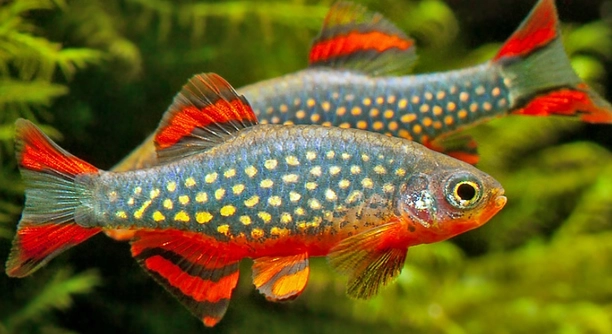
Danios are small, active fish often kept in home aquariums. They move quickly and prefer calm areas when preparing to spawn. Observing their natural behavior can help aquarists create a better environment for breeding success.
Danios typically select hidden areas with dense plants, floating leaves, or crevices in decorations to lay eggs. These locations offer protection from predators and currents, ensuring higher survival rates for the eggs and supporting natural reproductive behavior.
Knowing where these fish prefer to spawn can improve aquarium setup and care. Identifying their favored spots helps maintain healthy populations and supports natural behaviors within a tank environment.
Dense Plant Clusters
Dense plant clusters are among the most popular spots for danios to spawn. They feel safer when surrounded by greenery, as the leaves help shield eggs from strong currents and potential threats. In my tank, I noticed danios often swim slowly around these areas before laying eggs, circling cautiously. Plants like Java moss or hornwort provide fine cover that keeps eggs anchored and hidden. These clusters also maintain stable water conditions, which is important for delicate eggs. The fish seem to prefer areas where they can wedge themselves among stems and leaves, giving them a secure feeling. Observing their behavior shows a careful selection process, highlighting the importance of dense planting in breeding setups. Even small planted corners can make a significant difference in egg survival rates, offering the fish both privacy and protection. Setting up these clusters early in the tank encourages natural behavior and can improve breeding outcomes noticeably.
Dense plants are a practical and effective way to create safe spawning areas for danios, increasing egg survival rates significantly.
In addition to hiding eggs, dense plant clusters help reduce stress for adult danios. Stress-free fish are more likely to spawn consistently and exhibit natural behaviors. Plants can also provide microhabitats where tiny fry can hide after hatching, giving them a better chance to survive. Choosing a mix of fine-leaved and broader plants creates layers of cover that suit different spawning styles. Placement matters too; areas with moderate light and gentle water flow seem to be preferred. Over time, observing how your danios interact with the plants can guide adjustments in layout, ensuring eggs are placed where they are safest. This approach not only supports reproduction but also makes the tank feel more natural for the fish, supporting overall health and activity levels in your aquarium.
Floating Leaf Surfaces
Floating leaves offer danios a subtle and protective spawning area. The surface tension and shade give eggs a sheltered location away from strong currents and bright lights.
These surfaces allow eggs to adhere naturally while remaining close to oxygen-rich water. Floating plants like duckweed or water lettuce are excellent choices.
Danios often hover beneath the leaves before laying eggs, assessing safety and comfort. This behavior reduces stress and increases the likelihood of successful spawning. Floating leaves also make it easier to monitor eggs without disturbing the tank. Placing plants strategically ensures both adults and eggs have enough space, encouraging healthy interaction. In my tank, the eggs laid under floating leaves have higher survival rates, likely because predators cannot easily reach them. Over time, maintaining these plants clean and free from decay is important, as decomposing leaves can affect water quality. By using floating leaves intentionally, you create a natural environment that supports reproductive behaviors while keeping the tank balanced and visually appealing. Careful observation and plant maintenance lead to healthier adults and stronger fry.
Crevices in Decorations
Danios often choose crevices in tank decorations as hidden spawning sites. Small gaps in rocks, driftwood, or ceramic ornaments provide a secure place for eggs, protecting them from strong currents and other fish in the tank.
These crevices allow danios to lay eggs in a confined, safe space. In my aquarium, I noticed that eggs placed in these gaps remain undisturbed, even when other fish swim nearby. The tight spaces offer shelter from water flow and potential predators. Danios seem to return to the same crevices repeatedly, indicating preference and comfort. Using decorations with multiple small gaps can improve breeding success. Placement matters; ensuring these areas are accessible yet protected creates an ideal spawning zone.
Eggs in crevices often have higher survival rates because they are shielded from debris and movement in the water. Observing this behavior, I realized that selecting decorations with natural hiding spaces encourages danios to reproduce more consistently. It also makes monitoring eggs easier without causing stress to the adults.
Submerged Leaf Surfaces
Submerged leaves provide eggs with protection under the water column, keeping them away from strong light and currents. Danios often choose these areas for calm and safe spawning conditions.
Leaves from plants like Amazon sword or anubias offer flat surfaces where eggs can adhere securely. In my experience, eggs placed on submerged leaves tend to stay in place, even with moderate water flow. Danios hover closely while laying eggs, ensuring they attach firmly and remain safe from other fish. The structure of broad leaves also allows tiny fry to find shelter after hatching, increasing survival rates. Multiple leaves at different heights in the tank give fish options and encourage natural behavior.
Placing submerged leaves strategically can create layered spawning areas that mimic natural habitats. Danios appear less stressed when eggs are laid in these spots, resulting in more frequent and successful breeding. Maintaining clean leaves is essential, as decaying matter can harm eggs. Over time, I observed that eggs on healthy leaves had higher hatching rates, demonstrating the importance of plant selection and placement. Using a combination of floating and submerged leaves ensures coverage at various levels, benefiting both adults and fry.
Small Rock Gaps
Small gaps between rocks create quiet, hidden areas where danios feel secure laying eggs. These spaces reduce exposure to strong currents and other tank inhabitants, providing a natural sense of shelter.
In my tank, I noticed danios consistently choosing these gaps. Eggs stay hidden and undisturbed, increasing survival rates.
Dense Moss Patches
Dense moss patches are excellent spawning spots because they mimic natural riverbeds. Danios use the thick cover to anchor eggs safely, preventing them from drifting with water movement. In my experience, moss patches not only protect eggs but also encourage the fish to stay active nearby, making breeding more predictable and consistent. The moss structure provides micro-shelters for newly hatched fry, giving them a higher chance of survival. Regular trimming ensures the moss remains healthy and doesn’t decay, which can otherwise affect water quality. Including moss in several areas of the tank supports multiple spawning options, giving danios freedom to select spots that feel safest for their eggs.
Aquarium Corners
Aquarium corners often serve as quiet, low-traffic areas for spawning. Danios prefer these spots to minimize disturbances and protect their eggs.
FAQ
How do I know if my danios are ready to spawn?
Danios usually show clear signs when they are ready to spawn. Males become more colorful and active, often chasing females gently around the tank. Females may appear rounder as eggs develop, and both sexes may explore hidden areas more frequently. I often see my danios hovering around plants or decorations, testing spaces where eggs might be laid. Their behavior changes noticeably compared to normal swimming patterns. Watching these subtle cues can help predict spawning without stress.
What types of plants are best for danio spawning?
Dense plants and mosses work best for danios. Java moss, hornwort, and anubias offer fine leaves or thick cover, giving eggs a secure place to attach. Floating plants like duckweed and water lettuce are also useful, providing shaded surfaces for egg-laying. In my experience, using a mix of submerged and floating plants allows more options for the fish and increases the likelihood of successful spawning. Plants need to be healthy, with no decay, to ensure water quality remains safe for eggs and fry.
How can I increase egg survival in my tank?
Hiding eggs in secure areas like dense plants, crevices, or under leaves greatly improves survival. Gentle water flow helps prevent eggs from being dislodged. I also remove or separate aggressive tank mates, as they may eat the eggs. Maintaining clean water and stable temperature encourages healthy development. Observing where danios prefer to lay eggs helps replicate those conditions consistently, giving the eggs the best chance to hatch and grow into healthy fry.
Do danios eat their own eggs?
Yes, danios may eat their eggs if left unchecked. In my tank, I noticed that eggs left in open areas or on bare substrate often disappear quickly. Using plants, moss, or decorations to hide eggs helps prevent this. Some aquarists separate eggs or use breeding traps, but natural hiding spots often work just as well and reduce stress for the adults. Observing the fish closely during spawning ensures eggs remain safe without interfering with normal behaviors.
How long does it take for danio eggs to hatch?
Danio eggs generally hatch within 24 to 36 hours, depending on water temperature. Warmer water speeds up development slightly, while cooler water may slow it. I found that maintaining stable temperature and clean conditions is more important than adjusting heat, as sudden changes can stress adults and fry. Once hatched, fry usually cling to plants or moss, taking a few days to start free swimming. Monitoring water quality and feeding appropriately ensures the newly hatched fry survive and grow steadily.
Can I encourage multiple spawning events in a week?
Yes, danios can spawn multiple times with proper care. Providing clean water, healthy food, and multiple hidden spots encourages repeated egg-laying. In my experience, spacing dense plants, floating leaves, and crevices throughout the tank keeps the fish comfortable and reduces competition. Observing their behavior and maintaining optimal conditions helps achieve several spawning events without stressing the fish. Rotating or trimming plants slightly can also keep the environment fresh, making the fish more likely to use the same areas repeatedly.
Is it necessary to remove adult danios after spawning?
It is not always necessary, but removing adults can protect eggs from being eaten. In my tanks, hiding eggs in plants often suffices, but more aggressive adults may still consume some. Using partial separation or breeding nets can help in these cases. This approach allows fry to develop safely while keeping adults in familiar territory, reducing stress for both eggs and adult fish. Observing the adults’ behavior during early spawning helps decide whether removal is required.
What should I feed danio fry after hatching?
Fry need tiny, nutrient-rich food. Infusoria, newly hatched brine shrimp, or finely crushed flake food work well. In my experience, providing small amounts several times a day ensures the fry eat without fouling the water. Gradually increasing food size as they grow helps their development. Maintaining clean water and observing growth ensures fry thrive during these early, sensitive days.
How important is water quality for spawning and egg survival?
Water quality is critical. Stable temperature, low nitrates, and gentle water flow increase egg survival. I check water parameters regularly, change small amounts frequently, and avoid sudden shifts. Clean, well-oxygenated water supports both adults and eggs, preventing fungus or decay. Even small tanks benefit from careful monitoring, as eggs are delicate and fry are sensitive to poor conditions. Healthy water consistently improves breeding success and the overall vitality of danios.
Can danios spawn in a community tank?
Yes, but it can be challenging. Eggs are at risk from other fish, and stress may reduce spawning frequency. In my tanks, dense plants, floating leaves, and crevices offer protection, but separating eggs or providing hidden areas gives better survival rates. Monitoring the tank closely and adding multiple spawning sites increases the likelihood of successful breeding without drastically altering the community environment.
Final Thoughts
Danios are active and intelligent fish that display interesting behaviors when it comes to spawning. Observing where they choose to lay eggs can teach a lot about their natural instincts and preferences. In my experience, giving them multiple safe options like dense plants, floating leaves, and small crevices in decorations makes a big difference. These fish are cautious when laying eggs, often circling a spot several times before committing. Providing a variety of hiding places not only increases egg survival but also reduces stress for the adults, allowing them to behave naturally. The patterns I’ve seen in my own tank show that danios prefer areas that mimic their natural environment, even in a small home aquarium. A tank with layered planting and sheltered spots encourages more consistent breeding and healthier fish overall.
Maintaining clean water and stable conditions is just as important as creating hiding spaces. Danios are sensitive to sudden changes in temperature or water quality, which can affect their willingness to spawn. In my tanks, I make sure to monitor temperature, keep nitrate levels low, and maintain gentle water flow around plants and decorations. Eggs laid in stable conditions tend to develop faster and hatch more successfully. Dense plant clusters, submerged leaves, and crevices in rocks or driftwood all provide protection from water currents and potential disturbances. Even small details like trimming moss or ensuring floating plants remain healthy can make a noticeable difference in egg survival. By paying attention to both the physical environment and the water conditions, it is possible to create a supportive space where danios can reproduce naturally and safely.
Observing danios during spawning is rewarding and gives a better understanding of their behavior. Each fish seems to have its own preference for where it lays eggs, and offering multiple types of hiding spots accommodates these differences. Eggs hidden under floating leaves, attached to moss, or tucked into rock crevices generally have higher survival rates. In my experience, separating fry or protecting eggs is sometimes helpful, but often, well-placed plants and decorations are enough to ensure most eggs survive. Watching the process also helps improve future tank setups, as it shows which spots are most popular and effective. Ultimately, the combination of thoughtful tank design, proper water care, and observation leads to healthier fish, higher breeding success, and a more natural, calm environment for danios. By understanding and accommodating their needs, it is possible to create a tank where both adults and fry thrive without unnecessary stress or interference.

Hello,
If you enjoy the content that we create, please consider saying a "Thank You!" by leaving a tip.
Every little bit helps us continue crafting quality advice that supports the health, happiness, and well-being of pets around the world, for pets of all shapes, sizes, and species.
We really appreciate the kindness and support that you show us!