
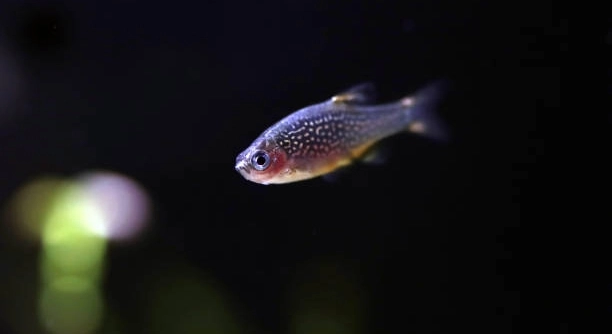
Are your Celestial Pearl Danios showing unusual behavior or signs of stress in your aquarium? These small, colorful fish are sensitive to water conditions and can develop illnesses that are easy to overlook if not monitored carefully.
Celestial Pearl Danios are prone to several common illnesses including ich, fin rot, velvet disease, and swim bladder issues. Effective treatment requires accurate diagnosis, maintaining optimal water quality, and timely application of medications or home remedies to restore health.
Knowing the symptoms and treatments of these diseases helps you keep your fish healthy and your aquarium balanced for the long term.
Ich (White Spot Disease)
Ich is one of the most common illnesses in Celestial Pearl Danios. It appears as small white spots on the fish’s body and fins, often accompanied by scratching against decorations or the tank walls. The disease is caused by the parasite Ichthyophthirius multifiliis, which thrives in stressed fish or poor water conditions. Symptoms include rapid gill movement, lethargy, and loss of appetite. To treat ich, raise the water temperature slightly to speed up the parasite’s life cycle and use an over-the-counter ich treatment following the instructions carefully. Performing partial water changes and removing activated carbon from filters can improve medication effectiveness. Maintaining stable water parameters, avoiding overcrowding, and quarantining new fish are essential preventative measures to minimize outbreaks and protect the entire tank.
Ich can spread quickly if untreated, so early detection and prompt action are crucial for your fish’s recovery.
Proper tank management, including consistent water changes, monitoring temperature, and maintaining a balanced diet, helps reduce stress and strengthens fish immunity. Medications like copper-based treatments or formalin can eradicate parasites, but careful observation is needed to avoid overmedication. Quarantining infected fish prevents spreading the disease to others. Regular inspection of fish allows for quick identification of spots or unusual behavior. By acting early, you can restore your Danios to health and prevent recurring outbreaks, ensuring a clean and stable environment where they thrive.
Fin Rot
Fin rot manifests as frayed or disintegrating fins, often with discoloration at the edges. It usually develops in tanks with poor water quality, overcrowding, or injuries from aggressive tank mates. Early treatment includes improving water conditions and using antibacterial medications.
Preventing fin rot requires consistent water changes and careful attention to tank hygiene.
Once fin rot develops, maintaining pristine water is the first step to recovery. Antibacterial treatments help stop the infection, but damaged fins may take weeks to fully regrow. Stress reduction is critical, so avoid sudden changes in water temperature or pH levels. Removing aggressive tank mates can prevent further damage. Feeding high-quality, nutrient-rich food supports immune function and healing. Monitoring fins daily allows for quick adjustments if symptoms worsen. By combining treatment with proper tank care, Danios can recover fully and regain healthy, vibrant fins.
Velvet Disease
Velvet disease is caused by a parasite that gives fish a dusty, gold or rust-colored coating. Infected Danios may scratch against surfaces, appear lethargic, or breathe rapidly.
Treating velvet disease requires immediate isolation of infected fish and the use of specialized anti-parasitic medication. Raising the water temperature slightly can speed up the parasite’s life cycle, making treatment more effective. Dim lighting helps reduce stress, as the parasite thrives in bright conditions. Maintaining excellent water quality and minimizing sudden environmental changes supports recovery. Regular observation ensures that symptoms are responding to treatment and helps prevent the disease from spreading to other fish in the tank.
Preventing velvet disease relies on quarantine procedures for new fish, routine water maintenance, and avoiding overcrowding. Stress reduction is crucial because stressed Danios are more susceptible. Adequate nutrition strengthens their immune system, increasing resilience against infections. By combining careful tank management with timely medication, fish can recover fully and return to normal activity and coloration.
Swim Bladder Disorder
Swim bladder disorder causes fish to float uncontrollably or sink to the bottom. This condition can result from overfeeding, constipation, or infections.
Addressing swim bladder disorder starts with adjusting feeding practices. Offer small, easily digestible meals and avoid overfeeding. Fasting for a day or two can help clear the digestive system. Feeding shelled peas, boiled and chopped, can relieve constipation, one common cause of swim bladder issues. Maintaining clean water is essential to prevent secondary infections, and checking for injuries or deformities ensures other causes are not overlooked.
Long-term care involves monitoring diet and tank conditions carefully. Regular observation of swimming patterns helps detect problems early. Providing a stress-free environment, stable temperature, and proper nutrition supports recovery. In some cases, infections may require targeted treatment, while genetic or structural issues might need more permanent adjustments. Consistent care and attention help prevent recurrence and maintain overall fish health.
Fungal Infections
Fungal infections often appear as white, cotton-like growths on fins or the body. Poor water quality and injuries increase the risk of infection.
Treatment includes isolating affected fish and applying antifungal medication. Improving tank hygiene and maintaining clean water supports recovery and prevents recurrence.
Columnaris
Columnaris is a bacterial infection that causes lesions, frayed fins, and pale patches on Danios. It spreads quickly in tanks with poor water conditions or stressed fish. Prompt treatment with antibiotics and water quality improvement is essential to prevent serious health decline.
Dropsy
Dropsy is characterized by bloating, raised scales, and lethargy. It often indicates internal organ issues or bacterial infection.
FAQ
How can I tell if my Celestial Pearl Danio is sick?
Look for changes in behavior, such as lethargy, loss of appetite, or erratic swimming. Physical signs like white spots, frayed fins, bloating, or unusual coloration are also indicators. Observing these early helps you act quickly and prevent the illness from worsening.
What is the best way to prevent common illnesses?
Maintaining clean water, proper temperature, and stable pH is essential. Avoid overcrowding, provide a balanced diet, and quarantine new fish before adding them to the main tank. Regular monitoring reduces stress and strengthens your fish’s immune system.
Can water changes really help treat diseases?
Yes, partial water changes improve water quality and remove toxins that stress fish. Clean water supports recovery and enhances the effectiveness of medications. Frequent checks of ammonia, nitrite, and nitrate levels are necessary to maintain optimal conditions.
Are medications always necessary for treatment?
Not always. Some minor issues like constipation or mild stress can improve with dietary changes or better water quality. However, bacterial, fungal, or parasitic infections often require targeted medication to fully eliminate the problem and prevent spread.
How long does it take for a fish to recover?
Recovery time varies depending on the illness and treatment. Mild cases like constipation may improve in a few days, while serious infections like ich, velvet disease, or dropsy may take several weeks of consistent care and monitoring.
Can stress cause illnesses in Danios?
Yes, stress weakens the immune system, making fish more susceptible to infections. Common stressors include poor water conditions, sudden temperature changes, aggressive tank mates, or overcrowding. Reducing stress is a key part of both treatment and prevention.
Is it safe to treat multiple fish at once?
Treating multiple fish together is possible if the disease is contagious. Isolate sick fish when feasible, but ensure the main tank water is clean to prevent further spread. Follow dosage instructions carefully to avoid harming healthy fish.
Can diet affect fish health?
Absolutely. A balanced diet supports immunity and overall well-being. Overfeeding or poor-quality food can cause digestive issues, swim bladder problems, and contribute to stress, making fish more prone to illness. High-quality flakes, pellets, and occasional live or frozen food are recommended.
What should I do if a fish doesn’t respond to treatment?
Reassess water parameters, feeding habits, and tank conditions. Sometimes the illness may be advanced or complicated by multiple factors. Consult with a vet or aquatic specialist for advice, and consider isolation or more targeted medication if needed.
How do I quarantine new fish properly?
Place new fish in a separate tank for at least two weeks. Monitor for signs of illness and maintain clean water. This step helps prevent introducing diseases into your established tank and protects existing fish.
Are some illnesses contagious between species?
Yes, diseases like ich, velvet, and columnaris can affect multiple species in the same tank. Early detection, isolation of affected fish, and maintaining excellent water quality are crucial to prevent spread.
Can environmental changes trigger illness?
Sudden changes in temperature, pH, or water hardness can stress Danios, making them more prone to disease. Keeping conditions stable and gradually adjusting changes helps fish adapt without compromising their health.
How often should I inspect my fish for signs of illness?
Daily observation is ideal. Even small changes in behavior or appearance can indicate early-stage disease. Catching problems early allows for quicker treatment and reduces the risk of severe health issues.
Can natural remedies help with treatment?
Some remedies, like salt baths or certain herbal treatments, can support recovery for minor issues. However, serious infections usually require commercial medications for effective treatment. Combining natural remedies with proper water care can improve outcomes.
Is it necessary to remove decorations during treatment?
Not always, but if using medications that react with tank surfaces or activated carbon, temporarily removing decorations can ensure medication effectiveness. Always return them once treatment is complete and the tank is stable.
How can I improve my fish’s immunity?
Providing a balanced diet, stable water conditions, and reducing stress are the main ways to strengthen immunity. Healthy fish recover faster and resist infections more effectively. Regular observation ensures prompt action if symptoms appear.
Can genetics play a role in disease susceptibility?
Yes, some fish may be genetically predisposed to certain conditions, making them more prone to stress or infections. While genetics can’t be changed, maintaining ideal environmental conditions reduces risk and supports overall health.
Should I separate aggressive tank mates during treatment?
Yes, aggression can worsen stress and slow recovery. Separating aggressive fish protects both the sick fish and prevents injury or additional stress during the healing process.
What is the most important factor in long-term health?
Consistent water quality, proper nutrition, stress management, and careful observation are the foundation of long-term health for Celestial Pearl Danios. Prevention and early action are always more effective than treating severe illness.
Caring for Celestial Pearl Danios requires attention to their environment, diet, and behavior. These small, colorful fish are sensitive to changes in water quality, temperature, and tank conditions. Even minor fluctuations can cause stress, which makes them more prone to illnesses such as ich, fin rot, or velvet disease. Maintaining clean water with consistent temperature and proper pH is essential. Regular partial water changes remove toxins and waste that could otherwise weaken your fish. Observing your Danios daily helps you detect subtle signs of discomfort or illness before they become severe. Simple measures like avoiding overcrowding, using a gentle filter, and providing hiding spots help reduce stress and create a stable environment where fish can thrive.
Nutrition also plays a key role in keeping Celestial Pearl Danios healthy. A balanced diet strengthens their immune system and supports overall well-being. High-quality flakes or pellets designed for small tropical fish provide essential nutrients, while occasional live or frozen foods can improve variety and stimulate natural foraging behaviors. Overfeeding or poor-quality food can cause digestive issues or contribute to swim bladder problems, which may lead to further complications. Feeding small, measured portions multiple times a day ensures that the fish receive adequate nutrition without compromising water quality. By combining proper feeding practices with clean, well-maintained water, you can significantly reduce the likelihood of common illnesses.
Timely action is critical when illnesses occur. Early detection and proper treatment can prevent diseases from spreading or becoming fatal. Quarantining new or sick fish, using recommended medications for bacterial, fungal, or parasitic infections, and improving tank conditions all support recovery. Stress reduction is equally important during treatment, as fish are more resilient when their environment is calm and stable. Prevention remains the most effective approach: maintaining clean water, monitoring fish behavior, providing appropriate nutrition, and controlling tank population all reduce the risk of illness. By consistently applying these practices, you can ensure that your Celestial Pearl Danios remain vibrant, active, and healthy over the long term, allowing you to enjoy a thriving aquarium.

Hello,
If you enjoy the content that we create, please consider saying a "Thank You!" by leaving a tip.
Every little bit helps us continue crafting quality advice that supports the health, happiness, and well-being of pets around the world, for pets of all shapes, sizes, and species.
We really appreciate the kindness and support that you show us!