
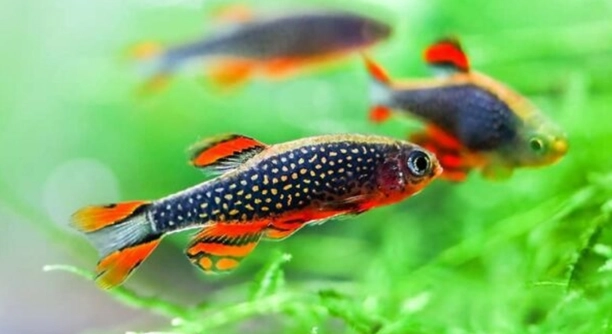
Danios are popular freshwater fish that bring life to home aquariums. Small changes in their environment can have noticeable effects on their behavior, growth, and overall well-being. Temperature plays a key role in maintaining their balance.
A shift of seven degrees in water temperature can significantly influence danios’ metabolism, activity levels, and stress responses. Warmer water tends to increase metabolic rates and activity, while cooler conditions slow movement and digestion, potentially impacting their long-term health and survival.
Understanding these temperature effects can help you provide a stable and healthy environment for your danios, ensuring they thrive and maintain their natural behaviors.
Understanding Danios’ Temperature Sensitivity
Danios are cold-blooded, which means their body temperature aligns with their environment. Even a seven-degree shift can influence digestion, swimming patterns, and immune function. Warmer water can make them more active, increasing oxygen demand and stress. Cooler water slows metabolism, which may reduce feeding and growth. Sudden temperature swings are more stressful than gradual changes. Monitoring the aquarium with a reliable thermometer ensures consistency. Plants and filtration systems also affect temperature stability. Small tanks are more vulnerable to fluctuations than larger ones, so extra care is needed. Adjusting heaters slowly helps danios acclimate. Observing behavior such as erratic swimming, hiding, or gasping at the surface can indicate stress. Maintaining a stable temperature supports breeding and prevents illness. Balanced water parameters, including pH and hardness, complement temperature control. Feeding should match activity levels; overfeeding in cooler conditions may cause digestive problems. Overall, temperature is a key factor in keeping danios healthy and active, requiring careful attention.
Sudden temperature changes may trigger stress, illness, and irregular activity patterns, highlighting the importance of steady conditions in aquariums.
Consistency in temperature is essential. Gradual adjustments reduce stress, support proper feeding and growth, and help maintain a strong immune system. Stable conditions promote natural behavior and long-term health. Regular observation ensures early detection of problems before they become serious.
Practical Steps to Maintain Stable Temperatures
Regular monitoring with a reliable thermometer helps track water changes accurately.
Using heaters with built-in thermostats or external controllers provides better control over temperature shifts. Positioning heaters near water flow ensures even distribution. Avoid placing tanks in direct sunlight or near drafty areas. Sudden power outages or seasonal changes can alter water temperature; using backup solutions like battery-powered heaters or insulating materials can help. Introducing new water should match tank temperature to prevent shock. Gradual adjustments when increasing or decreasing temperature protect danios from stress. Combining temperature control with proper filtration, aeration, and plant coverage maintains stable oxygen levels. Observe fish behavior daily; lethargy, rapid gill movement, or reduced appetite can indicate thermal stress. Recording water temperature trends over time helps predict and prevent fluctuations. In larger setups, multiple sensors and heaters can maintain uniform conditions throughout the tank. Overall, careful planning and attention to detail minimize risk and support the health and activity of danios.
Effects on Metabolism
Temperature changes directly affect danios’ metabolism. Warmer water increases energy use and digestion, while cooler water slows their metabolic rate, impacting feeding and activity levels throughout the day.
When water temperature rises, danios become more active and may require more frequent feeding. Their digestion accelerates, which can be beneficial for growth but also increases oxygen demand. In cooler water, activity slows and food intake decreases, which may reduce growth over time. Monitoring feeding habits and adjusting portions based on water temperature ensures they maintain healthy weight and energy levels. Sudden temperature shifts can cause stress, leading to irregular metabolism and potential illness. Consistency is key to supporting stable metabolic function and overall health.
Temperature also influences how danios process nutrients. Warmer conditions speed enzyme activity, helping them break down food quickly, while cooler water reduces enzyme efficiency. Long-term exposure to inappropriate temperatures can affect organ function, immunity, and energy storage. Adjusting diet and feeding schedules to match activity levels helps prevent digestive issues. Keeping a close watch on swimming patterns, appetite, and weight ensures that metabolic changes remain manageable. Proper tank equipment, including heaters and thermometers, supports a controlled environment that keeps their metabolism within a healthy range and prevents stress-related health problems.
Behavior and Activity Changes
Danios respond quickly to even small temperature fluctuations, showing changes in swimming, schooling, and resting patterns.
Warmer water often increases swimming speed and social interactions, while cooler water slows movements and encourages hiding or resting near the bottom. Activity levels directly affect how much oxygen they consume and how frequently they feed. Rapid shifts can make them erratic, leading to stress or injuries in small tanks. Observing their behavior daily helps detect early signs of discomfort. Stable temperatures promote predictable patterns, allowing danios to maintain normal routines for feeding, swimming, and interaction with tank mates.
Temperature also affects reproduction and social hierarchy. In warmer water, males may display more aggression and mating behaviors, while females show increased appetite. Cooler water can suppress breeding activity and reduce interactions among tank mates. Behavioral changes may indicate stress before physical symptoms appear, so paying attention to both subtle and obvious shifts is essential. Adjusting environmental factors, including temperature, lighting, and tank layout, helps maintain calm and balanced behavior. Proper management supports long-term health, reduces aggression, and ensures danios remain active and engaged in their environment.
Stress Responses
Temperature changes can trigger stress in danios, affecting their immune system and overall well-being. Sudden shifts, whether warmer or cooler, make them more vulnerable to disease and reduce their ability to cope with environmental changes.
Signs of stress include erratic swimming, hiding, or gasping at the surface. Stress can also reduce appetite and increase susceptibility to infections. Maintaining stable water conditions minimizes these responses and helps danios stay healthy.
Feeding Patterns
Temperature directly influences how often danios eat and how efficiently they digest food. Warmer water increases appetite and activity, while cooler water slows digestion and reduces feeding frequency.
Adjusting feeding schedules according to temperature helps maintain energy balance. Overfeeding in cooler conditions can lead to bloating or digestive issues, while underfeeding in warmer water may reduce growth and vitality. Observing appetite and digestion ensures proper nutrition and supports long-term health.
Tank Size Considerations
Smaller tanks are more sensitive to temperature fluctuations, which can quickly impact danios’ health.
Larger tanks provide a buffer against sudden changes, allowing water temperature to remain more stable. Proper insulation, heater placement, and water circulation help maintain even conditions, protecting fish from stress and metabolic issues.
FAQ
How do I know if my danios are stressed by temperature changes?
Stress signs in danios include erratic swimming, frequent hiding, gasping at the water surface, and loss of appetite. They may also show faded colors or reduced schooling behavior. Observing daily activity and feeding patterns helps detect early signs before serious health issues occur.
What is the ideal temperature range for danios?
Danios thrive in water temperatures between 22°C and 28°C (72°F–82°F). Maintaining this range supports stable metabolism, normal behavior, and healthy immune function. Sudden deviations beyond this range can trigger stress responses and make them vulnerable to illness.
Can sudden seven-degree shifts be harmful?
Yes, sudden changes of seven degrees can shock danios, causing stress, irregular swimming, and potential illness. Gradual adjustments over several hours or days allow them to acclimate safely, reducing the risk of metabolic or behavioral issues.
How does temperature affect feeding habits?
Warmer water increases appetite and activity, while cooler water slows digestion and feeding frequency. Adjusting feeding portions according to temperature prevents overfeeding in cold water or underfeeding in warm water, supporting proper growth and energy balance.
Does water temperature influence danios’ immune system?
Temperature directly affects immunity. Warmer water may increase metabolism but can stress fish if too high. Cooler water slows metabolism, potentially weakening immune responses. Consistent temperature helps danios resist disease and recover from minor infections more effectively.
Do tank size and setup affect temperature stability?
Yes, smaller tanks are more prone to rapid temperature fluctuations, increasing stress risk. Larger tanks buffer changes, while proper heater placement, water circulation, and insulation ensure even temperature distribution. Careful monitoring reduces the likelihood of sudden shocks.
Can temperature changes impact breeding?
Yes, breeding behavior is sensitive to temperature. Warmer water may trigger mating behaviors and increase aggression, while cooler water can suppress breeding and reduce social interactions. Maintaining stable conditions ensures healthy reproductive activity.
How can I safely adjust my tank’s temperature?
Gradual adjustments are essential. Increase or decrease water temperature by no more than 1–2°C per day. Using reliable heaters, thermometers, and water testing ensures accurate control. Matching the temperature of new water to the tank prevents shock.
What equipment helps maintain stable temperatures?
Reliable heaters with thermostats, backup battery-powered heaters, insulated tanks, and even water circulation systems all help maintain steady conditions. Combining these tools reduces the risk of sudden fluctuations and supports overall health and well-being of danios.
Is observing behavior more important than monitoring temperature?
Both are important, but observing behavior provides early warnings of stress or illness. Changes in swimming, appetite, and interaction often occur before physical symptoms. Regular monitoring, paired with consistent temperature control, ensures danios remain healthy and active.
How often should I check my tank’s temperature?
Daily monitoring is ideal. Frequent checks detect subtle changes that could stress fish. Keeping a log can help identify patterns related to seasonal changes, power outages, or equipment malfunctions, allowing proactive adjustments.
What are the long-term effects of unstable temperatures?
Chronic exposure to fluctuating temperatures can weaken the immune system, reduce growth, disrupt breeding, and lead to behavioral changes. Long-term instability can shorten lifespan and increase susceptibility to common diseases, emphasizing the need for consistent care and monitoring.
Can plants and tank decorations help stabilize temperature?
Yes, plants and decorations provide shaded areas and slow water movement, which can buffer minor temperature swings. They also create hiding spots that reduce stress during sudden changes, supporting danios’ well-being and natural behaviors.
What should I do if my fish show signs of thermal stress?
Immediately check the tank’s temperature and correct any fluctuations gradually. Reduce feeding temporarily and ensure proper oxygenation. Observing behavior closely over the next few days helps track recovery. If symptoms persist, consulting a professional is recommended to prevent long-term health issues.
Are there specific danio species more sensitive to temperature changes?
Some species, such as zebra danios, tolerate wider temperature ranges, while others like pearl danios may be more sensitive. Understanding the specific species’ needs ensures appropriate care and reduces the risk of stress or illness from environmental changes.
Can water chemistry affect how temperature impacts danios?
Yes, pH, hardness, and ammonia levels interact with temperature effects. Stable water chemistry combined with consistent temperature promotes overall health. Unstable conditions can magnify stress and make danios more susceptible to disease, emphasizing holistic tank management.
How does oxygen availability change with temperature?
Warmer water holds less oxygen, increasing the risk of hypoxia if aeration is insufficient. Cooler water retains more oxygen, but slow metabolism may reduce usage. Ensuring proper aeration and circulation helps maintain oxygen levels suitable for activity and health.
Should I adjust temperature for breeding versus regular maintenance?
Yes, slight increases within the safe range can stimulate mating behaviors. After breeding, returning to the standard range helps maintain health and reduces stress. Gradual adjustments are critical to avoid shocking fish.
How long does it take for danios to acclimate to temperature changes?
Gradual adjustments over several hours or days allow proper acclimation. Rapid changes, especially over seven degrees, can cause stress or shock. Patience in temperature management ensures healthy adaptation and prevents behavioral or metabolic problems.
What are the signs that a danio has fully adapted to a new temperature?
Normal swimming, consistent appetite, active schooling, and bright coloration indicate successful acclimation. Observing behavior and feeding patterns helps confirm that metabolism and immune function are stable. Continued monitoring ensures long-term stability and well-being.
Can seasonal changes affect aquarium temperature management?
Yes, ambient room temperature fluctuations in different seasons can impact tank water. Adjusting heaters, insulation, or placement helps maintain a stable environment. Proactive management reduces stress and keeps danios healthy year-round.
How important is gradual change compared to constant monitoring?
Both are equally important. Gradual change prevents shock, while monitoring detects subtle issues early. Combining careful adjustment with observation ensures danios maintain normal metabolism, behavior, and health without unnecessary stress.
Are there common mistakes to avoid when managing temperature?
Common mistakes include sudden adjustments, ignoring tank size effects, overfeeding in cold water, and failing to monitor behavior. Using reliable equipment and observing fish daily prevents these errors and supports long-term health and vitality.
Final Thoughts
Maintaining a stable environment is essential for keeping danios healthy and active. Temperature plays a major role in their daily routines, from feeding and swimming to reproduction and immunity. Even a small change of seven degrees can influence metabolism, behavior, and stress levels. Warmer water increases activity and digestion but can raise oxygen demands and stress if it rises too quickly. Cooler water slows metabolism, reduces feeding, and can suppress natural behaviors. Observing these changes closely allows you to adjust conditions and prevent problems before they become serious. By monitoring both the water and the fish, you create an environment that supports their overall health.
Consistency in tank management is just as important as proper equipment. Using heaters, thermometers, and insulation helps maintain a stable temperature, while daily observation of behavior allows early detection of stress. Small tanks are particularly vulnerable to rapid changes, so extra attention is required in these setups. Adjusting feeding schedules and portions based on temperature ensures that danios receive proper nutrition without overloading their digestive system. Stable conditions support natural behavior, breeding activity, and immune function, reducing the risk of illness. Simple practices like gradual temperature adjustments, proper aeration, and observing fish reactions make a significant difference in long-term health.
Understanding how temperature affects danios allows for better care and a healthier tank environment. Stable temperatures, proper equipment, and careful observation work together to reduce stress, maintain metabolism, and support normal behavior. Recognizing the signs of thermal stress, such as erratic swimming, hiding, or reduced appetite, helps prevent long-term problems. Providing consistent conditions also supports breeding, feeding, and social interactions, ensuring that danios thrive. Overall, paying attention to temperature and tank management is a key part of responsible aquarium care. With patience and careful observation, danios can remain active, healthy, and vibrant for years, making your aquarium a balanced and stable habitat.

Hello,
If you enjoy the content that we create, please consider saying a "Thank You!" by leaving a tip.
Every little bit helps us continue crafting quality advice that supports the health, happiness, and well-being of pets around the world, for pets of all shapes, sizes, and species.
We really appreciate the kindness and support that you show us!