
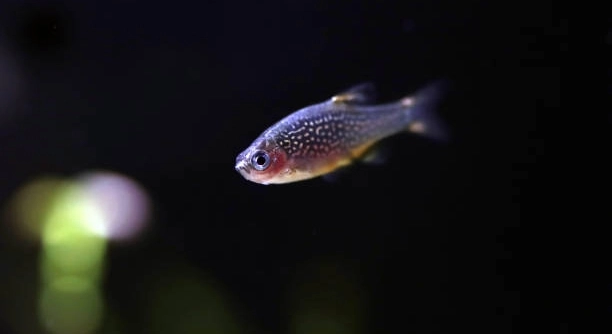
Keeping a home aquarium can be relaxing, but sometimes the small sounds from equipment can become irritating. Danios are especially sensitive to noise, and even ordinary tank items can create unnecessary stress for them.
Common noisy tank items that can bother danios include air pumps, filter systems, heaters, gravel cleaners, bubbler stones, water circulation pumps, and automatic feeders. Excessive or irregular noise from these devices can disrupt their natural swimming patterns and increase stress levels.
Knowing which items make the most noise helps maintain a peaceful environment for your fish and ensures their overall well-being in the tank.
Air Pumps
Air pumps are essential for water circulation, but they can create a constant bubbling sound that bothers danios. The noise level depends on the pump’s quality and placement. Smaller or older pumps often vibrate against the tank or nearby surfaces, producing a persistent hum. Over time, this can stress your fish, making them swim erratically or hide more than usual. Even pumps that seem quiet to humans may be loud in a tank environment, as the sound travels differently through water. Adjusting the pump’s position or adding a soft pad underneath can reduce vibrations and noise. It’s important to check the tubing and connectors regularly, as loose parts can rattle and amplify sound. Choosing a pump with adjustable airflow also allows you to keep the water oxygenated while minimizing disturbance. Regular maintenance keeps the device efficient and quieter. Proper placement and care ensure your danios experience a calmer tank environment without unnecessary stress from constant noise.
Small adjustments to pump placement can make a big difference in reducing stress for your danios.
Keeping the air pump quiet is achievable. Using vibration-absorbing pads under the pump reduces sound, and checking tubing connections prevents rattling. Low-noise pumps or adjustable airflow models allow enough oxygen without overwhelming the fish with sound. Regular maintenance ensures efficiency and consistent performance. A calm tank encourages normal swimming patterns and better feeding behavior, supporting danios’ overall health.
Filter Systems
Filters are necessary for clean water but can be noisy, especially if not maintained. Small parts can rattle, or water flow can create splashing sounds that disturb danios.
A filter’s motor and water movement can produce vibrations. Cleaning the filter regularly prevents buildup that worsens noise. Positioning the filter securely reduces movement and rattling. Using a filter designed for quiet operation is ideal for sensitive species. Some models include sound-dampening features to reduce hum. Excessively strong water flow can also create turbulence, increasing noise and stress. Adjusting the flow to match the tank size helps maintain balance. Keeping a calm environment encourages natural swimming and reduces hiding. Quiet filters support long-term fish health and minimize stress. Over time, proper maintenance and careful placement ensure the filter performs efficiently without creating unnecessary disturbance for the danios. Selecting the right filter type and monitoring it often prevents sudden loud noises that could startle fish. The goal is clean water without sacrificing a peaceful tank atmosphere.
Heaters
Tank heaters can produce a low humming or clicking sound that danios notice. Older heaters or those not fully submerged may amplify the noise. Consistent placement and checking for loose parts can reduce sound.
Choosing a heater rated for your tank size prevents overworking, which lowers noise. Submersible heaters are usually quieter because water muffles the motor’s vibrations. Avoid placing heaters near surfaces that can echo the sound. Using a heater guard or sleeve can further reduce vibrations while protecting your fish. Regularly inspecting the heater for mineral buildup or faulty wiring keeps it functioning quietly. Adjusting temperature gradually prevents sudden clicks or spikes, which often startle danios. Selecting a high-quality, properly sized heater ensures warmth without adding stress. Quiet operation contributes to a stable environment, supporting normal swimming, feeding, and overall fish health. Proper care extends the heater’s lifespan and keeps the tank peaceful.
Maintaining a quiet heater is simple with proper placement, routine checks, and using quality equipment.
Gravel Cleaners
Gravel cleaners stir the substrate, which can create loud scraping or gurgling sounds. Danios may hide or avoid the area during cleaning. Proper technique minimizes disturbance.
Using a gravel vacuum with controlled suction prevents excessive noise and prevents sucking up smaller fish. Cleaning in short sessions avoids prolonged exposure to loud sounds. Keeping the vacuum tip off hard surfaces reduces scraping noises. Wetting or partially filling the siphon before use can reduce gurgling. Regular maintenance of the vacuum, including checking tubing for blockages, ensures smooth operation. Choosing a model with a soft or flexible hose can further absorb sound. Positioning the tank on a stable surface prevents vibrations from amplifying. These steps help maintain a clean substrate without causing unnecessary stress to danios. Over time, gentle gravel cleaning allows fish to remain calm and continue normal activity.
Gravel cleaning can be quiet and safe for danios with the right approach and careful technique.
Bubbler Stones
Bubbler stones create constant bubbling, which can be louder than expected. Danios are sensitive to persistent noise, and excessive bubbles may make them uneasy.
Positioning the stone properly and adjusting airflow helps control the sound. Smaller bubbles tend to produce less noise, reducing stress for your fish.
Water Circulation Pumps
Water circulation pumps can generate vibrations and humming noises, especially if mounted directly on the tank glass. These sounds travel through water, affecting danios’ comfort. Regular maintenance and using vibration dampeners reduce noise levels. Selecting pumps designed for quiet operation ensures adequate flow without disturbing fish behavior or tank stability.
Automatic Feeders
Automatic feeders release food with a mechanical click or whir. This repeated sound can unsettle danios, particularly if used frequently or during quiet periods.
How can I make my air pump quieter for danios?
Placing the air pump on a soft, non-slip pad can absorb vibrations and reduce humming. Adjusting the airflow to lower settings also decreases the noise while still providing sufficient oxygen. Ensure all tubing connections are tight, as loose tubing can rattle and create additional sound. Submerged airline tubing or bubble stones can further muffle noise by dispersing air more gently. Choosing a high-quality, low-noise pump designed for sensitive fish helps maintain a peaceful tank environment. Regular maintenance, such as cleaning the pump and checking for worn parts, ensures quieter operation over time.
Are all filter systems equally noisy?
No, noise levels vary widely between filter types and models. Hang-on-back filters often produce splashing or clicking if water flow is too strong or parts are loose. Canister filters are generally quieter but can vibrate if placed directly on a hard surface. Adjusting flow rates, using vibration-absorbing mats, and securing hoses reduce noise significantly. Regular cleaning prevents clogging that can increase motor strain and sound. Filters designed with sound-dampening features are ideal for danios, as they provide clean water without unnecessary disturbance. Proper placement and maintenance are key for reducing noise.
What is the best way to minimize heater sounds?
Submersible heaters are usually quieter than partially submerged or hanging heaters. Using a heater sleeve or guard can reduce vibrations, while checking for mineral buildup ensures consistent operation. Place the heater away from tank walls to prevent echoing noises. Gradual temperature adjustments prevent sudden clicking that can startle danios. Maintaining the heater regularly and choosing one rated for your tank size minimizes stress caused by sound.
How can gravel cleaners be less disturbing to fish?
Gravel cleaners often make scraping or gurgling sounds that bother danios. Using a vacuum with controlled suction reduces loud noises and prevents small fish from being sucked up accidentally. Avoid dragging the vacuum across hard surfaces and wet the siphon before use to minimize gurgling. Short, regular cleaning sessions prevent prolonged stress. Flexible tubing and proper tank placement also help reduce vibrations transmitted through the tank structure. Maintaining the vacuum prevents blockages that can increase sound during operation.
Do bubbler stones really stress danios?
Yes, constant bubbling can make sensitive fish uneasy. Large, rapid bubbles produce more noise and movement in the water, which can disrupt swimming patterns. Positioning stones carefully, using smaller bubbles, and adjusting airflow can create a gentler effect. Some stones produce finer, quieter bubbles that oxygenate water without startling fish. Choosing a low-noise air source and spreading bubbles across the tank instead of one concentrated area helps maintain calm behavior.
Are automatic feeders a problem for danios?
Mechanical feeders click or whir when releasing food, which can unsettle fish if repeated often. Placing the feeder away from areas where danios rest or swim frequently reduces stress. Using quieter models or adjusting feeding times during periods of higher activity can minimize disturbance. Regular maintenance ensures smooth operation without extra noise. Proper use allows you to feed fish reliably without negatively impacting tank calmness.
What general steps can reduce tank noise overall?
Place equipment on soft surfaces to absorb vibrations. Secure all tubing and parts to prevent rattling. Choose high-quality, low-noise models designed for smaller, sensitive fish. Maintain devices regularly to prevent extra noise from wear or mineral buildup. Adjust airflow, water flow, and feeding schedules to reduce sudden loud sounds. Even small changes in placement or operation can significantly improve the tank’s peacefulness. Monitoring fish behavior after adjustments helps confirm which methods work best for reducing stress.
How can I tell if my danios are stressed by noise?
Signs include hiding more than usual, erratic swimming, decreased feeding, or changes in coloration. Sudden loud noises may trigger short bursts of frantic movement. Consistent exposure to noise without adequate hiding spaces can increase long-term stress. Observing behavior during equipment operation can reveal which items are most bothersome. Addressing noise sources early helps maintain healthy, active danios and a calmer tank environment.
Keeping danios comfortable in an aquarium requires attention to the sounds and vibrations around them. Even everyday tank equipment can create stress if it is too loud or improperly maintained. Air pumps, filters, heaters, and other common devices often produce constant hums, clicks, or splashes that may seem minor to humans but can be significant for fish. Danios are active and sensitive swimmers, and excessive noise can interfere with their natural behavior. Stress from constant noise can lead to hiding, reduced activity, or even changes in appetite. Recognizing which items produce disruptive sounds and adjusting them is an important part of maintaining a healthy tank. Simple changes, such as repositioning devices, adding vibration-absorbing pads, or choosing quieter models, can greatly improve the overall environment. Regular maintenance of all equipment ensures smooth, silent operation, which helps keep danios calm and active.
Noise in the tank can come from sources that are easy to overlook. Gravel cleaners, bubbler stones, and automatic feeders all serve essential purposes but can create vibrations, scraping sounds, or mechanical clicks that fish notice. Even minor changes in the water or movement patterns caused by equipment can be unsettling. By controlling these sounds, you make the tank more peaceful and reduce stress-related behaviors. Careful placement of devices, checking for loose tubing or parts, and adjusting flow rates or bubble output are practical strategies that do not require major changes. Investing in quieter equipment or low-noise accessories ensures that the tank stays functional while remaining calm for danios. Over time, these small adjustments make a noticeable difference, promoting healthier swimming patterns, regular feeding, and overall well-being. Paying attention to sound may seem minor compared to water quality or diet, but it is equally important for a balanced and comfortable aquatic habitat.
Ultimately, providing a quiet, stable environment is a key part of responsible fish care. Understanding how each piece of equipment affects sound and taking proactive steps to minimize disruption ensures that danios can thrive. The combined effect of small, thoughtful adjustments—like cushioning pumps, regulating airflow, or using gentle gravel cleaning techniques—adds up to a tank that is less stressful and more predictable. Fish rely on subtle environmental cues, and excessive noise interferes with their sense of safety and routine. By maintaining equipment properly and selecting items designed for low noise, you create a calm setting where danios can explore, feed, and interact naturally. Over time, observing fish behavior after each change allows you to fine-tune the tank environment. A peaceful tank supports both the health of your fish and your enjoyment of the aquarium. Simple steps to reduce noise may seem small, but they make a meaningful impact on the daily life of danios, ensuring that they remain active, healthy, and stress-free.

Hello,
If you enjoy the content that we create, please consider saying a "Thank You!" by leaving a tip.
Every little bit helps us continue crafting quality advice that supports the health, happiness, and well-being of pets around the world, for pets of all shapes, sizes, and species.
We really appreciate the kindness and support that you show us!