
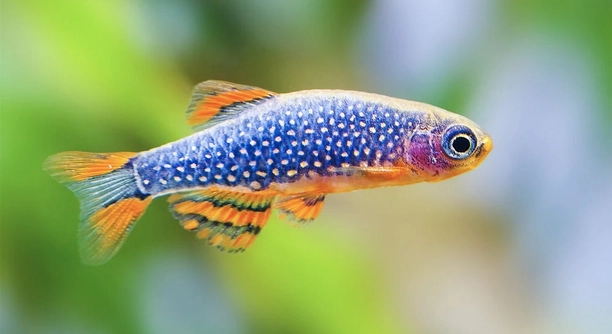
Keeping your aquarium clean is essential for the health of your fish. Even a short period of neglect can affect their behavior, appetite, and overall well-being, especially for delicate species like danios. Regular care matters.
Seven days of poor water quality can significantly stress danios, leading to weakened immune systems, increased susceptibility to disease, and disrupted swimming patterns. Ammonia buildup and low oxygen levels directly impair their physiological functions and overall vitality.
Monitoring water conditions consistently helps prevent serious issues. Small changes in filtration, cleaning, and water testing can make a lasting difference in keeping danios healthy and active.
Signs of Stress in Danios
When danios are exposed to poor water for a week, their behavior changes noticeably. They may swim erratically, hide more often, or gasp near the surface. Appetite often decreases, and even healthy individuals can become lethargic. Fin clamping and color fading are subtle signs that water quality is affecting them. Stress makes fish more vulnerable to infections, so it is important to watch for these indicators. Observing your fish daily allows you to notice changes quickly. Early intervention can prevent minor issues from turning into serious health problems. Filtration problems, overfeeding, or untreated tap water can all contribute to poor conditions. Simple adjustments like partial water changes and checking ammonia or nitrite levels can improve their environment significantly. Maintaining stable temperature and pH is also critical, as sudden fluctuations add extra stress.
Keeping an eye on their fins and color can tell you a lot about their health.
Even short exposure to poor water can weaken immunity. This makes danios more susceptible to bacterial or parasitic infections. Stress hormones rise, which affects organ function and slows healing. Physical symptoms like frayed fins or white spots may appear. Quick action, such as testing and correcting water parameters, can prevent long-term damage. Proper feeding and avoiding overcrowding also help reduce stress and support recovery.
Preventing Water-Related Problems
Routine maintenance is essential to avoid health issues in danios.
Daily observation and weekly water tests keep conditions safe. Even minor negligence can have noticeable effects. Temperature, pH, ammonia, nitrite, and nitrate levels should be monitored closely. Maintaining a consistent schedule for water changes prevents sudden spikes that harm fish. Overfeeding and leftover food contribute to waste buildup, making water unsafe. Investing in a reliable filter helps keep water clean and oxygenated. Removing debris and vacuuming substrate reduces toxic buildup. Avoid using untreated tap water, as chlorine and chloramines can be harmful. Monitoring equipment ensures heaters, filters, and air pumps function properly. Small, consistent actions make a big difference in preventing illness and keeping danios active and vibrant.
Regular care involves more than cleaning; it also includes observing behavior, maintaining stability, and adjusting as needed. Consistent effort prevents stress-related diseases, promotes growth, and ensures that your fish thrive. Proper feeding habits, avoiding overcrowding, and ensuring water parameters are stable all contribute to long-term health. Even minor lapses can lead to ammonia spikes, oxygen depletion, or pH swings that affect swimming patterns and appetite. Preventive measures, such as testing water before adding new fish or adjusting the filter flow, reduce risk. By addressing small problems early, you can avoid serious complications. A structured routine, combined with attention to detail, creates a safe and supportive environment. The result is danios that are active, colorful, and resilient. Understanding the balance between care and observation ensures they remain healthy and strong for years.
Water Chemistry Changes
Ammonia and nitrite levels rise quickly in neglected tanks, which are toxic to danios. pH can fluctuate, and oxygen levels drop. These chemical shifts directly affect their breathing, swimming, and feeding behavior, making the fish more vulnerable to illness.
Even small amounts of ammonia or nitrite in the water can cause serious damage. Gills become irritated, reducing oxygen absorption, and fish may gasp at the surface. Prolonged exposure weakens their immune systems, allowing infections to develop easily. Stress hormones increase, impacting digestion and organ function. Frequent partial water changes and testing for harmful chemicals are essential. Using water conditioners can neutralize toxins, but only temporary fixes work without proper cleaning. Maintaining stable pH and consistent oxygenation prevents sudden chemical swings.
Temperature and dissolved oxygen levels also play a role. Warmer water holds less oxygen, and combined with toxins, it stresses danios further. Even minor shifts can disrupt their metabolism and cause lethargy. Keeping consistent filtration and aeration helps maintain balance. Quick detection and correction of water chemistry prevent lasting harm and support overall vitality, keeping danios active and colorful.
Behavioral Impacts
Danios show immediate changes when exposed to poor water. Reduced activity, hiding, and erratic swimming are common signs of stress.
Lethargy often appears first, followed by irregular swimming patterns and loss of appetite. Fish may avoid social interaction, swim near the surface, or hover near decorations. Stress can trigger aggressive behavior among tank mates, creating additional tension. Over time, weakened immune responses make them prone to fungal or bacterial infections. Monitoring behavior closely allows timely intervention, preventing more serious health issues. Simple adjustments like cleaning, water changes, and correcting chemical imbalances often restore normal behavior quickly.
Changes in schooling patterns are also noticeable. Normally active and synchronized, danios may scatter or lag behind, signaling environmental stress. Stress hormones disrupt normal signaling and coordination. Overfeeding can exacerbate problems, increasing waste and further degrading water quality. Ensuring stable water parameters, proper filtration, and consistent feeding routines helps restore normal activity. Observing and correcting these behavioral changes promptly improves overall health and prevents long-term effects on their physical condition and vitality.
Physical Symptoms
Fins may become frayed or clamped, and color can fade. Danios sometimes develop white spots or cloudy eyes, signaling poor water conditions and stress.
Body swelling or unusual posture can appear after prolonged exposure. These signs indicate internal stress and possible early infection. Quick action is needed to prevent further deterioration.
Feeding Challenges
Danios often reduce or stop eating when water quality declines. Stress and toxins make them less interested in food. Appetite loss can worsen their condition, leading to weakness and slower recovery. Consistent, small feedings and monitoring can help maintain their nutrition while addressing environmental issues.
Long-Term Health Risks
Extended exposure to poor water weakens danios’ immune systems, making them susceptible to chronic disease. Growth can slow, and reproductive ability may decline. Repeated stress episodes increase mortality risk and reduce overall vitality. Preventing water degradation early is crucial to avoid lasting health problems.
Recovery Steps
Immediate partial water changes help reduce toxins. Cleaning filters, testing water, and stabilizing temperature and pH support healing.
FAQ
What happens to danios after just one week of poor water quality?
After seven days in poor water, danios often show visible stress signs. They may swim erratically, hide more than usual, and lose appetite. Fins can start to fray, and colors may fade. Internally, ammonia and nitrite exposure weakens their immune system, making them prone to infections. Quick intervention is important to prevent lasting damage.
How can I tell if my danios are stressed from water issues?
Behavioral changes are the first signs. Lethargy, erratic swimming, surface gasping, or hiding behind decorations indicates stress. Color fading and fin clamping are physical signals. Monitoring daily allows early detection, which is critical because untreated stress can lead to disease or even death.
Are all danios equally sensitive to poor water?
No, sensitivity varies by age and individual health. Young or sick fish are more vulnerable, while older, stronger danios may tolerate mild fluctuations temporarily. Even hardy fish, however, are affected if exposure continues beyond a few days. Regular testing and maintenance are essential for all ages.
What immediate actions should I take if water quality is poor?
Partial water changes are the fastest way to remove toxins. Test ammonia, nitrite, nitrate, and pH levels. Clean filters without removing all beneficial bacteria and ensure aeration is adequate. Adjusting temperature and avoiding overfeeding reduces additional stress while the tank stabilizes.
How often should I check water parameters?
Daily observation of behavior is key, but chemical testing should be done weekly. If issues arise, more frequent testing may be necessary. Keeping a simple log helps track trends and spot early changes before they harm fish.
Can poor water cause long-term damage to danios?
Yes, prolonged exposure can reduce growth, weaken the immune system, and impact reproduction. Chronic stress increases vulnerability to infections and can shorten lifespan. Addressing water quality quickly helps prevent permanent damage and allows recovery.
What role does feeding play during poor water conditions?
Overfeeding worsens water quality and increases stress. Providing small, controlled portions ensures nutrition without adding excess waste. Temporary appetite loss is common; continue offering food while improving water conditions to support recovery.
Do water treatments help after exposure to poor water?
Water conditioners can neutralize chlorine, chloramines, and detoxify ammonia temporarily. While they help, they do not replace regular cleaning, partial water changes, or filter maintenance. Proper filtration and chemical balance are the long-term solutions for healthy danios.
How long does it take for danios to recover after water is improved?
Recovery time depends on severity and duration of exposure. Minor stress may resolve in a few days, while severe or prolonged exposure can take weeks. Monitoring behavior, feeding, and color changes is important to ensure full recovery.
Can stress from water affect danio behavior permanently?
Chronic stress can alter behavior patterns, such as schooling and social interaction, and may make fish more skittish. Correcting water quality and maintaining stable conditions helps most danios regain normal behavior over time, though some individuals may remain slightly more cautious.
Is filtration enough to prevent water problems?
Filtration is important but not sufficient alone. Regular water changes, substrate cleaning, and monitoring of chemical levels are also necessary. Even the best filter cannot remove all toxins if the tank is overstocked or poorly maintained.
How can I prevent water issues from happening again?
Establish a routine of weekly partial water changes, daily observation of fish behavior, and consistent chemical testing. Avoid overfeeding, maintain proper filtration, and monitor temperature and pH. Early detection and consistent care are the best ways to keep danios healthy and prevent stress.
Are there signs that water has been bad too long to recover from?
If fish display severe fin rot, constant gasping, extreme lethargy, or persistent white spots, prolonged poor water may have caused irreversible damage. Early intervention prevents this, but severe cases may require medical treatment or replacement.
Do danios react to sudden changes in water conditions?
Yes, sudden shifts in temperature, pH, or chemical levels can stress danios even if the water is otherwise clean. Gradual adjustments and careful monitoring reduce risk and support stable behavior and overall health.
Can tankmates influence recovery from poor water conditions?
Aggressive or overly active tankmates can increase stress for recovering danios. Ensuring compatible species and avoiding overcrowding helps reduce tension while fish recover, promoting faster return to normal behavior and activity.
Is testing water with strips enough?
Test strips give a basic overview but may lack precision for critical levels like ammonia or nitrite. Liquid test kits provide more accurate readings and help detect smaller changes that could impact danios’ health.
Should I quarantine sick danios from poor water exposure?
Quarantining stressed or sick fish is advisable to prevent spreading infections. It allows close monitoring, easier feeding, and controlled treatment without affecting healthy tankmates. A separate recovery tank improves chances of full recovery.
What is the most common mistake that worsens poor water conditions?
Overfeeding is a frequent mistake that accelerates toxin buildup. Ignoring small changes in behavior or chemical levels also allows problems to escalate. Consistent observation and maintenance are key to avoiding preventable issues.
Can a small tank make water issues worse for danios?
Yes, smaller tanks have less water volume, so ammonia, nitrite, and nitrate accumulate faster. Overcrowding or infrequent water changes in small tanks quickly creates harmful conditions. Maintaining proper stocking density and frequent monitoring is critical.
How can I tell if my danios are recovering?
Return of normal swimming, appetite, coloration, and schooling behavior indicates recovery. Gradual improvement is common, and ongoing monitoring ensures that water remains safe and stable for continued health and vitality.
Final Thoughts
Maintaining clean and stable water is essential for the health of danios. Even a week of poor water quality can cause noticeable stress, behavioral changes, and physical symptoms. While danios are generally hardy, their small size and active nature make them sensitive to fluctuations in water chemistry. Ammonia, nitrite, and nitrate levels can rise quickly in a neglected tank, directly affecting gill function, oxygen absorption, and overall metabolism. Signs like frayed fins, color fading, reduced activity, and appetite loss are warning signals that the water environment is harming the fish. Observing your danios daily allows you to catch these changes early. Simple practices, such as regular water testing, partial water changes, and careful cleaning of filters and substrate, can prevent these issues from becoming serious. Even minor adjustments, like stabilizing pH, ensuring proper aeration, and monitoring temperature, can make a noticeable difference in their well-being.
Behavior is one of the clearest indicators of stress in danios. When exposed to poor water, they may swim erratically, hide more often, or avoid their usual social patterns. Schooling behavior can break down, and fish may become lethargic or less responsive to feeding. Stress hormones rise in these conditions, weakening their immune systems and increasing susceptibility to infections. Overfeeding or overcrowding further contributes to deteriorating water quality, making recovery more difficult. By taking quick action to improve water parameters, you give the fish the best chance to recover. Even small, consistent interventions can restore health and vitality over time. Monitoring both physical and behavioral signs ensures that problems are addressed before permanent damage occurs. Regular care routines, coupled with careful observation, provide the best protection against prolonged exposure to poor conditions.
Long-term health depends on maintaining a stable and clean environment. Repeated or extended exposure to poor water can affect growth, immunity, and reproductive ability. Recovery is possible if water conditions are corrected promptly, but prolonged neglect may lead to lasting effects. Consistency in maintenance, observation, and proper feeding helps danios thrive. Choosing a suitable tank size, avoiding overcrowding, and using reliable filtration all contribute to a healthier environment. By prioritizing water quality and stability, you not only prevent immediate stress and illness but also support the long-term vitality and lifespan of your fish. Attention to small details, like monitoring chemical levels and removing debris, has a significant impact on the overall health of your aquarium. Ultimately, creating a stable, clean habitat allows danios to display their natural behavior, vibrant colors, and active swimming patterns, ensuring a balanced and healthy aquarium environment.

Hello,
If you enjoy the content that we create, please consider saying a "Thank You!" by leaving a tip.
Every little bit helps us continue crafting quality advice that supports the health, happiness, and well-being of pets around the world, for pets of all shapes, sizes, and species.
We really appreciate the kindness and support that you show us!