
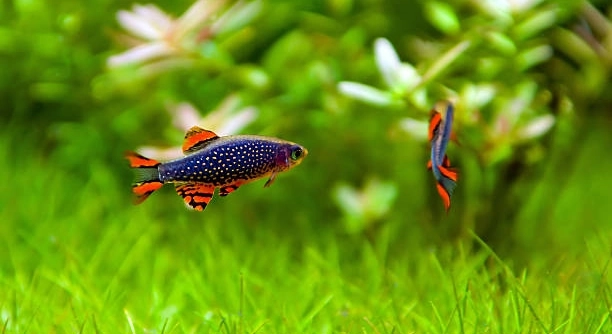
Celestial Pearl Danios are small, colorful fish that brighten up home aquariums. Their vibrant patterns make them popular among hobbyists who want a lively and visually appealing tank environment for these delicate creatures.
Coloration in Celestial Pearl Danios is influenced by multiple factors, including genetics, diet, water quality, lighting, stress levels, tank mates, and age. Each factor interacts to determine the intensity, brightness, and pattern distribution of their scales.
By understanding these elements, hobbyists can create optimal conditions that enhance the natural beauty of their fish and maintain their health over time.
Genetics
The base coloration of Celestial Pearl Danios is largely determined by genetics. Each fish inherits specific pigment cells that dictate the brightness, pattern, and hue of its scales. Even with perfect care, genetics set the limits of what a fish can display. Some Danios naturally have more vibrant reds or blues, while others may lean toward softer or paler tones. Crossbreeding between different lines can introduce new patterns and colors, but it also creates variability. Understanding the genetic background of your fish can help set realistic expectations for its appearance. Observing parents and siblings often provides clues about future coloration. While genetics cannot be changed, they provide the foundation upon which other factors, such as diet and environment, build. The interplay between inherited traits and external conditions determines how vivid and consistent a fish’s colors will be over its lifetime. Paying attention to genetics ensures you can appreciate the natural potential of each individual Danio.
Genetics define the maximum potential for coloration, establishing the basic patterns, hue variations, and intensity limits that a Celestial Pearl Danio can exhibit.
Recognizing the genetic makeup of your fish helps you support its natural colors with proper care and feeding, making the tank more visually harmonious and satisfying.
Diet
A balanced diet is crucial for maintaining bright and healthy colors in Celestial Pearl Danios. Foods rich in carotenoids, spirulina, and high-quality proteins help intensify reds, oranges, and other vivid tones naturally. Feeding a variety of live, frozen, or high-quality flake foods ensures the fish receive the nutrients needed for scale pigmentation. Poor nutrition can cause dull colors, faded patterns, and slower growth, even if water quality and lighting are ideal. Overfeeding or relying solely on low-quality processed foods may compromise both health and coloration. Supplementing with occasional live treats like brine shrimp or daphnia can boost vibrancy while providing enrichment. Maintaining a consistent feeding schedule helps fish metabolize pigments efficiently. Alongside proper nutrition, other care practices like tank maintenance and stress management contribute to a fish showing its full color potential. Watching how your Danios respond to different foods allows you to fine-tune their diet for maximum color expression and overall well-being.
Color-enhancing foods, when combined with consistent care, can make a noticeable difference in how bright and lively your Danios appear.
Feeding quality foods daily, rotating protein sources, and including natural pigments ensures the fish maintain strong, vibrant colors. Even minor adjustments to diet can produce visible changes in just a few weeks, giving your tank a healthier, more colorful look overall.
Water Quality
Maintaining clean, stable water is essential for vibrant Celestial Pearl Danios. Poor water conditions can stress fish, causing colors to fade. Regular testing for ammonia, nitrites, nitrates, and pH helps keep the tank environment optimal. Temperature stability also supports healthy pigmentation and overall vitality.
Stable water conditions reduce stress and promote strong coloration. Fluctuating pH levels or high nitrate concentrations can weaken pigment expression, leaving Danios looking dull. Weekly water changes and proper filtration maintain chemical balance and clarity. Avoid sudden temperature changes, as they can trigger stress responses that diminish brightness. Soft, slightly acidic to neutral water is ideal, though small variations are tolerated by these hardy fish. Maintaining a calm, clean environment gives your Danios the best chance to display their full color potential.
Water clarity and consistency influence how light interacts with scales, affecting perceived vibrancy. Tanks with stable parameters allow fish to feed confidently and swim actively, enhancing natural coloration. Even small lapses in maintenance can gradually dull patterns, so routine observation and adjustments are critical. Equipment like reliable heaters and efficient filters helps create an environment that supports bright, healthy fish. Understanding how water quality impacts color helps manage other care aspects, ensuring your tank remains a visually pleasing space with lively, well-pigmented inhabitants.
Lighting
Lighting affects how colors appear in Celestial Pearl Danios and can influence pigment development over time. Bright, balanced light enhances blues and reds, while dim or uneven lighting may cause colors to appear muted. A consistent day-night cycle is important.
Proper aquarium lighting encourages natural behavior and accentuates patterns, giving scales a shimmering effect. Lights that mimic daylight help fish maintain circadian rhythms, supporting metabolism and coloration. Overly strong lighting can stress shy fish, leading to fading colors, while insufficient lighting limits pigment expression. Positioning lights correctly and using timers ensures consistency and avoids sudden fluctuations that may disrupt fish health.
Different light spectrums interact with scale pigments, changing how colors are perceived. Full-spectrum or LED lights designed for freshwater fish can enhance red and blue tones effectively. Observing how your Danios respond allows you to adjust intensity or duration for optimal vibrancy. Combining lighting with proper water quality and diet maximizes the intensity of their natural colors, ensuring the aquarium displays each fish at its best. Thoughtful lighting setups help create a lively, visually appealing environment without causing stress or health issues.
Stress Levels
High stress can cause Celestial Pearl Danios to lose their bright colors quickly. Stress may result from overcrowding, aggressive tank mates, or sudden changes in the environment. Maintaining a calm, stable tank helps fish retain their natural vibrancy.
Reducing stress involves providing hiding spots, stable water conditions, and compatible companions. Frequent disturbances or rapid temperature shifts can trigger color fading and lethargy. Observing behavior regularly ensures you can spot signs of stress early and take corrective action to preserve their coloration.
Tank Mates
Choosing compatible tank mates is important for Celestial Pearl Danios’ color maintenance. Aggressive or overly large fish can intimidate Danios, causing them to hide and lose their vibrant patterns. Peaceful species that occupy different tank levels work best for color stability.
Age
As Celestial Pearl Danios age, their colors may naturally fade. Younger fish often display brighter patterns, while older individuals show softer tones. Understanding this normal change helps set realistic expectations for long-term color development.
Temperature
Water temperature directly affects metabolism and pigment intensity in Celestial Pearl Danios. Slightly cooler or warmer ranges outside their preferred limits can reduce brightness. Maintaining consistent, moderate temperatures ensures colors remain vivid and patterns are clearly visible.
FAQ
Why are my Celestial Pearl Danios colors fading?
Fading colors usually result from stress, poor water quality, or inadequate diet. Overcrowding, aggressive tank mates, or sudden changes in temperature can cause stress. Low-quality food lacking essential pigments also contributes to dull coloration. Correcting these issues often restores brightness gradually.
Can diet improve their coloration?
Yes, diet plays a major role. Foods rich in carotenoids, spirulina, and high-quality proteins enhance reds and blues naturally. Live or frozen treats like brine shrimp or daphnia provide both nutrients and stimulation. Consistency in feeding and rotating food types supports long-term pigment expression.
How does water quality affect their colors?
Stable, clean water prevents stress, which directly impacts pigmentation. Regular testing for ammonia, nitrites, nitrates, and pH ensures the environment is safe. Temperature fluctuations or poor chemical balance can weaken color intensity. Weekly water changes and good filtration are essential for maintaining vibrant scales.
Does lighting really make a difference?
Lighting affects both how colors appear and how pigments develop. Bright, balanced light enhances scale vibrancy, while dim or uneven light may make patterns appear dull. Using full-spectrum or LED aquarium lights and keeping a consistent day-night cycle supports healthy color expression.
Can tank mates influence coloration?
Yes, aggressive or overly active tank mates can stress Celestial Pearl Danios, causing them to hide and lose brightness. Peaceful species that occupy different swimming levels are ideal. Observing interactions and adjusting the community composition can help maintain vibrant colors.
Do genetics determine how bright they can get?
Genetics set the baseline for color potential. Some fish naturally have more vivid reds or blues. While diet, water, and lighting enhance what is possible, genetic traits determine the limits of brightness and patterning. Understanding a fish’s lineage helps set realistic expectations.
Does age affect their color?
As Danios grow older, colors may naturally soften. Younger fish often display more intense hues, while older fish can appear muted. This change is normal and does not necessarily indicate health problems. Proper care can still maintain the strongest possible colors for each age.
How quickly can colors improve after changes?
Improvement depends on the factor being addressed. Diet changes may show visible effects within a few weeks, while water quality or stress corrections may take longer. Patience is important, as pigment development is gradual and requires consistent care.
Are there supplements that boost coloration?
Certain supplements containing carotenoids or spirulina can help intensify colors, but they should complement a balanced diet, not replace it. Overuse can cause health issues, so moderation and monitoring are key. Supplements work best when combined with proper tank maintenance.
Is temperature really that important?
Yes, stable, moderate temperatures support metabolism and pigmentation. Extreme fluctuations or prolonged exposure to unsuitable ranges can reduce brightness. Maintaining a consistent temperature that suits Celestial Pearl Danios helps keep colors vivid and patterns clear, contributing to overall well-being.
Can stress hide natural coloration even in a healthy tank?
Absolutely. Even minor stress, like sudden movements, loud noises, or frequent handling, can cause temporary fading. Providing hiding spaces, maintaining routine care, and limiting disturbances helps fish feel secure, allowing their natural colors to shine consistently.
How do I know if dull colors are a health issue?
If fading is accompanied by lethargy, loss of appetite, or unusual behavior, it may indicate illness. Otherwise, minor color changes are often due to environmental factors or age. Regular observation and maintaining optimal conditions help distinguish between health issues and natural variations.
Can breeding affect color patterns?
Yes, breeding can introduce variability in offspring. Crosses between different lines can produce new patterns, but some may appear less vibrant than parents. Selecting fish with strong coloration and compatible traits increases the likelihood of bright, healthy offspring.
Is tank size relevant to coloration?
Overcrowded tanks cause stress, which dulls colors. Adequate space allows natural behavior, reduces conflict, and helps maintain water quality. Even a well-fed, genetically vibrant fish can lose brightness in a cramped or poorly maintained tank.
Can lighting alone make a dull fish bright?
Lighting enhances perceived vibrancy but cannot fully compensate for poor genetics, stress, or nutrition. Combining proper light with optimal diet, clean water, and a calm environment produces the best results in terms of color intensity and pattern clarity.
Do seasonal changes impact coloration?
Indirectly, yes. Seasonal variations in light exposure, temperature, or feeding patterns can influence pigment expression. Indoor tanks with controlled conditions minimize these effects, helping Danios maintain consistent coloration year-round.
How long should I expect to see full color return after changes?
Restoring peak coloration is gradual. Minor environmental adjustments may show results in two to four weeks, while correcting multiple factors may take several months. Consistent care, patience, and monitoring are essential for achieving and maintaining vibrant colors.
Are there common mistakes that reduce color intensity?
Frequent mistakes include overfeeding, poor water quality, aggressive tank mates, inconsistent lighting, and neglecting diet quality. Even minor lapses in routine care can slowly reduce brightness, making regular observation and proactive maintenance crucial for long-term color retention.
Is it normal for colors to vary between individuals?
Yes, even fish from the same batch can show differences due to genetics, minor environmental variations, or social behavior. Individual variation is normal and does not necessarily indicate poor health or improper care. Observing each fish’s baseline helps gauge when issues arise.
Can I improve colors naturally without additives?
Yes, by providing a balanced diet, stable water, proper lighting, and stress-free conditions, colors often improve naturally. Additives can help, but core environmental and nutritional factors are far more influential in achieving healthy, vibrant Danios.
How often should I monitor water and tank conditions for color maintenance?
Weekly checks of ammonia, nitrites, nitrates, and pH, along with visual observation of fish behavior, are recommended. Regular maintenance prevents subtle changes from becoming stressors, allowing Danios to maintain their natural brightness consistently.
Celestial Pearl Danios are small fish that bring color and life to aquariums. Their appearance is influenced by many factors, including genetics, diet, water quality, lighting, stress, tank mates, and age. Each factor interacts with the others to determine how bright and healthy their colors appear. While genetics set the potential for their color patterns, proper care ensures that Danios reach that potential. Observing the fish closely and understanding what affects their coloration allows owners to create an environment where the fish can thrive. Attention to detail in their habitat makes a noticeable difference in how vivid their patterns and scales become over time. Even small improvements in care, like a slight change in water temperature or better feeding routines, can enhance their natural beauty significantly.
Diet is one of the most important aspects of maintaining and improving color in Celestial Pearl Danios. Foods that are rich in natural pigments, such as carotenoids and spirulina, help intensify reds, blues, and other vibrant hues. Providing a variety of live, frozen, and high-quality flake foods ensures the fish get a balanced diet that supports both their health and their appearance. Overfeeding or giving only low-quality processed foods can make colors fade and affect growth and energy levels. Supplements can help, but they should be used carefully and in combination with a good diet. Maintaining a consistent feeding schedule also allows pigments to develop properly, giving fish more stable and long-lasting colors. By paying attention to diet alongside other care factors, owners can support both the visual appeal and overall well-being of their Danios.
Environmental factors like water quality, lighting, and tank mates are just as important as genetics and diet. Clean, stable water helps reduce stress, which is closely linked to color fading. Consistent lighting not only makes colors appear brighter but also supports natural behaviors that help fish maintain healthy pigments. Choosing peaceful, compatible tank mates reduces stress and allows Danios to show their natural patterns without hiding or competing for space. Even age plays a role, as older fish may show softer colors, which is normal. By combining attention to water quality, diet, lighting, and social conditions, owners can provide the optimal environment for Celestial Pearl Danios to display their full range of color and remain healthy. Careful, consistent maintenance creates a tank where the fish can thrive and continue to brighten their surroundings for years.

Hello,
If you enjoy the content that we create, please consider saying a "Thank You!" by leaving a tip.
Every little bit helps us continue crafting quality advice that supports the health, happiness, and well-being of pets around the world, for pets of all shapes, sizes, and species.
We really appreciate the kindness and support that you show us!