
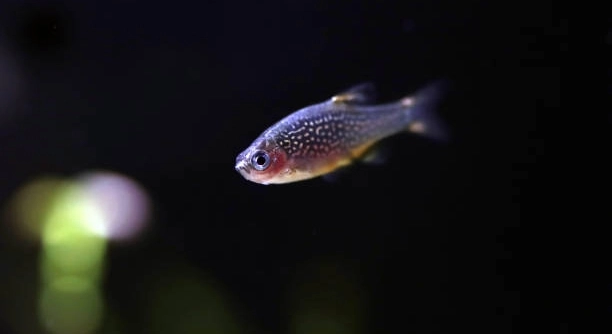
Danios are lively, small fish often admired for their bright colors and energetic swimming. Many fishkeepers enjoy watching them, but sometimes they avoid the water’s surface, leaving owners puzzled and concerned about their behavior.
Danios may avoid the surface due to several environmental and biological factors, including poor water quality, low oxygen levels, inappropriate tank temperature, stress from tank mates, inadequate diet, disease, or sudden changes in lighting and surroundings.
Understanding these factors can help improve your aquarium setup and ensure your danios feel safe and healthy in their environment.
Poor Water Quality
Danios are very sensitive to the condition of their tank water. If the water contains high levels of ammonia, nitrites, or nitrates, the fish will instinctively avoid areas where they feel unsafe, including the surface. Cloudy water or leftover food can make the tank less appealing, causing them to stay near the bottom or in hidden areas. Regular water testing and partial water changes are essential. A clean, balanced environment encourages normal swimming patterns and reduces stress. Even small tanks can develop dangerous chemical imbalances quickly, so monitoring is important. Adding a filter and ensuring it is functioning properly can also stabilize the water conditions. Temperature swings or sudden contamination can push danios to hide. These fish are active and social, so maintaining proper water quality not only keeps them healthy but also allows them to display natural behaviors. Over time, clean water contributes to longer lifespans and more vibrant colors.
Keeping water clean is crucial to keep danios comfortable and active.
Regular maintenance, such as changing 10–20% of the water weekly, helps prevent harmful chemical buildup. Ensuring proper filtration and removing uneaten food immediately can stabilize the environment. Monitoring pH and hardness levels ensures that danios are living in conditions close to their natural habitat. Using a test kit frequently helps catch problems early, making it easier to correct issues before they affect the fish’s health. Consistent maintenance encourages the fish to swim throughout the tank, including the surface, restoring normal behavior. Additionally, using water conditioners can remove chlorine and detoxify metals, providing a safer, healthier environment. Observation of fish behavior is also important; sudden changes often indicate water problems. Over time, stable water quality reduces stress, improves appetite, and enhances the fish’s colors. A well-maintained tank supports not only danios but also any tank mates, promoting a harmonious ecosystem. Proper care ensures a thriving aquarium and happy, active fish.
Low Oxygen Levels
Low oxygen can prevent danios from swimming near the surface. They tend to stay near plants or decorations where oxygen may be slightly higher.
Danios need sufficient oxygen to maintain energy for swimming and feeding. Poor aeration or overcrowded tanks reduce oxygen availability, causing stress. Installing an air stone, adding live plants, or ensuring proper water movement can increase oxygen levels. Temperature also affects oxygen, as warmer water holds less gas. Observing how fish behave during hot days or in crowded tanks can indicate oxygen problems. Adjusting tank size, aeration, and plant placement creates a healthier environment. Over time, well-oxygenated water encourages surface activity and natural schooling behaviors. Monitoring dissolved oxygen with a test kit provides clear guidance on tank conditions. Fish often show early warning signs, like gasping near filters, which should not be ignored. Maintaining these conditions consistently supports danios’ overall health, reduces susceptibility to disease, and promotes their vibrant activity throughout the tank.
Stress from Tank Mates
Danios avoid the surface when stressed by aggressive or overly large tank mates. Constant chasing or nipping makes them hide near the bottom or behind decorations, limiting their normal swimming patterns and increasing anxiety levels.
Stress can develop quickly in a community tank. Danios are small, fast-moving fish that prefer calm companions. If they share space with larger, territorial species, they may feel threatened and avoid open areas, including the surface. Even peaceful fish that compete for food can trigger stress. Providing hiding spots like plants, rocks, or tunnels helps reduce tension and allows danios to retreat safely. Overcrowding worsens stress, so monitoring the number of fish and their interactions is essential. A balanced tank ensures each species has space to swim freely, eat without competition, and maintain normal behaviors. Stress management is key to keeping danios active and healthy.
Monitoring interactions daily can prevent long-term behavioral problems. Introducing compatible tank mates gradually and observing their behavior helps maintain a calm environment. Adjusting feeding routines to reduce competition also minimizes stress.
Inadequate Diet
A poor diet can lead danios to avoid the surface because they lack energy for active swimming and surface feeding. They may appear lethargic and spend more time near the bottom.
Feeding danios the right food is crucial for their health and activity. They require a balanced diet with high-quality flake or pellet food supplemented with live or frozen options like brine shrimp, daphnia, or bloodworms. Inadequate nutrition reduces energy levels, making the fish less likely to explore the surface or participate in social swimming. Overfeeding, on the other hand, can pollute the water and indirectly discourage surface activity. Timing and portion control are important; small, frequent meals mimic natural feeding patterns and maintain consistent energy. Rotating food types prevents nutrient deficiencies and keeps the fish interested in feeding. A proper diet also strengthens immunity, helping danios resist stress and disease, which contributes to more consistent surface swimming and overall vitality.
Disease or Illness
Danios often stay away from the surface when they are sick. Signs include clamped fins, slow swimming, or visible spots on their body, signaling health issues that need attention.
Early detection is vital. Isolating affected fish and treating them promptly prevents the spread of disease, helping them recover faster and regain normal activity.
Sudden Changes in Lighting
Rapid changes in lighting can startle danios, causing them to hide near the bottom or shaded areas. They adjust slowly to new light levels and may avoid bright surfaces initially.
Tank Temperature Fluctuations
Danios are sensitive to temperature changes. Water that is too warm or too cold disrupts their comfort and activity. Maintaining stable, species-appropriate temperatures supports their health and encourages normal swimming behavior, including near the surface.
Inadequate Hiding Spots
Without enough hiding places, danios may feel exposed and avoid the surface. Plants, rocks, and decorations give them security, allowing them to explore the upper areas of the tank safely.
FAQ
Why do my danios stay at the bottom of the tank?
Danios may stay at the bottom due to stress, poor water quality, low oxygen, or disease. Overcrowding and aggressive tank mates can also push them downward. Ensuring proper water conditions, a balanced diet, and compatible companions encourages more active swimming throughout the tank.
Can low oxygen make danios avoid the surface?
Yes, low oxygen levels can make danios avoid the surface or gasp near the filter. Installing an air stone, increasing water movement, or adding live plants can boost oxygen, allowing them to swim normally and be more energetic. Monitoring temperature helps too, as warmer water holds less oxygen.
How does water quality affect surface activity?
Poor water quality can cause stress and hiding behaviors. Ammonia, nitrites, and nitrates buildup make danios stay away from the surface. Regular water testing, partial water changes, and proper filtration help maintain safe conditions, allowing fish to swim freely and display natural behaviors.
Do danios need hiding spots if they are active swimmers?
Yes, even active danios benefit from plants, rocks, or decorations. Hiding spots reduce stress from bright lights or tank mates and provide security, encouraging surface activity once they feel safe. Lack of shelter may make them feel exposed and stay at the bottom.
Can diet influence their swimming habits?
Absolutely. A poor or unbalanced diet reduces energy, making danios less likely to swim near the surface. Feeding high-quality flakes or pellets, supplemented with live or frozen foods, keeps them active. Small, frequent meals mimic natural feeding patterns, improving overall vitality and encouraging surface activity.
What role does tank temperature play?
Danios are sensitive to temperature changes. Water that is too cold or too warm slows metabolism and reduces surface swimming. Maintaining a stable temperature suited to danios’ needs supports normal behavior, helps digestion, and prevents stress-related hiding. A thermometer ensures the environment remains consistent.
How do aggressive tank mates affect surface behavior?
Aggressive or larger fish can stress danios, causing them to avoid the surface and hide near the bottom. Providing enough space, compatible tank mates, and escape routes through plants or decorations allows danios to swim more comfortably at all levels.
Can lighting changes scare danios?
Sudden changes in lighting may startle danios, making them retreat to shaded areas. Gradual adjustments and maintaining a consistent light schedule helps them feel secure. Plants and decorations also provide safe zones during transitions, encouraging surface exploration over time.
How can I tell if my danios are sick?
Signs of illness include clamped fins, lethargy, loss of appetite, unusual spots, or erratic swimming. Sick fish may avoid the surface. Early detection, isolation, and treatment prevent spreading disease and help fish regain normal activity and health.
Are there long-term effects if danios avoid the surface regularly?
Yes, chronic avoidance can indicate ongoing stress, poor water conditions, or nutritional deficiencies. Long-term hiding affects overall health, growth, and social behavior. Regular observation, proper maintenance, and a balanced diet ensure active, healthy fish throughout the tank.
What quick steps can improve surface activity?
Start with testing water, maintaining proper temperature, and checking oxygen levels. Add plants, hiding spots, and ensure compatible tank mates. Adjust feeding routines and gradually acclimate to lighting changes. These steps create a secure, healthy environment, encouraging danios to explore all tank levels.
Can overcrowding cause surface avoidance?
Yes, too many fish reduce available oxygen, increase stress, and create competition for food. Overcrowding encourages hiding near the bottom. Ensuring adequate space per fish, along with proper filtration and aeration, helps danios swim freely and interact naturally.
How long does it take for danios to return to normal behavior?
Recovery time depends on the cause. After correcting water quality, adjusting tank mates, improving diet, or treating illness, danios may resume normal surface activity within days to weeks. Patience and consistent care are essential for full recovery.
Is surface avoidance more common in certain danio species?
Some species are naturally more active at mid to lower levels, but stress, water quality, or diet affects all danios similarly. Observation and proper care tailored to species needs ensure balanced swimming patterns and encourage surface activity regardless of type.
What maintenance habits support healthy surface behavior?
Regular water testing, partial water changes, proper filtration, monitoring temperature, providing hiding spots, and feeding a balanced diet all contribute to active, confident danios. Consistent care reduces stress, prevents disease, and encourages swimming at the surface naturally.
Can environmental enrichment help?
Yes, adding plants, decorations, and gentle water movement stimulates natural behaviors. Enrichment makes the tank more interesting, provides safety zones, and encourages danios to explore the surface and interact socially without fear or stress.
How do I prevent future surface avoidance?
Maintain clean, stable water, provide proper diet, monitor tank mates, and ensure safe hiding spots. Avoid sudden lighting or temperature changes. Consistent observation helps detect issues early, keeping danios confident and active across all levels of the tank.
Are there behavioral signs that indicate recovery?
Active swimming near the surface, normal feeding, bright colors, and social interaction indicate improvement. Fish that resume natural behaviors after stress, illness, or environmental changes show that conditions are suitable and health is restored.
Final Thoughts
Observing danios in your aquarium can be very rewarding, but it can also be concerning when they avoid the surface. This behavior often signals that something in their environment or routine needs attention. Many factors contribute to surface avoidance, including water quality, oxygen levels, temperature, diet, tank mates, lighting, and the presence or absence of hiding spots. Paying attention to each of these aspects can help identify the cause and guide adjustments to support the fish’s well-being. Even small changes, like adjusting feeding times, adding plants, or stabilizing temperature, can make a noticeable difference. Keeping track of water parameters regularly ensures that the conditions remain safe and comfortable for the danios. Over time, these adjustments create a balanced environment where the fish feel secure and are more likely to swim naturally throughout the tank, including the surface.
Maintaining proper water quality is one of the most important factors in encouraging surface activity. Regular testing for ammonia, nitrites, nitrates, and pH levels is crucial to prevent harmful buildup that stresses the fish. Partial water changes and a reliable filtration system help keep water clean and oxygenated. Oxygen levels are equally important, especially in smaller or heavily stocked tanks, where aeration can be limited. Using an air stone, adjusting water flow, or adding live plants improves oxygen distribution and encourages the fish to swim at all levels. A stable temperature also supports activity, as sudden changes or extreme conditions can slow metabolism and make fish hide. When the environment is consistent and well-maintained, danios are more likely to display their natural, energetic behavior, providing a healthier and more visually appealing aquarium.
Diet and stress management also play a significant role in surface activity. Feeding a balanced diet with high-quality flakes or pellets, supplemented with live or frozen foods, ensures the fish have sufficient energy for active swimming. Overfeeding or underfeeding can affect water quality and reduce energy levels, leading to hiding behaviors. Stress from aggressive tank mates or overcrowding can also push danios to the bottom, so providing enough space, compatible companions, and safe hiding spots helps reduce tension. Observing their behavior daily allows for early detection of issues, whether related to health, environment, or social dynamics. By addressing these factors consistently, danios can thrive and exhibit confident, natural behaviors throughout the tank. With attention to detail, proper maintenance, and a balanced routine, it is possible to create an environment where danios are healthy, active, and comfortable exploring every part of their aquarium, including the surface.

Hello,
If you enjoy the content that we create, please consider saying a "Thank You!" by leaving a tip.
Every little bit helps us continue crafting quality advice that supports the health, happiness, and well-being of pets around the world, for pets of all shapes, sizes, and species.
We really appreciate the kindness and support that you show us!