
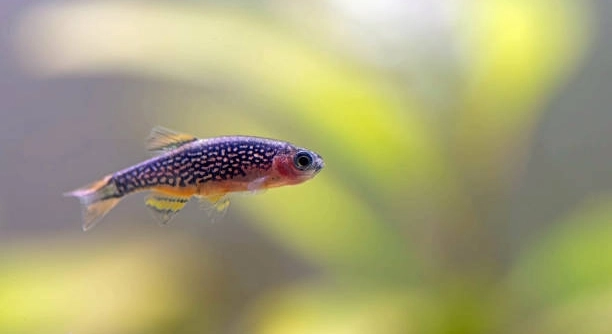
Many aquarium enthusiasts enjoy keeping small, colorful fish that brighten up their living spaces. Celestial Pearl Danios are popular choices because of their shimmering scales and calm behavior. Their small size makes them seem ideal for smaller setups.
Seven Celestial Pearl Danios can survive together in a bowl, but their well-being may be compromised. Limited space restricts swimming and social behaviors, increases stress, and can lead to health problems or aggression among individuals. Careful observation is necessary.
Keeping them comfortable requires attention to water quality, hiding spots, and proper feeding. Understanding these factors ensures the fish remain healthy and active in confined environments.
Understanding Bowl Limitations
Keeping seven Celestial Pearl Danios in a bowl may seem manageable, but space is a significant concern. These fish are active swimmers that require room to move freely. A typical bowl provides minimal surface area and depth, which limits their natural behaviors and exploration. Without proper swimming space, they can become stressed and exhibit unusual behavior, such as hiding constantly or showing signs of aggression. Water quality is also harder to maintain in small volumes, leading to rapid fluctuations in ammonia, nitrites, and nitrates. Filtration is often insufficient in bowls, increasing the risk of disease. Temperature control can also be challenging, as small bowls react quickly to room temperature changes, which can shock the fish. Providing hiding spots with plants or decorations helps reduce stress, but it cannot fully compensate for the restricted swimming area. Understanding these limitations is key to deciding whether a bowl is suitable for multiple Celestial Pearl Danios.
Space restriction impacts social dynamics and overall health significantly, making careful observation essential.
Many fishkeepers notice that over time, crowded bowls lead to weaker fish. Seven Danios may tolerate each other initially, but limited swimming space increases competition for territory. Stress from confinement weakens their immune systems, making them more prone to infections. Feeding becomes challenging as dominant fish may eat more, leaving others undernourished. Small bowls also heat and cool rapidly, adding environmental stress. Even with clean water and regular maintenance, the confined space cannot replicate a natural habitat. To support their well-being, larger tanks with proper filtration, aeration, and room to swim are preferable. Including plants or structures allows them to establish small territories and reduces tension. Monitoring behavior is crucial, as aggression can escalate without warning. Investing in a bigger setup ensures healthier, more active, and visually appealing fish, maintaining their shimmering colors and lively movements over time.
Ideal Alternatives for Seven Danios
A small aquarium of at least 10 gallons is recommended for seven Celestial Pearl Danios. This provides swimming space and better water stability.
In a larger tank, water quality is easier to manage, and fish have room to explore. Plants and hiding spots reduce stress and encourage natural behavior. Careful observation ensures harmony.
Social Behavior of Celestial Pearl Danios
These fish are peaceful but very social. They feel more secure in groups, and their interactions help reduce stress and boredom.
In a small bowl, their social behavior can become limited. Danios naturally swim together, form small shoals, and chase each other gently. When confined, these interactions may turn competitive, especially around feeding time. Limited space prevents them from establishing comfortable distances, which can lead to minor skirmishes or increased hiding. Watching them closely helps identify stress signs. Over time, a cramped environment can reduce their activity, dull colors, and weaken overall health, highlighting the importance of providing adequate space.
Shoaling is crucial for their mental and physical health. In a larger tank, they can spread out, interact naturally, and avoid stress-related behaviors. Providing enough space improves feeding balance, reduces aggression, and allows their shimmering colors to stay vibrant.
Feeding Considerations
Celestial Pearl Danios require small, frequent meals to maintain energy and health. Overfeeding can quickly deteriorate water quality.
Feeding in a bowl with seven Danios demands attention to portion sizes. Too much food leads to leftover debris, increasing ammonia levels and stressing the fish. Uneaten food can cause water cloudiness and encourage algae growth. It’s best to provide tiny portions multiple times a day. Using high-quality flake, micro-pellets, or live foods ensures balanced nutrition. Observing how each fish eats helps prevent dominance during feeding and ensures all get their share. Clean the bowl regularly to remove excess food and maintain healthy water conditions.
Variety in diet supports vibrant coloration and active behavior. Occasional live or frozen foods such as daphnia or brine shrimp supplement flakes or pellets, providing protein and enrichment. Feeding small amounts more often prevents water spikes and allows the Danios to forage naturally. Monitoring their intake ensures that shy individuals are not left behind while dominant fish take the majority. Balancing nutrition and cleanliness helps sustain a healthier, livelier group, even in a confined space.
Water Quality and Maintenance
Maintaining clean water is critical in a small bowl. Waste builds up quickly, causing harmful spikes in ammonia and nitrites that stress Celestial Pearl Danios. Regular monitoring is necessary.
Frequent partial water changes help stabilize water conditions. Removing debris and uneaten food prevents toxins from accumulating, keeping the fish healthier and more active.
Tank Decorations and Hiding Spots
Plants and small decorations give Danios places to explore and hide. These features reduce stress and allow natural behavior in confined spaces.
Providing floating plants or moss creates shaded areas and a sense of security. Even small caves or driftwood help establish mini territories, preventing tension among the group.
Observation and Behavior Monitoring
Careful observation ensures the group remains peaceful. Watch for signs of stress or aggression, especially in crowded environments.
Regularly checking swimming patterns, coloration, and feeding behavior allows for early detection of problems. Immediate adjustments, like rearranging decor or reducing group size, can prevent long-term health issues and maintain harmony.
FAQ
Can seven Celestial Pearl Danios live comfortably in a small bowl?
Living in a small bowl is not ideal for seven Celestial Pearl Danios. While they may survive temporarily, limited space restricts swimming, increases stress, and can lead to aggression or weakened immunity. A larger tank provides better water stability, more room to swim, and opportunities for natural behavior.
What is the minimum tank size for seven Danios?
A minimum of 10 gallons is recommended for seven Celestial Pearl Danios. This provides enough swimming space and reduces stress caused by overcrowding. Bigger tanks are even better, as they allow for plants, hiding spots, and stable water conditions, all of which contribute to healthier fish.
How often should water be changed in a small bowl?
Partial water changes should occur at least twice a week in a small bowl. Removing 25-30% of the water helps control ammonia and nitrite levels. Cleaning the bowl and removing uneaten food prevents harmful buildup and keeps the fish environment safe.
What kind of diet do Celestial Pearl Danios need?
They thrive on a varied diet including high-quality flakes, micro-pellets, and occasional live or frozen foods such as daphnia or brine shrimp. Small, frequent feedings prevent leftover food from polluting the water and ensure all fish get adequate nutrition.
Do Danios need hiding spots in a small bowl?
Yes, hiding spots reduce stress and mimic their natural environment. Even small decorations, floating plants, or moss provide shade and a sense of security. Hiding spots help establish minor territories, preventing tension and aggression among the group.
What signs indicate stress in Celestial Pearl Danios?
Signs of stress include hiding excessively, fading coloration, reduced appetite, erratic swimming, or fin clamping. Stress often results from overcrowding, poor water quality, or inadequate hiding spaces. Prompt action is necessary to avoid long-term health issues.
Can Danios tolerate temperature fluctuations in a bowl?
Small bowls are sensitive to room temperature changes, which can shock Danios. Maintaining stable water temperature is important. If the room fluctuates, consider using a small heater or moving the bowl to a consistent environment to reduce stress.
Is filtration necessary in a small bowl?
Filtration is highly recommended, even in a small bowl. Without it, waste accumulates quickly, leading to toxic water conditions. A gentle filter keeps water cleaner, ensures proper oxygen levels, and reduces maintenance frequency while improving fish health.
How can aggression be managed in a small group?
Aggression can be minimized by providing enough hiding spots, rearranging decorations periodically, and monitoring feeding to ensure all fish get food. In some cases, reducing the number of Danios or moving them to a larger tank may be necessary for peace.
What maintenance routine works best for a small bowl?
Regular monitoring of water parameters, twice-weekly partial water changes, and careful cleaning of debris are essential. Observing fish behavior daily helps catch stress or illness early. Maintaining a balanced feeding schedule and providing hiding spots keeps the fish active and healthy.
Are Celestial Pearl Danios suitable for beginners?
They can be suitable if kept in a proper tank rather than a small bowl. Beginners need to focus on water quality, diet, and observing behavior. Small bowls may seem simple, but they make maintenance and fish health more challenging.
How long do Celestial Pearl Danios live?
With proper care in a spacious tank, they can live around 3-5 years. Lifespan decreases in cramped or poorly maintained environments due to stress, disease, and limited movement. Ensuring clean water, appropriate diet, and adequate space helps them thrive.
Can Danios breed in a bowl?
Breeding in a small bowl is unlikely and stressful. They require more space, plants, and stable water conditions. Attempting breeding in cramped conditions can increase stress and harm both adults and fry. A separate breeding tank is recommended for best results.
Do they interact well with other fish?
Celestial Pearl Danios are peaceful and generally compatible with small, non-aggressive species. In a small bowl, interaction is limited due to space constraints, which can increase stress. Larger tanks allow safe socialization and more natural behavior.
How often should decorations be cleaned?
Decorations should be rinsed or lightly scrubbed every few weeks to prevent algae buildup and debris accumulation. Avoid harsh chemicals, as residues can harm the fish. Keeping plants and decor clean contributes to water quality and reduces stress.
Can plants survive in a small bowl with Danios?
Yes, but only low-maintenance plants like Java moss or floating species work best. They provide shelter and improve water quality. Small bowls limit root growth and nutrient availability, so choose hardy plants and monitor their health.
Is it better to have fewer Danios in a small bowl?
Reducing the number to 3-4 fish in a small bowl can decrease stress, allow more swimming space, and make maintenance easier. While Danios prefer groups, overcrowding in a tiny environment compromises their health and behavior.
What is the most important factor for keeping Danios healthy in a small bowl?
Maintaining clean, stable water is the top priority. Adequate space, proper diet, hiding spots, and careful observation follow closely. Stress prevention and water quality directly impact their health, activity, and lifespan, making these factors essential.
Can Danios adapt to small bowls over time?
They may survive but will not thrive. Limited space prevents normal behavior and increases stress. Over time, fish may lose color, show stunted growth, and become more susceptible to disease, highlighting the need for a proper tank setup.
How can I monitor water quality effectively?
Using test kits for ammonia, nitrites, nitrates, and pH allows regular monitoring. Daily observation of fish behavior complements testing. Keeping a log of readings helps track trends and identify potential problems before they become serious.
Are there alternatives to a bowl for small setups?
Yes, small aquariums of 10 gallons or more are better. They provide space, filtration, and room for plants. Even a compact tank with proper equipment and decorations is far superior for maintaining a healthy, active group of Danios.
What should I do if stress signs appear?
Immediately check water parameters, inspect for illness, and ensure proper hiding spots. Partial water changes and slight rearrangement of decorations can help. If stress persists, consider moving the fish to a larger, more stable tank to restore well-being.
How much care do seven Danios require daily?
Daily care involves feeding small portions, observing behavior, and ensuring the bowl or tank is clean. Weekly or bi-weekly partial water changes are necessary, alongside occasional decor maintenance. Close attention prevents stress and maintains health in a confined environment.
Can Danios live long-term in a bowl?
Long-term survival is unlikely in a small bowl due to stress, limited swimming space, and poor water stability. While temporary housing is possible, a proper aquarium with filtration, space, and hiding spots is essential for their health and longevity.
What is the best way to introduce new Danios to a small group?
Introduce fish slowly and monitor interactions. Quarantining new additions before combining them prevents disease. Gradual acclimation and rearranging decorations can reduce territorial disputes and help the group adjust smoothly.
How important is lighting in a small bowl?
Moderate lighting enhances plant growth and supports the Danios’ natural color. Too much light can increase algae, while too little affects plants and may dull the fish’s appearance. Balance is key for a healthy, visually pleasing environment.
Should I use a heater in a small bowl?
Depending on room temperature, a small heater can maintain consistent water conditions. Celestial Pearl Danios prefer stable temperatures, and sudden drops can cause stress or illness. Adjustable heaters with gentle output work best.
Is it necessary to test water daily in a small bowl?
Frequent testing is recommended because small bowls experience rapid changes in water chemistry. Daily or every other day testing helps catch spikes in ammonia, nitrites, or pH, allowing quick intervention to protect fish health.
How can I tell if my Danios are happy?
Active swimming, vibrant colors, and regular feeding are good signs. Peaceful interactions, exploration of hiding spots, and occasional shoaling behavior indicate they feel secure. Stress signs, lethargy, or aggression suggest the environment needs adjustment.
What are common mistakes in keeping Danios in a bowl?
Overcrowding, irregular water changes, overfeeding, lack of hiding spots, and neglecting water testing are frequent mistakes. These lead to stress, disease, and short lifespans. Avoiding these pitfalls helps maintain a healthier environment.
Can decorations improve Danios’ well-being?
Yes, plants and small hiding spots reduce stress and provide visual enrichment. Rearranging decorations occasionally keeps the environment stimulating and helps reduce minor aggression among the group.
Are small bowls ever suitable for Danios?
Small bowls are only suitable for temporary housing. Long-term health and natural behavior require a larger aquarium with filtration, stable water, and sufficient swimming space. Bowls may seem convenient but are not ideal.
How do I prevent water from becoming toxic quickly?
Feed sparingly, remove uneaten food promptly, clean debris, and perform regular partial water changes. Avoid overcrowding and maintain proper filtration to stabilize water conditions, keeping toxins like ammonia and nitrites low.
What is the ideal pH for Celestial Pearl Danios?
They prefer slightly acidic to neutral water, around 6.5 to 7.2 pH. Stable pH supports metabolism, feeding, and general health. Sudden fluctuations can stress fish, making regular testing important.
How can I make a small tank feel larger for Danios?
Use vertical decorations, plants, and open swimming areas. Adding visual breaks like floating plants or moss can create depth and reduce stress by offering multiple zones within a limited space.
Can seven Danios thrive without plants?
They can survive, but plants provide hiding, comfort, and improved water quality. Without plants, stress may increase, and the environment becomes less stimulating, affecting their behavior and well-being.
What are the long-term risks of keeping Danios in a small bowl?
Chronic stress, stunted growth, weakened immune systems, aggression, and shortened lifespan are common. Over time, poor water quality and restricted swimming space can severely impact their health, making larger tanks far safer for long-term care.
How often should the bowl be fully cleaned?
Full cleaning should occur occasionally, but not too frequently to avoid disrupting beneficial bacteria. Light scrubbing, water changes, and removing debris regularly are better for maintaining a balanced ecosystem.
Is it necessary to rearrange decorations periodically?
Yes, rearranging reduces territorial disputes and keeps the environment engaging. Even small changes in a confined space help prevent stress and encourage natural exploration and activity among the group.
What is the best water temperature range?
Celestial Pearl Danios thrive between 22°C and 26°C (72°F–79°F). Consistent temperature supports metabolism, feeding, and immune function. Rapid changes can cause stress and increase susceptibility to illness.
Can Danios live with other small species in a bowl?
Compatibility is limited in a small bowl. While peaceful species may coexist, overcrowding increases stress and competition. Larger aquariums are better for mixed communities, allowing more space for interactions.
What equipment is essential for a small setup?
A small heater, gentle filter, thermometer, and water test kits are essential. Proper equipment maintains stable temperature, water quality, and overall health, making maintenance easier and safer for the fish.
How do I prevent algae growth in a small bowl?
Avoid overfeeding, control lighting duration, and perform regular water changes. Adding floating plants can shade surfaces and compete with algae for nutrients, helping keep growth under control.
Are seven Danios too many for a small decorative bowl?
Yes, seven is generally too many. Overcrowding increases stress, reduces swimming space, and accelerates water quality problems. Fewer fish or a larger tank is a better option for their health.
What is the best way to acclimate new Danios?
Float the bag in the tank for 15-20 minutes, then slowly add small amounts of tank water to the bag. This gradual adjustment prevents shock from temperature or water chemistry differences, reducing stress during introduction.
Can I keep Danios in a desktop aquarium?
Yes, but the tank should be at least 10 gallons. Proper filtration, heating, and space for swimming and hiding are necessary. Small decorative bowls are not suitable for long-term health.
Do Danios require a strong current?
They prefer gentle water movement. A strong current in a small bowl stresses them and limits comfortable swimming. Gentle filtration or minimal aeration is sufficient for maintaining oxygen levels and water quality.
How often should I observe my Danios?
Daily observation helps detect stress, illness, or aggression early. Monitoring behavior, coloration, and feeding patterns allows timely adjustments and ensures a healthy, balanced environment.
What is the most common mistake with small bowls?
Overcrowding and poor water maintenance are the biggest issues. Small bowls make it difficult to maintain stable conditions, so proper care, regular testing, and frequent water changes are critical.
Can Danios live in filtered vs. unfiltered bowls?
Filtered setups greatly improve water quality and stability. Unfiltered bowls require constant monitoring and frequent water changes, which can be stressful and labor-intensive, making filters highly recommended for their health.
Are floating plants necessary in small bowls?
Not necessary, but beneficial. Floating plants provide shade, reduce stress, and create a more natural environment. They also compete with algae, improving overall water quality and aesthetic appeal.
How long can Danios survive without proper care?
Survival depends on water quality and feeding. In a neglected bowl, they may survive a few weeks, but prolonged poor conditions lead to illness, stress, and death. Proper care is essential for longevity.
Can small bowls sustain a healthy ecosystem?
Only temporarily. Small bowls are prone to rapid water quality fluctuations, limited oxygen, and overcrowding issues. A larger, well-equipped tank ensures a stable environment for long-term health.
What is the ideal number of Danios for a 10-gallon tank?
Seven to ten Danios work well in a 10-gallon tank. This allows enough space for swimming, shoaling behavior, and maintaining water quality, while keeping stress levels low.
How do I maintain coloration in a small group?
Proper diet, clean water, and low stress are key. Varied foods with protein, occasional live or frozen treats, and a stable environment help maintain bright, vibrant colors.
Is a lid necessary for a small bowl?
Yes, a lid prevents fish from jumping out and reduces evaporation. It also helps maintain consistent water temperature and limits debris entering the bowl, keeping conditions stable.
What is the ideal feeding schedule?
Two to three small feedings per day prevent leftover food from polluting water. Observing each fish ensures all get enough nutrition while maintaining water quality.
Can Danios live with shrimp or snails in a bowl?
Small snails can coexist peacefully. Shrimp may be at risk of being eaten in confined spaces. A larger tank provides safer interactions and proper separation for different species.
How important is oxygenation in a small bowl?
Oxygen is crucial. Small bowls have limited surface area, so gentle aeration or a small filter helps maintain oxygen levels, ensuring active, healthy fish and reducing stress.
Can Danios adapt to different water hardness?
They tolerate a range of water hardness but prefer moderately soft to slightly hard water. Sudden changes can cause stress, so gradual adjustments are necessary when acclimating to new conditions.
Are Danios active during the day or night?
They are primarily diurnal, active during the day. Providing consistent light cycles helps maintain normal behavior, feeding patterns, and interaction within the group.
Do Danios require frequent health checks?
Yes, regular observation is important. Checking for color changes, fin condition, and behavior helps identify early signs of disease or stress, allowing prompt action.
Can seven Danios live together peacefully indefinitely?
Only if space, water quality, and hiding spots are sufficient. In a small bowl, stress and aggression may increase over time, making a larger tank a better long-term solution.
What is the best type of substrate for a small bowl?
Fine gravel or sand works best. It allows planting, easy cleaning, and prevents damage to their delicate fins. Avoid sharp or coarse materials that could injure the fish.
Is regular trimming of plants necessary?
Yes, trimming prevents overcrowding and ensures adequate swimming space. It also keeps plants healthy and reduces debris buildup, improving water quality in a small bowl or tank.
How long should water sit after filling before adding fish?
Water should be dechlorinated and allowed to reach room temperature, usually 24 hours. This ensures a safe environment, preventing stress or chemical shock to the fish.
Can I mix male and female Danios in a small bowl?
Yes, but breeding may increase stress in confined spaces. A larger tank is better for natural interaction and successful reproduction while reducing tension among the group.
What signs indicate poor water quality?
Cloudy water, algae overgrowth, foul odor, fish gasping, or lethargy are indicators. Regular testing and maintenance prevent these conditions and support long-term health.
Are seven Danios too active for a small bowl?
Yes, their natural swimming patterns require space. In a small bowl, activity is restricted, leading to stress, aggression, and potential health issues over time.
Can I use a sponge filter in a small bowl?
Yes, a sponge filter provides gentle filtration, aeration, and safe water flow for Danios, maintaining water quality without stressing the fish.
Is water temperature more critical in a small bowl than a tank?
Yes, small volumes fluctuate quickly. Maintaining stable temperature is essential to prevent stress and illness in Celestial Pearl Danios.
How do I prevent fin damage in a crowded bowl?
Provide smooth substrate, avoid sharp decorations, and ensure hiding spots. Overcrowding increases fin nipping, so reducing numbers or moving to a larger tank helps maintain healthy fins.
Can Danios survive in unheated bowls in warm climates?
Possibly, but temperature fluctuations can still occur. Stable water temperature supports metabolism and health. Using a heater or monitoring room conditions is safer.
Do Danios need a varied diet even in a small bowl?
Yes, variety supports growth, coloration, and activity. Small bowls don’t reduce their nutritional requirements. Flakes, micro-pellets, and occasional live or frozen foods keep them healthy.
How quickly does ammonia build up in a small bowl?
Ammonia can rise within hours after feeding or waste accumulation. Regular partial water changes and careful feeding prevent spikes that could harm the fish.
Can small bowls sustain healthy plants without soil substrate?
Yes, floating
Keeping seven Celestial Pearl Danios in a bowl may seem manageable at first glance, but there are several important considerations to keep in mind. Small bowls restrict swimming space and prevent the fish from exhibiting natural behaviors. Danios are active swimmers that enjoy shoaling and exploring their environment. In a confined space, they may become stressed or aggressive, and this stress can weaken their immune systems, making them more prone to disease. Water quality in small bowls can also fluctuate rapidly, creating an unstable environment that is difficult to manage. Regular water changes, careful feeding, and consistent observation are essential, but even with diligent care, a bowl is never ideal for a long-term home for a group of seven Danios.
A larger tank offers many advantages over a small bowl. A 10-gallon tank or more provides enough swimming space for all seven fish to interact naturally and maintain their health. It is easier to establish stable water parameters in a larger tank, which reduces stress and prevents rapid spikes in ammonia, nitrites, or nitrates. Plants, hiding spots, and decorations allow the fish to create small territories and feel secure, which decreases tension in the group. Proper filtration and gentle aeration in a tank also improve oxygen levels and keep the water cleaner for longer. All of these factors contribute to a healthier and more active group of Celestial Pearl Danios. While small bowls may appear convenient or decorative, they require constant attention and cannot support the fish as effectively as a larger, more structured environment.
Ultimately, the well-being of Celestial Pearl Danios depends on providing space, clean water, appropriate nutrition, and opportunities for natural behavior. While it is possible to keep seven fish in a small bowl for a short time, it is not a sustainable or ideal solution for their long-term health. Observing their behavior, ensuring proper feeding, and maintaining water quality are necessary, but the confined space will always limit their activity and social interactions. Investing in a larger aquarium creates a more balanced and stable environment, allowing the fish to thrive, maintain vibrant coloration, and display active, healthy behavior. Prioritizing their comfort and health leads to a more rewarding experience for both the fish and the caretaker, while reducing stress, aggression, and potential health issues over time.

Hello,
If you enjoy the content that we create, please consider saying a "Thank You!" by leaving a tip.
Every little bit helps us continue crafting quality advice that supports the health, happiness, and well-being of pets around the world, for pets of all shapes, sizes, and species.
We really appreciate the kindness and support that you show us!