
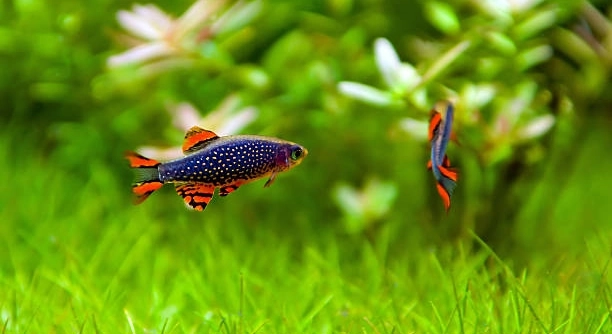
Danios are active, social fish that thrive when their natural grazing habits are supported. Feeding them in ways that mimic their environment can improve their health, behavior, and overall well-being in home aquariums.
Implementing feeding techniques that replicate natural grazing involves offering small, frequent portions across the tank, incorporating live or frozen foods, and varying textures. This approach encourages natural foraging behavior, reduces stress, and promotes optimal digestion and growth.
Learning how to feed your danios naturally helps maintain their energy, keeps their environment cleaner, and enhances the enjoyment of watching them interact.
Frequent Small Feedings
Danios naturally graze throughout the day rather than consuming one large meal. By offering small portions multiple times daily, you replicate this behavior and help maintain stable water quality. Overfeeding in one sitting can lead to uneaten food, causing ammonia spikes that stress the fish. Small, frequent feedings also ensure that all fish get access to nutrients, reducing competition and aggression in the tank. You can scatter tiny pinches of flakes or micro pellets in different areas to encourage movement and natural foraging. Observing how your fish respond to each feeding helps you adjust portion sizes. A consistent schedule supports their digestive system and prevents bloating. Many aquarists notice that danios become more active and display brighter colors when fed this way. This method also allows you to monitor each fish’s health, as changes in appetite can be noticed sooner. It promotes a healthier, more balanced tank environment overall, benefiting both the fish and the aquarium’s ecosystem.
Frequent feedings reduce stress and promote natural grazing patterns while keeping water cleaner and fish healthier.
Breaking down food into tiny portions throughout the day keeps danios actively foraging. This mimics their natural feeding behavior and prevents overeating. Using a variety of food types, like flakes, micro pellets, or frozen foods, encourages them to explore the tank. Small feedings also make it easier to notice changes in appetite or health. Over time, your fish may develop predictable routines, allowing you to anticipate their needs and adjust care accordingly. Consistency supports their metabolism and overall vitality.
Live and Frozen Foods
Live or frozen foods closely resemble what danios eat in the wild, including small insects, larvae, and microcrustaceans. These foods provide essential nutrients that processed flakes or pellets may lack. Introducing live foods stimulates hunting instincts, keeping your fish mentally and physically active. Frozen options offer convenience while maintaining nutritional value, and they can be thawed in small portions before feeding. Offering a variety of live and frozen items prevents diet monotony, ensuring the fish remain interested and well-nourished. These foods can be sprinkled across the tank to encourage natural grazing behavior, allowing the fish to swim and forage actively. Some danios may initially be hesitant, so combining these with regular pellets can ease the transition. Regular use of live and frozen foods helps maintain strong immune systems, improves coloration, and encourages natural movement patterns that support overall well-being in an aquarium setting.
Live and frozen foods promote active foraging, support health, and offer essential nutrients that processed options alone cannot provide.
Incorporating live and frozen foods requires attention to preparation and timing. Thaw frozen items completely before feeding to avoid chilling the fish. Rinse live foods to remove debris or contaminants that could affect water quality. Introduce these foods in small, manageable amounts, scattered across the tank to encourage movement and natural grazing. Observing how each fish reacts helps ensure all individuals receive adequate nutrition. Rotating between different types of live or frozen foods prevents boredom and provides a balanced diet. Over time, you may notice enhanced coloration, increased energy, and more natural behavior patterns. Combining these with standard flake or pellet feedings creates a well-rounded diet, improving overall health and resilience. Regularly offering high-quality live or frozen options supports strong growth, reproductive health, and longevity, making your aquarium a thriving environment for danios.
Scattering Food Across the Tank
Scattering food encourages danios to swim actively and forage naturally. It prevents dominance by a few fish and distributes nutrition more evenly throughout the group.
By spreading food in different areas, each fish can access it without excessive competition. This mimics their natural environment, where food is rarely concentrated in one spot. Using small flakes or micro pellets, toss them gently so they drift and settle at various levels. Observing how your fish move during feeding helps you identify areas of the tank that are less visited, allowing better distribution next time. Scattering also stimulates natural hunting instincts, increasing activity and reducing boredom. Regular practice can enhance social interactions, as fish learn to navigate feeding spaces together. Over time, this method supports healthier digestion, reduces waste buildup in the tank, and promotes more balanced growth among all individuals in the group.
Scattering food in multiple locations creates a dynamic feeding environment, encouraging movement and fair access to nutrition for all danios.
Distributing food across the tank allows each fish to graze naturally. When flakes or micro pellets are tossed in various spots, the fish swim more and explore their surroundings. This reduces aggression and competition over a single feeding point. Some danios will actively chase falling food, stimulating their instincts. Using floating or sinking varieties adds vertical activity, as fish forage at different levels. Scattering also prevents leftover food from accumulating in one area, helping maintain water quality. Adjusting the spread based on observation ensures even participation and supports long-term health and activity.
Using Feeding Rings
Feeding rings help concentrate food without overfeeding and keep pellets or flakes from scattering too quickly. They guide the fish to a central area while still allowing movement.
Feeding rings contain floating foods and prevent them from drifting to tank edges, making it easier to observe how much each fish eats. Using a ring encourages danios to forage within a controlled area while reducing waste. The confined space also promotes social interaction, as the fish gather and compete gently for food. Over time, fish learn to recognize the ring as a feeding spot, which can simplify portion control. Feeding rings are particularly useful in community tanks where multiple species coexist, allowing each to feed safely without dominating others. Regular use supports cleaner water, balanced nutrition, and more predictable feeding behavior. It also reduces the need to remove uneaten food constantly, streamlining maintenance while enhancing overall tank health.
Feeding rings help contain food, support portion control, and encourage natural foraging behavior while keeping the tank cleaner.
Using feeding rings requires consistent placement and monitoring. Position the ring in a calm area with minimal current to prevent pellets from drifting out. Place small portions inside, adjusting based on how quickly the fish consume them. Observe interactions within the ring, ensuring all fish have access. Rotate the type of food offered in the ring to maintain interest and nutritional balance. Feeding rings can also help identify fish that eat too quickly or too slowly, allowing targeted adjustments to diet. Over time, this method encourages disciplined feeding patterns, reduces leftover food, and supports a stable environment for healthy growth and activity among all danios.
Rotating Food Types
Rotating food types prevents dietary boredom and ensures balanced nutrition. Changing between flakes, pellets, live, and frozen foods keeps danios interested in feeding and supports overall health.
Using a variety of foods mimics natural conditions, where different types of prey are available. This rotation encourages natural foraging instincts and can improve color, growth, and activity.
Feeding at Different Tank Levels
Feeding at multiple levels ensures all danios access food and supports natural swimming behavior. Surface, mid-water, and bottom feeding options allow different personalities to forage comfortably. Scattering food at various depths replicates wild grazing patterns and maintains tank cleanliness.
Observing Eating Behavior
Watching how your danios eat helps identify health issues, feeding preferences, and social dynamics. Adjusting feeding techniques based on observation ensures every fish receives proper nutrition and maintains a balanced, healthy environment.
How often should I feed my danios to mimic natural grazing?
Feeding small portions multiple times a day is ideal. Two to four feedings spaced evenly can replicate their natural grazing habits. This method keeps fish active, reduces stress, and prevents overeating, which can lead to water quality issues.
What types of food are best for natural grazing?
A mix of flakes, micro pellets, live foods, and frozen items works well. Live or frozen foods, such as brine shrimp or daphnia, provide essential nutrients and stimulate natural hunting behavior. Rotating food types also keeps the fish engaged and ensures balanced nutrition.
Should I scatter food or use a feeding ring?
Both methods are effective but serve slightly different purposes. Scattering food encourages exploration and movement across the tank, promoting natural grazing. Feeding rings help contain floating foods, reduce waste, and allow easy observation of how much each fish consumes. Using both can be ideal.
Can I overfeed my danios using these techniques?
Yes, overfeeding is possible even with small portions. It’s important to monitor consumption and adjust quantities. Uneaten food should be removed promptly to maintain water quality. Observing appetite and behavior helps ensure feeding is balanced and prevents digestive issues.
How do I ensure all fish get access to food?
Scattering food or feeding at different tank levels helps distribute it evenly. Surface, mid-water, and bottom feeders can all find their share. Watch interactions during feeding to see if some fish are consistently missing out and adjust feeding locations accordingly.
Do danios prefer live or frozen foods over flakes?
Many danios show more interest in live or frozen foods due to texture and movement. Flakes and pellets provide consistent nutrition but lack stimulation. Combining both types supports health while keeping feeding engaging and natural.
How does rotating food benefit danios?
Rotating food types prevents boredom, mimics natural diversity in diet, and provides a wider range of nutrients. It also encourages active foraging behavior, supports coloration, and can improve overall activity levels in the tank.
What signs indicate my feeding technique is effective?
Healthy, active fish that swim freely and display vibrant colors indicate success. Even distribution of food during feedings and minimal leftover food suggest proper portioning. Regular observation can highlight if adjustments are needed for diet or feeding methods.
Is it necessary to monitor water quality with frequent feeding?
Yes, frequent feedings can increase waste if not managed. Regular testing and partial water changes are important to maintain stable ammonia, nitrite, and nitrate levels. Proper feeding techniques reduce excess food, which helps maintain a cleaner, healthier tank.
How do I transition danios to a natural grazing feeding routine?
Start gradually by offering small portions more frequently instead of one large meal. Introduce live or frozen foods slowly alongside regular flakes or pellets. Observe how fish respond and adjust timing and quantity to suit their natural grazing tendencies.
Can feeding techniques improve social behavior among danios?
Yes, techniques like scattering food or using multiple feeding levels reduce competition and aggression. Fish engage in natural foraging behavior, which promotes healthy interaction and minimizes dominance disputes, allowing all individuals to thrive in the tank environment.
How long should each feeding session last?
Each session should be brief, typically a few minutes, enough for all fish to consume their share. Avoid leaving food in the tank for long periods to prevent decay, water quality issues, and overfeeding. Prompt removal of leftovers keeps the tank balanced.
Are there seasonal or environmental factors to consider?
Water temperature, tank size, and lighting can influence appetite and metabolism. Adjust feeding frequency or portion size if fish appear less active in cooler water or more energetic in warmer conditions. Maintaining stable conditions ensures feeding techniques remain effective year-round.
How can I make feeding more engaging for the fish?
Varying food types, scattering patterns, and feeding levels stimulates natural foraging instincts. Introducing occasional live foods encourages hunting and adds enrichment. Changing feeding locations slightly within the tank prevents monotony and promotes exploration while keeping them active.
What are common mistakes to avoid when mimicking natural grazing?
Overfeeding, offering only one food type, ignoring uneaten portions, or feeding inconsistently are common errors. Not monitoring fish behavior or water quality can also undermine the benefits of natural grazing techniques. Regular observation and adjustment are key to success.
How does natural grazing affect digestion and health?
Frequent small feedings and varied diets improve digestion, reduce bloating, and prevent nutrient deficiencies. Active foraging supports metabolism, strengthens immunity, and encourages natural swimming patterns, all of which contribute to overall health and longevity of danios.
Can these techniques be used in community tanks?
Yes, but consider the needs of other species. Scattering food and offering multiple feeding levels help ensure all fish access nutrition. Feeding rings can keep food contained for smaller or slower feeders, while more active species can still forage freely.
How long before I see benefits from these feeding techniques?
Visible improvements, such as increased activity, better color, and healthier behavior, may appear within a few weeks. Water quality and digestion stabilize with consistent practice, and long-term health benefits become evident over several months of routine application.
Are there foods to avoid when mimicking natural grazing?
Avoid overly large pellets, oily human foods, or items prone to rapid decay. These can be difficult for danios to consume, reduce water quality, or upset digestion. Stick to small, nutrient-appropriate foods designed for small active fish to maintain health and natural behavior.
Can I feed my danios at night to mimic wild conditions?
Danios are diurnal and typically feed during daylight hours. Night feeding is unnecessary and can disrupt sleep cycles. Focus on daytime feedings with frequent, small portions to replicate natural grazing while maintaining normal activity patterns.
How do I know the right portion size for each feeding?
Portion size depends on tank population and individual appetite. Offer amounts that fish can consume within a few minutes without leaving excessive leftovers. Observing feeding behavior and adjusting gradually helps achieve balance while preventing overfeeding or nutrient deficiencies.
Does using these techniques affect breeding behavior?
Yes, proper nutrition and natural foraging can support reproductive health. Active, healthy fish are more likely to display natural courtship and spawning behaviors. Providing live or frozen foods rich in protein further encourages reproductive activity.
How important is consistency in natural grazing feeding?
Consistency is key. Irregular feedings can stress fish, reduce appetite, and disrupt natural behavior patterns. Maintaining a regular schedule with frequent, small portions supports digestion, social balance, and overall vitality in the tank.
Are there tools that make natural grazing easier?
Feeding rings, small scoops, and tongs for live foods help control portion size and distribution. Observation tools, like a small timer or notes on feeding times, support consistency. Proper equipment reduces waste and encourages healthier foraging behavior.
What’s the main takeaway for effective natural grazing?
Mimicking natural grazing involves small, frequent feedings, varied food types, and thoughtful distribution. Observing behavior, adjusting portions, and maintaining water quality are essential. These techniques enhance health, activity, and well-being, creating a thriving environment for danios to flourish.
Word count: 509
Danios are active, social fish that benefit greatly from feeding methods that replicate their natural grazing behavior. By offering small, frequent portions and varying the types of food, you can support their overall health and encourage natural movement patterns. Consistent feeding practices help prevent overeating, which is a common problem in home aquariums, and also reduce waste that can affect water quality. When danios are given opportunities to forage as they would in the wild, their energy levels remain stable, and their behavior becomes more predictable. Over time, this approach can lead to a more harmonious aquarium environment, as each fish has a chance to access food without excessive competition. Implementing these techniques does not require complicated equipment or expensive foods. Even simple measures, such as scattering pellets, feeding at different tank levels, or incorporating live and frozen foods, can make a significant difference. Observing how your fish respond to different feeding methods allows you to adjust routines and portion sizes, ensuring that all individuals receive adequate nutrition. This personalized approach not only promotes physical health but also supports mental stimulation, as danios are naturally curious and active creatures.
Feeding rings, scattered feedings, and rotating food types all contribute to a balanced approach that encourages natural grazing. Each method has its advantages, and combining them often produces the best results. Scattering food across the tank promotes movement and allows shy or smaller fish to participate in feeding. Feeding rings help concentrate portions and reduce leftover food, keeping the water cleaner. Live and frozen foods provide essential nutrients while stimulating hunting instincts, making mealtimes more engaging for the fish. Rotating these food types ensures variety and prevents dietary monotony, which can lead to disinterest or underfeeding. By offering a mix of feeding techniques, you support digestive health, enhance coloration, and encourage social behaviors that reflect natural conditions. The cumulative effect of these practices is a tank environment where danios are healthier, more active, and display their natural behaviors consistently. Small adjustments, such as the placement of food or the timing of portions, can significantly influence the effectiveness of these techniques. Regular observation and minor tweaks help maintain balance, ensuring that all fish thrive under a feeding routine tailored to their needs.
Overall, adopting feeding techniques that mimic natural grazing is a practical and effective way to enhance the well-being of your danios. Paying attention to portion sizes, food types, and distribution methods helps create a more dynamic and stimulating environment. It also allows you to monitor health indicators, such as appetite, activity, and coloration, more effectively. A tank where danios can forage naturally is less prone to water quality problems caused by leftover food and overfeeding. In addition, supporting natural behavior through feeding improves mental stimulation, reduces stress, and encourages positive social interactions among fish. Maintaining this routine requires observation and consistency, but the results are worth the effort. Over time, you will notice healthier, more vibrant fish that move confidently throughout the tank, making your aquarium a more enjoyable and visually appealing space. By combining simple, practical strategies with careful observation, you can provide a feeding environment that closely resembles what danios would experience in the wild. This approach enhances both the physical and behavioral health of your fish while promoting a cleaner, more balanced aquarium ecosystem. Regular attention and small adjustments to your feeding methods ensure long-term benefits, making your danios’ home healthier, more active, and more natural.
Word count: 421

Hello,
If you enjoy the content that we create, please consider saying a "Thank You!" by leaving a tip.
Every little bit helps us continue crafting quality advice that supports the health, happiness, and well-being of pets around the world, for pets of all shapes, sizes, and species.
We really appreciate the kindness and support that you show us!