
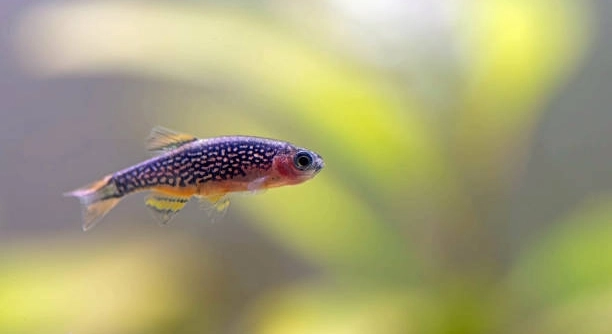
Do you ever find yourself worrying about the well-being of your small aquarium fish while you are away? Celestial Pearl Danios are delicate and colorful, bringing life and movement to any tank with their gentle presence.
Seven Celestial Pearl Danios can typically survive without food for three to five days under normal conditions. Extended fasting beyond this period can cause stress, weaken their immune system, and negatively impact their overall health and growth.
Knowing the limits of their fasting tolerance helps maintain a healthy environment. Understanding this ensures your fish remain active, vibrant, and thriving in their aquatic home.
How Celestial Pearl Danios Handle Fasting
Celestial Pearl Danios are small, resilient fish that can manage short periods without food, but they still need a stable environment. Their tiny size means they burn energy quickly, so consistent feeding helps maintain their activity and vibrant colors. In a tank, they often nibble on leftover food or algae, which can sustain them briefly. Water quality also plays a role; clean water reduces stress and helps them conserve energy. Temperature affects their metabolism, too—cooler water slows digestion and activity, allowing them to go slightly longer without eating. Stress from overcrowding or sudden changes can make fasting harder on them, as their energy demands increase. Observing their behavior during short fasts helps ensure they remain healthy. Signs like lethargy, faded colors, or unusual swimming patterns indicate that they are struggling. For peace of mind, regular small meals are ideal, but short absences of feeding can be tolerated under proper tank conditions.
Fasting should never exceed five days, as prolonged periods can cause lasting health problems for your Danios.
Even during short fasts, it is important to maintain clean water and stable tank conditions. Providing hiding spots reduces stress, and monitoring behavior daily helps prevent issues. A few days without food is manageable, but consistent care ensures their long-term vitality and keeps them active and colorful.
Planning for Absences and Feeding Alternatives
If you need to be away, automatic feeders or pre-portioned food can keep your fish nourished.
Automatic feeders help maintain a consistent feeding schedule, ensuring your Celestial Pearl Danios get small, regular meals. Alternatively, asking someone to check the tank and feed lightly can prevent fasting beyond safe limits. Overfeeding should be avoided, as uneaten food can pollute the water, raising stress and health risks. For short absences of up to three days, Danios can usually cope without supplementary feeding if tank conditions are optimal. Monitoring water quality before and after your absence ensures a safe environment. Observing their activity and colors after returning will confirm they handled the short break well. By preparing in advance and using reliable feeding solutions, you can leave without worrying about your fish’s well-being, maintaining their health and vibrancy efficiently.
Signs Your Danios Are Struggling Without Food
Lethargy is often the first visible sign that your Celestial Pearl Danios are not getting enough food. They may hide more, swim less actively, or appear dull in color, indicating their energy reserves are running low.
Behavioral changes can be subtle. Your Danios might stop schooling or exploring the tank as they usually do. Fins may droop, and they may stay near the bottom, conserving energy. Appetite will be noticeably reduced once food is reintroduced. Observing these patterns daily helps catch problems early. Tank conditions like temperature and water quality can either worsen or alleviate stress during fasting. Sudden changes in light or overcrowding can amplify these signs. Acting quickly by resuming feeding or improving tank conditions supports recovery.
Physical signs can include faded coloration and slight weight loss. Even small changes are significant in small fish. Regular observation ensures you can respond promptly. Monitoring their health daily helps prevent long-term effects from short periods without food.
Maintaining a Balanced Feeding Schedule
Consistency is key for the health of your Celestial Pearl Danios. Irregular feeding can stress them and affect their growth.
A balanced feeding schedule ensures they receive proper nutrients without overfeeding. Small, frequent meals mimic natural grazing and prevent digestive issues. Overfeeding leads to uneaten food, which can pollute the tank and increase the risk of disease. Using high-quality flake or micro-pellet food keeps them healthy and vibrant. Watching their behavior after each feeding helps adjust portions. Feeding at the same times each day helps establish routine, reducing stress. Proper feeding maintains activity levels, coloration, and overall well-being. Regular checks of water quality complement feeding practices, keeping your Danios thriving.
Preparing Your Tank Before Fasting
Ensure the tank is clean and the water parameters are stable before any fasting period. A healthy environment reduces stress and helps your Danios conserve energy.
Remove uneaten food and check filters to maintain proper circulation. Stable temperature and pH levels are essential to support their metabolism during short fasting periods.
Using Feeding Alternatives
Automatic feeders or pre-portioned food provide a reliable option when you are away. They deliver small, consistent meals and prevent overfeeding, keeping your Danios healthy.
Recovery After Fasting
Reintroduce food gradually after a fast. Start with small portions to avoid overwhelming their digestive system and monitor their response closely.
Monitoring Long-Term Health
Keep an eye on activity levels, coloration, and appetite over time. Consistent observation helps catch any signs of weakness or illness early.
FAQ
How long can Celestial Pearl Danios go without food?
Celestial Pearl Danios can generally survive three to five days without food under normal tank conditions. Short-term fasting is manageable, but anything beyond five days can lead to stress, weakened immunity, and slower growth. Maintaining stable water conditions and monitoring their behavior is essential during fasting.
Will fasting harm their health?
Short fasts of one to three days usually do not harm healthy Danios. Prolonged fasting, however, can cause lethargy, faded colors, and weight loss. Stress from environmental changes or poor water quality can worsen the effects. Observing physical and behavioral changes ensures early intervention.
Can I use an automatic feeder?
Yes, automatic feeders are useful for maintaining a consistent feeding schedule when you are away. They provide small, measured portions to avoid overfeeding while keeping your Danios nourished. Check the feeder for proper function and use high-quality food to maintain health.
What happens if I overfeed after fasting?
Overfeeding immediately after a fast can overwhelm their digestive system. Start with small portions to allow their metabolism to adjust. Gradually increase the quantity over a few feedings while monitoring their activity and appetite to avoid digestive stress or water contamination.
How do I know if my Danios are stressed?
Signs of stress include lethargy, hiding, loss of color, and reduced schooling behavior. Stress can result from fasting, poor water quality, overcrowding, or sudden changes in temperature or light. Early detection and corrective measures help maintain their overall health and vitality.
Can fasting improve water quality?
Brief fasting periods may slightly reduce waste from uneaten food, improving water quality temporarily. However, long-term fasting is not a solution for tank maintenance. Regular water changes and proper filtration remain the most effective methods for clean, safe water.
Should I adjust water temperature during fasting?
Slightly cooler temperatures can reduce metabolism and energy demand during short fasting periods. Avoid drastic changes, as rapid shifts in temperature can stress your Danios. Maintaining consistent conditions is more important than attempting to manipulate metabolism through temperature alone.
How often should I observe my fish during fasting?
Daily observation is crucial. Watch for changes in activity, coloration, and behavior. Even minor changes can indicate stress or health issues. Monitoring allows prompt action, whether resuming feeding, adjusting water parameters, or improving tank conditions to support recovery.
Are juveniles affected differently than adults?
Juvenile Celestial Pearl Danios have higher energy requirements and are more sensitive to fasting. Adults can generally tolerate short fasts better, while juveniles may show signs of weakness more quickly. Adjust fasting periods and feeding routines according to the age and size of your fish.
What is the safest way to resume feeding?
Reintroduce food in small portions at first, then gradually return to the regular feeding schedule. Using high-quality flake or micro-pellet food ensures they get proper nutrition. Observe their behavior and adjust as needed to support a smooth recovery and maintain health.
Can fasting help with digestive issues?
Short-term fasting can give the digestive system a break, especially if the fish have overeaten. Limit fasts to a few days and maintain clean water to prevent stress. This method is only beneficial when used occasionally and with careful monitoring.
Is it necessary to prepare the tank before fasting?
Yes, cleaning the tank, checking filters, and stabilizing water parameters are essential steps. A healthy environment supports your Danios during fasting and prevents stress-related health issues. Adequate hiding spots and stable lighting also contribute to their well-being.
Can multiple Danios fast together safely?
Yes, a small group like seven Celestial Pearl Danios can fast together safely if tank conditions are optimal. Monitor behavior for signs of stress, as competition or hierarchy issues may affect how individual fish respond to fasting. Ensure even distribution of food when feeding resumes.
How do I balance fasting with regular care?
Fasting should be occasional and planned. Maintain consistent cleaning, observation, and feeding routines. Short breaks from feeding are safe if environmental conditions are stable. Combining careful monitoring with proper nutrition supports the long-term health and vitality of your Danios.
What should I avoid during fasting periods?
Avoid sudden changes in light, temperature, or water quality. Do not overfeed immediately afterward. Avoid overcrowding or introducing new fish, as these can increase stress. Keeping the tank stable and monitoring your Danios daily ensures fasting remains safe and manageable.
Can fasting affect breeding?
Yes, extended fasting can reduce breeding activity. Proper nutrition supports energy and reproductive health. Avoid prolonged fasting for breeding pairs and maintain regular feeding to ensure eggs and fry develop normally.
Are there signs that fasting is too long?
Yes, extreme lethargy, faded coloration, weight loss, and unusual swimming patterns indicate the fasting period has been too long. Promptly reintroducing food and checking water quality can help reverse negative effects.
Is it safe to fast during illness?
No, fasting during illness can worsen health. Nutrients are essential for immune function and recovery. Always feed sick Danios small, frequent meals and maintain optimal water conditions to support healing.
Can algae help during short fasting periods?
Natural algae in the tank may provide minimal sustenance, but it is not enough for long-term fasting. Relying on leftover algae is only suitable for very short breaks, and supplemental feeding should resume quickly.
Does water flow affect fasting tolerance?
Yes, strong currents increase energy expenditure. Fish in high-flow areas may need food sooner than those in calm areas. Adjust feeding and observation based on tank conditions to ensure all Danios maintain proper energy levels.
How do I plan for future absences?
Use automatic feeders, pre-portioned food, or ask someone to feed the fish. Keep water clean and monitor the tank before leaving. Short-term absences of up to three days are generally safe, but longer periods require careful preparation to avoid health issues.
Can fasting help with obesity in Danios?
Occasional fasting can reduce overfeeding effects and prevent digestive problems, but it should be brief. Long-term dietary control and portion management are safer methods to maintain healthy weight without risking stress or malnutrition.
How often can fasting be practiced safely?
Short fasts can be done occasionally, such as during short absences or for digestive breaks. Avoid making fasting a regular practice beyond a few days. Consistent observation and proper tank care ensure it remains safe.
Are some Danios more resilient than others?
Yes, adults and healthy fish tolerate short fasting better than juveniles or stressed individuals. Individual temperament, health status, and tank conditions all influence how each Danio responds to fasting.
What should I do if a fish refuses food after fasting?
Offer small portions and monitor behavior closely. Stress, illness, or overfeeding can delay appetite. Ensure water quality and tank conditions are optimal and give time for their metabolism to readjust gradually.
Can fasting prevent bloating or digestive issues?
Short-term fasting can give the digestive system a break after overeating, helping prevent bloating. Limit fasts to one to three days and maintain water quality to support their health during this time.
Is it necessary to adjust lighting during fasting?
No major changes are needed, but keeping a stable light cycle helps reduce stress. Avoid sudden shifts in brightness or duration, as this can impact behavior and energy expenditure.
How do I track recovery after fasting?
Observe activity, appetite, coloration, and schooling behavior daily. Small improvements indicate proper recovery, while persistent signs of stress or lethargy require attention. Gradually resume feeding and maintain stable tank conditions for full recovery.
Can fasting improve longevity?
Occasional short fasts may reduce digestive strain, but long-term health depends more on consistent care, balanced nutrition, and optimal tank conditions. Fasting alone does not guarantee longer life but can complement overall proper care practices.
What is the safest fasting duration for multiple Danios?
Three days is generally safe for a small group of healthy adults under stable tank conditions. Longer fasts require careful monitoring, clean water, and minimal stressors to prevent negative health effects.
Celestial Pearl Danios are small, delicate fish that thrive under consistent care and proper feeding routines. While they can tolerate short periods without food, their health and activity rely heavily on stable tank conditions. Maintaining clean water, stable temperature, and proper filtration are crucial factors that support their well-being during fasting periods. Observing behavior, color, and activity levels regularly allows you to notice early signs of stress or weakness, helping prevent long-term health issues. Even though these fish can survive a few days without food, their metabolism and energy reserves are limited. Ensuring that they have small, balanced meals on a consistent schedule will help them stay active, vibrant, and healthy. Preparing your tank and monitoring water parameters before any fasting period makes a noticeable difference in how well they cope without food, reducing stress and maintaining their natural behavior.
Short-term fasting can be managed carefully if you follow guidelines and maintain proper observation. Automatic feeders, pre-portioned food, and checking water quality are practical ways to ensure that your Danios are safe when you cannot feed them yourself. Fasting beyond three to five days should be avoided whenever possible, as it can lead to lethargy, weakened immunity, and loss of coloration. Juveniles are particularly sensitive, so their needs must be considered when planning any break from feeding. Even when using automatic feeders or assistance from others, consistent monitoring remains essential. Watching for signs such as hiding, reduced activity, or lack of appetite will allow timely intervention. Gradually resuming feeding after a fast helps avoid digestive problems and ensures your Danios regain their energy and vitality efficiently. Keeping the tank environment stable, providing hiding spots, and observing behavior daily all contribute to their long-term health.
Ultimately, the key to maintaining healthy Celestial Pearl Danios lies in balance and preparation. Short breaks from feeding are generally safe, but careful attention to tank conditions, water quality, and feeding routines is essential to minimize stress. Fasting should be viewed as a temporary measure, not a substitute for proper care. Monitoring your Danios’ behavior and adjusting their environment accordingly supports their natural activity and keeps them thriving. Understanding their tolerance to fasting, combined with consistent observation and proper feeding, ensures your fish remain energetic, colorful, and healthy over time. With the right approach, even short periods without food can be handled safely, allowing your Celestial Pearl Danios to continue living in a stable, vibrant, and supportive aquatic environment.

Hello,
If you enjoy the content that we create, please consider saying a "Thank You!" by leaving a tip.
Every little bit helps us continue crafting quality advice that supports the health, happiness, and well-being of pets around the world, for pets of all shapes, sizes, and species.
We really appreciate the kindness and support that you show us!