
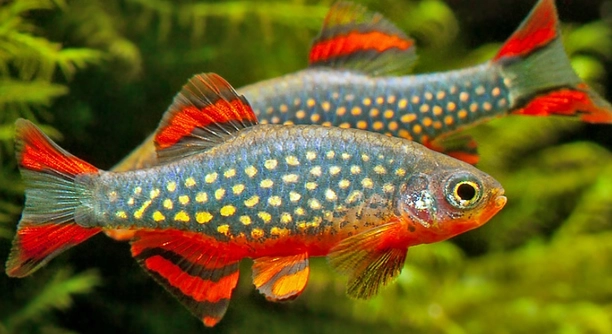
Celestial Pearl Danios are small, vibrant fish that thrive in groups. Observing them shoal naturally can be rewarding for any aquarist. Encouraging this behavior requires attention to their environment, social needs, and overall well-being within the aquarium.
Providing ample space, consistent water parameters, and appropriate tank companions significantly promotes natural shoaling. Maintaining optimal temperature, hiding spots, and minimal stressors encourages these fish to display cohesive, healthy group behavior, reflecting their innate social tendencies in a controlled aquarium setting.
Proper care and strategic planning enhance your fish’s natural instincts, creating a lively, harmonious aquarium that mirrors their behavior in the wild.
Choosing the Right Tank Size
A proper tank size is essential for Celestial Pearl Danios to shoal naturally. These fish are small but active, and they need enough room to swim freely without feeling cramped. A tank that is too small can cause stress, reduce movement, and disrupt group dynamics. Providing at least 20 gallons for a small school allows them to interact comfortably and establish social hierarchies. In addition, a longer, wider tank is preferable to a taller one because these fish prefer horizontal swimming. Include live plants, rocks, and gentle currents to mimic their natural habitat, giving them areas to hide or explore. Regular maintenance, including partial water changes and substrate cleaning, supports stable water conditions, which are crucial for their health. By planning the tank layout with open swimming areas and shaded spots, the fish are more likely to display natural shoaling behavior consistently, forming tight, coordinated groups as they feel secure and undisturbed.
Proper tank dimensions and careful layout encourage healthier, more natural group interactions among the fish, improving both behavior and appearance.
Arranging the tank to balance open swimming space with hiding areas can transform a simple aquarium into a dynamic environment. Observing the Danios navigate these spaces reveals how environmental design directly influences social behavior. Live plants not only provide cover but also break up sightlines, reducing aggression and fostering peaceful group movement. Rocks and low decorations create gentle boundaries that guide their swimming patterns. Positioning the tank away from high-traffic areas or loud appliances minimizes stress, supporting consistent shoaling. Feeding small amounts in multiple locations encourages exploration and interaction, keeping the group cohesive. Lighting should be moderate to highlight colors without causing startling contrasts. Finally, avoid overcrowding; even small fish require breathing room and unobstructed territory to maintain their social structures. Consistent care, thoughtful design, and environmental stability collectively enhance the natural shoaling tendencies of Celestial Pearl Danios, making their behavior predictable and visually engaging.
Maintaining Water Quality
Stable water quality is critical for Celestial Pearl Danos. Sudden changes can disrupt shoaling and increase stress.
Keeping water parameters consistent, including temperature, pH, and hardness, ensures that the fish remain comfortable and active. Temperature should stay around 73–78°F, with pH between 6.5 and 7.5. Filtration must be gentle to avoid strong currents, which can scatter the group and reduce natural cohesion. Regular monitoring of ammonia, nitrites, and nitrates prevents toxic buildup that could harm both individual fish and the shoal dynamic. Partial water changes of 20–30 percent weekly remove waste and replenish essential minerals, supporting overall health. Avoid overcrowding, as even small deviations in population density can destabilize water chemistry and social structure. Properly conditioned water also promotes breeding behavior and coloration, further reflecting their well-being. Supplementing with live or high-quality frozen foods ensures that the fish receive necessary nutrients without polluting the tank. By maintaining stable, clean water, shoaling behavior becomes more natural, predictable, and visually satisfying. Environmental consistency directly supports their social patterns and enhances tank aesthetics.
Providing Ample Hiding Spots
Celestial Pearl Danios feel safer with plants, rocks, and small caves. Hiding spots reduce stress and encourage tighter, more natural shoaling behavior. Dense planting also breaks sightlines, limiting aggression and allowing shy fish to join the group confidently.
Arranging live plants like Java moss or small stem plants creates shaded areas where the Danios can retreat when feeling threatened. Smooth rocks and driftwood provide additional cover and simulate their natural environment, giving them a sense of security. Avoid sharp decorations that could injure them, as injuries may disrupt shoaling patterns. Proper placement of hiding spots near open swimming areas encourages fish to explore without feeling exposed. A mix of vertical and horizontal structures supports diverse movement patterns, letting the shoal form naturally. By creating multiple refuges, you help maintain social cohesion and reduce stress-induced behaviors such as darting or clumping in one corner.
Decorating with varied textures and heights allows fish to establish territories while still remaining part of the group. When hiding spots are balanced with open swimming areas, shoaling becomes more dynamic and visually engaging.
Feeding for Group Behavior
Consistent feeding routines strengthen social interactions. Feeding in multiple small locations encourages fish to move together and reduces competition.
Offering a mix of high-quality flake, micro-pellets, and occasional frozen foods ensures nutritional balance while keeping all fish active and engaged. Small, frequent feedings prevent aggressive chasing and allow weaker fish to participate, which promotes harmony within the shoal. Introducing food near planted areas encourages exploration and reduces stress during feeding times. Observing how the Danios interact while foraging provides insight into their social structure and health. Avoid overfeeding, which can pollute water and disrupt group cohesion. Providing live foods like daphnia or brine shrimp stimulates natural hunting behaviors and reinforces coordinated movement patterns, enhancing the natural shoaling display. Feeding practices directly influence both behavior and tank cleanliness, supporting a lively, healthy group of fish.
Keeping a Proper School Size
A school of at least six Celestial Pearl Danios encourages natural shoaling. Smaller groups can feel insecure and scatter, while larger groups maintain cohesion and exhibit coordinated swimming patterns, which reflects their natural social behavior.
Monitoring the group ensures no fish are isolated or bullied. Adjusting the number of individuals supports balance, allowing the school to form stable social structures and move confidently throughout the tank.
Minimizing Stress
Stress disrupts shoaling and can affect health. Keep sudden changes in lighting, water flow, or tank location to a minimum. Stable, calm conditions allow the group to interact naturally and maintain coordinated behavior.
Using Gentle Filtration
Strong currents scatter small fish and break shoaling patterns. Use filters that provide clear water with soft, gentle flow to preserve the school’s cohesion and reduce stress.
Observing Social Behavior
Regular observation helps track the health and dynamics of the group. Look for signs of tight swimming, coordinated movement, and active exploration, which indicate successful shoaling.
FAQ
How many Celestial Pearl Danios should I keep together?
A minimum of six Danios is recommended to encourage natural shoaling. Smaller groups tend to scatter and appear stressed. Larger schools, around 8–12 individuals, allow for more natural movement, social interaction, and cohesion. Monitoring the group ensures no fish are isolated or excluded from the school.
What tank size works best for shoaling?
A tank of at least 20 gallons is ideal for a small school. Longer and wider tanks are better than tall, narrow ones because Danios prefer horizontal swimming. Providing open swimming areas alongside plants and rocks ensures the fish can form cohesive groups without feeling confined.
What water parameters support healthy shoaling?
Keep temperature between 73–78°F, pH around 6.5–7.5, and soft to moderately hard water. Stability is critical. Sudden changes in water chemistry can stress the group, causing scattered swimming and reduced social behavior. Regular testing and partial water changes help maintain consistent conditions.
Do decorations affect shoaling behavior?
Yes. Live plants, smooth rocks, and small caves offer hiding spots that reduce stress. Hiding places also encourage shy individuals to join the group. Avoid sharp objects that could injure fish. Balance open swimming space with cover to promote both exploration and tight shoaling patterns.
How often should I feed my Danios?
Feed small amounts two to three times daily. Multiple feeding spots reduce competition and allow weaker fish to eat, promoting harmony in the school. Include flake, micro-pellets, and occasional frozen or live foods like daphnia to encourage natural foraging behavior. Avoid overfeeding to maintain water quality.
Can tank mates affect shoaling?
Yes, peaceful tank mates help maintain cohesion, while aggressive or fast-moving species can disrupt shoaling. Avoid large, predatory fish that may stress the group. Small, calm species complement Danios’ behavior, allowing the shoal to move naturally and confidently throughout the tank.
How do I know if my Danios are stressed?
Signs include hiding excessively, darting suddenly, or breaking apart from the group. Loss of color, reduced activity, and refusal to eat can also indicate stress. Maintaining stable water parameters, gentle filtration, and sufficient hiding spots reduces these behaviors and supports healthy shoaling.
Can shoaling behavior improve over time?
Yes. Danios often become more coordinated as they grow accustomed to their environment. Providing stable conditions, adequate space, and proper group size allows the school to develop predictable swimming patterns and cohesive social structures.
Should I adjust lighting to encourage shoaling?
Moderate lighting is best. Bright or sudden changes can startle fish and scatter the group. Consistent lighting helps them feel secure and encourages active, natural group movement, while dim areas created by plants or decorations offer resting spots.
Does water current affect shoaling?
Strong currents can break apart the group, causing stress and chaotic swimming. Gentle filtration that maintains water clarity without creating turbulence allows Danios to maintain tight formations and interact naturally. Observation helps determine if current adjustments are needed to support group cohesion.
How can I encourage shy fish to join the shoal?
Provide hiding spots near open areas and introduce food gradually across multiple locations. Shy individuals are more likely to explore and join the school when they feel safe and see others moving confidently. Patience and stable conditions are key to promoting full participation.
Are there signs of a healthy shoal?
Tight group swimming, coordinated turns, and exploration of open and planted areas indicate a healthy shoal. All fish should appear active, colorful, and evenly distributed without constant hiding or chasing. Consistency in behavior reflects successful environmental and social management.
Can breeding affect shoaling?
Breeding can temporarily change social behavior, as males may become territorial or more active. Providing dense plants and separate spawning areas reduces stress and prevents disruptions to the shoal, allowing the group to maintain cohesion while supporting reproductive activity.
How important is tank placement for shoaling?
Placement in a quiet area away from heavy foot traffic and sudden vibrations reduces stress. Danios respond to movement and noise, so a stable environment encourages consistent shoaling and natural swimming patterns. Observation helps identify any location-related disruptions.
Can changing decorations impact shoaling?
Yes, rearranging decorations suddenly can confuse or stress the group, causing them to scatter. Make gradual changes and allow the school to adjust, ensuring hiding spots and swimming space remain balanced to support natural social interactions.
What is the ideal feeding behavior to observe?
Fish should move as a group to feed, exploring different areas without chasing or isolating individuals. Coordinated foraging reflects social cohesion and reduces competition, supporting both shoaling and overall health. Monitoring mealtime behavior can indicate the general stability of the group.
How do I prevent aggression within the shoal?
Maintain proper group size, stable water conditions, and balanced decorations. Avoid overcrowding, overfeeding, or incompatible tank mates. Dense planting provides retreats for lower-ranking fish, reducing stress and ensuring the shoal remains cohesive without persistent aggression.
Can water changes disrupt shoaling?
Large, sudden water changes may cause temporary stress. Performing partial, consistent changes gradually maintains water quality without disturbing group dynamics. Conditioning new water to match temperature and parameters helps preserve natural behavior.
Is it necessary to monitor every individual?
Yes. Observing each fish ensures no one is isolated, ill, or stressed. Regular monitoring helps maintain the balance of the shoal, allows early intervention if problems arise, and ensures coordinated, healthy swimming patterns continue.
How long does it take for Danios to shoal naturally?
Shoaling can begin within days in a stable environment but fully coordinated behavior may take weeks. Consistency in water quality, group size, hiding spots, and feeding routines supports natural social development over time. Patience is essential for a harmonious school.
Does temperature variation affect shoaling?
Yes. Sudden changes in temperature can stress the fish, scattering the group and reducing social interaction. Maintaining a stable range between 73–78°F allows for confident, cohesive movement and encourages natural group behavior.
What role do live plants play in shoaling?
Live plants provide cover, encourage exploration, and break sightlines. They reduce aggression and stress, allowing shy individuals to join the group and fostering natural swimming patterns. Varied plant height and density help maintain balance between hiding and open swimming areas.
Can overfeeding affect shoaling behavior?
Yes. Excess food pollutes water, increases stress, and can cause dominant individuals to chase others. Small, measured feedings across multiple spots promote equal access and support coordinated foraging and natural shoaling.
How do I introduce new fish to an existing shoal?
Quarantine new fish first to prevent disease. Gradually acclimate them to the tank’s temperature and water chemistry. Introduce them near hiding spots and allow the existing group to adjust without sudden interactions. Observe behavior closely to ensure smooth integration.
Does lighting schedule impact shoaling?
Consistent light cycles help establish routine behavior. Sudden bright lights can startle the school, causing scattering. A moderate schedule with dimmed areas encourages natural swimming patterns and supports stress-free group interactions.
Can shoaling behavior indicate health issues?
Yes. Isolated or erratic movement may signal illness, parasites, or stress. Tight, coordinated swimming with active foraging indicates good health. Observing shoaling patterns provides a visual cue for the overall well-being of the group.
What is the best method to encourage exploration?
Place food in varied locations and ensure open swimming paths near plants and decorations. Gentle water flow, multiple hiding spots, and moderate lighting encourage natural movement while keeping the group cohesive and interactive.
How do I maintain long-term shoaling stability?
Consistent water quality, proper group size, balanced decorations, regular feeding, and calm environmental conditions are essential. Monitoring fish behavior and adjusting slowly when needed ensures a stable, cohesive, and healthy shoal over time.
Are there differences between males and females in shoaling?
Males may show slightly more active behavior or mild territorial displays, but overall, both sexes participate in group swimming. Balanced sex ratios and adequate hiding spots minimize disruptions, allowing the school to maintain cohesive movement.
Can seasonal changes affect shoaling?
Yes, temperature fluctuations, daylight variation, and feeding adjustments can temporarily alter behavior. Maintaining stable indoor conditions helps minimize disruption, allowing the school to remain cohesive year-round.
What should I do if a fish isolates itself?
Check water parameters, health, and stress factors. Ensure sufficient hiding spots and balanced group size. Gradually reintegrate the fish while observing for bullying or illness, supporting natural shoaling without forcing interaction.
Is it necessary to track individual growth?
Yes. Uneven growth can lead to dominance issues, stress, or exclusion from the school. Monitoring ensures all fish maintain health and continue participating in group behavior, preserving the natural shoaling pattern.
How does tank complexity influence shoaling?
A mix of open areas and hiding spots encourages natural exploration and reduces stress. Structured environments promote balanced group movement and cohesive swimming patterns, supporting both social and physical health of Celestial Pearl Danios.
Can shoaling be used to assess tank conditions?
Yes. Tight, coordinated swimming indicates stable water parameters and low stress. Scattered, erratic behavior often signals water quality issues, overcrowding, or environmental stressors requiring adjustment. Regular observation is a simple, effective monitoring tool.
How do I maintain balance when adding new decorations?
Introduce items gradually and observe the group’s reaction. Maintain open swimming space alongside new cover, ensuring that all fish can continue natural movement and maintain social cohesion without sudden stress.
Does water hardness affect shoaling?
Moderate hardness is ideal. Extreme hardness or softness can stress the fish, disrupting group swimming and social behavior. Consistent conditions allow cohesive shoaling and predictable interactions, contributing to overall health.
What is the ideal number of hiding spots?
Provide multiple spots relative to tank size and school number. Each fish should have access without overcrowding. This supports shy individuals and promotes balanced movement within the group.
Can temperature fluctuations during maintenance affect shoaling?
Yes. Sudden drops or rises scatter the group and increase stress. Preconditioning water and performing gradual changes minimizes disruption and preserves cohesive social behavior.
Are there visual signs of successful shoaling?
Fish swim together in coordinated patterns, explore the tank evenly, and show active foraging. Coloration remains vibrant, and all individuals participate, indicating healthy social interaction and a stable environment.
How long should I monitor shoaling patterns?
Observe daily for consistent behavior. Short-term deviations can be normal, but persistent scattering, hiding, or aggression signals a need for environmental or social adjustments to maintain natural shoaling.
Do seasonal temperature changes indoors matter?
Minor fluctuations are acceptable, but large shifts can stress the school. Consistent heating and careful monitoring preserve natural group behavior year-round.
How can I make the tank more engaging?
Add varied plants, gentle currents, and multiple feeding spots. Avoid sudden rearrangements. Balanced complexity encourages exploration, foraging, and coordinated swimming while maintaining a safe, cohesive shoal.
Can shoaling behavior indicate compatibility with tank mates?
Yes. A calm, cohesive school shows compatibility, while scattered or stressed swimming suggests disruptive tank mates. Observing patterns helps determine whether additional species can be safely included.
How do I correct shoaling issues?
Assess water quality, tank size, group size, decorations, and feeding routines. Gradually adjust environmental factors while monitoring behavior. Ensuring stable, safe conditions supports natural social cohesion.
What is the impact of sudden noise or vibration?
Loud sounds or frequent vibrations scatter the group, increase stress, and may lead to erratic swimming. Placing the tank in a quiet, stable location helps maintain cohesion and natural shoaling behavior.
How long does it take for a new group to stabilize?
It may take several days to weeks, depending on group size and tank conditions. Stable parameters, adequate space, and proper hiding spots accelerate adjustment and encourage coordinated movement.
Can light intensity affect feeding and shoaling?
Yes. Bright, harsh lighting can stress fish and scatter the school during feeding. Moderate lighting encourages exploration, foraging, and natural group swimming.
How important is observation for long-term success?
Daily observation helps detect stress, illness, and social issues early. Monitoring shoaling patterns ensures timely interventions, supporting health, cohesion, and natural behavior of the school over time.
Does water clarity influence shoaling?
Yes. Cloudy or polluted water increases stress and reduces coordination. Proper filtration and regular water changes maintain clarity, encouraging confident, cohesive swimming throughout the group.
Can gradual introduction of tank mates improve shoaling?
Yes. Slow acclimation reduces stress and allows the existing school to maintain cohesion. Provide hiding spots and monitor interactions carefully for a smooth transition.
How can feeding schedules reinforce shoaling?
Consistent timing and distribution of food encourage synchronized movement. Fish learn when and where to feed, promoting coordinated swimming and reducing aggression during mealtime.
What is the effect of overcrowding?
Too many fish increase stress, reduce swimming space, and disrupt shoaling. Maintain appropriate numbers relative to tank size to ensure cohesive, natural group behavior.
Can observing shoaling behavior predict health issues?
Yes. Erratic movement, isolation, or color loss can signal illness, stress, or environmental problems. Tight, active, and coordinated swimming indicates good health and a stable environment.
How do I balance hiding spots and swimming areas?
Ensure open paths for movement while placing sufficient cover for retreat. Balanced tank layout promotes exploration, reduces stress, and maintains natural, cohesive shoaling patterns.
Does filter placement affect social behavior?
Yes. Position filters to provide gentle water flow without creating turbulence that scatters the group. Proper placement maintains cohesive swimming and reduces stress.
Can breeding stress affect shoaling?
Yes. Males may display temporary territorial behavior. Adequate plants and refuges minimize disruption, allowing the group to continue coordinated movement while supporting reproductive activity.
How do I maintain long-term color and activity?
Stable water, proper diet, balanced tank layout, and consistent care support vibrant coloration, active behavior, and cohesive shoaling, reflecting overall well-being of the group.
What is the ideal monitoring routine?
Observe daily for behavior, feeding, swimming patterns, and health. Regular checks ensure early detection of stress or illness, preserving cohesive shoaling and overall tank stability.
How do I adjust feeding for shy individuals?
Feed in multiple locations and allow gradual access to food. Shy fish will join the school when they feel secure, promoting full participation in foraging and social behavior.
Can tank vibrations disrupt shoaling?
Yes. Even minor vibrations can scatter small fish. Place the tank on a stable, low-traffic surface to maintain cohesive, natural movement.
Does introducing live plants improve cohesion?
Yes. Plants offer shelter and encourage exploration. Shy fish feel safer, reducing stress and enhancing coordinated group movement. Proper plant arrangement supports balanced, healthy shoaling.
How often should water tests be performed?
Weekly testing of ammonia, nitrites, nitrates, and pH ensures consistent conditions. Stable water parameters support tight, predictable shoaling and prevent stress-related behavior.
What role does tank lighting schedule play?
Consistent lighting helps fish develop routine activity, reduces stress, and promotes predictable swimming patterns. Dimmed areas allow resting and reduce tension within the group.
Can changes in diet affect shoaling?
Yes. Sudden dietary changes can stress the school. Gradual introduction of new foods allows fish to adjust without disrupting coordinated swimming and social interactions.
How do I ensure even participation in feeding?
Feed in multiple small locations and provide hiding spots for weaker fish. This ensures all individuals can access food without aggression, supporting group cohesion and natural shoaling.
Is monitoring social hierarchy important?
Yes. Observing interactions helps detect bullying or exclusion. Adjust tank layout or group size if necessary to maintain harmonious, natural shoaling.
Can tank mates disrupt foraging behavior?
Aggressive or fast-moving species may scatter the group during feeding. Choosing compatible, peaceful companions allows coordinated exploration and natural foraging patterns.
Does temperature consistency impact activity levels?
Yes. Stable temperatures promote regular, coordinated movement. Fluctuations can reduce activity, scatter the school, and temporarily suppress natural shoaling behavior.
How do I prevent disease from affecting shoaling?
Quarantine new fish, maintain clean water, and provide a balanced diet. Healthy fish maintain tight, coordinated movement and consistent social behavior.
What is the effect of overstocking?
Overcrowding reduces space for swimming, increases stress, and disrupts social structures. Maintain appropriate numbers to preserve cohesion, minimize aggression, and support natural shoaling.
Can partial water changes disrupt behavior?
Sudden large changes may temporarily stress the school. Gradual, consistent changes maintain water quality while allowing the group to continue cohesive swimming and social interactions.
How can I tell if my Danios are comfortable?
Tight group swimming, active exploration, and consistent foraging indicate comfort. Shy or isolated behavior signals stress or environmental issues needing adjustment.
Does tank size influence shoaling intensity?
Yes. Larger tanks allow more freedom, encouraging natural coordination. Small tanks can limit movement and reduce the display of cohesive social behavior.
Can adjusting feeding times enhance shoaling?
Yes. Predictable feeding encourages synchronized movement and foraging. Consistency helps reinforce natural social patterns and reduces stress-related behaviors.
How do I reduce aggression in the school?
Ensure proper group size, stable water parameters, adequate hiding spots, and compatible tank mates. Avoid overcrowding and sudden environmental changes to maintain calm, cohesive shoaling.
What is the importance of gentle filtration?
Strong currents can scatter small fish. Gentle filtration maintains water clarity without disrupting swimming patterns, supporting cohesive, natural shoaling.
Can plants reduce bullying?
Yes. Dense planting offers retreats for lower-ranking fish, minimizing chasing and stress. Balanced coverage encourages all individuals to participate fully in group behavior.
How long should I wait before adding new fish?
Quarantine and acclimate carefully. Introduce gradually and monitor for integration over several days to weeks, ensuring smooth incorporation without disrupting the school.
Does sudden noise cause lasting stress?
Short bursts may temporarily scatter the group, but repeated disturbances increase stress and reduce coordinated swimming. A quiet environment preserves natural shoaling.
Can feeding location influence cohesion?
Yes. Multiple feeding spots reduce competition and promote even participation. Proper distribution encourages movement across the tank and reinforces group cohesion.
How important is tank observation for troubleshooting?
Critical. Observing behavior allows early detection of stress, illness, or environmental issues. Timely adjustments maintain stable, cohesive shoaling and overall health.
Can seasonal changes affect activity?
Indoor stability minimizes seasonal impact. Fluctuations in temperature or light can temporarily alter swimming patterns, but consistent care supports long-term cohesive behavior.
How does tank decoration height influence movement?
Varied heights encourage vertical and
Final Thoughts
Encouraging natural shoaling in Celestial Pearl Danios requires attention to multiple factors that influence their social behavior. The size of the group is one of the most important aspects, as a minimum of six fish is needed to maintain cohesion. Smaller groups can appear stressed and scatter, reducing the natural tight formations that make shoaling visually satisfying. Providing adequate space in the tank allows the fish to swim freely, establish social hierarchies, and interact confidently. A longer, wider tank supports horizontal swimming patterns, which align with their natural behavior. At the same time, a carefully planned layout with open swimming areas and strategically placed hiding spots ensures that all fish feel secure while still being able to explore and engage with the group. Observing the group regularly helps determine whether adjustments are needed in the number of individuals or tank layout to maintain stable shoaling behavior.
Water quality plays a crucial role in the health and cohesion of the school. Maintaining consistent temperature, pH, and hardness reduces stress and supports natural behavior. Sudden fluctuations in these parameters can disrupt social patterns, causing the fish to scatter or hide. Regular partial water changes help remove waste and replenish essential minerals, while gentle filtration maintains clarity without creating strong currents that could separate the group. Stable water conditions also encourage active foraging and play a role in breeding behavior. Feeding practices further support shoaling by promoting exploration and coordinated movement. Small, frequent feedings across multiple locations prevent competition, allow weaker fish to participate, and stimulate natural foraging instincts. Providing a balanced diet that includes high-quality flake, micro-pellets, and occasional live or frozen foods keeps the fish healthy and ensures they display their most natural behaviors.
Environmental enrichment and tank stability are key to long-term success. Plants, rocks, and caves provide hiding spots that reduce stress and allow shy fish to feel safe joining the group. Dense planting breaks sightlines, reduces aggression, and creates a dynamic environment where the fish can move naturally. The combination of sufficient cover and open swimming space encourages coordinated movement, while consistent lighting and minimal disturbances from vibrations or noise help maintain calm, cohesive shoaling. Observation remains essential, as it allows for monitoring individual behavior, social hierarchy, and overall group cohesion. Adjustments to decorations, feeding routines, or tank placement should be made gradually to avoid stressing the fish. By carefully balancing space, water quality, diet, and environmental complexity, it is possible to support natural, healthy shoaling that reflects the fish’s innate social tendencies and creates a vibrant, engaging aquarium.

Hello,
If you enjoy the content that we create, please consider saying a "Thank You!" by leaving a tip.
Every little bit helps us continue crafting quality advice that supports the health, happiness, and well-being of pets around the world, for pets of all shapes, sizes, and species.
We really appreciate the kindness and support that you show us!