
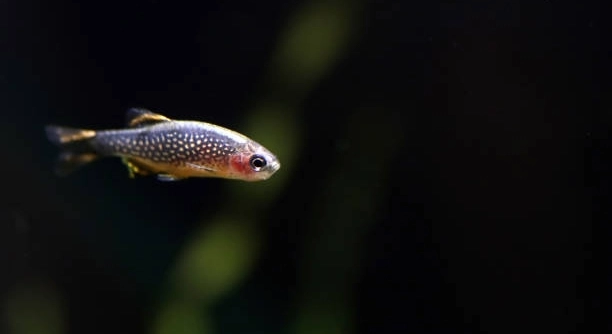
Feeding live food can add variety and stimulation to your pets’ diets, creating a more natural environment. Many owners seek ways to balance nutrition and activity while keeping their animals engaged and healthy every day.
Implementing structured feeding patterns with live food can enhance dietary intake and encourage natural behaviors. Rotating food types, adjusting portion sizes, and scheduling feeding times support optimal digestion, activity levels, and long-term health outcomes for pets that thrive on live prey.
Exploring different feeding patterns will help you understand which approaches best suit your pet’s needs and lifestyle. It can improve both their nutrition and overall well-being.
Daily Small Feedings
Feeding small amounts of live food daily helps maintain consistent energy and supports healthy metabolism. I started this routine with my gecko, and I noticed it became more active and alert. Daily feedings prevent overeating during a single session and reduce the risk of digestive issues. Rotating the type of live food keeps meals interesting and provides a range of nutrients. Timing is important—feeding at the same time each day helps animals anticipate and maintain a steady routine. Observation is key; watching their eating habits can guide adjustments to portion sizes. Smaller, frequent meals also mimic natural hunting behaviors, offering both physical activity and mental stimulation. Over time, this method can improve overall health, keep weight in check, and prevent food-related stress. Consistency in feeding patterns is often more impactful than the quantity of food offered, making daily small feedings a practical approach for many live food-consuming pets.
Daily feedings keep pets energetic and prevent overeating. Regular routines help monitor their health and ensure a balanced intake of nutrients.
This method is simple to implement. Start with small portions appropriate to the pet’s size, gradually adjusting as needed. Observe preferences and eating speed to avoid waste. Combining insects, worms, and other live options ensures a balanced diet. Over time, pets learn the schedule, reducing stress and encouraging natural behaviors.
Rotational Feeding Patterns
Rotating different live food types provides variety and nutritional balance.
Introducing a rotation schedule prevents reliance on a single food type. Some pets may prefer specific insects, but rotating ensures they receive essential nutrients from multiple sources. Start with a weekly plan, alternating between worms, crickets, and other suitable live prey. Keep track of reactions and digestion, adjusting amounts as needed. Rotation also stimulates curiosity and engagement, promoting mental enrichment while reducing boredom. Seasonal availability can influence choices, so flexibility is important. Using containers or feeding zones can simplify this process, making it easier to offer different types without mixing leftovers. This approach supports long-term health by minimizing dietary gaps and encouraging natural foraging behavior. Over time, rotation improves appetite, maintains weight, and enhances overall vitality. Pairing this with appropriate feeding frequency ensures your pets gain the full benefit of live foods while reducing monotony and promoting balanced nutrition.
Timed Feedings
Timing feedings helps regulate digestion and activity. I found my axolotl responds better when meals are predictable, reducing stress and improving appetite.
Feeding at consistent times encourages pets to anticipate food, which supports regular digestion and metabolism. For my gecko, I set morning and evening feeding windows, which created a steady routine. Timing can also prevent overeating; offering food too close together may cause digestive upset. Observing behavior during these times is crucial. Some pets may be more active at night, so adjusting schedules to their natural rhythms can improve feeding efficiency. Maintaining consistent timing also strengthens their natural foraging instincts, enhancing both physical activity and mental engagement.
Adjusting timing according to the pet’s behavior and activity levels ensures they are neither underfed nor overfed. Combining this with portion control supports long-term health and balanced growth while keeping their energy consistent throughout the day.
Prey Size Variation
Varying prey size keeps feeding stimulating and supports proper growth.
Offering a mix of small and large live foods ensures nutritional diversity and develops hunting skills. I rotate insects and worms of different sizes for my gecko, which improves its coordination and keeps feeding interesting. Prey size should match the pet’s size and age to prevent choking or digestion issues. Smaller prey can be offered more frequently, while larger options can be occasional meals, providing both challenge and nourishment. Watching how pets handle different sizes helps determine the right mix and ensures safe feeding practices. Size variation also mimics natural conditions, supporting physical and mental health over time.
This method encourages natural hunting behaviors while maintaining a balanced diet. Adjusting prey size according to growth stages or dietary needs ensures optimal nutrition and prevents food-related stress. Consistency in observation and adaptation is key to long-term success.
Live Food Only Days
Setting specific days for live food helps regulate nutrition and encourages natural hunting. I schedule two days a week for live insects, which keeps my gecko more active and engaged.
Live food only days allow pets to focus on movement and predatory skills. It reduces reliance on processed diets and helps monitor appetite, ensuring they remain motivated and alert.
Combined Feeding Approach
Mixing live food with prepared diets ensures balanced nutrition while providing stimulation. I use this method for my axolotl, offering live worms alongside high-quality pellets. This approach supports growth and health, giving the pet variety without compromising essential vitamins and minerals. Monitoring intake is key to maintain balance and avoid overfeeding.
Observation-Based Adjustments
Adjusting feeding routines based on behavior and appetite ensures long-term well-being. Regular observation allows timely changes in portion, frequency, or type of live food.
FAQ
How often should I feed live food to my pet?
The frequency of live feedings depends on the species, age, and size of your pet. For young reptiles or amphibians, daily feedings are usually necessary to support growth and energy needs. Adult pets may do well with every other day or a few times per week, depending on metabolism and activity levels. I found that maintaining a consistent schedule helps pets anticipate meals and remain active, which also makes monitoring their appetite easier. Adjusting frequency according to weight changes and overall health is important to avoid underfeeding or overfeeding.
What types of live food are safe?
Safe live foods vary by species but generally include crickets, mealworms, superworms, small roaches, and certain types of aquatic worms for amphibians. I always ensure that prey is appropriately sized and free from pesticides or harmful additives. Mixing multiple live food types can provide better nutrition, and rotating them helps prevent nutrient deficiencies. Avoid feeding wild-caught insects because they may carry parasites or toxins. Consulting care guides specific to your pet helps determine which options are safest and most beneficial.
How do I know the right portion size?
Portion size depends on your pet’s size, age, and activity level. A small juvenile may need only a few crickets, while an adult can handle several. I measure portions and watch how much is consumed in 10-15 minutes, removing leftovers to prevent spoilage. Overfeeding can lead to obesity, while underfeeding may stunt growth. Adjusting portions based on appetite and body condition ensures proper nutrition. Observation over time allows you to refine portions and match the pet’s changing needs.
Can live food improve behavior?
Yes, live food encourages natural hunting and exploration behaviors. I noticed that my gecko became more alert and engaged when offered live prey compared to pre-killed or pellet-only diets. Hunting exercises both the body and mind, reducing boredom and promoting mental stimulation. It also helps develop coordination and agility. Regularly providing live food in a structured routine can reinforce these behaviors and improve overall activity levels.
Is it necessary to gut-load live insects?
Gut-loading is highly recommended because it boosts the nutritional value of live prey. Feeding insects nutrient-rich foods before offering them ensures pets receive essential vitamins and minerals. I use vegetables, grains, or commercial gut-load formulas for my crickets and mealworms. Without gut-loading, live food may provide protein but lack critical nutrients like calcium and vitamins. This simple step prevents deficiencies, supports bone health, and promotes healthy growth.
What precautions should I take when feeding live food?
Safety is important when handling live prey. I separate uneaten insects after feeding to prevent stress or injury to the pet. I also inspect insects for size, health, and cleanliness before offering them. Washing hands thoroughly after handling live prey prevents potential contamination. I avoid wild insects and ensure commercial feeders are properly raised. Regular observation of eating habits helps detect issues early, like digestive problems or refusal of food, allowing for timely adjustments to the feeding plan.
Can live food cause digestive issues?
Digestive problems can occur if portions are too large, prey is inappropriate, or feeding frequency is inconsistent. I noticed that feeding oversized insects to my juvenile axolotl sometimes caused regurgitation. Offering appropriately sized prey, spacing feedings correctly, and monitoring stool quality minimizes digestive stress. Supplementing with gut-loaded insects and adjusting feeding routines as pets mature helps prevent problems and supports long-term gut health.
How do I transition pets to live food?
Some pets resist live prey at first. I started by offering smaller insects or lightly moving pre-killed food to mimic motion, which encouraged hunting. Gradually introducing different types and sizes helped build confidence and interest. Patience is key; forcing a pet can cause stress or refusal. Observing preferences and adjusting slowly ensures a smoother transition and successful adoption of live feedings.
Are there risks in overfeeding live food?
Overfeeding can lead to obesity, digestive strain, and reduced activity. I track portions and adjust based on the pet’s weight and body condition. Even healthy live food can become excessive if offered too often. Balancing live prey with observation and scheduled routines prevents negative health impacts and maintains long-term vitality.
Does the type of live food affect nutrient balance?
Yes, different live foods offer varied nutrients. Crickets provide protein and some fiber, while mealworms are higher in fat. I rotate foods to ensure a balanced intake of protein, fat, vitamins, and minerals. Gut-loading and occasional supplementation with calcium or vitamins may be necessary depending on species and diet. Consistent variety helps maintain optimal growth, energy, and overall health.
How do I store live food safely?
Proper storage prevents spoilage and disease. I keep crickets in ventilated containers with a substrate, food, and moisture source, while worms are stored in cool, dry conditions. Avoid overcrowding to reduce stress and mortality. Regular cleaning and removing dead insects maintain hygiene. Safe storage preserves nutritional value and ensures live food remains healthy and effective for feeding.
Can live food improve longevity?
Providing a balanced and varied live food diet supports long-term health, promoting vitality and longevity. I noticed my gecko stayed more active and maintained better weight when fed live prey regularly. Regular observation, proper portioning, and nutritional variety help prevent deficiencies and health problems, contributing to a longer, healthier life.
How do I handle picky eaters?
Picky pets may need gradual introduction, smaller prey, or slightly moving food to stimulate hunting instincts. I experimented with different insects and feeding techniques until preferences emerged. Offering variety, adjusting timing, and maintaining patience encourages acceptance over time. Observation and consistency are crucial for ensuring they receive adequate nutrition.
What is the best way to monitor health with live food?
Regular observation of eating habits, body condition, and stool quality indicates overall health. I note changes in appetite or behavior, which often signal dietary adjustments are needed. Keeping a log of feeding schedules and prey types helps track patterns and ensures pets receive balanced nutrition consistently.
Does live food help with weight management?
Live food encourages activity and prevents boredom eating, which supports weight control. I noticed my axolotl maintained a healthy weight when offered appropriately sized prey at consistent intervals. Balancing portions, monitoring intake, and providing hunting opportunities prevents under- or overfeeding and promotes overall physical fitness.
How long can live food be kept before feeding?
Shelf life depends on the species and storage conditions. Crickets and worms can last up to two weeks with proper care, including ventilation, food, and moisture. I check daily for dead or weak insects and remove them promptly. Fresh, active prey ensures pets receive maximum nutrition and reduces the risk of disease or spoilage.
Are supplements necessary when feeding live food?
Supplements may be required depending on the pet’s needs and prey variety. I dust insects with calcium or vitamins occasionally to prevent deficiencies, especially for growing or breeding animals. Observing health and consulting care guides ensures supplements are applied correctly without overdoing nutrients.
How do I know if my pet prefers certain live foods?
Observation is key. I notice which insects my gecko consistently targets first or consumes completely. Preferences may indicate nutritional needs or natural instincts. Rotating options while respecting preferences ensures balanced nutrition while keeping feeding engaging and stimulating.
Can live food reduce stress in pets?
Hunting and interacting with live prey can reduce boredom and stress. My axolotl shows more alertness and exploratory behavior when offered live worms, indicating mental stimulation. Structured feedings with variety support both physical activity and mental engagement, contributing to overall well-being.
What should I do if my pet refuses live food?
If refusal occurs, I try smaller prey, motion simulation, or mixing with familiar foods. Gradual exposure and patience often encourage acceptance. Observation and adaptation are essential to ensure nutrition is maintained without causing stress or health issues.
Final Thoughts
Feeding live food can significantly improve the health and well-being of pets that naturally hunt. Over the years, I have noticed that pets given live prey tend to be more active, alert, and engaged compared to those fed only pre-packaged or processed diets. Structured feeding patterns, including daily small feedings, rotational food types, and timed meals, help maintain consistent energy and proper digestion. Each pet responds differently, so observation is key. Adjusting portion sizes, prey types, and feeding frequency according to behavior and growth ensures the animal receives balanced nutrition. While it may take time to find the routine that works best, the benefits are clear: improved activity, stronger instincts, and better overall health. The process also allows owners to become more attuned to their pets’ individual needs, which is valuable for long-term care.
Consistency and variety are both essential components when offering live food. Rotating different insects or worms prevents nutrient gaps and reduces monotony, which can improve appetite and encourage natural behaviors. Gut-loading prey before feeding increases the nutritional value, supporting bone health and overall growth. Prey size and type should be carefully matched to the pet’s age and size to prevent digestive issues or injury. Observation-based adjustments are important; pets may require more or less food depending on activity levels, season, or health status. I found that combining live prey with occasional supplements or prepared diets helps maintain a balanced intake of essential nutrients. Feeding schedules and portion sizes may need to change over time, especially as pets grow, but maintaining a structured approach ensures stability and supports long-term wellness.
Live food feeding also contributes to mental stimulation and behavioral enrichment. Hunting live prey encourages movement, coordination, and problem-solving, which prevents boredom and reduces stress. Pets become more engaged with their environment and develop instincts that are often diminished with a static diet. Observing reactions to different prey types and feeding methods helps refine routines and enhances overall care. Safety and hygiene are important; separating uneaten prey, storing insects properly, and monitoring for digestive problems help prevent complications. Over time, incorporating live food thoughtfully strengthens health, activity, and natural behaviors while fostering a deeper understanding of your pet’s needs. Consistent attention, careful observation, and structured feeding patterns make live food a practical and beneficial choice for many pets.

Hello,
If you enjoy the content that we create, please consider saying a "Thank You!" by leaving a tip.
Every little bit helps us continue crafting quality advice that supports the health, happiness, and well-being of pets around the world, for pets of all shapes, sizes, and species.
We really appreciate the kindness and support that you show us!