
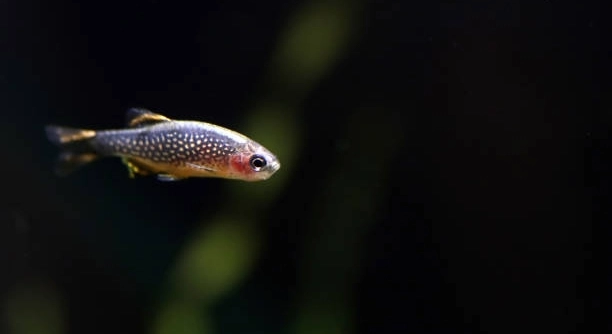
Do you enjoy keeping small freshwater fish but struggle with finding the right tank for delicate species like Celestial Pearl Danios? Many aquarists look for setups that keep these tiny fish safe and comfortable.
Low-flow tanks for Celestial Pearl Danios are designed to reduce strong currents, which can stress the fish and disturb their natural swimming patterns. Tanks with gentle filtration and minimal water movement provide a stable environment, promoting health, breeding, and natural behavior.
Choosing the right tank setup helps maintain water quality while creating a peaceful habitat for these beautiful fish to thrive.
Choosing the Right Tank Size
A proper tank size is essential for Celestial Pearl Danios to thrive. A 10-gallon tank is typically the minimum, but larger tanks allow more space for schooling behavior and reduce territorial stress. These small fish prefer to swim in groups, so crowding can lead to aggression or stunted growth. Tank dimensions should also accommodate decorations like plants, rocks, and hiding spots, which help create a natural environment. Shallow tanks work well because they maintain stable water parameters more easily than taller tanks. Additionally, a wider tank provides more horizontal swimming space, which aligns with their natural behavior in slow-flowing streams. Regular monitoring of water quality is easier in appropriately sized tanks, as fluctuations in ammonia, nitrites, or nitrates are less likely. The combination of sufficient swimming space, proper filtration, and adequate hiding places ensures that the Celestial Pearl Danios remain healthy, active, and stress-free. Careful planning of tank size is a foundational step for a successful low-flow setup.
A 10-20 gallon tank is ideal for small groups, offering space for swimming, decorations, and maintaining stable water conditions.
For larger setups, incorporating additional plants and driftwood can mimic their natural habitat. Using wide tanks ensures more surface area, which improves oxygen exchange. Pairing the right size with low-flow filtration reduces stress and supports breeding behavior.
Selecting Low-Flow Filtration
Low-flow filtration prevents strong currents that can overwhelm Celestial Pearl Danios. Gentle sponge filters or adjustable hang-on-back filters work well, providing clean water without disturbing swimming patterns.
Filters should be positioned to minimize direct flow into open swimming areas, allowing the fish to move freely without fighting currents. Sponge filters also offer additional biological filtration, which is essential for maintaining water quality in small tanks. Adjustable flow settings on hang-on-back filters give flexibility as the fish grow or as more decorations are added. Regular cleaning prevents debris buildup while maintaining beneficial bacteria. Using a filter that balances water movement with oxygenation creates a stable, healthy environment, helping reduce stress-related illnesses. Low-flow filtration also supports plant growth, as plants are less likely to be uprooted by strong currents. A calm tank promotes natural behaviors, including schooling and foraging, enhancing both the fish’s health and the visual appeal of the tank. Choosing the right filtration method is critical for long-term success.
Low-flow filters ensure gentle water movement, clean conditions, and a stress-free environment for Celestial Pearl Danios.
Proper filtration not only keeps water clean but also prevents excessive disturbance in a planted or decorated tank. Sponge filters are quiet, provide surface aeration, and allow small fish to explore without risk of injury. Placement of the filter should be considered carefully to avoid strong currents in key swimming areas. Maintenance routines should balance cleaning the filter with preserving beneficial bacteria. Low-flow systems reduce stress while supporting breeding behavior, and they help maintain a natural habitat feel. Combining gentle filtration with proper tank size and decorations creates a stable, healthy environment that encourages activity, growth, and coloration. Over time, these factors make the tank easier to manage and more enjoyable to observe.
Plant Selection for Low-Flow Tanks
Live plants improve water quality and offer hiding spots. Easy-to-grow options like Java Moss, Anubias, and Cryptocoryne thrive in low-flow tanks, providing a natural environment for Celestial Pearl Danios.
Dense planting reduces stress and gives fish places to explore. Floating plants can diffuse light and slow water surface movement, helping maintain calm conditions. Rooted plants stabilize the substrate and prevent debris accumulation, while mosses create grazing areas for microfauna, supplementing the fish diet. Choosing plants that tolerate low currents ensures they remain healthy and do not require constant maintenance. A mix of tall and short plants creates depth, making the tank visually appealing and functional. Proper plant care also supports water quality by absorbing excess nutrients and reducing algae growth, which keeps the tank balanced and healthy.
Plants should be arranged to leave open swimming space while still providing shelter. This balance encourages natural behavior and schooling.
Adding live plants improves oxygen levels, creates hiding spaces, and reduces stress. Mosses and floating plants enhance the tank environment naturally.
Substrate and Decorations
Fine sand or smooth gravel works best for Celestial Pearl Danios, preventing injury and allowing burrowing behavior. Rocks and driftwood offer hiding spots without creating strong currents.
Decorations should be strategically placed to create zones for swimming and shelter. Avoid overcrowding, as too many obstacles can limit movement. Driftwood adds texture and helps stabilize plants, while rocks provide resting points and visual interest. Rounded stones prevent accidental cuts, and layered substrate can support root growth for plants. Choosing neutral colors helps highlight the fish’s vibrant colors, and leaving open areas encourages schooling behavior. Soft substrate also supports spawning if breeding is desired, as these fish prefer gentle surfaces. Combining these elements ensures a balanced, visually appealing tank while maintaining a safe, low-flow environment. Proper arrangement contributes to the overall health and activity levels of the fish, reducing stress and promoting longevity.
A mix of sand, gravel, rocks, and driftwood creates a natural, safe environment.
Decorations should provide structure without limiting swimming. Rounded stones, driftwood, and layered substrate support plants, shelter, and fish activity naturally.
Lighting Considerations
Low-intensity lighting is ideal for Celestial Pearl Danios, as bright lights can stress them. LED or fluorescent lights with adjustable settings work well.
Providing a day-night cycle of around 8-10 hours helps maintain natural behavior. Plants also benefit from moderate lighting, promoting growth without overheating the tank.
Temperature and Water Parameters
Maintain a stable temperature between 72-78°F for optimal health. Sudden changes can cause stress and illness. Soft to moderately hard water with a pH of 6.5-7.5 suits these fish. Regular testing ensures the water stays within safe ranges, supporting long-term health.
Tank Mates
Peaceful, small species like rasboras, small tetras, or shrimp complement Celestial Pearl Danios well. Aggressive or large fish should be avoided.
Feeding Practices
Feed small, frequent portions of high-quality flake, micro-pellets, or live foods. Overfeeding can quickly degrade water quality.
FAQ
How many Celestial Pearl Danios should I keep in a tank?
These fish are social and should be kept in groups of at least six. Smaller groups may become shy or stressed, which can affect their health and coloration. Larger groups allow them to display natural schooling behavior, making the tank more lively and visually appealing.
What type of plants grow best in low-flow tanks?
Plants like Java Moss, Anubias, and Cryptocoryne are ideal. They tolerate gentle currents, require minimal maintenance, and provide hiding spots. Floating plants like Duckweed or Frogbit can soften lighting and reduce surface water movement, creating a calmer environment for the fish to explore.
Can I use sand or gravel as a substrate?
Both are suitable, but fine sand is preferred for spawning and safe swimming. Smooth gravel works as well if rounded to prevent injury. Avoid sharp or rough substrates that could damage their delicate fins. Layering substrates can support plant roots and improve the tank’s natural appearance.
What is the ideal temperature for these fish?
Celestial Pearl Danios thrive in water between 72-78°F. Maintaining a stable temperature is essential, as sudden fluctuations can stress them, leading to illness or weakened immune systems. Using a reliable heater and monitoring daily helps keep conditions consistent.
How should I feed Celestial Pearl Danios?
Offer small portions 2-3 times a day. High-quality flake, micro-pellets, and occasional live foods like daphnia or brine shrimp work best. Uneaten food should be removed to prevent water quality issues. Frequent small feedings mimic their natural foraging habits.
Can they live with other fish?
Yes, but tank mates should be peaceful and similar in size. Small tetras, rasboras, and shrimp are compatible. Avoid larger, aggressive fish that may harass or eat them. A community tank works well if space and hiding spots are sufficient.
How often should I change the water?
Weekly partial water changes of 20-30% help maintain water quality. Consistent changes prevent the buildup of nitrates and other harmful compounds. Using dechlorinated water at the same temperature as the tank avoids shocking the fish.
Do they require special lighting?
Moderate lighting is sufficient. LED or fluorescent lights with adjustable settings support plant growth without stressing the fish. Maintaining a day-night cycle of around 8-10 hours keeps them active and healthy. Too much light can cause stress and algae growth.
What kind of filtration is best?
Low-flow filters, such as sponge or adjustable hang-on-back filters, are ideal. These provide adequate filtration without creating strong currents. Gentle filtration ensures stable water quality, reduces stress, and supports natural behavior like schooling and exploration.
How can I encourage breeding in a low-flow tank?
Provide dense planting and soft substrates. Maintaining stable temperature and water quality helps. Feeding live or frozen foods can stimulate spawning behavior. A calm environment with plenty of hiding spots allows eggs to be laid safely and increases survival rates for fry.
Are there signs of stress I should watch for?
Lethargy, faded colors, hiding excessively, or erratic swimming indicate stress. Stress may result from strong currents, poor water quality, or incompatible tank mates. Addressing these factors quickly ensures the fish remain healthy and active.
Can they live in planted tanks only, without decorations?
Yes, if plants are dense enough to provide shelter. Mosses, floating plants, and taller species offer hiding areas. Decorations are optional as long as fish have safe zones, swimming space, and stable water conditions.
How do I maintain water parameters in a low-flow tank?
Regular testing of pH, hardness, ammonia, nitrites, and nitrates is key. Gentle filtration and partial water changes keep water stable. Avoid overcrowding and overfeeding to minimize fluctuations and maintain a healthy environment for Celestial Pearl Danios.
Are Celestial Pearl Danios suitable for beginners?
They are generally hardy and low-maintenance if basic needs are met. Ensuring proper tank size, stable water conditions, and peaceful tank mates is important. With attention to feeding and environment, they can thrive even for those new to freshwater fish keeping.
What is their typical lifespan?
With proper care, they can live up to 5 years. Lifespan depends on diet, water quality, stress levels, and overall tank conditions. Providing a low-flow, well-planted environment contributes significantly to their longevity.
Can I keep them in a nano tank?
Yes, a small 10-gallon tank works for a small group. Ensure the tank has stable water parameters, low flow, and hiding spots. Avoid overcrowding, as stress can affect health and behavior in confined spaces.
How do I prevent algae in low-flow tanks?
Moderate lighting, live plants, and proper feeding routines help control algae growth. Avoid overfeeding and maintain regular water changes. Algae-eating species, like certain snails or shrimps, can assist in keeping surfaces clean.
Is CO2 supplementation necessary?
CO2 is not required for Celestial Pearl Danios. Low-maintenance plants like Anubias or Java Moss thrive without it. Supplemental CO2 is optional if you want faster plant growth but is not essential for fish health.
Can they handle slightly stronger currents if needed?
They prefer calm water, but minimal additional flow may be tolerated. Strong currents can cause stress and hinder natural swimming. Adjustable filters allow fine-tuning to maintain gentle water movement that suits both plants and fish.
Do they need hiding spots even in planted tanks?
Yes, even dense plants don’t always provide enough shelter. Rocks, driftwood, and small caves offer safe areas for resting, reducing stress and promoting natural behavior. These additions make the tank more dynamic and comfortable for schooling fish.
How do I safely acclimate new fish?
Float the bag in the tank for 15-20 minutes to equalize temperature. Gradually mix tank water into the bag over 30-60 minutes before release. This reduces shock and allows the fish to adjust to new water parameters safely.
What is the best way to clean a low-flow tank?
Perform partial water changes weekly and clean the substrate gently with a siphon. Avoid disrupting plants or beneficial bacteria in the filter. Remove debris and uneaten food carefully to maintain water quality without creating strong currents.
How often should I check water quality?
Test at least once a week. Monitor ammonia, nitrites, nitrates, pH, and hardness to ensure stability. Early detection of changes allows prompt action, keeping fish healthy and minimizing stress.
Are Celestial Pearl Danios aggressive?
They are peaceful and rarely show aggression. Aggression may occur if the group is too small or if they are housed with larger, more dominant fish. Maintaining proper group size and compatible tank mates prevents conflicts.
Can they tolerate cooler temperatures?
They prefer stable tropical temperatures. Occasional minor dips are tolerated, but prolonged exposure to cooler water can stress them and increase susceptibility to disease. Consistent heating is recommended for optimal health.
Do they require special care for breeding?
Provide soft substrates, dense plants, and stable water conditions. Feeding high-quality live or frozen foods can trigger spawning. Eggs should be left undisturbed, and fry can be raised in a separate nursery if desired. Maintaining calm, low-flow conditions increases success.
What is the easiest way to maintain a planted low-flow tank?
Combine low-flow filtration, moderate lighting, regular partial water changes, and minimal handling of plants. Prune plants as needed and monitor water parameters. Consistent routines and gentle care keep both fish and plants healthy without excessive effort.
How do I manage tank decoration without stressing the fish?
Arrange decorations to create swimming zones and hiding spots. Avoid placing items in high-traffic areas. Rounded rocks, driftwood, and layered substrates provide structure while keeping water flow gentle. Regularly check for sharp edges or unstable pieces.
Can I use chemical water treatments in a low-flow tank?
Yes, but sparingly. Dechlorinators and conditioners are safe if used according to instructions. Avoid overuse, which can disrupt biological filtration and plant health. Always monitor water parameters after treatment.
Are they compatible with shrimp and snails?
Yes, small peaceful shrimp and snails coexist well. They help maintain cleanliness without threatening the fish. Avoid larger or aggressive invertebrates that could compete for food or disturb hiding spaces.
How do I prevent fin damage?
Use smooth substrates, rounded decorations, and low-flow filtration. Avoid overcrowding and aggressive tank mates. Healthy fins indicate good water quality, low stress, and proper nutrition, contributing to overall fish well-being.
What are signs of illness in Celestial Pearl Danios?
Symptoms include lethargy, clamped fins, faded colors, abnormal swimming, or loss of appetite. Early detection and treatment are essential. Maintain water quality, reduce stressors, and isolate affected fish if needed to prevent spread.
How long does it take for them to settle into a new tank?
Most adjust within a week, though full acclimation may take 2-3 weeks. Providing hiding spots, proper water conditions, and minimal disturbance helps them feel secure and encourages natural behavior.
Can low-flow tanks support breeding naturally?
Yes, gentle water movement, dense plants, and proper nutrition create suitable conditions. Calm areas allow eggs to be laid and protected. Monitoring water quality and providing soft substrates supports fry survival and reduces stress during spawning.
Do they need live or frozen food regularly?
Live and frozen foods are not required daily but improve health and color. A varied diet of high-quality flakes or micro-pellets with occasional live or frozen foods ensures proper nutrition and stimulates natural foraging behavior.
What is the best way to arrange plants and decorations?
Place taller plants at the back, shorter ones in the foreground, and decorations to create zones. Leave open swimming spaces and ensure hiding spots are accessible. This layout balances aesthetics, fish activity, and low-flow requirements, promoting a healthy, natural environment.
How often should I prune plants?
Trim fast-growing plants weekly or biweekly to prevent overcrowding. Remove dead leaves to maintain water quality. Pruning encourages healthy growth and ensures open swimming areas for Celestial Pearl Danios, keeping the tank visually balanced and functional.
Are there any specific water tests I should perform?
Test for ammonia, nitrites, nitrates, pH, and hardness weekly. Consistent monitoring allows early detection of imbalances, preventing stress or illness. Adjustments should be gradual to maintain stable conditions and promote fish health.
Can Celestial Pearl Danios live in a planted nano tank long-term?
Yes, with proper care. Ensure a group of at least six, stable water parameters, low-flow filtration, and dense plants. Monitor feeding and water quality consistently to maintain a safe, healthy environment.
Do they prefer calm or slightly moving water?
They thrive in calm water. Minimal flow is acceptable, but strong currents can stress the fish. Low-flow setups mimic their natural habitat, supporting schooling, foraging, and breeding behavior while reducing energy expenditure.
Is it necessary to quarantine new fish?
Yes, quarantining for 2-4 weeks helps prevent disease introduction. Observe for signs of illness, maintain clean conditions, and treat if necessary. Quarantine protects both existing fish and the overall tank environment.
How do I know if the tank is too crowded?
Signs include aggressive behavior, hiding, poor coloration, or stunted growth. Follow recommended stocking guidelines based on tank size. Overcrowding increases stress, reduces water quality, and can negatively impact health and longevity.
Can they tolerate slightly acidic or alkaline water?
They adapt to pH between 6.5 and 7.5. Minor deviations are tolerated if changes are gradual. Sudden shifts outside this range can cause stress and health issues. Maintaining stable conditions is more important than hitting an exact number.
Are Celestial Pearl Danios sensitive to light cycles?
Yes, an 8-10 hour day-night cycle supports natural behavior. Consistent lighting prevents stress and encourages activity. Use timers to maintain a regular schedule and avoid sudden changes in brightness.
Do they need additional hiding places besides plants?
Yes, rocks, caves, or driftwood provide extra shelter. Even dense planting may not offer enough protection, especially for shy individuals. Hiding spots reduce stress and encourage natural exploration and schooling behavior.
How long should I float new fish in the tank?
Float the bag for 15-20 minutes to equalize temperature. Gradually mix tank water over 30-60 minutes before release. This method minimizes stress and helps the fish acclimate to new water conditions safely.
Can I keep only male or only female groups?
Yes, but a mix is preferable for natural social interaction. Single-gender groups may display slightly different behavior but can thrive if group size is sufficient and tank conditions are ideal.
What is the best way to introduce them to an existing tank?
Acclimate slowly using temperature equalization and gradual water mixing. Place them in a low-traffic area initially. Monitor interactions with current inhabitants to prevent stress or territorial disputes.
Are they compatible with small snails and shrimp?
Yes, peaceful invertebrates coexist well. They can aid in cleaning and add interest. Avoid aggressive species that may harm the fish or compete for food and hiding spaces.
Do they need a sand layer for breeding?
Yes, soft sand supports egg-laying. Fine substrates prevent damage to eggs and fry, making it easier to manage successful breeding in a low-flow environment.
Can they live without live plants?
Yes, artificial plants can provide shelter, but live plants improve water quality, oxygen levels, and offer grazing surfaces for microfauna, enhancing natural behaviors and tank aesthetics.
Is low-flow filtration necessary?
Yes, gentle filtration prevents stress and preserves natural swimming patterns. Low-flow setups also support plant growth and maintain stable water conditions, creating a healthy, balanced environment for Celestial Pearl Danios.
Do they require frequent water changes?
Weekly partial changes of 20-30% maintain water quality. This helps control nitrates, reduces stress, and supports plant health, keeping both fish and tank stable.
Can they tolerate temporary strong currents?
No, sustained strong currents cause stress. Occasional minor increases are manageable, but prolonged exposure should be avoided. Gentle water movement is preferred to maintain natural behavior and overall health.
How do I prevent aggressive behavior in a group?
Maintain at least six fish, provide hiding spots, and avoid overcrowding. Peaceful tank mates and a calm environment reduce territorial disputes and support natural schooling behavior.
Are they hardy fish?
They are relatively hardy if provided with stable conditions, proper diet, and low-stress environments. Attention to water quality, tank size, and group dynamics ensures long-term health and coloration.
Can they tolerate a community tank?
Yes, with small, peaceful species. Avoid large, aggressive fish. Proper tank size, hiding spots, and low-flow conditions allow them to coexist safely in a community environment.
Do they need special care in winter?
Indoor tanks require stable temperatures year-round. No additional care is needed if heating and lighting remain consistent. Sudden drops in temperature should be avoided to prevent stress.
How do I manage feeding in a community tank?
Feed small portions frequently, ensuring all fish receive food. Remove uneaten portions promptly to maintain water quality and prevent competition-related stress among Celestial Pearl Danios and tank mates.
Are there seasonal changes in behavior?
They may become more active during warmer periods or breeding times. Maintaining consistent water parameters reduces stress and allows natural behavior patterns without negative impact on health.
Can I keep them with bettas?
It is not recommended. Bettas can be aggressive toward smaller fish, causing stress or injury. Choose peaceful, small species for compatibility instead.
Do they require specific tank shapes?
Wide tanks are preferred to provide horizontal swimming space. Height is less critical, but sufficient depth is needed for plants and hiding spots. A well-planned layout supports natural behavior and reduces stress.
How long do they take to reach full color?
Color develops as fish mature, usually within 6-12 months. Proper diet, low-stress conditions, and stable water parameters accelerate coloration and maintain vibrancy throughout adulthood.
Can I use tap water directly?
No, always treat tap water with dechlorinator. Check for heavy metals or impurities if local water quality is poor. Properly conditioned water ensures safe and stable conditions for fish and plants.
How do I avoid overfeeding?
Offer small portions that fish consume within a few minutes. Remove uneaten food promptly and adjust feeding frequency based on fish appetite. Overfeeding leads to water quality issues and stress.
Are they sensitive to tank maintenance?
Yes, sudden changes in water, substrate, or decorations can stress them. Gentle handling, gradual changes, and careful observation prevent negative impacts on health and behavior.
Can low-light tanks work for them?
Yes, as long as plants survive and fish can navigate. Moderate lighting is sufficient to maintain natural activity and plant health without causing stress.
Do they need additional aeration?
Not if low-flow filtration provides adequate surface agitation. Calm tanks may benefit from slight movement to ensure oxygen exchange without creating strong currents.
How do I encourage schooling behavior?
Keep at least six fish together, provide open swimming space, and minimize stressors. Dense planting and hiding spots allow safe retreat, supporting natural coordinated movement.
Are there any common mistakes to avoid?
Overcrowding, strong currents, poor water quality, and aggressive tank mates are common issues. Consistent maintenance, proper tank setup, and observation prevent problems and ensure healthy, active fish.
Can they live with small tetras or rasboras?
Yes, these species are compatible. They share similar water requirements and peaceful temperaments, creating a harmonious, visually appealing community tank environment.
Do they require any supplements?
No specific supplements are needed if diet is varied and water quality is maintained. Occasional treats of live or frozen foods enhance nutrition and coloration.
What is the best way to monitor tank health?
Regular water testing, observation of fish behavior, and plant condition provide insight into tank stability. Early detection of issues allows quick correction, preventing stress or illness.
How long do they need to acclimate after water changes?
Minimal adjustment is needed if changes are partial and water parameters are similar. Sudden large changes should be avoided to prevent stress and behavioral disturbances.
Are they sensitive to noise or vibration?
Yes, excessive noise or vibration can cause stress. Place the tank in a stable, quiet area, away from heavy foot traffic or appliances, to maintain a calm environment.
Can low-flow tanks support other schooling fish?
Yes, gentle schooling fish like small tetras or rasboras can coexist. Low-flow conditions provide a safe environment for coordinated swimming without creating stress or competition.
Do they need hiding places during the day or night?
Both. Hiding spots offer security at all times, allowing fish to
Celestial Pearl Danios are small, peaceful fish that thrive in low-flow tanks with careful planning. Choosing the right tank size, around 10 to 20 gallons for a small group, ensures they have enough swimming space and helps maintain stable water conditions. A tank that is too small can lead to stress and health problems, while a larger tank provides room for schooling behavior and decorations like plants and driftwood. Dense planting, along with hiding spots created by rocks or driftwood, supports natural behavior and reduces stress. Floating plants or mosses can diffuse light and create calmer areas for swimming, making the environment more comfortable. A wide tank rather than a tall one allows horizontal swimming space, which is important for their natural movements. Proper substrate, such as fine sand or smooth gravel, provides safe surfaces for swimming and spawning, while layered substrates help plants grow and maintain a natural-looking layout.
Filtration and water parameters are crucial for keeping Celestial Pearl Danios healthy. Low-flow filters, like sponge or adjustable hang-on-back filters, clean the water without creating strong currents that could stress the fish. Regular partial water changes, typically 20-30% weekly, help maintain water quality by removing excess nitrates and debris. Maintaining a stable temperature between 72-78°F and water parameters with a pH of 6.5-7.5 and soft to moderately hard water keeps the fish comfortable. Monitoring these conditions ensures that the tank remains a healthy environment for the fish and for live plants, which also help maintain water quality. Avoid overcrowding and overfeeding, as these can quickly degrade water conditions and stress the fish. By balancing filtration, water changes, and tank stocking, the overall health and activity of the fish are maintained.
Feeding and tank companions also influence the well-being of Celestial Pearl Danios. Offering small, frequent portions of high-quality flake, micro-pellets, and occasional live or frozen foods mimics natural foraging and supports proper nutrition. Choosing peaceful, similarly sized tank mates like small tetras, rasboras, or shrimp ensures the fish are not stressed by aggressive neighbors. Careful arrangement of plants, hiding spots, and decorations encourages natural schooling and exploration. Attention to all these details—tank size, substrate, filtration, water parameters, feeding, and companions—creates a balanced environment that allows Celestial Pearl Danios to display their natural colors and behaviors. When these elements are managed properly, these small fish can live a long, active life in a calm, low-flow tank that is both functional and visually appealing.

Hello,
If you enjoy the content that we create, please consider saying a "Thank You!" by leaving a tip.
Every little bit helps us continue crafting quality advice that supports the health, happiness, and well-being of pets around the world, for pets of all shapes, sizes, and species.
We really appreciate the kindness and support that you show us!