
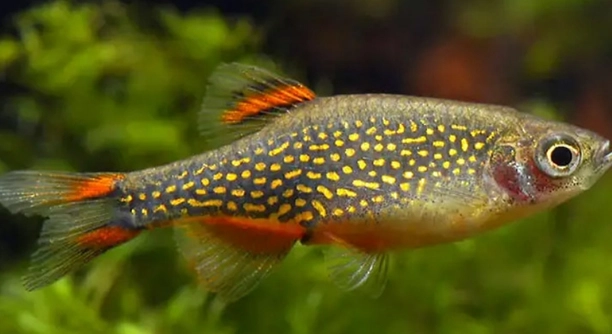
Danios are lively fish that react quickly to changes in their environment. Observing them over hours can reveal how sensitive they are to the water around them. These small fish rely on stable conditions to stay healthy.
Danios respond to seven key water statistics within hours, including temperature, pH, ammonia, nitrite, nitrate, hardness, and oxygen levels. Monitoring and adjusting these factors promptly ensures their well-being and supports optimal physiological function.
Learning how these water stats affect your danios helps you maintain a healthy aquarium and prevents stress-related problems. It is essential for keeping your fish thriving and active.
Temperature Sensitivity
Danios are highly responsive to water temperature changes. Even a few degrees difference can alter their swimming patterns, feeding habits, and overall activity. Ideal water temperature for most danios is between 72 and 78 degrees Fahrenheit. Temperatures outside this range can cause stress, reduce immunity, and make them more susceptible to disease. Rapid shifts in temperature can be particularly harmful, as danios need time to acclimate gradually. Using a reliable aquarium heater and thermometer helps maintain a stable environment. Observing how your fish react to minor temperature adjustments can give you insight into their comfort level. Some danios become sluggish when water is too cold, while others may dart nervously if it is too warm. Maintaining a consistent temperature also supports proper metabolic function and growth. Small fluctuations are less damaging than sudden spikes, making daily monitoring essential. Temperature control is a fundamental step in ensuring your danios remain healthy and active.
Keeping temperature steady prevents unnecessary stress and promotes healthy behavior in danios.
Monitoring temperature closely ensures your danios thrive, remain active, and display normal feeding patterns without added stress.
pH and Water Hardness
Danios prefer slightly alkaline water, typically in the pH range of 6.5 to 7.5. Maintaining this balance prevents behavioral changes, including erratic swimming or reduced appetite. Water hardness also influences their health by affecting mineral absorption, which is crucial for growth and overall vitality.
Testing pH and hardness regularly helps identify subtle shifts before they impact your fish.
Adjusting pH can be done gradually using natural buffers or commercial products, ensuring sudden changes do not shock your fish. Hardness can be managed through a mix of distilled and tap water or specific mineral additives. Consistent monitoring allows you to spot trends over days or weeks, helping maintain a stable environment. Observing danios’ activity can indicate whether adjustments are needed, as they react quickly to imbalances. Keeping these factors steady supports optimal metabolism, coloration, and immune function, reducing the likelihood of stress-related illness. Proper pH and hardness management is a key part of long-term aquarium care.
Ammonia Levels
Ammonia in aquariums is highly toxic to danios. Even small amounts can irritate their gills, reduce appetite, and cause lethargy. Regular testing is essential to detect spikes early.
High ammonia levels often result from overfeeding or infrequent water changes. Ammonia builds up quickly in small tanks, stressing fish within hours. Filtration helps remove some ammonia, but relying solely on equipment is risky. A combination of partial water changes, careful feeding, and live plants can reduce ammonia naturally. Observing danios’ behavior, such as gasping at the surface or erratic swimming, often signals high ammonia. Prompt action, including water replacement and ammonia-neutralizing treatments, is necessary to prevent long-term damage. Maintaining safe ammonia levels ensures your danios remain active and healthy.
Danios exposed to high ammonia may experience weakened immune systems. Early detection and consistent maintenance prevent severe health issues and ensure stable, safe water conditions for their well-being.
Nitrite Concentration
Nitrite is dangerous to danios even at low levels, interfering with oxygen transport in their blood. Regular monitoring prevents sudden health problems. Maintaining proper biological filtration helps convert nitrite into less harmful nitrate efficiently.
Nitrite accumulation often occurs in new or under-cycled tanks. Even with experienced care, sudden spikes can happen after cleaning filters or adding many fish. Nitrite affects their respiratory system, causing rapid gill movement and listlessness. Partial water changes and adding salt can reduce nitrite stress temporarily, but the long-term solution relies on established beneficial bacteria. Testing water daily during early stages or after disturbances ensures nitrite remains at safe levels. Observing your danios’ reactions can help identify issues before visible health problems appear. Managing nitrite carefully supports growth, vitality, and normal behavior.
Nitrate Levels
High nitrate can stress danios over time, affecting their growth and coloration. Regular water changes help maintain safe levels and prevent long-term health problems.
Keeping nitrate below 40 ppm is ideal. Using live plants and avoiding overfeeding also helps control buildup naturally, supporting a stable aquarium environment.
Oxygen Availability
Danios rely on sufficient oxygen in the water for normal activity and metabolism. Low oxygen levels can lead to rapid gill movement, lethargy, and gasping at the surface. Ensuring good water circulation and avoiding overcrowding helps maintain consistent oxygenation.
Aquarium Maintenance
Regular cleaning and partial water changes are essential for healthy water parameters. Removing debris, vacuuming substrate, and monitoring filter performance ensures a stable environment. Consistent maintenance prevents spikes in ammonia, nitrite, and nitrate, which can affect danios within hours. Proper care allows your fish to thrive, swim actively, and remain stress-free.
Behavioral Changes
Danios quickly show signs of stress or discomfort when water conditions are poor. Observing activity patterns helps detect potential issues early, allowing timely corrective actions.
FAQ
How quickly do danios react to water changes?
Danios are sensitive to sudden shifts in water parameters. They can show noticeable behavioral changes within hours. Signs include increased swimming activity, darting around the tank, or resting near the surface. Even minor fluctuations in temperature, pH, or chemical levels can trigger these responses. Consistent monitoring and gradual adjustments are essential to avoid stressing them. Sudden large changes can cause long-term health effects, so small, incremental changes are safest. Observing their behavior closely after any water change helps ensure that conditions remain stable.
What is the safest temperature range for danios?
Most danios thrive in water between 72 and 78 degrees Fahrenheit. Temperatures below 70 can slow metabolism and reduce appetite, while temperatures above 80 can increase stress and susceptibility to disease. Gradual adjustments using a reliable heater or thermometer allow danios to acclimate safely. Rapid changes can lead to shock, affecting swimming behavior and immune response. Maintaining a consistent temperature ensures proper feeding patterns, active movement, and overall health. Keeping the water stable is more important than hitting an exact number.
How often should I test ammonia, nitrite, and nitrate?
Testing water daily or at least every few days is ideal, especially in new tanks or after adding fish. Ammonia and nitrite can become toxic within hours, while nitrate builds up more slowly but still affects long-term health. Using reliable test kits helps track these levels accurately. Observing danios’ behavior, such as lethargy, gasping, or erratic swimming, can indicate spikes even before test results show them. Regular testing allows prompt interventions through partial water changes or chemical adjustments. Consistency prevents stress and promotes long-term health.
Can danios adapt to slightly off pH levels?
Danios tolerate pH fluctuations within a small range, roughly 6.5 to 7.5. Minor variations are usually manageable if changes are gradual. Sudden swings outside this range can cause stress, reduce feeding, and alter swimming patterns. Adding buffers slowly or blending tap and treated water helps adjust pH safely. Observing color, behavior, and activity levels can indicate whether the water conditions are acceptable. Long-term stability is more important than precise numbers, and small, consistent adjustments prevent negative health effects.
What signs show low oxygen levels?
Danios in low-oxygen water often gasp at the surface or swim near areas with higher circulation. Rapid gill movement, reduced activity, and clustering around filter outlets are also common indicators. Ensuring adequate water movement and avoiding overcrowding prevents oxygen depletion. Adding air stones or increasing surface agitation can improve oxygenation. Early recognition allows intervention before permanent stress or health decline occurs. Observing your fish daily helps catch oxygen issues before they affect behavior or overall vitality.
How can I prevent rapid chemical spikes in the tank?
Regular water changes, proper feeding, and maintaining live plants help keep ammonia, nitrite, and nitrate stable. Avoid overstocking and clean debris from the substrate. Using high-quality filtration ensures that waste is removed efficiently. Gradual adjustments when adding new fish or water prevent sudden chemical changes. Observing danios’ behavior gives immediate clues about water quality issues. Taking these steps consistently reduces the risk of stress or illness caused by rapid parameter shifts, keeping the tank stable and fish healthy.
Why do danios behave erratically sometimes?
Erratic behavior usually signals stress from water quality, temperature, or oxygen issues. Sudden darting, hiding, or gasping can appear within hours of a problem. Checking all water parameters, circulation, and tank conditions helps identify the cause. Prompt adjustments restore normal behavior. Stress also weakens the immune system, so observing and correcting environmental issues quickly prevents long-term effects. Behavioral cues are often the first signs of imbalance and should never be ignored.
Is it necessary to use chemical additives regularly?
Chemical additives can help correct specific imbalances but should not replace consistent maintenance. Overuse can create new stress for danios. It’s better to rely on water changes, proper feeding, and filtration to maintain stability. Additives are best used sparingly, for emergencies or short-term corrections, rather than routine practice. Observing fish behavior and testing water parameters first determines whether an additive is necessary. Careful use supports health without introducing additional stress or chemical fluctuations.
How can I tell if water hardness is affecting my danios?
Changes in water hardness can influence mineral absorption, growth, and coloration. If water is too soft or too hard, you may notice reduced activity, pale colors, or unusual swimming patterns. Testing hardness and adjusting gradually with minerals or water blending can help. Consistency is key, and sudden shifts should be avoided. Monitoring fish response after adjustments ensures the changes are beneficial. Stable water hardness supports normal metabolism and overall vitality.
What is the best routine for long-term water stability?
Consistent partial water changes, substrate cleaning, and regular parameter testing form the foundation of long-term stability. Observing danios daily for behavior changes helps detect subtle issues early. Maintaining proper temperature, oxygen, pH, and chemical balance prevents stress and promotes active, healthy fish. Gradual adjustments when needed reduce the risk of shock. Keeping a predictable routine ensures danios remain energetic, vibrant, and resilient to minor environmental fluctuations. This routine minimizes emergencies and creates a safe, thriving tank environment over months and years.
Danios are small but remarkably sensitive fish that react quickly to changes in their environment. Their health and activity are directly influenced by the quality and stability of their water. Even small fluctuations in temperature, pH, or chemical levels can affect their swimming behavior, appetite, and overall well-being. Observing danios closely over hours allows you to notice these subtle reactions, which can serve as early warning signs of stress or imbalance. Maintaining a stable and clean aquarium environment is essential for their growth and vitality. Simple steps like regular water testing, partial water changes, and monitoring filtration performance play a major role in keeping your danios healthy. By paying attention to these factors, you can ensure that your fish are active, colorful, and stress-free.
Temperature control is one of the most critical aspects of caring for danios. They thrive in a consistent range between 72 and 78 degrees Fahrenheit, and even small deviations outside this range can affect their metabolism and behavior. Alongside temperature, factors like ammonia, nitrite, nitrate, and oxygen levels must be monitored closely. These chemical parameters can shift rapidly, sometimes within a few hours, which is why daily or frequent testing is important. Overfeeding, overcrowding, or inconsistent cleaning routines can contribute to spikes in harmful chemicals, so consistent maintenance is essential. Observing your danios’ behavior often gives you immediate clues about water quality, such as increased gill movement, erratic swimming, or reduced activity. Paying attention to these signals and responding promptly can prevent long-term health problems.
Beyond the chemical and physical parameters, proper care also involves maintaining stable water hardness and pH. Danios are adaptable within a moderate range, but sudden changes can stress them and affect their metabolism and immune system. Gradual adjustments, combined with careful monitoring, allow them to acclimate safely and maintain normal behavior. Behavioral changes are often the first indication of an environmental issue, so noticing any unusual patterns is important. By combining consistent observation with regular maintenance and careful water management, you create an environment where danios can thrive. Stable conditions, attentive care, and timely interventions ensure that your fish remain active, healthy, and vibrant over time, allowing them to display their natural behavior and coloration without unnecessary stress.

Hello,
If you enjoy the content that we create, please consider saying a "Thank You!" by leaving a tip.
Every little bit helps us continue crafting quality advice that supports the health, happiness, and well-being of pets around the world, for pets of all shapes, sizes, and species.
We really appreciate the kindness and support that you show us!