
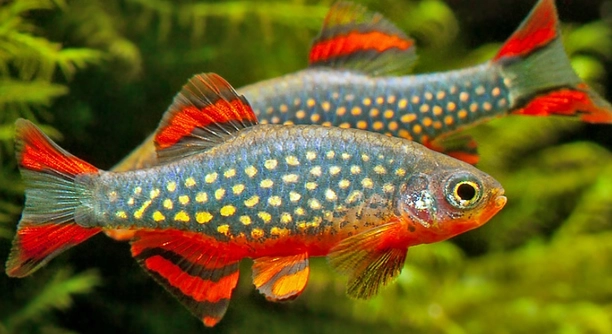
Are your danios frequently gasping at the water surface, leaving you concerned about their well-being? Observing this behavior can be unsettling, as it often indicates that something in their environment or health may need attention.
Gasping at the surface in danios is typically caused by low oxygen levels, poor water quality, overcrowding, temperature fluctuations, disease, parasites, or improper diet. Identifying the root cause allows for timely intervention to maintain optimal fish health.
Understanding these causes is essential for ensuring your danios thrive. Proper care and attention can prevent further stress and promote a healthier aquarium environment.
Low Oxygen Levels
Danios rely on oxygen dissolved in the water to breathe properly. When oxygen levels drop, they often swim to the surface and gasp. Low oxygen can occur due to poor water circulation, lack of aeration, or excessive organic matter in the tank. Plants and decorations that block water movement can also contribute. Overcrowding makes the problem worse, as more fish consume oxygen faster than it can be replenished. Keeping the tank clean and ensuring adequate water movement is essential. Aeration devices like air stones or sponge filters help maintain steady oxygen levels. Temperature also plays a role because warmer water holds less oxygen, so sudden increases can stress your fish. Observing your danios’ behavior and water quality regularly prevents prolonged oxygen deficiency and keeps them healthy.
Addressing oxygen issues early prevents long-term health problems and reduces stress in your fish. Maintaining proper circulation and aeration is key.
Regular water testing for oxygen levels, combined with cleaning routines and proper aeration, ensures your danios remain active and healthy. Observing changes in swimming behavior is an effective early warning sign.
Poor Water Quality
Dirty or imbalanced water causes danios to gasp at the surface. Frequent water changes and filtration are necessary to keep conditions stable.
Water quality issues like high ammonia, nitrite, or nitrate levels directly affect gill function. Uneaten food and waste accumulate, increasing toxins. Filtration removes debris but also requires maintenance to stay effective. Performing partial water changes weekly helps maintain safe chemical levels. Monitoring pH, hardness, and temperature ensures your danios remain comfortable. Avoid overfeeding, as leftover food contributes to poor water quality. Adding live plants can assist by absorbing nitrates and improving oxygen levels. Even with proper filtration, testing kits help identify chemical imbalances before they harm your fish. Maintaining consistent water parameters prevents chronic stress and reduces susceptibility to disease, keeping your danios lively and active.
Attention to cleaning routines, careful monitoring of water parameters, and responsible feeding practices are crucial for a healthy tank environment. Poor water quality is a preventable cause of gasping.
Overcrowding
Overcrowded tanks reduce available oxygen and increase waste, causing danios to gasp at the surface. Limiting the number of fish helps maintain healthier water and reduces stress.
Too many fish in a tank creates competition for oxygen and space. High density increases ammonia and nitrite buildup, which harms gill function and overall health. Danios are active swimmers and need room to move freely. Crowding also leads to aggressive behavior, further stressing fish and affecting their immune system. Maintaining a balanced fish-to-tank ratio ensures adequate oxygen and reduces toxic buildup, making the aquarium a safer environment.
Providing enough space for each danio allows them to swim comfortably and reduces stress-related gasping. Regular monitoring of population density and water parameters keeps the tank stable. Adding new fish should always consider current capacity to prevent overpopulation and long-term health issues.
Temperature Fluctuations
Sudden changes in water temperature can shock danios and make them gasp for air. Keeping temperature stable is crucial for their well-being.
Temperature swings affect oxygen levels and fish metabolism. Warmer water holds less oxygen, causing danios to surface more often. Rapid cooling can stress their immune system, making them vulnerable to infections. Using a reliable heater and thermometer helps maintain consistent temperatures. Even minor fluctuations throughout the day can create stress if they occur frequently. Stability in temperature supports normal respiration, feeding, and overall activity levels in danios, preventing gasping behaviors caused by environmental stress.
Maintaining a controlled temperature range helps danios adapt comfortably. Combining steady heat with regular monitoring reduces sudden shocks. Consistent environmental conditions also promote healthy growth and reduce the likelihood of disease caused by stress.
Disease
Danios can gasp at the surface when affected by bacterial or fungal infections. Early detection and treatment are important to prevent severe health issues.
Maintaining clean water and observing fish regularly helps catch disease early. Quarantining new fish reduces the risk of introducing infections to the tank.
Parasites
Parasites can irritate gills and skin, causing danios to breathe heavily at the surface. Treating the tank promptly reduces stress and prevents the spread to other fish.
Improper Diet
A poor diet weakens danios and can contribute to gasping behavior. Providing balanced nutrition supports strong gill function and overall health.
Why are my danios gasping at the surface?
Gasping at the surface usually indicates that your danios are struggling to get enough oxygen. Low oxygen levels, poor water quality, overcrowding, or sudden temperature changes are the most common reasons. Observing their environment carefully and monitoring water parameters can help pinpoint the exact cause.
How can I increase oxygen levels in my tank?
Adding an air stone or sponge filter improves water circulation and increases dissolved oxygen. Live plants also help, as they release oxygen during photosynthesis. Reducing overcrowding and maintaining proper tank temperature ensures oxygen is available for all fish. Regular water movement is key.
How often should I test my water?
Testing water at least once a week helps catch issues before they become serious. Check ammonia, nitrite, nitrate, pH, and temperature consistently. Keeping a log of test results makes trends easier to spot and helps maintain a stable environment.
Can overcrowding really cause gasping?
Yes, too many fish in a tank increases oxygen consumption and produces more waste. This combination stresses danios and can lead to gasping. Ensuring a proper fish-to-tank ratio reduces competition for oxygen and prevents toxin buildup.
What water temperature is ideal for danios?
Danios thrive in temperatures between 22°C and 26°C (72°F–79°F). Sudden fluctuations outside this range reduce oxygen levels and stress fish, causing them to gasp. Using a reliable heater and thermometer helps maintain stability and prevents sudden shocks.
How do I recognize if my danios are sick?
Look for clamped fins, lethargy, loss of appetite, or abnormal swimming patterns. Gasping at the surface combined with these signs often indicates disease or parasites. Early intervention improves recovery and prevents spread to other fish.
What diet keeps danios healthy?
A balanced diet with high-quality flakes, pellets, and occasional live or frozen foods provides essential nutrients. Overfeeding should be avoided, as leftover food decays and harms water quality. Proper nutrition strengthens their immune system and supports gill function.
Are parasites treatable in danios?
Yes, parasites can be treated with medication specific to the type of infestation. Isolating affected fish and treating the tank helps prevent reinfection. Observing symptoms like scratching against surfaces or rapid breathing helps identify parasite issues early.
Can plants help reduce gasping?
Live plants improve oxygen levels, absorb nitrates, and create a more stable environment. They also provide hiding spaces, reducing stress. Healthy plant growth contributes to cleaner water and supports danios’ natural behavior, helping prevent surface gasping.
When should I seek professional help?
If gasping continues despite improving water quality, correcting overcrowding, and addressing temperature and diet, consult an experienced aquarist or veterinarian. Persistent breathing difficulties may indicate severe disease or gill damage requiring professional intervention.
How can I prevent gasping long-term?
Maintain stable water parameters, avoid overcrowding, provide a balanced diet, and ensure adequate oxygenation. Regular monitoring and cleaning routines prevent problems before they become serious. Consistent care helps danios stay active and reduces stress-related behaviors.
Are certain tank setups more prone to gasping issues?
Shallow tanks with poor circulation or heavy decoration can limit oxygen distribution. Tanks with minimal filtration or irregular water changes are also prone to low oxygen and toxin buildup. Proper setup ensures even oxygenation and a healthier environment for danios.
Does tank size matter for danios?
Yes, larger tanks provide more space for swimming and better dilution of waste. Small tanks are more vulnerable to oxygen depletion, temperature swings, and chemical imbalances, which can trigger gasping. Choosing an appropriately sized tank is essential for long-term fish health.
Can stress cause gasping?
Stress from sudden changes, aggressive tank mates, or frequent disturbances increases oxygen demand and can lead to gasping. Reducing stress through stable conditions, proper social grouping, and a calm environment helps danios breathe normally.
What routine maintenance prevents gasping?
Performing partial water changes, cleaning filters, testing water regularly, and monitoring fish behavior keeps conditions stable. Proper maintenance ensures oxygen levels, chemical balance, and overall tank health, preventing gasping and other stress-related issues.
Are there signs that oxygen is too low?
Besides gasping at the surface, you may notice lethargy, erratic swimming, or clustering near the filter or aeration source. Observing these behaviors early allows prompt intervention to restore oxygen levels and reduce stress.
Can temperature fluctuations cause permanent harm?
Frequent or severe fluctuations weaken danios’ immune system and may lead to chronic stress or gill damage. Maintaining a stable temperature prevents long-term health problems and supports normal respiration and growth.
Is it safe to mix danios with other species?
Yes, but only with compatible, non-aggressive species. Aggressive or very active fish can stress danios, increasing oxygen demand and the likelihood of gasping. Careful selection of tank mates helps maintain a peaceful, healthy environment.
How long does it take for danios to recover from oxygen stress?
Recovery depends on the severity of the stress and environmental improvements. Minor oxygen deficiency can resolve within hours to a day, while prolonged exposure may take several days with consistent care and optimal conditions.
Can filtration alone prevent gasping?
Filtration improves water quality but may not fully prevent oxygen depletion. Combining filtration with aeration, proper stocking, and regular maintenance ensures sufficient oxygen and reduces stress-related surface gasping.
What signs indicate improvement in gasping behavior?
Fish swimming calmly throughout the tank, reduced surface gasping, normal feeding, and active behavior indicate improvement. Observing these positive changes confirms that environmental adjustments are effective.
Does overfeeding contribute to gasping?
Yes, leftover food decays, increasing toxins and reducing oxygen. Feeding small portions and removing uneaten food helps maintain water quality and prevents stress-related breathing problems.
Are there natural ways to increase oxygen besides equipment?
Live plants, surface agitation, and moderate water movement enhance oxygen levels naturally. Incorporating plants and ensuring water circulation supports healthy respiration without relying solely on mechanical devices.
How do I know if gasping is due to disease versus environment?
Environmental causes usually improve quickly after adjustments in oxygen, temperature, or water quality. Persistent gasping with other symptoms like spots, lesions, or abnormal behavior points to disease or parasites requiring treatment.
Can I prevent disease-related gasping?
Quarantining new fish, maintaining clean water, providing balanced nutrition, and avoiding stress reduce the risk of disease. Healthy fish in stable environments are less likely to gasp from illness.
Is gasping more common in older danios?
Older fish may be more sensitive to low oxygen and environmental changes due to weakened physiology. Careful monitoring and consistent tank conditions help prevent gasping in aging danios.
What is the most important factor to address first?
Low oxygen levels should be addressed immediately, as they directly affect breathing. Ensuring proper aeration, circulation, and water quality is the first step to resolving gasping behavior.
How often should I check for parasites or disease?
Regular observation during feeding and routine cleaning allows early detection. Weekly visual checks and prompt isolation of affected fish prevent spread and maintain overall tank health.
Can stress from handling cause temporary gasping?
Yes, excessive handling or sudden disturbances can cause short-term gasping. Allowing fish to calm in a stable environment restores normal breathing quickly.
Are certain foods better for preventing gill stress?
High-quality, nutrient-rich foods support immune and gill health. Rotating flakes, pellets, and occasional live or frozen foods provides balanced nutrition, helping reduce stress and gasping.
How do I ensure long-term prevention of gasping?
Consistent maintenance, proper stocking, stable temperature, balanced diet, and regular observation create a healthy environment. Proactive care minimizes stress, disease risk, and environmental issues that lead to surface gasping.
Can water movement alone keep danios from gasping?
Water movement helps distribute oxygen and prevents stagnant zones, but it must be combined with proper filtration, tank size, and stocking levels for complete prevention of breathing issues.
What behavior indicates stress before gasping begins?
Lethargy, hiding, reduced appetite, or sudden changes in swimming patterns often appear before gasping. Recognizing these signs allows for early intervention.
Does tank decoration affect gasping?
Dense decorations that block flow can reduce oxygen circulation. Ensuring open swimming space and proper water movement prevents local oxygen depletion and reduces surface gasping behavior.
How important is consistency in feeding and maintenance?
Consistency prevents spikes in waste and chemical imbalance. Regular feeding in measured portions and scheduled maintenance help sustain oxygen levels and prevent stress-induced gasping.
Can improving lighting help?
Proper lighting supports plant growth, which contributes oxygen naturally. While it does not replace aeration, it helps maintain a balanced environment that supports healthy respiration in danios.
Is quarantine necessary for all new fish?
Yes, quarantining new arrivals for a few weeks prevents introducing disease or parasites, reducing the risk of gasping caused by illness in the main tank.
Can gasping lead to death if ignored?
Prolonged oxygen deprivation, poor water quality, or untreated disease can be fatal. Immediate intervention is necessary to restore a safe environment and prevent serious harm.
How do I maintain a healthy environment long-term?
Regular water testing, consistent maintenance, balanced feeding, stable temperature, adequate aeration, and careful observation create a sustainable environment. Long-term care ensures active, healthy danios and minimizes gasping.
Are certain danio species more prone to gasping?
Most danios are similar in oxygen needs, but very small or delicate species may show stress sooner in suboptimal conditions. Adjusting tank setup and care routines helps all species thrive.
What immediate steps should I take if my danios start gasping?
Check oxygen levels, temperature, water quality, and population density. Perform partial water changes, increase aeration, and isolate sick fish if necessary. Prompt action reduces stress and prevents more serious problems.
How do I know improvements are working?
Fish swimming calmly throughout the tank, normal feeding, and reduced surface gasping indicate positive changes. Consistent observation confirms that environmental and care adjustments are effective.
Is tank size the most important factor?
Tank size influences oxygen availability, swimming space, and waste dilution. While not the only factor, an appropriately sized tank supports healthier conditions and reduces stress-related gasping.
How can I track my danios’ health over time?
Keep a log of water tests, feeding habits, observed behaviors, and any treatments. Tracking changes over time helps identify trends, detect early signs of stress, and maintain a stable environment.
What role does filtration play in long-term health?
Filtration removes debris, toxins, and excess nutrients. Combined with aeration, proper stocking, and maintenance, it creates a stable environment that prevents oxygen depletion and keeps danios healthy.
How often should I replace filter media?
Replace filter media according to manufacturer guidelines, usually every 3–4 weeks, or sooner if heavily soiled. Proper filter maintenance ensures effective removal of waste and prevents oxygen-related stress.
Are there signs that indicate recovery from gasping?
Fish swimming actively, feeding normally, and spending less time at the surface indicate recovery. Consistent observation ensures that interventions are successful and that the environment is stable.
Can sudden tank changes cause recurring gasping?
Yes, frequent water changes, rearranging decorations, or moving fish between tanks can stress danios. Maintaining consistent conditions prevents repeated episodes of surface gasping.
What are the safest ways to introduce new fish?
Quarantine new fish, gradually acclimate them to tank temperature and water chemistry, and monitor behavior closely. Proper introduction reduces stress and prevents gasping caused by environmental shock.
Can stress from tank mates cause gasping?
Aggressive or overly active tank mates increase oxygen demand and stress, leading to gasping. Selecting compatible species and observing interactions helps maintain a peaceful environment.
How do I prevent long-term respiratory issues in danios?
Stable water conditions, proper diet, appropriate stocking, and regular maintenance reduce chronic stress on gills. Healthy gill function supports normal respiration and prevents long-term gasping behavior.
What is the best way to combine preventive measures?
Consistently maintain water quality, monitor temperature, limit overcrowding, provide balanced nutrition, observe fish behavior, and ensure adequate oxygenation. Combining these measures creates a stable, healthy environment that reduces gasping and supports overall well-being.
Can minor gasping be ignored?
Even minor gasping signals stress. Addressing the root cause promptly prevents escalation, reduces long-term health risks, and ensures your danios remain active and comfortable.
How do I ensure my efforts are effective?
Regular observation, water testing, and consistent care confirm that environmental adjustments, feeding practices, and treatments are working. Monitoring behavioral and physical signs provides feedback for continued improvements.
What are common mistakes that lead to gasping?
Overcrowding, inconsistent maintenance, overfeeding, ignoring water testing, temperature fluctuations, and inadequate aeration are frequent causes. Addressing these prevents stress-related surface gasping and maintains long-term fish health.
Are there seasonal factors that affect gasping?
Seasonal temperature changes or fluctuating oxygen levels in room water can affect the tank. Adjusting heating, aeration, and monitoring helps maintain stable conditions year-round.
How do I balance multiple preventive measures?
Prioritize oxygenation, water quality, and temperature first. Combine with proper feeding, stocking, and observation to create a consistent care routine that addresses all factors contributing to gasping.
Is professional consultation ever necessary?
Yes, persistent gasping despite environmental adjustments, or signs of disease, should be addressed by a veterinarian or experienced aquarist. Professional guidance ensures proper treatment and long-term fish health.
Can gasping be reversed completely?
With prompt and consistent intervention addressing oxygen, water quality, diet, and stress, gasping behavior can often be reversed. Recovery depends on severity and the timeliness of corrective actions.
Are there long-term signs to watch after recovery?
Reduced energy, irregular swimming, or repeated surface gasping may indicate lingering stress or environmental issues. Continued observation ensures sustained health and prevents recurrence.
How important is routine observation compared to equipment?
Observation is equally important as filtration and aeration. Noticing subtle behavioral changes allows early intervention before gasping becomes severe. Equipment supports a stable environment, but active monitoring ensures optimal fish health.
Can tank size or setup cause recurring gasping even after corrections?
Yes, tanks that are too small, poorly circulated, or densely decorated may continue to stress fish. Adjusting setup or upgrading tank conditions may be necessary for long-term prevention.
How do I maintain a stress-free environment long-term?
Consistent maintenance, stable conditions, compatible tank mates, balanced diet, adequate oxygenation, and regular observation create a stress-free environment. These measures minimize gasping and support healthy, active danios.
What are the simplest ways to prevent gasping?
Keep water clean, maintain proper temperature, avoid overcrowding, ensure aeration, feed a balanced diet, and monitor fish behavior. These basic steps prevent most causes of surface gasping.
How do I know if my efforts are effective over months?
Fish remain active, feed normally, and rarely gasp at the surface. Water parameters stay stable, and no signs of stress or disease appear, indicating long-term success in maintaining a healthy tank environment.
Can combining treatments and environmental adjustments improve recovery?
Yes, addressing oxygen, water quality, diet, and disease simultaneously accelerates recovery. Combined measures reduce stress, restore gill function, and support overall fish health.
Are there behaviors that precede gasping I should watch for?
Lethargy, hiding, reduced appetite, and erratic swimming often appear before gasping. Observing these early signs allows preventive action to maintain healthy respiration.
Is gasping ever normal in danios?
Brief surfacing for air or feeding-related activity is normal, but persistent gasping at the surface usually signals stress or environmental problems that need attention.
How do I combine monitoring, care, and treatment efficiently?
Establish a routine: test water, observe behavior, feed appropriately, maintain equipment, and treat issues promptly. Consistency ensures a healthy environment and minimizes surface gasping.
Are there warning signs that indicate urgent intervention?
Rapid, continuous gasping, clamped fins, lethargy, or unusual swimming indicate serious oxygen deficiency, disease, or environmental stress, requiring immediate corrective action.
Can all causes of gasping be addressed at home?
Most causes like oxygen, water quality, temperature, overcrowding, and diet can be managed at home. Severe disease or parasites may require professional treatment for full recovery.
Does regular observation prevent most gasping issues?
Yes, noticing early changes in behavior, appetite, or swimming patterns allows timely intervention, preventing gasping and supporting long-term health.
How do I prioritize actions if multiple causes are present?
Address oxygen, water quality, and temperature first, then evaluate diet, tank density, and disease signs. Prompt correction of critical factors reduces stress and restores normal breathing.
Is gasping reversible if environmental issues persist?
Persistent environmental stress can cause chronic gill damage, making recovery slower or incomplete. Correcting conditions promptly maximizes chances of full recovery.
How do I maintain healthy water parameters consistently?
Perform scheduled water changes, monitor ammonia, nitrite, nitrate, pH, and temperature regularly, and maintain filters. Consistent care ensures a stable environment that supports normal respiration.
Can tank upgrades prevent recurring gasping?
Upgrading filtration, aeration, and tank size improves circulation, oxygen levels, and space, reducing the likelihood of repeated surface gasping in danios.
Are minor gasping episodes ever harmless?
Occasional brief surfacing may be harmless, but repeated or prolonged gasping usually indicates stress, environmental issues, or health problems that need attention.
What habits ensure long-term healthy danios?
Consistent monitoring, proper feeding, clean water, stable temperature, adequate aeration, and appropriate tank density maintain active, healthy fish and minimize gasping behavior.
Can combining live plants and equipment reduce gasping effectively?
Yes, live plants provide natural oxygen, absorb nitrates, and reduce stress, while aeration and filtration ensure consistent water quality, creating a comprehensive approach to prevent gasping.
How do I respond if gasping returns after recovery?
Check oxygen levels, water quality, temperature, diet, and stocking. Investigate possible disease or parasite recurrence and address issues promptly to prevent chronic stress.
Are all danio species equally sensitive to low oxygen?
Most danios share similar oxygen needs, but smaller or more delicate species may show stress faster. Proper care ensures all types remain healthy and active.
Does tank layout influence gasping behavior?
Yes, proper spacing, open swimming areas, and good water circulation prevent localized oxygen depletion and reduce surface gasping. Dense decorations may restrict flow and contribute to
Danios gasping at the surface is a behavior that should not be ignored. It often signals that something in their environment or care routine is not optimal. Many factors can contribute, from low oxygen levels and poor water quality to temperature fluctuations, overcrowding, disease, parasites, or an improper diet. Each of these elements plays a role in how your fish breathe and behave. Observing your danios closely and recognizing changes early allows you to take timely action, which can prevent minor issues from becoming serious problems. Even small adjustments, like improving aeration, performing regular water changes, or adjusting tank temperature, can make a significant difference in their overall well-being. Keeping a close eye on your tank environment and the fish’s behavior is an essential part of responsible care.
Maintaining a stable, clean, and well-managed aquarium is the foundation of preventing gasping behavior. Regular water testing and partial water changes are crucial to remove excess waste and maintain safe chemical levels. Proper filtration and aeration ensure that oxygen is evenly distributed and that harmful toxins do not build up. Balanced feeding is another key aspect, as uneaten food can quickly pollute the water and reduce oxygen levels. Avoiding overcrowding is equally important because too many fish can create stress, increase competition for oxygen, and accelerate waste accumulation. Even when all these factors are managed, it is essential to continue monitoring for signs of disease or parasites, as these can quickly cause gasping and other health issues. Proactive care and consistent maintenance make a tangible difference in keeping danios healthy and reducing the risk of respiratory stress.
Understanding the causes and taking preventive measures helps create a stable, comfortable environment where your danios can thrive. Consistency is critical; sudden changes in water quality, temperature, or tank conditions can stress fish even if all other factors are ideal. Observation is a powerful tool—watching how your danios swim, eat, and interact provides insight into their health and comfort. Small, steady improvements in tank management, diet, and monitoring often yield the best results over time. By addressing potential problems before they escalate, you help your fish maintain strong gill function and normal respiration. With attentive care, proper maintenance, and attention to environmental factors, you can minimize gasping behavior and ensure that your danios remain active, healthy, and comfortable in their home.

Hello,
If you enjoy the content that we create, please consider saying a "Thank You!" by leaving a tip.
Every little bit helps us continue crafting quality advice that supports the health, happiness, and well-being of pets around the world, for pets of all shapes, sizes, and species.
We really appreciate the kindness and support that you show us!