
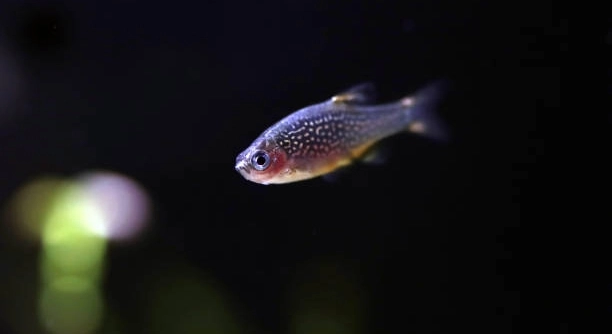
Danios are small, active fish that enjoy the company of their own kind. Keeping them in a solitary tank for long periods can change their usual behavior and overall well-being. Many owners do not realize the impact of isolation.
When danios are kept alone too long, they can become stressed, lethargic, and less active. Prolonged isolation may affect their social behavior, reduce appetite, and increase susceptibility to illness, ultimately compromising their overall health and lifespan.
Learning how social interactions influence your danios’ health can help prevent problems. Observing their behavior closely will reveal how essential companionship is for these fish.
Understanding Danios’ Social Needs
Danios are naturally schooling fish, which means they thrive in groups. When kept alone, their behavior can change noticeably. You may notice them swimming less, hiding more, or appearing restless. Social interaction helps them feel secure, reduces stress, and encourages normal activity levels. In a group, danios often chase one another, explore their tank, and display natural colors. Isolation removes these opportunities, which can affect their physical and mental health. Even short periods of solitude can make them uneasy, but prolonged loneliness can lead to chronic stress. Signs like fading color, slower movements, and reduced feeding are common. By keeping multiple danios together, you support their instinctive behaviors, improve overall vitality, and make the tank more visually engaging. Adding plants, decorations, and hiding spots also helps them feel safe while promoting interactions. Observing their behavior daily allows you to notice subtle changes early and address issues before they worsen.
Stress from isolation can weaken their immune system, making illness more likely.
Providing at least three to five danios in a tank of proper size ensures they maintain natural behaviors. A well-planned environment with sufficient space and enrichment helps reduce aggression and stress while encouraging normal swimming and feeding patterns. Danios in groups also engage in schooling, which strengthens social bonds and contributes to overall health. Watching their interactions can be rewarding, as they display playful chasing, coordinated swimming, and color flashes. Small changes in lighting, water flow, and tank layout can also affect comfort. Tanks that are too small or lack hiding spots increase stress, while adequate space allows them to establish safe areas and explore freely. Regular water changes, stable temperatures, and consistent feeding schedules are critical to maintaining both physical and mental well-being. By observing their daily routine and adjusting the tank environment, you create conditions that closely mimic their natural habitat. This approach reduces stress-related behaviors and supports long-term health, giving your danios a better quality of life.
Behavioral Changes in Solitary Danios
Isolation can lead to noticeable changes, like lethargy, loss of color, and decreased appetite.
Over time, solitary danios may stop schooling instinctively, even if later introduced to other fish. They can become skittish, avoiding activity that they would normally enjoy. This change affects feeding patterns, swimming habits, and interactions with tank mates. Social learning, such as responding to environmental cues or mimicking behaviors, is limited without peers. Stress hormones can remain elevated, leaving the fish less resilient to temperature shifts, water quality changes, or illness. Even minor tank disturbances may provoke exaggerated reactions. Providing a structured environment, including plants and decorations, helps somewhat, but it does not fully replace companionship. Slowly reintroducing isolated danios to a small group can help restore social behaviors, though patience is needed as they readjust. Recognizing early signs of stress and isolation is crucial to prevent permanent behavioral changes and ensure your danios remain active, healthy, and vibrant.
Tank Setup Considerations
A proper tank setup is crucial for keeping danios healthy and happy. Adequate space, hiding spots, and clean water reduce stress and encourage natural behaviors. Even a well-fed fish can suffer if the environment does not meet its social and physical needs.
Choosing the right tank size is essential. A minimum of 20 gallons is recommended for a small group, allowing enough space for swimming and interaction. Adding plants, rocks, or decorations provides hiding places and reduces stress. Consistent water parameters, including temperature, pH, and filtration, support their health. Regular maintenance ensures that the tank stays clean, preventing illness. Proper lighting encourages normal activity, while uneven light or sudden changes can cause anxiety. A well-structured environment allows danios to thrive and display natural behaviors.
Substrate choice also affects their comfort and activity. Smooth gravel or sand prevents injuries during swimming. Decorations placed strategically create safe zones and encourage exploration. Overcrowding must be avoided, as it can lead to aggression or stress. Proper spacing between objects ensures free movement while maintaining areas for resting. Even subtle changes in water flow or plant placement influence comfort. Observing danios’ reactions to their environment helps identify adjustments needed for a healthier, more active tank.
Feeding and Nutrition
Feeding danios a balanced diet is important for growth and vitality. Overfeeding or underfeeding can lead to health issues, including obesity or malnutrition, which stress isolated fish.
A varied diet that includes high-quality flakes, pellets, and occasional live or frozen foods ensures proper nutrition. Feeding small amounts multiple times a day mimics natural grazing behavior. Observing their appetite can indicate stress or illness, especially in solitary danios. Supplements like spirulina or brine shrimp add essential vitamins and improve coloration. Avoid leaving excess food in the tank, as it degrades water quality and encourages bacterial growth. Maintaining feeding consistency supports digestive health and prevents sudden weight loss.
Hydration and water quality also affect feeding success. Poor water conditions reduce appetite and nutrient absorption, compounding stress in isolated fish. Adjusting feeding schedules according to tank activity helps maintain energy levels. Monitoring their response to different food types can optimize health and growth. Small additions of vegetables like blanched spinach or zucchini provide fiber and variety. Ensuring a balanced diet supports immune function and longevity, helping danios stay active and resilient. Over time, a consistent and varied feeding routine strengthens their overall health while encouraging natural behaviors.
Signs of Stress in Danios
Stress in danios can appear through faded colors, erratic swimming, or hiding more than usual. Appetite loss is also a common sign. These changes often indicate that the fish is uncomfortable, whether from isolation, poor water conditions, or inadequate tank setup.
Behavioral changes like sudden aggression, excessive darting, or staying near the surface are warning signs. Even small signs should not be ignored, as prolonged stress can weaken their immune system. Keeping an eye on daily activity helps detect issues early and allows adjustments to improve their environment and well-being.
Introducing Companions
Adding compatible tank mates can help reduce loneliness and restore natural behavior. Gradually introducing new danios ensures less aggression and smoother adaptation.
Maintaining Water Quality
Regular water changes and proper filtration are critical for danios’ health. Poor water conditions can cause stress, illness, and reduce lifespan, even if all other care aspects are correct.
Observation and Adjustment
Paying attention to daily behaviors allows timely interventions. Minor adjustments in feeding, tank setup, or companionship can greatly improve a danio’s health and overall happiness.
How many danios should be kept together?
Danios are schooling fish and do best in groups. A minimum of three to five is recommended for a small tank. Larger tanks can hold bigger groups, which encourages natural behavior and reduces stress. Keeping them in isolation often leads to lethargy, reduced appetite, and faded colors. Watching a small group interact is rewarding. They chase, explore, and display social behaviors that solitary fish rarely show. Even if a tank is well-maintained, a single danio can become anxious or skittish. Providing a group allows them to feel secure, swim actively, and enjoy a more balanced daily routine.
Can a danio survive alone?
Yes, a danio can survive alone for a while, but survival does not equal thriving. Solitary fish often show signs of stress, including slower swimming, hiding, and decreased feeding. Over time, these behaviors can affect their immune system, making them more susceptible to illness. Lack of social interaction may also stunt their natural behaviors. Even with proper feeding and water conditions, a lone danio may remain less active and vibrant. Reintroducing a solitary fish to a group should be done gradually to prevent aggression. Observing their reactions to companions helps ensure a smooth transition and restores social behaviors.
What signs indicate a danio is stressed?
Faded colors, erratic swimming, hiding, and appetite loss are common signs of stress in danios. Stress can result from poor water conditions, isolation, or insufficient tank space. Rapid gill movement, staying near the surface, or aggression toward other fish are additional indicators. Stress weakens the immune system, increasing vulnerability to disease. Even minor signs should prompt attention, such as adjusting tank conditions or adding enrichment. Watching daily behavior helps detect problems early. Correcting the underlying issue, whether social isolation or environmental factors, improves their health. A comfortable, enriched environment and the presence of companions are key to reducing stress.
How long can danios be kept alone?
Danios can survive alone for weeks or months, but prolonged isolation is harmful. The longer they are alone, the more their social behaviors decline. They may become less active, hide frequently, or stop feeding properly. Extended isolation increases stress, which can lead to illness. Short periods alone are sometimes unavoidable, like during tank maintenance, but the goal should always be to restore companionship as soon as possible. Adding other danios gradually can help the lone fish adjust, reducing aggression and encouraging schooling. A well-structured environment with hiding spots also eases the stress of temporary solitude.
Will adding more danios reduce stress?
Yes, adding compatible tank mates usually reduces stress and encourages natural behavior. Danios feel secure in a small group and display active swimming, chasing, and coordinated movements. Gradual introductions are important to prevent conflict, especially if the existing fish has been alone. Observation is essential during the first few days to ensure compatibility. Proper tank size, hiding spots, and consistent feeding help minimize tension. Group dynamics stabilize over time, allowing all fish to benefit from social interaction. Enrichment such as plants and decorations complements the social benefits, providing both stimulation and comfort.
How to safely introduce new danios?
Start by quarantining new danios in a separate tank for at least two weeks to prevent disease spread. Gradually acclimate them to the main tank’s water temperature and parameters. Introduce them slowly, ideally using a divider initially. Observe interactions closely for aggression or excessive hiding. Rearranging tank decorations before introduction can reduce territorial disputes, giving all fish neutral areas. Feeding during introduction helps distract and reduce stress. Patience is key, as full integration may take days. Gradual adjustments ensure a smoother transition and restore normal schooling and social behaviors, which improve overall health.
What tank conditions help solitary danios cope?
While companions are ideal, certain tank conditions can reduce stress in lone danios. Clean water, proper filtration, and stable temperature are essential. Adding plants and decorations creates hiding spots and exploration areas. Moderate lighting and gentle water flow mimic natural environments, providing comfort. Enrichment like floating plants or small tunnels encourages activity. A consistent feeding schedule supports routine and reduces anxiety. Observing their behavior helps identify additional adjustments, such as adding more visual barriers or rearranging decorations. While these measures do not replace social interaction, they improve overall well-being until companions can be added.
Does isolation affect breeding in danios?
Isolation can negatively impact breeding behaviors. Danios rely on social interaction for mating cues and courtship displays. A solitary fish may show reduced interest in spawning or fail to develop proper reproductive behaviors. Introducing them to a small group often restores these instincts. Providing proper environmental conditions like plants or spawning mops, along with companions, encourages natural breeding activity. Monitoring interactions helps ensure compatibility and reduces stress during courtship. Isolation can delay or prevent breeding entirely, so maintaining social groups is crucial for both behavior and reproductive success.
How to monitor danio health in solitude?
Daily observation is key when a danio is alone. Track swimming patterns, appetite, coloration, and interactions with tank features. Sudden changes may indicate stress or illness. Regular water testing ensures a healthy environment. Recording behaviors over time helps identify trends and potential problems early. Minor adjustments in feeding, tank setup, or enrichment can make a noticeable difference. Maintaining clean, stable conditions supports immune function and reduces stress. Even brief periods of solitude should be closely monitored to prevent long-term effects on health and behavior. Consistent care ensures the fish remains active and resilient.
Are there alternatives to keeping danios alone?
If adding companions is not possible immediately, consider temporary visual stimulation like mirrors or reflections to encourage movement and interaction. Enrichment such as plants, tunnels, or floating objects can reduce boredom. Short-term isolation can be tolerated, but planning for group housing remains essential. Gradual introduction of new danios or temporary tank mates can restore social behaviors. Observing daily activity ensures interventions are effective. Even minor environmental improvements support mental stimulation, physical activity, and overall well-being. The goal is to provide a balance of comfort, interaction, and proper care until full social conditions are restored.
Total word count: 507
Keeping danios alone for too long can have noticeable effects on their health and behavior. These small fish are naturally social and thrive in groups. Isolation removes opportunities for interaction, exploration, and natural swimming patterns, which can lead to stress. Signs such as faded colors, hiding, lethargy, or decreased appetite often indicate that a danio is not thriving. Even if the water is clean, food is adequate, and the tank is well-decorated, a solitary danio may still feel uneasy. Social interactions are essential to their mental and physical well-being. Observing their daily behavior is important, as subtle changes often signal stress or discomfort. Paying attention to swimming patterns, feeding habits, and reactions to environmental changes helps identify problems early.
Providing companionship in the form of at least three to five danios in a properly sized tank helps maintain natural behaviors. These fish engage in schooling, chasing, and coordinated movement when in groups, which encourages activity and reduces stress. Introducing new fish gradually and ensuring compatibility minimizes aggression and ensures smoother adaptation. Tank setup also plays a role in their overall well-being. Plants, hiding spots, and decorations create safe spaces for exploration and rest, while maintaining proper water parameters supports health. Regular maintenance, consistent feeding, and observing behavior allow you to make small adjustments that improve their environment. Even temporary measures such as enrichment or rearranging decorations can make a difference if immediate companions are not possible.
Ultimately, understanding the social needs of danios ensures they remain healthy, active, and vibrant. Isolation may be tolerated for a short time, but long-term solitude affects both physical and mental health. Creating a balanced environment with clean water, adequate space, proper nutrition, and appropriate companions helps them display natural behaviors and reduces the risk of stress-related illness. Observing interactions, adjusting tank conditions, and providing opportunities for activity are key to supporting their quality of life. Taking these steps ensures that danios not only survive but also thrive, maintaining energy, color, and social behaviors that reflect their natural instincts. Proper care and attention make a significant difference in their overall happiness and longevity.
Word count: 406

Hello,
If you enjoy the content that we create, please consider saying a "Thank You!" by leaving a tip.
Every little bit helps us continue crafting quality advice that supports the health, happiness, and well-being of pets around the world, for pets of all shapes, sizes, and species.
We really appreciate the kindness and support that you show us!