
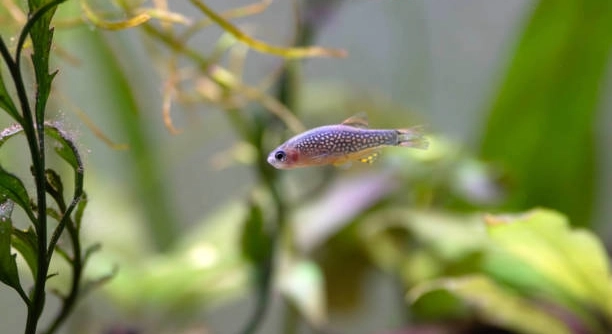
Do you love keeping small aquariums but struggle to find space for them in your home? Setting up a Danio tank in limited areas can feel tricky but manageable with the right approach and planning.
Creating a Danio tank in small spaces requires careful consideration of tank size, filtration, water quality, and fish population. Ensuring proper temperature, decorations, and consistent maintenance supports healthy fish behavior and long-term sustainability in compact environments.
Optimizing your small tank can make a big difference for your Danios’ health and activity. The following tips will guide you through practical steps efficiently.
Choosing the Right Tank Size
Selecting the correct tank size is essential for Danios, especially in small spaces. While these fish are hardy, overcrowding can lead to stress and illness. A minimum of 10 gallons is recommended for a small group, but slightly larger is better to allow swimming room. Narrow tanks may save space, yet they limit movement and can reduce oxygen circulation. Consider tank placement carefully; avoid direct sunlight, heaters, or areas with heavy foot traffic. Lightweight tanks can fit on shelves, but stability is important to prevent accidents. Ensure that the lid is secure, as Danios are active jumpers. Decorations should be minimal to maximize open swimming space, but include hiding spots using small plants or rocks. Filtration must match the tank size to maintain water quality, as smaller tanks are prone to rapid changes in parameters. Regular water testing and maintenance are crucial to prevent stress-related conditions. Choosing the right tank size provides a solid foundation for healthy Danios and easier upkeep.
Proper tank selection directly impacts fish health, stress levels, and overall activity. A well-sized tank reduces maintenance and improves lifespan.
A tank that fits your space while meeting the needs of your Danios ensures they remain active and healthy. Adequate swimming room, proper filtration, and stable placement all contribute to a thriving small aquarium. Balancing open areas with hiding spots makes the tank both functional and visually appealing, allowing you to enjoy watching your fish move naturally without constant worry over water quality or overcrowding.
Managing Water Quality
Maintaining clean, stable water is vital for Danios. Frequent testing helps monitor pH, ammonia, and nitrate levels to prevent health issues.
Filtration systems in small tanks must be efficient and properly sized. Danios produce moderate waste, and without adequate filtration, water parameters can change quickly, stressing the fish. Partial water changes of 20–30 percent weekly help maintain stability and reduce toxins. Temperature control is also essential; Danios thrive in 72–78°F, so a reliable heater may be needed for cooler rooms. Avoid sudden water changes or adding untreated tap water directly, as it can shock their system. Plants and substrates contribute to water quality by supporting beneficial bacteria, which break down waste naturally. Aeration can be helpful in smaller tanks to increase oxygen levels, especially if the surface area is limited. Regular observation of your Danios for signs of stress or unusual behavior allows timely intervention before problems escalate. Consistent attention to these factors ensures a healthy environment despite space limitations.
Selecting Compatible Tank Mates
Danios are active and social fish that do best with similar-sized, non-aggressive species. Avoid slow-moving or long-finned fish that may get stressed or nipped in a small tank environment.
Keeping compatible tank mates ensures harmony and reduces stress. Suitable companions include small tetras, rasboras, and other peaceful schooling fish. Overcrowding should be avoided, as too many fish in a compact tank can lead to poor water quality, increased aggression, and higher risk of disease. When introducing new fish, quarantine them first to prevent the spread of pathogens. Observing interactions in the initial weeks allows adjustments if conflicts arise. Proper selection of tank mates encourages natural schooling behavior and keeps Danios active, which benefits their overall health. Small plants or hiding spots also reduce territorial disputes, giving shy or new fish areas to retreat. Planning the tank community carefully ensures a stable and peaceful environment even in limited spaces.
Choosing the right companions is essential in small tanks. Social and peaceful species maintain a calm and active environment while preventing overcrowding issues.
Arranging Decorations and Plants
Decorations and plants should maximize swimming space while offering shelter and stimulation. Avoid bulky ornaments that reduce open areas for Danios.
Live plants improve water quality and provide hiding spots, promoting natural behavior. Hardy plants like Java fern, Anubias, and floating moss are ideal for small tanks. Artificial decorations can supplement hiding spots but should be smooth and free of sharp edges to prevent injuries. Position plants and decorations to create open swim lanes in the center while leaving corners or edges for retreat. Rocks or driftwood can add structure without overcrowding. Avoid overdecorating, which can trap waste and hinder cleaning. Using a balanced layout enhances tank aesthetics and maintains a functional environment for active Danios. Observation will help adjust the arrangement over time to suit fish activity and growth.
A well-planned layout balances open swimming areas and safe retreats. Proper plant and decoration placement supports both fish health and tank cleanliness.
Feeding Your Danios
Danios thrive on a varied diet of flakes, pellets, and occasional live or frozen foods. Feed small portions two to three times daily to prevent overfeeding.
Remove uneaten food promptly to maintain water quality. Overfeeding can quickly foul small tanks, stressing the fish and disrupting their environment.
Monitoring Health
Regular observation is crucial to catch early signs of illness. Look for changes in color, behavior, or appetite.
Quarantining new fish and maintaining clean water reduces the risk of disease. Prompt action at the first sign of trouble prevents outbreaks and keeps the tank stable.
Lighting and Temperature
Danios prefer moderate lighting and stable temperatures between 72–78°F. Avoid sudden fluctuations to reduce stress.
Regular Maintenance
Weekly water changes and filter cleaning keep the tank environment healthy. Consistency in maintenance supports long-term Danio health and activity.
What is the minimum tank size for Danios in small spaces?
The minimum recommended tank size for a small group of Danios is 10 gallons. While they are small and hardy, keeping too many in a smaller tank can cause stress and water quality problems. A slightly larger tank is always better if space allows, as it provides more swimming room and stability in water parameters.
How many Danios can I keep in a small tank?
A general rule is one inch of fish per gallon, but for Danios, it is safer to keep fewer than the maximum. A group of five to six Danios in a 10–15 gallon tank allows them to school naturally without overcrowding. Overcrowding can lead to aggression, reduced swimming space, and rapid deterioration of water quality. Monitoring fish behavior and tank conditions helps adjust numbers safely.
What kind of filtration is best for a small Danio tank?
Danios produce moderate waste, so a small, efficient filter is essential. Sponge filters or hang-on-back filters work well for compact tanks. The filter should provide adequate water circulation without creating strong currents that stress the fish. Regular cleaning and maintenance of the filter prevent clogging and help maintain stable water parameters, which is crucial in smaller setups.
Can I keep Danios with other fish in a small tank?
Yes, but only with compatible species. Peaceful, similar-sized schooling fish, like small tetras or rasboras, are suitable. Avoid slow-moving, long-finned, or aggressive fish, as they may get stressed or harassed. Introduce new tank mates gradually and quarantine them first to prevent disease. Observing interactions in the first few weeks allows you to intervene if conflicts occur.
How often should I feed Danios in a small tank?
Feed small portions two to three times daily. Danios are active swimmers and benefit from frequent, controlled feedings. Overfeeding is a common mistake in small tanks because uneaten food quickly fouls the water. Remove any leftovers to maintain water quality. Including occasional live or frozen foods, such as brine shrimp or daphnia, supplements their diet and supports natural behavior.
What water parameters do Danios prefer?
Danios thrive in a pH range of 6.5–7.5 and a temperature of 72–78°F. Regular monitoring is necessary, especially in small tanks, where conditions can change quickly. Avoid sudden changes in temperature or chemistry, as these can stress the fish and increase the risk of disease. Stable water conditions are essential for their health and activity.
Do Danios need plants and decorations in a small tank?
Yes, but keep them minimal to maximize swimming space. Live plants like Java fern and Anubias improve water quality and provide hiding spots. Smooth rocks and small driftwood add structure without overcrowding the tank. A balanced layout ensures open swimming areas while giving shy fish a place to retreat. Proper decoration supports both fish activity and tank cleanliness.
How often should I perform water changes?
In small tanks, partial water changes of 20–30 percent weekly are recommended. This helps maintain stable water parameters and reduces waste buildup. Smaller tanks are more prone to rapid changes, so consistent maintenance prevents stress and illness. Always treat tap water to remove chlorine or chloramines before adding it to the tank.
What signs indicate that Danios are stressed or ill?
Watch for changes in behavior, color, or appetite. Clamped fins, erratic swimming, or lethargy can indicate stress. Loss of appetite, visible spots, or unusual growths may signal illness. Early detection and prompt intervention, such as water changes or isolation, help prevent the spread of disease and protect the health of the entire tank.
Can Danios live happily in a small tank long-term?
Yes, if their basic needs are met. Adequate space, compatible tank mates, proper feeding, stable water conditions, and regular maintenance allow Danios to thrive even in compact setups. Observing their behavior and responding to changes ensures they remain active, healthy, and stress-free over time. Small tanks require diligence, but proper care supports a sustainable environment.
Are there any special considerations for winter or cooler rooms?
Temperature stability is crucial. If the room drops below 72°F, a small heater may be necessary. Avoid placing the tank near drafts or direct heat sources. Monitoring temperature daily ensures the fish remain comfortable, and gradual adjustments prevent shock. Consistent care maintains their health regardless of seasonal changes.
How do I prevent jumping in a small Danio tank?
Danios are active jumpers, so a secure lid is essential. Ensure decorations and plants do not create gaps for them to escape. Smooth edges on ornaments and a fitted cover reduce the risk of jumping accidents while maintaining adequate airflow for the tank.
Setting up a Danio tank in a small space requires careful planning and attention to detail. The key is to balance the needs of the fish with the limitations of the environment. Choosing the right tank size is the first step. Even though Danios are small, they are active swimmers and need enough room to move freely. A tank that is too small can quickly lead to poor water quality and stress, which affects their health and behavior. Placing the tank in a stable location away from direct sunlight or drafts helps maintain consistent water temperature and reduces the risk of sudden environmental changes. Filtration, regular water changes, and careful monitoring of water parameters are essential to keep the tank clean and safe for the fish. By focusing on these fundamentals, a small tank can still support a healthy and thriving Danio community.
Another important aspect is the selection of tank mates and decorations. Danios do best with other peaceful, similarly sized fish that will not compete aggressively for food or territory. Introducing compatible companions helps maintain a calm environment and allows natural schooling behavior, which is important for their well-being. Decorations and plants should be chosen with functionality in mind. Providing hiding spots and resting areas can reduce stress, while leaving ample open space ensures the fish have enough room to swim actively. Live plants not only offer shelter but also help maintain water quality by supporting beneficial bacteria. Artificial decorations should be smooth and free of sharp edges to avoid injuries. A thoughtfully arranged tank provides both safety and stimulation, creating an environment where Danios can thrive in a small space.
Consistent care and observation are crucial to long-term success. Feeding the fish small, controlled portions two to three times a day prevents overfeeding and maintains water quality. Regularly checking the tank for signs of stress, illness, or unusual behavior allows early intervention before problems escalate. Monitoring temperature, pH, and other water parameters helps create a stable environment, which is especially important in smaller tanks where conditions can change rapidly. Even though the tank is compact, following these steps ensures that the fish remain active, healthy, and comfortable. With the right combination of tank size, maintenance, compatible companions, and thoughtful decoration, a small Danio tank can be a manageable and rewarding addition to any space, offering the enjoyment of watching lively fish thrive without requiring a large setup.

Hello,
If you enjoy the content that we create, please consider saying a "Thank You!" by leaving a tip.
Every little bit helps us continue crafting quality advice that supports the health, happiness, and well-being of pets around the world, for pets of all shapes, sizes, and species.
We really appreciate the kindness and support that you show us!