
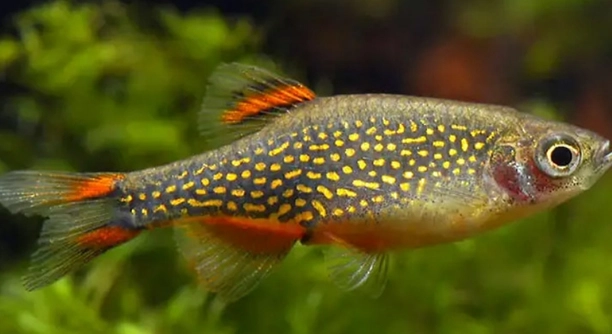
Danios are popular fish in home aquariums, admired for their bright colors and lively behavior. Many fishkeepers enjoy watching them, yet there are widespread beliefs about their coloration that are not always accurate.
Danio coloration is influenced primarily by genetics, diet, and environment. Many commonly held beliefs, such as color changing due to mood or age alone, are misleading. Proper care and consistent conditions are the key factors in maintaining vibrant hues.
Knowing the truth behind these myths can help you better care for your fish and enjoy their natural beauty in your aquarium.
Myth 1: Danios Change Color Overnight
Many people believe that a danio’s color can dramatically change from one day to the next. While it’s true that some temporary shifts can occur due to stress or lighting, significant color changes take time. Genetics and diet are the main determinants of their permanent hues. Stress, poor water quality, or illness may dull their colors, but this is different from the fish naturally changing shades overnight. Observing danios regularly can help you spot any health issues before they affect coloration. Maintaining stable water conditions and providing a nutrient-rich diet will help them display their full color potential. Color intensity may also vary slightly with the time of day, but sudden drastic changes are rare and often signal an environmental or health concern rather than a natural transformation.
Understanding the gradual nature of color change helps fishkeepers avoid unrealistic expectations and ensures better care for their danios.
Monitoring tank conditions, lighting, and diet over weeks rather than days allows you to see the real development of your fish’s colors.
Myth 2: Bright Colors Mean a Healthy Fish
Bright colors in danios are often assumed to be a sign of perfect health. While vibrant hues are desirable, they do not guarantee that a fish is free from disease or stress. A fish can appear colorful yet suffer from internal problems that are not immediately visible.
Health and coloration are related but not identical. Diet, water quality, and genetics play roles in appearance. Even with excellent care, some danios may naturally have muted colors. Overfeeding or unbalanced nutrition can temporarily enhance colors but may harm overall health in the long term. Environmental stressors, such as fluctuating temperatures or incompatible tank mates, can also impact health while leaving color seemingly unaffected. Observing behavior alongside appearance is essential. Healthy fish will be active, eating well, and responding normally to their surroundings. Color alone is an unreliable metric for assessing well-being. Careful monitoring, consistent maintenance, and proper feeding are necessary to ensure both vibrant color and genuine health.
Myth 3: Color Changes Are Always Stress-Related
Not every shift in a danio’s color is caused by stress. Temporary dulling may occur, but some variations are natural or related to lighting.
Danios may appear paler in low light or during certain times of the day. Seasonal or gradual changes can also occur due to age or natural growth. Stress does affect coloration, but assuming every change signals trouble can lead to unnecessary worry. Observing overall behavior, appetite, and tank conditions gives a clearer picture of their well-being.
Diet also influences color. Foods rich in carotenoids and proteins enhance natural hues, while poor-quality diets may make them look faded even when they are healthy. Genetics set the baseline, determining how bright or muted their colors can be. Lighting, tank environment, and water quality combine with diet to maintain optimal coloration. Understanding these factors prevents misjudging normal variations as stress symptoms.
Myth 4: Only New Fish Have Vibrant Colors
Many think that vibrant colors appear only in young danios, fading as they age. This is not entirely true.
While juvenile danios may show bright tones, adults can maintain vivid coloration with proper care. Genetics set the range of possible colors, but diet, water quality, and tank conditions determine how fully those colors develop and persist. Older fish may appear slightly less bright due to natural aging, but consistent feeding and stable environments support long-lasting vibrancy.
Neglecting proper nutrition or tank maintenance can dull colors at any age. Color retention is more about lifestyle than age alone. Even senior danios can remain striking with attention to diet, lighting, and tank cleanliness. Understanding the balance between genetics, care, and environment allows you to enjoy their full color spectrum throughout their life.
Myth 5: Water Color Affects Danio Color
Changing the water color will not permanently alter a danio’s natural hues. Temporary reflections or lighting effects may make colors appear different.
True color development relies on genetics, diet, and overall tank conditions. Water tinting does not enhance or create pigmentation in healthy fish.
Myth 6: Diet Alone Determines Color
Nutrition strongly influences coloration, but it cannot override genetic limits. Carotenoid-rich foods enhance reds and oranges, while other nutrients support overall vibrancy.
A balanced diet helps maintain bright and consistent colors, but even the best food cannot produce colors that the fish’s genes do not allow. Overfeeding or using color-enhancing products without proper care can harm fish health, negating any visual benefits. Environmental factors, including light, water quality, and stress levels, also play a crucial role in expressing natural coloration. Recognizing the balance between genetics, diet, and environment is essential to achieving long-lasting and healthy hues.
Myth 7: Male Danios Are Always Brighter
Males often display more vivid colors than females, but exceptions exist depending on genetics and individual health.
How can I naturally enhance my danio’s color?
A natural approach focuses on diet, lighting, and stable water conditions. High-quality foods rich in carotenoids, such as shrimp or specially formulated flakes, can improve reds and oranges. Proteins and vitamins support overall health, which also affects coloration. Avoid overfeeding, as excess food can harm water quality and reduce vibrancy.
Proper lighting highlights natural colors without stressing the fish. Using full-spectrum aquarium lights for about 8-10 hours a day is usually sufficient. Maintaining consistent water parameters, including temperature and pH, ensures the fish remain healthy. Stress from poor water quality or aggressive tankmates can dull color, so keeping a calm and clean environment is crucial.
Why do some danios lose color temporarily?
Temporary color loss often relates to stress, lighting, or minor environmental changes. Moving a fish to a new tank, adjusting lighting, or changes in water chemistry can cause short-term dulling. These shifts are usually reversible once the environment stabilizes.
Illness or parasites may also affect color. A healthy fish typically shows bright, consistent hues, while faded spots can indicate a problem. Observing feeding behavior, swimming patterns, and interaction with other fish helps identify if the color change is normal or a sign of distress. Addressing environmental or health issues quickly usually restores coloration within days or weeks.
Do danios’ colors fade with age?
Some fading can occur as danios age, but proper care minimizes it. Genetics set their color range, and aging may slightly soften the intensity, but diet, lighting, and water quality have the largest effect on how bright they remain.
Older fish can maintain vivid colors with consistent high-quality nutrition and stable tank conditions. Ensuring their tank is free from stressors, including aggressive tankmates or poor water parameters, also helps preserve coloration. Regular monitoring and gentle care allow even senior danios to remain attractive throughout their lifespan.
Can tankmates affect danio coloration?
Yes, aggressive or highly active tankmates can stress danios, causing temporary dulling. Even if no visible injuries occur, stress hormones can reduce vibrancy. Peaceful companions and a well-structured environment help danios display their best colors.
Avoid overcrowding and provide hiding spots. Plants, decorations, or gentle water currents can reduce tension and allow natural behaviors. Stress-free fish are more likely to feed consistently, maintain bright hues, and exhibit active swimming patterns. The overall tank dynamic matters just as much as diet and lighting.
Is artificial color-enhancing food necessary?
Artificial color-enhancing foods are not essential. They may provide short-term brightening, but long-term reliance can mask underlying dietary deficiencies. Natural foods and balanced flakes or pellets are sufficient for healthy, vibrant danios.
Using such products occasionally is acceptable, but they should never replace a full, balanced diet. Overuse can harm digestion or water quality, leading to dulling and health problems. Combining high-quality natural foods with good tank care produces the most sustainable and safe results.
How do I know if color changes signal illness?
Color changes accompanied by lethargy, loss of appetite, clamped fins, or unusual swimming are warning signs. Healthy danios may shift slightly in hue due to lighting or mood, but persistent fading or patchy colors can indicate disease.
Observing behavior is critical. Monitor feeding, movement, and social interaction alongside color. Water tests for ammonia, nitrite, and pH are also important. Quick action—such as adjusting water parameters, isolating sick fish, or consulting a veterinarian—can prevent serious health issues while restoring natural color.
Can lighting alone make a big difference in color?
Lighting enhances visibility of natural colors but cannot create pigmentation. Full-spectrum lights highlight reds, oranges, and blues, making colors appear more vibrant, while inadequate lighting can make even healthy fish look dull.
Consistency matters more than intensity. Sudden changes in lighting may stress fish temporarily, causing fading. A stable, suitable light schedule combined with proper diet and clean water ensures the most vivid and healthy coloration over time.
How long does it take to see color improvement?
With proper care, noticeable improvements can take a few weeks. Genetics set the base color, but diet, lighting, and water conditions gradually enhance vibrancy. Rapid changes are rare and usually signal stress or illness rather than healthy development.
Regular monitoring and consistent care are key. Patience is important, as natural color expression develops over time. Even small adjustments in diet or tank maintenance can lead to visible results, but expecting instant transformations often leads to disappointment. Sustainable color enhancement relies on steady, thoughtful care.
Can breeding affect coloration?
Yes, selective breeding can produce more intense or unique colors. Offspring may inherit strong or muted hues depending on parent genetics. While care and diet remain important, breeding determines the potential range of color expression.
Understanding genetics helps manage expectations. Even with ideal conditions, some fish will never reach certain shades due to their lineage. Breeding programs often focus on enhancing specific patterns or vibrancy while maintaining health and temperament, showing the limits and potential of danio coloration.
Are female danios less colorful than males?
Females are generally less vibrant, but exceptions exist. Individual genetics, health, and environmental factors can result in females with bright or intense hues. Differences are often subtle and can vary by strain.
Health, diet, and tank conditions influence both sexes equally. Stress or poor nutrition may reduce coloration in females more noticeably because their baseline is slightly lower. Observing natural differences without assuming inferiority helps maintain realistic expectations and ensures proper care for all fish.
Danios are small fish with surprisingly complex needs when it comes to maintaining their coloration. Many common beliefs about their color changes are misleading, and understanding the truth can make a big difference in their care. Genetics set the basic limits of what colors a danio can display, meaning no amount of lighting, food, or special treatments can completely change their natural hues. However, genetics are just the foundation. Proper diet, consistent water conditions, and a stress-free environment are essential to keeping their colors bright and healthy. Over time, danios that are well cared for will show their full potential, while neglect or poor care can make even naturally vibrant fish look dull. Paying attention to small details like water quality, tank mates, and daily feeding habits ensures that their natural beauty is not lost.
It is important to remember that color changes are usually gradual, not sudden. Many people worry when they notice a danio looking paler or less intense for a short time, but often these shifts are temporary or caused by minor environmental changes. Lighting can make colors appear stronger or weaker depending on its type and placement. Stress, illness, or poor water conditions may cause fading, but these issues are usually accompanied by changes in behavior or appetite. Observing your fish over weeks rather than days gives a clearer picture of their health and true coloration. Consistency is key, whether it is maintaining a proper feeding schedule, regular water changes, or keeping the temperature stable. Sudden, dramatic changes are rarely natural and should be investigated carefully. Taking a patient and attentive approach allows you to enjoy their natural colors without unnecessary worry.
Finally, understanding the factors that affect danio coloration can make caring for them more satisfying. While male fish are often more colorful than females, there are exceptions, and diet and environment affect both sexes. Even older fish can maintain bright colors with good care. It is also clear that artificial color-enhancing foods or water additives are not necessary for a healthy, vibrant appearance and can sometimes be harmful if relied upon too heavily. True color comes from a balance of proper nutrition, stable tank conditions, and attention to their well-being. By focusing on these core elements rather than myths, you can ensure your danios remain lively and colorful throughout their lives. Observing their natural patterns, responding to changes in health or environment, and providing consistent care allows you to enjoy not only their appearance but also their behavior and overall vitality. The effort pays off in seeing them thrive and display the best of their natural beauty in a way that is healthy, sustainable, and rewarding.

Hello,
If you enjoy the content that we create, please consider saying a "Thank You!" by leaving a tip.
Every little bit helps us continue crafting quality advice that supports the health, happiness, and well-being of pets around the world, for pets of all shapes, sizes, and species.
We really appreciate the kindness and support that you show us!