
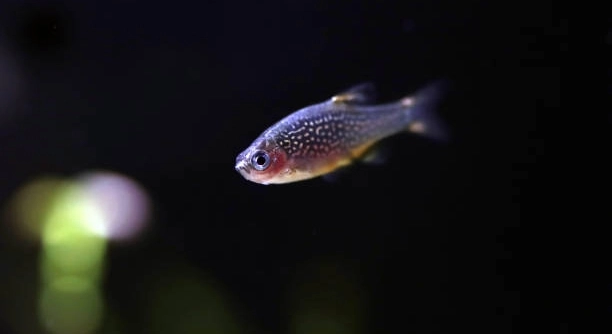
Do you ever find yourself planning a calm aquarium and hoping your active danios can live with peaceful bottom dwellers that keep the tank balanced without causing stress or disruption in their shared space daily.
The most suitable bottom dwellers for danio tanks are calm species that tolerate active mid level swimmers. Selecting fish with peaceful temperaments and compatible environmental needs ensures stable social dynamics reduced territorial conflict and a healthier overall aquarium community environment.
As you explore these gentle species thoughtful choices create harmony and support the natural flow of your aquarium community today.
Corydoras Catfish
Corydoras catfish are often the first choice for danio tanks because they stay calm at the bottom and handle active surface swimmers with ease. I enjoy how they move in small groups and clean leftover food without creating conflict among other fish. Their gentle nature makes them dependable tank mates that settle quickly and maintain steady habits day after day. They prefer soft substrate and steady water conditions, which fit nicely with a standard danio setup. Their small size keeps the tank peaceful and prevents overwhelming movement near the lower areas. When kept in groups of at least five, they show brighter behavior and move together in a smooth pattern that adds a relaxing touch to the tank. Their feeding style is simple, and they accept most sinking foods without fuss, which keeps care easy and predictable in a mixed community setting in their calm daily routine.
These catfish bring steady balance to active danio tanks by staying focused on the lower zone and avoiding sharp movements. Their quiet presence supports smooth interactions among species and reduces stress across the aquarium. With simple care needs and reliable behavior, they remain an easy option for mixed freshwater setups.
Keeping Corydoras with danios works well when the tank has soft substrate, gentle filtration and open areas for swimming. I like giving them shaded spots where they can rest without disturbance from faster fish. Their peaceful habits encourage stable behavior across the tank and make feeding routines easier to manage. Sinking pellets and small frozen foods suit them well, and they rarely compete for food near the upper levels. Their group oriented nature also helps reduce anxiety in busy tanks, allowing the whole community to stay. With proper care, they remain dependable bottom dwellers that support a calm tank atmosphere.
Kuhli Loaches
Kuhli loaches suit danio tanks because they stay tucked into the lower areas and move gently through tight spaces. Their shy behavior keeps the environment calm, and they adjust easily to active top swimmers. With soft substrate and hiding spots, they remain peaceful additions that avoid disturbance in shared aquariums.
Kuhli loaches work well in danio tanks when the environment provides enough shelter and stable care. I find them delightful to watch as they glide through the substrate in smooth motions that do not interfere with the busy activity above. Their slender shape helps them slip into small caves, plant roots and driftwood pockets without disturbing other fish. They stay more active toward evening hours, which keeps the lower zone engaging without overwhelming daytime activity. Adding leaf litter or soft decorations gives them comfort and supports natural behavior that feels calm and steady. Their diet remains simple, and they welcome sinking pellets, small frozen foods and gentle treats that settle along the bottom. Keeping them in small groups encourages confident movement while still maintaining quiet habits. They rarely compete with danios for space or food, which helps the tank stay balanced and relaxed. Their quiet habits help maintain balance during feeding times and encourage calm behavior throughout part of the day.
xxxxxxxxxxxxxxxxxxx
Snail species that stay calm near the bottom help keep the tank tidy without bothering danios. I like how they move slowly across surfaces, removing soft algae and leftover food while staying out of the busy upper areas where danios spend most of their time.
Nerite snails are steady cleaners that fit well in danio tanks. Their slow routine keeps them focused on surfaces and prevents any disruption to active swimmers. I appreciate how they help reduce algae without raising waste levels. They stay on hard surfaces and avoid soft plants, which keeps the layout safe. Their hard shells offer protection, making them reliable even with quick fish above. They rarely climb to the top, and their consistent habits support a balanced environment with minimal upkeep.
Mystery snails also work well because they stay gentle and easy to manage. I like giving them smooth decorations where they can glide comfortably without scratching their shells. They enjoy leftover sinking foods, which helps maintain cleanliness and reduces buildup. Their growth rate stays manageable when feeding is controlled, preventing overcrowding. With steady water conditions they remain healthy and active. Their slow behavior pairs nicely with danios constant movement and keeps the bottom calm.
xxxxxxxxxxxxxxxxxxx
Shrimp species add useful activity to the lower levels without stressing danios. I enjoy watching them pick through tiny particles and keep surfaces clean. Their light steps and simple habits help maintain balance in tanks with constant top level motion.
Amano shrimp are dependable helpers that stay focused on cleaning leftover food and soft algae. I appreciate their calm nature, which keeps them from overwhelming other species. They move lightly across plants, driftwood and rocks, clearing small debris that might otherwise settle. Their simple feeding habits make care easy, and they accept sinking pellets or blanched vegetables without fuss. I like keeping them in groups because it encourages visible activity while still maintaining peace. They stay out of the way of faster fish and remain steady workers in the lower zones. Stable water conditions support their health, and they thrive when provided with hiding spots that help them feel secure.
xxxxxxxxxxxxxxxxxxx
Otocinclus catfish stay peaceful in danio tanks and help control soft algae without disturbing active swimmers. I like how they cling to smooth surfaces and clean at a steady pace. Their gentle habits keep the tank balanced and prevent any sharp movements near the bottom.
These fish prefer calm areas with plenty of surfaces to graze on. I enjoy giving them driftwood and broad leaves where they can feed comfortably. Their small size keeps them from competing with danios, and their quiet behavior helps maintain a relaxed atmosphere across the lower levels.
xxxxxxxxxxxxxxxxxxx
Dwarf anchor catfish remain calm and steady in shared tanks with quick mid level swimmers. I appreciate their predictable habits and how they settle in shaded areas without causing tension. They accept small sinking foods and stay focused on the bottom, which helps keep the space organized. Their peaceful nature makes them easy additions for mixed setups, and they adjust well when kept in small groups that encourage gentle activity. Soft substrate and hiding spots help them feel secure, and their presence supports a stable routine in active aquariums.
xxxxxxxxxxxxxxxxxxx
Bristlenose plecos work well in danio tanks because they stay near the bottom and clean surfaces without bothering faster fish. I enjoy how they stay focused on their tasks and remain calm, which helps keep the lower area steady and predictable.
What are the best bottom-dwellers for danio tanks?
Corydoras catfish, Kuhli loaches, Otocinclus catfish, Amano shrimp, Nerite snails, Mystery snails, and Bristlenose plecos are all excellent choices. They stay calm, focus on the lower areas, and do not compete aggressively with danios. I prefer selecting species that tolerate active fish above without stress. Groups of peaceful bottom dwellers are ideal because they encourage natural behavior and reduce anxiety in the tank, which keeps the entire community balanced and calm.
Can these bottom-dwellers coexist with danios?
Yes, they coexist well as long as the tank provides proper hiding spots, soft substrates, and enough swimming space. Danios are fast swimmers, so choosing gentle species helps prevent territorial fights. I usually keep Corydoras and Kuhli loaches in small groups, and they quickly adjust to the danios’ energetic behavior while still feeling secure at the bottom. Shrimp and snails are unobtrusive and can move freely without disturbing other fish, supporting a peaceful mixed tank.
How should I feed bottom-dwellers in a busy danio tank?
Sinking pellets, blanched vegetables, or frozen foods work best. Corydoras, dwarf catfish, and snails easily find food at the bottom while danios eat from the top. I make sure to sprinkle food in multiple spots so all species get enough without competition. Amano shrimp and Nerite snails also benefit from soft algae and detritus found on decorations and plants. Feeding this way ensures calm mealtimes and prevents stress or food aggression.
Do bottom-dwellers need specific water conditions?
Yes, maintaining stable water temperature, pH, and gentle filtration is key. Corydoras prefer slightly soft water and calm currents, while Kuhli loaches thrive with plenty of hiding spots. Otocinclus and Amano shrimp need clean water and moderate flow. I test parameters regularly and perform partial water changes to prevent sudden fluctuations that could stress bottom dwellers. Bristlenose plecos handle a wider range but still need consistent conditions for long-term health.
How many bottom-dwellers should I add?
Small groups work best for most species. I usually keep five or more Corydoras or Kuhli loaches together to encourage social behavior. Amano shrimp should be kept in at least three, and snails do well in pairs or small clusters. Bristlenose plecos often stay alone but benefit from hiding spots. Grouping bottom-dwellers helps them feel secure, reduces stress, and ensures they perform their cleaning roles effectively without disturbing danios.
Do these species damage plants or decorations?
Most peaceful bottom-dwellers do minimal harm. Corydoras and Kuhli loaches are careful on plants with soft substrate, while snails can help control algae without eating live leaves. Bristlenose plecos graze on algae but rarely uproot plants when decorations are stable. I like placing hardy plants or driftwood in areas where they can forage safely, letting both plants and fish coexist without issues. Otocinclus and Amano shrimp are gentle grazers, so I don’t worry about damage to the aquascape.
Are there any behavior issues to watch for?
Aggression is rare but can occur if hiding spots are insufficient or tankmates are overcrowded. Corydoras sometimes push each other lightly when feeding, but this is normal. Kuhli loaches may explore tightly together at night, and Bristlenose plecos can get territorial if multiple adults share the same cave. I monitor interactions and adjust hiding spaces or group sizes as needed. Overall, these species remain calm in properly set-up tanks and integrate smoothly with danios.
How can I keep bottom-dwellers healthy long-term?
Stable water conditions, balanced feeding, and gentle filtration are essential. I provide variety in diet, regular water changes, and multiple hiding spots. Observing behavior daily helps catch illness early, especially with small species like Otocinclus or shrimp. Keeping stress low by avoiding overcrowding and fast-moving aggressive tankmates ensures longevity. Over time, these practices keep both bottom-dwellers and danios active, healthy, and thriving in the same aquarium.
Can I mix multiple types of bottom-dwellers together?
Yes, combining different species works well if their habits are compatible. Corydoras, Kuhli loaches, Amano shrimp, and snails can all coexist peacefully because they focus on different niches. I avoid mixing territorial species with shy ones and ensure enough space for everyone. Watching for signs of stress and adjusting tank structure as needed keeps the group balanced, active, and peaceful over time.
Are bottom-dwellers difficult to care for?
Not if their needs are met. Most are hardy with minimal attention when water quality, substrate, and food are consistent. I find that they complement danios perfectly, cleaning leftovers and maintaining calm conditions at the bottom while requiring simple feeding routines. Their predictable behavior makes care straightforward and enjoyable.
Word count: 509
Selecting the right bottom-dwellers for a danio tank can make a big difference in how peaceful and balanced your aquarium feels. I have found that calm species like Corydoras, Kuhli loaches, and Otocinclus catfish work well because they stay focused on the lower areas without disturbing active swimmers above. These fish and invertebrates are gentle and consistent in their behavior, which helps the tank remain stable day after day. Adding a mix of snails and shrimp also supports cleanliness and provides subtle activity at the bottom without creating competition or stress. Choosing species with compatible habits ensures that each level of the tank has its own role, and everyone can coexist comfortably without conflict. Over time, these peaceful bottom-dwellers help reduce maintenance while supporting the health of the tank.
Caring for bottom-dwellers requires attention to water quality, feeding, and proper tank setup. I make sure to provide soft substrates for species like Corydoras and Kuhli loaches, along with hiding spots for shy fish such as Kuhli loaches or Amano shrimp. Snails and bristlenose plecos appreciate smooth surfaces and steady water conditions for grazing and movement. Feeding should be tailored to each species: sinking pellets or frozen foods for fish, blanched vegetables for shrimp, and algae wafers for plecos. I find that spreading food across multiple areas of the tank reduces competition and allows every species to get enough without stress. Regular water changes and monitoring of parameters keep the environment stable and healthy for all inhabitants. With a thoughtful setup and consistent care, bottom-dwellers thrive and enhance the overall experience of keeping a danio tank.
Adding peaceful bottom-dwellers not only improves the function of the tank but also enhances the visual balance and enjoyment. Watching small groups of Corydoras glide together, shrimp slowly cleaning the substrate, or snails moving across leaves creates a calming presence in the tank. These species do not dominate or disrupt the middle and upper areas, so danios remain active and energetic without feeling crowded. I have noticed that tanks with well-chosen bottom-dwellers have less stress, fewer signs of aggression, and a more natural flow of activity throughout the day. It is satisfying to see the lower levels busy in a gentle way while the top remains lively yet harmonious. Choosing peaceful bottom-dwellers ensures that the tank stays organized, clean, and balanced, allowing both the fish and invertebrates to coexist comfortably for years. Proper care, compatible species, and attention to their needs result in a healthy, calm, and visually appealing community aquarium.
Word count: 417

Hello,
If you enjoy the content that we create, please consider saying a "Thank You!" by leaving a tip.
Every little bit helps us continue crafting quality advice that supports the health, happiness, and well-being of pets around the world, for pets of all shapes, sizes, and species.
We really appreciate the kindness and support that you show us!