
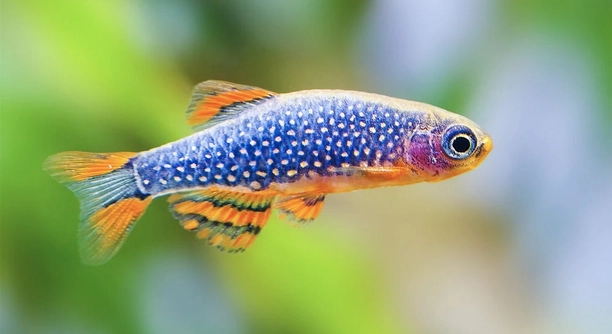
Are your danios showing signs of stress or sluggish behavior in the tank? Many fish owners struggle to keep these active little swimmers healthy and happy in their home aquariums. Maintaining a proper routine can help.
Implementing simple tank routines significantly benefits danios by promoting stable water conditions, reducing stress, and encouraging natural behavior. Regular feeding schedules, consistent water changes, and appropriate enrichment create an environment that supports both physical health and mental stimulation.
Following easy routines can transform your aquarium into a balanced and enjoyable habitat for your danios to thrive. Small changes often lead to noticeable improvements in their activity and wellbeing.
Consistent Feeding Schedule
Maintaining a consistent feeding schedule is key for danios’ health. Feeding them at the same times each day ensures they get enough nutrients without overfeeding. Overfeeding can lead to water quality issues and digestive problems, while underfeeding slows growth and reduces energy levels. A small pinch of high-quality flake or pellet food twice daily is usually enough for a standard tank of danios. Observing how quickly they eat can help adjust portions to avoid leftover food settling in the tank. Treats like daphnia or brine shrimp can be offered once or twice a week to add variety. Keep in mind that young danios may require slightly more frequent feedings, as they grow rapidly. Monitoring their activity and color after feeding helps gauge their overall health. Adjusting feeding routines slightly based on seasonal changes or water temperature can also support metabolism and digestion. Small, consistent actions create a stable environment that these fish respond to positively.
Regular feeding helps danios stay active and reduces the risk of overeating or nutrient deficiencies.
Feeding at set times not only supports physical health but also encourages natural swimming patterns. Danios quickly learn to anticipate feeding, which can make the tank feel livelier. Overfeeding remains a common issue, so portion control is critical. Balanced nutrition strengthens immunity, maintains vibrant coloration, and supports growth. Offering occasional live or frozen treats can stimulate their instincts and prevent boredom, making them more engaged in the tank environment. Observing feeding behavior also allows early detection of health concerns. A stable routine ensures all fish have access to food, reducing competition and stress. Overall, a consistent feeding schedule is a simple yet effective way to enhance the wellbeing of your danios while keeping the aquarium clean and balanced.
Regular Water Changes
Regular water changes prevent harmful buildup of toxins in the tank.
Performing partial water changes weekly helps maintain stable conditions, keeping danios healthy and energetic.
Changing about 25% of the tank water each week removes nitrates, uneaten food, and waste that can accumulate quickly. Clean water reduces stress and prevents diseases such as fin rot or ich. Using a siphon helps remove debris from the substrate, and replacing the water with properly conditioned, temperature-matched water keeps the tank safe. Frequent water monitoring, including testing pH, ammonia, and nitrate levels, ensures the environment remains optimal. Even small tanks benefit from partial changes, as waste products concentrate faster in smaller volumes. During water changes, it is helpful to observe the fish for any unusual behavior or signs of illness. Regular maintenance creates a predictable routine that danios respond to, helping them feel secure and encouraging consistent swimming and feeding habits. Over time, these small steps lead to a cleaner, healthier tank that supports growth, color, and overall vitality.
Tank Decorations and Hiding Spots
Providing hiding spots helps danios feel secure and reduces stress in the tank. Plants, rocks, and small caves give them places to explore and rest while maintaining natural behaviors.
Adding live or artificial plants creates areas for swimming and hiding, breaking up open spaces that can make danios feel exposed. Smooth rocks and small caves offer resting spots, while floating plants help diffuse light and provide cover near the surface. Placement matters—avoid overcrowding, which can limit swimming space, but ensure there are enough areas for shy or less dominant fish to retreat. Decorations also add visual interest and help create a more natural environment, mimicking their native habitats. Watching danios interact with their surroundings can be rewarding and shows how environment influences activity and comfort. A well-decorated tank balances safety, stimulation, and movement, keeping fish engaged without causing territorial stress.
Well-placed hiding spots encourage natural behavior and support mental health, making danios more confident and active in their tank.
Even simple additions can change how danios interact. They often dart through plants or rest near rocks, exploring without feeling threatened. Decorations also reduce aggression in crowded tanks by giving individuals space to claim temporary territories. Floating plants provide shade and soft currents, while bottom decorations allow for foraging behavior. Varied textures and heights stimulate curiosity and keep daily life interesting. By arranging elements thoughtfully, you can create a dynamic but calm environment, ensuring all fish have access to shelter while maintaining plenty of open swimming space. These routines enhance overall wellbeing and highlight subtle social behaviors that might otherwise go unnoticed.
Maintaining Proper Water Temperature
Danios thrive in stable temperatures between 72 and 78°F, avoiding sudden fluctuations that stress them.
Consistent water temperature is critical for metabolic function, growth, and immune health. A reliable heater or thermometer helps prevent swings caused by room temperature changes.
Temperature affects digestion, activity level, and color vibrancy in danios. Too low, and metabolism slows, making them lethargic; too high, and oxygen levels drop, stressing the fish. Regular monitoring ensures the heater functions correctly and water circulation is sufficient to maintain even warmth. Seasonal changes can influence tank conditions, so adjusting the heater or insulating the tank may be necessary. Observing behavior, like unusual hovering near the surface or bottom, can indicate temperature issues. Stable temperatures support feeding routines, swimming patterns, and social interactions, creating a predictable environment that promotes confidence and activity. Overall, careful attention to water temperature is a simple step that significantly improves danios’ health, energy, and lifespan.
Regular Tank Cleaning
Cleaning the tank regularly prevents buildup of algae and debris that can harm danios. Light scrubbing of glass and decorations keeps the environment healthy.
Removing waste from substrate and decorations reduces toxins. Using a siphon during water changes makes cleaning more efficient and maintains water quality consistently.
Monitoring Water Parameters
Testing pH, ammonia, nitrite, and nitrate levels ensures a stable environment. Frequent checks help detect imbalances early before they affect danios’ health. Maintaining parameters within recommended ranges supports growth, behavior, and color, while preventing common tank-related illnesses. Regular observation of fish combined with water testing gives a full picture of tank health.
Encouraging Group Activity
Danios are schooling fish and thrive in groups. Keeping them in small schools of at least five promotes natural movement and reduces stress.
Light Schedule
Consistent day and night cycles regulate danios’ activity. Using a timer helps maintain stable lighting patterns, preventing stress and encouraging normal behavior.
How often should I feed my danios?
Feeding twice a day is usually sufficient for adult danios. Offer small portions that they can finish within two minutes to avoid overfeeding. Young danios may benefit from slightly more frequent meals to support their growth. Monitor how quickly they eat and adjust portions if leftovers remain.
What type of food is best for danios?
High-quality flake or pellet food forms the main diet. Occasionally supplement with live or frozen foods like brine shrimp or daphnia. Variety helps maintain vibrant color, healthy growth, and mental stimulation. Avoid feeding human food or low-quality flakes that may lack essential nutrients.
How often should I perform water changes?
Partial water changes of about 25% weekly keep the tank clean and reduce toxin buildup. Smaller tanks may require slightly more frequent changes because waste accumulates faster. Use dechlorinated water at matching temperature to prevent stress.
What water parameters are ideal for danios?
Danios prefer a pH of 6.5–7.5, ammonia and nitrites at 0 ppm, and nitrates below 20 ppm. Water temperature should remain stable between 72–78°F. Regular testing ensures safe conditions and prevents stress-related illnesses.
How many danios should be kept together?
Danios are social fish that thrive in groups of five or more. Larger schools promote natural swimming patterns and reduce aggression. Keeping fewer danios can cause stress and unusual behavior, while larger groups create a dynamic, healthy environment.
Do danios need hiding spots in the tank?
Yes, decorations like plants, rocks, and caves provide areas for hiding and resting. Even simple setups with a few plants and a small cave give danios security. Hiding spots reduce stress, support natural behavior, and encourage exploration.
What lighting schedule is best for danios?
A consistent light schedule of 10–12 hours a day with a corresponding dark period supports normal activity and feeding patterns. Using a timer ensures stability and prevents stress caused by abrupt changes in lighting.
How can I tell if my danios are healthy?
Healthy danios are active, swim confidently, and have bright coloration. Appetite is strong, fins are intact, and scales are smooth. Lethargy, clamped fins, faded color, or unusual swimming can indicate illness or stress that needs attention.
Can danios live with other fish?
Danios are generally peaceful but fast swimmers, so they do best with similarly sized, non-aggressive tank mates. Avoid slow or long-finned fish that may be harassed. Schooling species like tetras or barbs can coexist well.
What common problems should I watch for?
Fin rot, ich, and swim bladder issues are common if water quality or diet is poor. Regular maintenance, consistent feeding, and stable temperature prevent most issues. Early detection through observation makes treatment easier and more effective.
How do I acclimate new danios to my tank?
Float the bag in the tank for 15–20 minutes, then gradually add small amounts of tank water. Slowly release the fish into the tank after 30–45 minutes. This reduces shock from temperature or water chemistry differences.
Can I use artificial plants instead of live ones?
Yes, artificial plants provide hiding spots and reduce maintenance, but live plants improve water quality and offer natural enrichment. A mix of both can create a balanced, stimulating environment for danios.
How important is tank size for danios?
Larger tanks allow more swimming space and stable water conditions. A minimum of 20 gallons is recommended for a small school. Adequate space reduces stress and supports natural schooling behavior.
What should I do if my danios appear stressed?
Check water parameters, temperature, and tank conditions first. Look for overcrowding, poor water quality, or lack of hiding spots. Adjust routines and maintain stable conditions to help them regain normal behavior.
How long do danios typically live?
With proper care, danios can live 4–6 years. Stable water conditions, balanced diet, and minimal stress support longevity. Regular monitoring and routine maintenance are key to ensuring they reach their full lifespan.
Are there seasonal changes I should consider?
Room temperature fluctuations can affect water temperature, especially in winter or summer. Adjust heaters, insulate the tank, or modify routines slightly to maintain consistent conditions. Seasonal care ensures danios remain active and healthy year-round.
Do danios require special filtration?
A reliable filter that maintains gentle water flow is sufficient. Strong currents may stress them, while poor filtration can cause toxin buildup. Regular filter maintenance keeps water clear and supports a healthy environment.
How can I encourage natural behavior in danios?
Providing open swimming areas, plants, and occasional live food encourages natural exploration and foraging. Schooling behavior is enhanced by keeping them in groups, and varied tank features prevent boredom.
Can danios adapt to different water hardness levels?
They tolerate soft to moderately hard water but thrive in stable, moderate conditions. Sudden changes in hardness can stress them, so gradual adjustments are necessary if water conditions differ significantly from their original habitat.
What is the best way to introduce tank mates?
Introduce new fish slowly and monitor interactions. Quarantine newcomers for at least two weeks to prevent disease. Gradual introduction prevents aggression and ensures the existing danios remain calm and healthy.
This FAQ section provides practical guidance for maintaining healthy, active, and thriving danios, covering common concerns and preventive care to ensure a stable and engaging tank environment.
Word count: 507
Caring for danios may seem simple at first, but establishing consistent routines makes a big difference in their health and happiness. Regular feeding, proper water changes, and monitoring water parameters create a stable environment where these active fish can thrive. Small steps like setting a feeding schedule or checking pH levels prevent many common problems before they start. Over time, these routines become second nature, and the fish respond positively with brighter colors, more energy, and natural schooling behavior. Even minor adjustments, like adding a few plants or hiding spots, can reduce stress and make the tank feel more like their natural habitat. By keeping conditions predictable, danios develop confidence and maintain healthy activity patterns, making them more enjoyable to observe and care for.
Maintaining proper water temperature and light cycles is another key factor in supporting danios’ wellbeing. They are sensitive to sudden changes, so consistent conditions are essential. Using a reliable heater and a timer for lights ensures their environment stays stable. Observing their behavior daily helps catch small problems early, whether it’s unusual swimming, reduced appetite, or clamped fins. These signs often indicate that adjustments are needed in the tank, like temperature corrections, water changes, or slight modifications to feeding routines. Even though these fish are relatively hardy, they still benefit from attentive care. Providing group activity by keeping at least five danios together supports natural social behavior and prevents stress caused by isolation. With proper attention, they remain active and exhibit the lively personalities that make them popular in home aquariums.
Finally, creating a balanced and engaging environment is just as important as routine maintenance. Decorations, plants, and open swimming spaces encourage exploration and help reduce boredom. Live plants improve water quality while providing shelter, while artificial decorations can supplement hiding spots with minimal upkeep. Offering occasional live or frozen treats adds variety to their diet and encourages natural foraging instincts. The overall goal is to create a tank where danios feel secure, stimulated, and healthy. With consistent care, proper feeding, and a stable environment, these small but energetic fish flourish. Following these simple practices ensures that your danios not only survive but thrive, giving them a long, active, and colorful life in your aquarium.
Word count: 414

Hello,
If you enjoy the content that we create, please consider saying a "Thank You!" by leaving a tip.
Every little bit helps us continue crafting quality advice that supports the health, happiness, and well-being of pets around the world, for pets of all shapes, sizes, and species.
We really appreciate the kindness and support that you show us!