
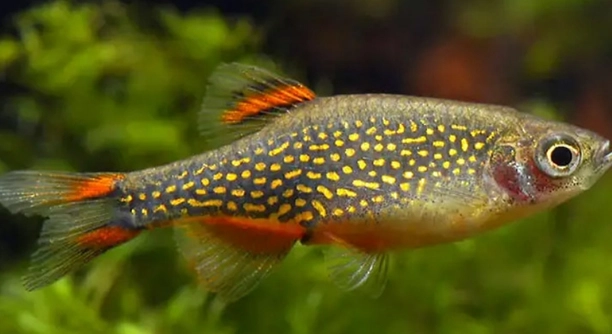
Do you ever notice your Celestial Pearl Danios lingering in one area of the tank, seemingly unsure of where to go next? These tiny, sparkling fish often show unique hovering behavior that can catch your attention immediately.
Celestial Pearl Danios may hover in one spot due to environmental factors such as water temperature, current strength, or tank layout. Stress, illness, or resting periods can also influence this behavior, causing temporary stationary positioning within the aquarium.
Observing these patterns can help you better understand your fish’s needs and maintain a healthy, comfortable habitat for them over time.
Common Environmental Factors Affecting Hovering
Celestial Pearl Danios are sensitive to changes in their environment, and even small shifts can make them pause mid-swim. Temperature fluctuations, strong currents, or uneven lighting may cause these fish to hover in one spot. For example, water that is slightly too cold or too warm can reduce their activity levels, leading to periods of stillness. Tank decorations and plants also play a role; areas with too little cover can make them feel exposed, prompting them to linger near objects or corners for safety. Additionally, crowded tanks can cause stress, resulting in hovering as the fish adjust to their surroundings. By observing tank conditions carefully, you can identify patterns in their behavior. Maintaining stable water parameters, gentle currents, and adequate hiding spots encourages normal swimming patterns and reduces extended periods of hovering. Attention to these factors helps your Danios thrive.
Regular monitoring of temperature and water flow often prevents hovering from becoming a persistent problem in the tank.
Even minor adjustments in tank setup can greatly influence Celestial Pearl Danios’ behavior. Ensuring plants and decorations provide shelter without blocking swimming space allows the fish to move freely. Maintaining consistent lighting, with gradual transitions between day and night, also prevents stress. Observing their interactions with other fish helps identify if social dynamics are causing hesitation. A well-planned tank layout, with stable water chemistry and controlled temperature, creates a comfortable environment that encourages activity. Over time, these small changes reduce hovering and improve overall fish health, making the aquarium a lively and balanced space.
Health-Related Reasons for Hovering
Hovering can sometimes signal health issues that need attention.
Illnesses, parasites, or digestive problems may cause Celestial Pearl Danios to slow down or remain stationary. Fish with swim bladder disorders often have difficulty maintaining balance, resulting in hovering or floating in one spot. Nutritional deficiencies, such as insufficient protein or essential vitamins, can reduce energy levels and activity. Observing behavior alongside physical signs like discoloration, frayed fins, or abnormal swimming patterns helps detect potential problems early. Stress from poor water quality, sudden temperature changes, or incompatible tankmates can also contribute. Correcting these conditions promptly, providing a balanced diet, and ensuring a clean, stable environment support recovery. Regular health checks, including monitoring for signs of infection or parasites, allow you to intervene before issues worsen. Paying close attention to subtle changes in behavior is key to maintaining healthy, active Danios. Proper care ensures they remain vibrant and display their natural, energetic swimming patterns consistently.
Stress and Social Dynamics
Hovering can result from stress caused by tankmates or environmental changes. Aggressive or overly active fish may intimidate Celestial Pearl Danios, making them pause in one area. Even minor disturbances in the tank can trigger cautious behavior.
When Danios feel threatened or uncomfortable, they often choose to hover near plants or decorations for protection. Stress from overcrowding or incompatible tankmates can reduce their activity and make them cling to one spot. Gradual introductions of new fish, careful monitoring of interactions, and maintaining a calm environment help minimize tension. Over time, less stress encourages them to swim naturally and explore the tank fully.
Social hierarchy within the group also affects hovering behavior. Submissive fish may remain stationary while dominant Danios explore freely. Observing these interactions helps determine if hovering is stress-related or temporary resting behavior. Providing adequate space and hiding spots supports healthy social balance. Stable conditions and gentle currents promote comfort, reducing prolonged periods of stationary swimming and fostering normal activity for all tank members.
Feeding and Energy Levels
Inadequate diet or irregular feeding can lead to hovering. Fish may linger in one area when energy is low or digestion is slow. Proper nutrition directly affects activity levels and overall behavior.
Balanced diets with high-quality flakes, pellets, and occasional live or frozen food ensure Celestial Pearl Danios have sufficient energy to swim actively. Overfeeding, however, can cause digestive issues, leading to lethargy and hovering. Monitoring portion sizes and feeding schedules maintains optimal energy and supports regular swimming patterns.
Energy levels fluctuate naturally, but consistent nutrition prevents extended inactivity. Fish with adequate nutrients are more likely to engage with their environment, swim in groups, and display normal behavior. Observing their feeding response helps identify potential dietary issues. Providing varied food sources stimulates activity, encourages exploration, and reduces periods of hovering caused by fatigue or hunger. Careful attention to diet supports both physical health and mental well-being, allowing Danios to thrive in a lively, balanced tank.
Water Quality and Tank Maintenance
Poor water quality often causes Celestial Pearl Danios to hover in one spot. High levels of ammonia, nitrites, or nitrates can stress fish, reducing activity and prompting stillness in the tank. Regular testing and maintenance are essential.
Frequent partial water changes, proper filtration, and monitoring of chemical levels help maintain a healthy environment. Stable water parameters encourage normal swimming behavior and prevent prolonged hovering caused by discomfort or stress.
Temperature and Current
Water temperature that is too low or high can slow Danios’ metabolism, causing them to hover. Gentle currents are ideal, as strong flow can tire them quickly. Properly regulated conditions support regular activity and reduce stationary periods in the tank.
Resting Behavior
Hovering can also indicate normal resting. Celestial Pearl Danios sometimes pause to conserve energy, especially after active periods. Providing a calm, safe space allows them to rest without stress.
FAQ
Why does my Celestial Pearl Danio hover near the tank bottom?
Hovering near the bottom often relates to water conditions or energy levels. Cooler water can slow metabolism, making fish less active. Digestive issues or recent feeding can also prompt them to linger at the bottom while processing food. Observing water parameters and feeding patterns helps determine the cause.
Is hovering a sign of illness?
Not always, but prolonged hovering combined with other signs—like clamped fins, discoloration, or labored swimming—can indicate health problems. Swim bladder issues, parasites, or nutritional deficiencies may reduce movement. Monitoring behavior closely and maintaining a clean tank supports early detection and treatment.
Can tankmates cause hovering behavior?
Yes. Aggressive or overly dominant fish may intimidate Danios, making them pause or hover near plants and decorations. Submissive fish often stay stationary to avoid confrontation. Ensuring adequate space and compatible tankmates reduces stress-related hovering and encourages normal swimming.
Does hovering mean the fish is stressed?
Stress is a common reason for stationary behavior. Sudden changes in lighting, water flow, or tank decorations can create a sense of insecurity. Hovering near shelters provides safety. Minimizing environmental disruptions and providing consistent conditions promotes comfort and activity.
How does diet affect hovering?
Inadequate nutrition or overfeeding can reduce energy, causing fish to linger in one spot. Balanced diets with quality flakes, pellets, and occasional live or frozen food maintain energy levels and support natural swimming. Observing feeding responses helps adjust portions and prevent lethargy-related hovering.
Should I worry if hovering only happens occasionally?
Occasional hovering is often normal. Celestial Pearl Danios sometimes pause to rest, adjust to current changes, or explore cautiously. Regular patterns and absence of other symptoms usually indicate healthy behavior. Consistent observation ensures that occasional hovering doesn’t develop into a sign of stress or illness.
Can tank layout influence hovering?
Absolutely. Dense decorations, tall plants, or blocked swimming areas can encourage stationary behavior. Providing open swimming space alongside hiding spots creates balance. Fish feel secure near shelter but have freedom to explore, which reduces prolonged hovering caused by limited space or perceived threats.
Does lighting affect hovering behavior?
Yes. Sudden changes in brightness or overly intense light can make Danios hover near shaded areas. Gradual transitions between day and night or diffused lighting helps them adapt and maintain regular movement. Stable lighting conditions reduce stress-induced stationary behavior.
How do water currents impact hovering?
Strong currents can tire Danios quickly, causing them to hover to regain strength. Gentle, consistent currents allow normal swimming while providing exercise. Observing how fish respond to flow helps adjust filtration or powerhead settings for optimal comfort.
What role does temperature play in hovering?
Temperature affects metabolism. Cooler water slows activity, causing hovering or less frequent swimming. Slightly higher temperatures within the species’ comfort range encourage movement. Regular monitoring and adjusting heaters ensure stable conditions, promoting active and healthy behavior.
Can hovering be part of normal social behavior?
Yes. In groups, some Danios may remain stationary while others explore. Submissive fish often hover to avoid dominant peers. Understanding these social interactions helps differentiate between normal behavior and signs of stress or illness.
How long is hovering considered normal?
Short pauses for resting or feeding are normal, typically a few minutes at a time. Extended periods of inactivity, especially when combined with other symptoms, may indicate environmental or health issues. Close observation helps determine whether intervention is needed.
Is it okay to leave a hovering Danio alone?
If the behavior is occasional and other signs are normal, leaving them alone is usually fine. Continuous monitoring ensures that any changes in health or environment are detected early. Maintaining proper tank conditions supports natural activity and reduces excessive hovering.
What are signs that hovering is due to health problems?
Look for labored swimming, unusual posture, fin damage, pale or discolored scales, or loss of appetite. Hovering accompanied by these signs suggests illness, prompting water checks, dietary review, or veterinary care to address potential issues.
Can changes in water chemistry trigger hovering?
Yes. High ammonia, nitrite, or nitrate levels create stress, reducing activity. Even minor pH or hardness fluctuations can affect comfort. Regular water testing and adjustments maintain stability, encouraging active swimming and minimizing stationary behavior.
How can I encourage my Danios to swim more?
Providing open swimming space, gentle currents, stable water parameters, and a balanced diet promotes natural activity. Adding plants and decorations for cover allows security without restricting movement. Gradual environmental changes prevent stress and encourage consistent exploration throughout the tank.
Does hovering indicate aging in Celestial Pearl Danios?
Older fish may display reduced activity, including more frequent hovering. This is generally natural, but it’s important to ensure water quality, diet, and tank conditions remain optimal to support their health as they age.
Are there seasonal effects on hovering?
Temperature fluctuations in the home or changes in lighting may slightly influence activity. Seasonal adjustments in tank heating or light cycles can help maintain consistent behavior, reducing hovering caused by environmental shifts.
Is hovering ever completely harmless?
Yes. Brief hovering for resting, digesting food, or observing surroundings is normal. As long as water quality, diet, and social conditions are stable, occasional pauses in movement are typical for Celestial Pearl Danios.
How do I know if intervention is necessary?
Continuous or prolonged hovering, combined with visible physical symptoms, appetite loss, or erratic swimming, warrants investigation. Checking water parameters, adjusting diet, and monitoring tankmates helps identify the underlying cause and guides appropriate care.
Final Thoughts
Celestial Pearl Danios are delicate, small fish whose behavior can tell a lot about their environment and health. Hovering in one spot is a common observation, but it is rarely random. This behavior can be influenced by water conditions, tank layout, social dynamics, diet, and even natural resting patterns. Observing your Danios closely allows you to understand what might be prompting them to pause or linger. When they hover briefly after feeding or in shaded areas, it is often a normal part of their daily routine. These small pauses are similar to rest periods in other animals, helping them conserve energy and process food efficiently. Recognizing normal patterns versus signs of stress or illness is essential for maintaining their well-being.
Maintaining a stable and balanced aquarium is key to reducing unnecessary hovering caused by discomfort. Temperature, water flow, and lighting all have a direct impact on activity levels. Slight changes in water chemistry or sudden alterations in the tank can make them hesitant to swim freely. Providing adequate hiding spots alongside open swimming areas gives them security while allowing movement. Overcrowding and incompatible tankmates can also create stress, prompting stationary behavior. Feeding a balanced diet and avoiding overfeeding helps sustain energy and promotes consistent activity. By paying attention to these factors, you can ensure that hovering is not a sign of stress or health concerns but simply part of their natural behavior.
Hovering can sometimes indicate health issues, but it can also be a normal and harmless part of daily life for Celestial Pearl Danios. Occasional pauses, resting near plants, or lingering in specific areas of the tank are often nothing to worry about. Long-term or extreme hovering, however, should be checked for possible causes such as illness, parasites, or poor water quality. Monitoring behavior, maintaining proper tank conditions, and observing social interactions within the group are all important steps. With consistent care, attention to environment, and a balanced diet, these fish are likely to remain active, healthy, and vibrant. Understanding their behavior helps you respond appropriately, ensuring they thrive and enjoy a safe, comfortable aquarium habitat.

Hello,
If you enjoy the content that we create, please consider saying a "Thank You!" by leaving a tip.
Every little bit helps us continue crafting quality advice that supports the health, happiness, and well-being of pets around the world, for pets of all shapes, sizes, and species.
We really appreciate the kindness and support that you show us!