
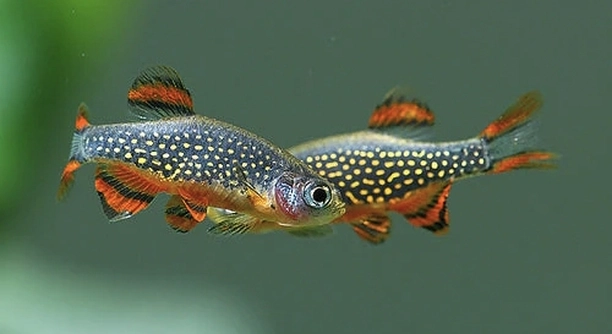
Do you ever notice your danios swimming in circles around their tank and wonder why they follow such patterns? Observing their movements can reveal subtle behaviors that are both natural and fascinating. These patterns often reflect their instincts.
Danios typically circle their tank in seven distinct patterns, including consistent clockwise or counterclockwise rotations, rapid darting loops, and sporadic pauses. These movements are influenced by social hierarchy, territorial instincts, and environmental factors within the aquarium.
Recognizing these patterns can help you understand your fish better and create a healthier, more stimulating environment for them. Observing their behaviors closely offers insights beyond simple swimming habits.
Clockwise and Counterclockwise Swimming
Danios often develop a preference for swimming in either clockwise or counterclockwise directions. This behavior is consistent among individual fish but can vary between tanks. Observing your fish over several days can reveal their favored rotation. These patterns are influenced by environmental features such as tank shape, placement of decorations, and lighting. Fish may also follow each other, forming synchronized loops. The preference may be subtle at first, becoming more noticeable as they settle into the tank. Changes in swimming direction may indicate adjustments to new surroundings or social dynamics. Clockwise and counterclockwise rotations are not signs of stress but part of their natural behavior. Fish often establish territories or preferred routes, which they repeat regularly. Providing enough space and reducing abrupt changes in the tank environment can support stable swimming patterns. Monitoring these movements helps you understand social structures and health indicators among your danios.
Regular observation allows you to note these swimming patterns and adjust the environment if needed.
Understanding clockwise and counterclockwise preferences can guide tank arrangements and social groupings. Consistent patterns indicate comfort and familiarity, while sudden shifts may signal stress or health issues. Over time, tracking these rotations provides insight into how your danios interact, establish dominance, and respond to environmental cues. Decorations, plants, and tank layout can encourage natural movement, while crowded or poorly lit areas may disrupt these patterns. Observing loops, pauses, and direction changes reveals much about their social behavior and well-being.
Rapid Darting Loops
Rapid darting loops occur when danios make short, fast circles in their tank, often around other fish.
These quick loops are usually triggered by excitement, feeding time, or minor disturbances in their environment. They demonstrate alertness and active exploration rather than stress.
When observing rapid darting loops, note how frequently each fish engages in this behavior. Some danios perform them more often, particularly younger or more dominant individuals. Loops can occur near specific areas, such as corners or near plants, indicating preferred routes. Feeding times amplify this behavior, as fish chase food in bursts. Social dynamics also play a role; fish may dart to establish dominance or avoid collisions. Over time, these loops can create temporary group patterns, forming swirls of movement that are both dynamic and predictable. Adjusting tank decor or feeding methods can influence loop frequency. While rapid, this swimming is normal and reflects healthy energy levels. Consistent observation provides insight into individual temperaments and social interactions among the group.
Pausing and Hovering
Pausing and hovering occurs when danios slow down or stop in one spot, often near plants or decorations. This behavior is common during rest, observation, or minor territorial checks, showing natural curiosity without stress.
These moments of stillness allow danios to observe their surroundings, interact with tank mates, or assess potential threats. Pausing can also occur after bursts of rapid swimming, giving the fish time to recover energy. Hovering near plants or rocks provides a sense of security while maintaining awareness of other fish. These behaviors often indicate comfort and familiarity with the environment. Fish that pause frequently in the same spots may be marking territories or establishing personal space. Observing patterns of pausing helps in understanding their activity cycles, preferred resting locations, and how environmental changes affect behavior. Consistency in hovering spots often reflects their attachment to familiar tank features.
Hovering is also used to signal social status. Dominant fish may hover confidently in open areas, while more timid fish choose sheltered spots. This behavior reinforces social dynamics while providing moments of rest. By tracking these patterns, you can notice changes in comfort, health, or tank interactions. Hovering also helps in studying responses to food placement, lighting, and decoration adjustments, offering insights for creating a balanced environment that meets both activity and safety needs.
Following and Mirroring
Following and mirroring happens when danios swim closely behind or beside each other, copying movements. It often strengthens social bonds and maintains group cohesion.
This synchronized swimming is common in small groups, with fish mirroring speed, direction, and rotations. Following helps reduce conflicts, as dominant and subordinate fish maintain visual contact while coordinating movement. It also supports efficient feeding behavior, ensuring that fish can locate food simultaneously. Mirroring can indicate comfort, with fish adjusting movements in response to one another’s actions. Patterns may evolve over time as social hierarchies solidify. Fish may switch roles, leading or following, depending on energy levels or feeding priorities. This coordinated behavior demonstrates social learning, territorial respect, and group awareness, reflecting natural instincts in a controlled environment.
Tracking following and mirroring reveals social relationships and preferred partners within the tank. These patterns show which fish lead, which adapt, and how the group negotiates space. Changes in this behavior may indicate stress, illness, or new dynamics introduced by tank modifications. Observing these interactions helps in adjusting stocking levels, decorations, or feeding strategies. It also provides insight into each fish’s confidence and adaptability. Mirroring is an important behavior to notice because it reflects group health and cooperation, giving valuable information on overall well-being and social balance in the tank.
Edge Swimming
Edge swimming is when danios stay close to the tank walls, often circling near the perimeter. This behavior provides a sense of security and helps them navigate their environment confidently.
Some fish prefer the edges during feeding or after being startled. It allows them to avoid open spaces while maintaining visibility of other tank mates.
Zigzag Patterns
Zigzag patterns occur when danios swim in quick, sharp turns, often changing direction suddenly. These movements are usually linked to excitement, chasing food, or interacting with other fish. Zigzag swimming demonstrates agility and alertness. It is more common in younger or more energetic individuals. Watching these patterns can help identify active swimmers and how they respond to stimuli. Environmental factors like tank decorations or narrow spaces can influence zigzag frequency. Over time, these movements can form temporary group dynamics, with multiple fish creating interweaving paths. This behavior shows natural instincts for evasion, exploration, and social interaction, reflecting their adaptability and overall health within the aquarium setting.
Solo Circling
Solo circling happens when a single danio repeatedly swims in a loop, often separate from the group. It can indicate territory preference or independent exploration.
Why do my danios circle the tank constantly?
Danios circle the tank as a natural behavior driven by instincts and environmental factors. They may follow a preferred route repeatedly to establish territory, maintain social hierarchy, or simply exercise. Circular swimming can also be a way to explore their surroundings while staying aware of other fish. Tank shape, decorations, and placement of plants or rocks influence these patterns. Circular swimming is usually normal unless it is accompanied by signs of stress, like rapid gill movement or loss of appetite. Monitoring their swimming can provide insight into comfort levels and social interactions among your fish.
Is it normal for danios to swim in both clockwise and counterclockwise directions?
Yes, it is normal. Individual fish may have a preferred direction, but most danios are flexible and will switch between clockwise and counterclockwise swimming depending on social dynamics or environmental changes. This behavior is not harmful and often reflects their comfort with the tank layout and interaction with other fish. Direction changes can also occur during feeding or exploration, showing adaptability and alertness. Understanding these preferences can help in arranging the tank to encourage natural movement and reduce potential conflicts.
Why do my danios perform rapid darting loops?
Rapid darting loops are bursts of fast, circular swimming usually triggered by excitement, food, or minor disturbances. Young or dominant individuals often exhibit this behavior more frequently. It is a sign of healthy energy levels and alertness rather than stress. Watching these loops can help identify active fish and preferred areas for movement within the tank. Loops near plants or decorations indicate comfort zones, while sudden changes in speed or direction may reflect interactions with other fish. This behavior is normal and reflects natural instincts for exploration, evasion, and social engagement.
What does pausing and hovering mean in danios?
Pausing and hovering occurs when a fish slows down or stops in one spot. It is usually done near plants, rocks, or other structures that provide shelter or comfort. This behavior allows danios to rest, observe surroundings, and establish personal space. It can also indicate social dynamics, with dominant fish hovering confidently in open areas and timid ones choosing sheltered spots. Hovering is normal and healthy, providing moments of rest between bursts of activity. Observing preferred hovering spots can reveal patterns in territory, comfort, and interactions with other fish.
Why do danios follow and mirror each other?
Following and mirroring is common in social species like danios. Fish swim close to each other, matching speed and direction, which strengthens social bonds and group cohesion. This behavior reduces conflicts by maintaining awareness of one another’s position and movements. It also aids in feeding, as fish locate food simultaneously while keeping group structure intact. Mirroring shows comfort and adaptation to social hierarchies, with fish taking turns leading or following based on energy or dominance. Observing these behaviors provides insight into social interactions, personality differences, and overall health within the group.
Why do some danios prefer edge swimming?
Edge swimming occurs when fish stay near tank walls, circling the perimeter. It provides a sense of security and allows them to navigate the environment confidently. Fish often choose edges after disturbances or during feeding. This behavior can also reflect territorial preferences or avoidance of open spaces. While edge swimming is normal, excessive time spent at the edges may indicate discomfort with tank conditions, poor water quality, or social stress. Observing this pattern helps in understanding individual fish preferences and adjusting tank layout to ensure comfort and balanced movement.
What causes zigzag swimming in danios?
Zigzag swimming happens when danios make sharp, quick turns, frequently changing direction. It is typically linked to excitement, chasing food, or interactions with tank mates. Young, energetic, or curious fish perform zigzag movements more often. Environmental features like decorations or narrow spaces can increase this behavior. Zigzag patterns show natural instincts for evasion and exploration, as well as social interactions within the group. Monitoring zigzag swimming can help identify active individuals, preferred areas of movement, and reactions to environmental changes, providing insight into the fish’s overall well-being.
Is solo circling a sign of stress or illness?
Solo circling is not necessarily a sign of stress. Many danios explore independently or establish personal territory by swimming alone in loops. However, if circling is constant, accompanied by lethargy, loss of appetite, or unusual gill movement, it could indicate health issues. Observing solo circling patterns alongside other behaviors helps determine whether it is normal exploration or a response to stressors. Consistent solo circling near a specific area often reflects comfort with that spot, while irregular or frantic movements may require attention to tank conditions, water quality, or social dynamics.
Can tank setup affect circling behavior?
Yes, tank layout significantly influences circling patterns. Decorations, plants, rocks, and the tank shape guide swimming routes. Narrow or open areas can promote clockwise or counterclockwise rotations, rapid loops, or zigzag movements. Proper placement of hiding spots and open swimming space helps fish feel secure while encouraging natural activity. Changes to the setup can alter established patterns, so gradual adjustments are preferable. Understanding how the environment affects movement allows better observation of behavior, social interactions, and overall comfort for danios.
How can I encourage natural swimming patterns?
Providing sufficient space, consistent water quality, and strategically placed decorations encourages natural swimming behaviors. Plants, rocks, and hiding spots create routes for circling, edge swimming, and hovering. Balanced social groups reduce conflict and promote following, mirroring, or group loops. Regular feeding and gentle handling minimize stress, allowing fish to swim freely and exhibit instinctual patterns. Observing how they interact with the setup helps maintain a healthy and stimulating environment. Adjustments based on their preferred areas and behaviors enhance both activity and comfort in the tank.
Observing danios in a tank can be more than just a calming pastime; it offers a window into their natural behaviors and instincts. Over time, their swimming patterns—whether clockwise, counterclockwise, rapid loops, zigzags, or hovering—reveal how they interact with their environment and each other. These patterns are consistent enough to allow careful observation to provide valuable insight into the preferences and comfort levels of each fish. While it may seem repetitive, circling or edge swimming is a normal and healthy part of their routine. Recognizing these behaviors helps identify any changes that might suggest stress or discomfort, such as erratic swimming or constant hiding. It also allows for adjustments to tank layout or social dynamics to maintain a balanced environment. Watching them closely can create a deeper appreciation for their natural instincts and subtle social interactions.
Understanding the reasons behind these movements can also help in managing their tank effectively. For example, providing enough space and avoiding overcrowding supports comfortable circulation and reduces tension among the group. Including decorations, plants, and open swimming areas allows fish to express natural patterns, from solo circling to following and mirroring. Feeding schedules and methods also influence behavior, as certain swimming bursts or loops may coincide with meal times. Observing these responses can help improve routines to keep the fish active and healthy. Regularly monitoring their movement not only gives insight into behavior but also highlights the health of the tank itself, such as water quality, temperature, and overall habitat suitability. Small adjustments, guided by observation, can significantly improve the well-being of all tank inhabitants.
Finally, focusing on danios’ swimming patterns offers a practical approach to understanding both individual fish and group dynamics. Patterns like pausing, hovering, and edge swimming reveal preferences, comfort levels, and even social hierarchies. Rapid loops and zigzags indicate energy levels and responsiveness, while following and mirroring show social cohesion. Recognizing these behaviors allows for proactive care, from adjusting tank layout to ensuring an appropriate number of fish for the space. Maintaining a stable, stimulating, and safe environment encourages natural behaviors while minimizing stress. Observing patterns over time provides a reliable way to track changes in both behavior and health, giving you confidence in the care being provided. By paying attention to these subtle cues, the tank becomes more than just a decorative feature—it becomes a space where the fish can thrive, express their instincts, and interact naturally, giving both the keeper and the fish a more harmonious experience.

Hello,
If you enjoy the content that we create, please consider saying a "Thank You!" by leaving a tip.
Every little bit helps us continue crafting quality advice that supports the health, happiness, and well-being of pets around the world, for pets of all shapes, sizes, and species.
We really appreciate the kindness and support that you show us!