
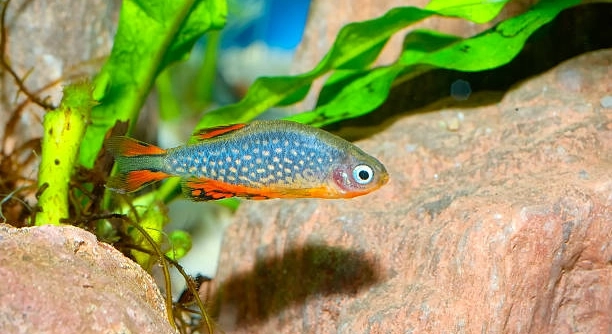
Keeping Celestial Pearl Danios can be a rewarding experience for any aquarist. These small, colorful fish bring energy to a tank, but their social behavior is often overlooked in typical care guides.
Maintaining Celestial Pearl Danios in odd numbers promotes better group dynamics, reduces stress, and encourages natural schooling behavior. Odd-numbered groups prevent pairing conflicts and enhance overall tank harmony, contributing to healthier, more active fish over time.
Observing how these fish interact in odd-numbered groups can reveal patterns and behaviors that improve their wellbeing and enrich your aquarium experience.
Improved Social Interaction
Keeping Celestial Pearl Danios in odd numbers encourages more balanced social interactions. These fish are naturally social, and even small groups can exhibit signs of stress or aggression if the numbers are even. Odd-numbered groups reduce the chance of constant pairing, which can lead to territorial disputes. When a group has three or more fish, they tend to form a loose hierarchy, with each fish finding its place. This structure allows for smoother movement throughout the tank and decreases chasing or bullying. Over time, the fish appear calmer and more confident in their environment. Observing these interactions can be fascinating, as you’ll notice subtle displays of dominance or cooperation that are less apparent in even-numbered groups. Additionally, odd numbers help maintain activity levels, since no single fish dominates the space entirely. Overall, this simple adjustment in tank population makes a big difference in keeping your fish healthy and stress-free.
Odd-numbered groups also allow each fish to interact more evenly, which reduces stress and encourages natural behavior.
When fish are grouped in threes or fives, they often show more consistent schooling behavior. This creates a dynamic, lively tank where fish move in harmony. Stress-related behaviors such as hiding or sudden darting decrease, and the group appears more cohesive. Maintaining odd numbers also supports breeding behaviors, as males are less likely to focus aggression on a single female. This leads to a more balanced tank ecosystem where all fish benefit from social stability. By observing the subtle social cues in an odd-numbered group, you gain a deeper understanding of each fish’s personality and preferences, making the aquarium experience more rewarding. Choosing odd numbers is a small but effective step toward promoting natural, healthy behavior.
Enhanced Visual Appeal
Odd-numbered groups create a more engaging display in the aquarium.
A group of three, five, or seven Danios moves more fluidly and creates a dynamic visual pattern that catches the eye more than even numbers.
In a tank, odd-numbered groups prevent symmetry that can look static or unnatural. The fish glide in small clusters, with occasional overlaps and changes in formation that make the tank appear lively. Schools of three or five fish form patterns that feel balanced but not rigid, allowing each fish’s colors and movements to stand out. This effect is amplified in tanks with plants or decorations, where the fish weave through spaces without creating constant mirror images. Even numbers often lead to pairs sticking together while others are isolated, reducing visual interest. Odd-numbered groupings create depth, movement, and variety, enhancing both the aesthetic and the perceived size of the tank. Over time, this arrangement also encourages natural interactions, which adds life to the display and keeps your aquarium visually stimulating without requiring extra decorations.
Reduced Stress Levels
Odd-numbered groups of Celestial Pearl Danios help reduce stress. When fish are in even numbers, pairs may compete or isolate others. Odd numbers keep the group more balanced and allow each fish to find its place naturally.
Stress decreases because fish in odd-numbered groups show fewer aggressive behaviors. Each individual has space to swim and interact without constant conflict. Dominance is spread across the group, preventing one fish from being singled out. Fish are calmer, explore the tank more freely, and maintain healthier appetites. Over time, their immune systems improve because chronic stress is minimized. The tank environment feels more stable and predictable for all the fish, enhancing their overall wellbeing.
This balance also affects interactions with other tank inhabitants. Odd-numbered Danios are less likely to chase or intimidate smaller species, creating a calmer aquarium overall. The group cohesion improves visual harmony and encourages natural behaviors like schooling and synchronized movement, which further supports mental and physical health. Observing this balance makes caring for them more satisfying and easier to maintain.
Easier Breeding Opportunities
Odd-numbered groups can increase breeding success. Males and females are less likely to be overwhelmed, and the group dynamic encourages natural spawning behavior.
When Danios are kept in threes, fives, or sevens, males do not focus aggression on a single female. Instead, attention is distributed across the group, allowing females to remain active and healthy. This balanced interaction reduces stress, which is crucial for egg production and fertilization. Natural schooling behavior is maintained, providing the right environment for courtship displays and frequent swimming activity. Eggs are more likely to be scattered across plants and substrate rather than clumped, improving survival rates. Additionally, odd-numbered groups allow for better observation of spawning behavior, helping aquarists monitor and support the process. The overall social stability encourages repeated breeding cycles without constant intervention, making it easier to maintain a healthy, reproducing colony of Celestial Pearl Danios.
Stronger Schooling Behavior
Odd-numbered groups promote natural schooling. Fish move together more smoothly, reducing confusion and isolation in the tank.
When Danios swim in odd numbers, their coordination improves. The group forms tighter patterns, making movements appear more fluid and synchronized, which supports overall mental and physical health.
Balanced Energy Levels
Maintaining odd numbers prevents dominance disputes that can tire out certain fish. Each individual contributes to group movement evenly, keeping energy levels stable. This balance allows for healthier feeding patterns and consistent activity throughout the day, ensuring no fish is overworked or stressed.
Reduced Aggression
Odd-numbered groups naturally minimize fights. No fish is left without partners, which lowers tension and creates a calmer tank environment.
FAQ
Why should I keep Celestial Pearl Danios in odd numbers?
Keeping them in odd numbers helps maintain social balance. Even-numbered groups can lead to pairs forming, which may isolate or stress other fish. Odd-numbered groups reduce conflict, encourage natural schooling, and improve overall fish wellbeing, resulting in calmer, healthier, and more active individuals.
How many Danios should I start with in my tank?
A minimum of three is recommended, with five or seven being ideal for small tanks. This allows for natural interactions without overcrowding. Larger tanks can support larger odd-numbered groups, but the principle remains: odd numbers promote harmony and reduce stress-related behavior.
Will odd-numbered groups help with breeding?
Yes. Males in odd-numbered groups are less likely to focus aggression on a single female. This balanced attention supports healthier females and encourages natural spawning behavior. Eggs are more evenly distributed, improving survival rates and making breeding more manageable for aquarists.
Can odd-numbered groups reduce aggression toward other fish species?
Absolutely. When Danios are kept in balanced odd groups, dominance disputes are minimized. Fish are less likely to chase or harass smaller tank mates, creating a calmer community tank environment. Cohesion in the group contributes to a more predictable and peaceful ecosystem.
Do odd-numbered groups affect feeding behavior?
Yes. Feeding becomes smoother because no single fish dominates access to food. The group shares space more evenly, reducing competition. This ensures all individuals receive proper nutrition, maintain energy levels, and show more natural behavior during feeding times.
Is tank size important when keeping odd numbers?
Yes. While odd numbers are beneficial, overcrowding can negate these advantages. Ensure the tank is large enough for each fish to have space for swimming, hiding, and schooling. Proper tank size maintains the health and stability of the odd-numbered group.
Will the odd-numbered grouping make my aquarium look better?
Odd-numbered groups often create a more natural and dynamic visual display. Fish move in fluid patterns, forming clusters that appear balanced but not symmetrical. This enhances the aesthetic appeal of the tank and makes observing their interactions more interesting.
What is the ideal odd number for a small tank?
For small tanks, three to five Danios is ideal. This provides enough fish for social interaction without overcrowding. The odd number encourages schooling, reduces stress, and prevents pairs from dominating the space. Adjustments can be made as the tank size increases.
Can I mix odd-numbered Danios with other species?
Yes. Odd-numbered Danios are generally peaceful, and maintaining an odd group helps them stay balanced, reducing harassment toward other species. Ensure other fish are compatible in temperament and size to maintain harmony across the tank.
How long does it take to see benefits from keeping odd numbers?
Benefits are often visible within days. Fish begin to school more naturally, stress-related behaviors decrease, and overall activity becomes more consistent. Over weeks, social balance and group cohesion improve, supporting long-term health and wellbeing.
Do odd numbers help with fish health?
Yes. Reduced stress lowers the risk of disease, improves appetite, and strengthens the immune system. A balanced social structure also encourages consistent activity, promoting better growth and longer lifespan. Odd-numbered groups create an environment where fish can thrive naturally.
Are there any disadvantages to keeping odd numbers?
The main concern is tank size. Odd numbers still need adequate space. Too many fish in a small tank can lead to overcrowding, stress, and poor water quality. Always balance the number of fish with the available environment to maintain benefits.
Can I change my current even-numbered group to an odd number?
Yes, adding or removing one fish can shift the group to an odd number. This simple adjustment can improve social behavior, reduce stress, and create a more balanced dynamic among your Danios.
How can I monitor if odd-numbered grouping is working?
Observe schooling, chasing, and hiding behaviors. Fish should swim in coordinated groups, interact evenly, and show reduced aggression. Health, appetite, and activity levels are also good indicators. Positive changes suggest the odd-numbered setup is effective.
Does water condition affect the benefits of odd-numbered groups?
Yes. Even with an odd-numbered group, poor water quality can stress fish and negate benefits. Regular maintenance, filtration, and monitoring of parameters like temperature and pH are essential to support the group’s wellbeing.
Can odd-numbered groups adapt to larger aquariums?
Yes, they scale well. Larger odd-numbered groups can occupy more space without losing social balance. Odd numbers prevent isolation or pairing issues even in expansive tanks, maintaining schooling behavior and reducing conflict across the group.
Are there signs my Danios prefer odd numbers?
Signs include more coordinated swimming, reduced hiding, and calmer interactions. Fish appear more confident and active. If you previously had even numbers, you may notice less chasing or pairing behavior once you switch to an odd number.
Will odd-numbered groups work for newly acquired Danios?
Yes. Establishing an odd number from the start helps them settle quickly. The group forms natural hierarchies early, reducing stress and promoting healthier acclimation to the new tank environment.
How important is diet for odd-numbered groups?
A balanced diet complements the social benefits of odd numbers. Proper nutrition keeps all individuals strong, supports activity and schooling behavior, and prevents aggression linked to hunger or competition for food.
What should I do if one fish becomes aggressive even in an odd-numbered group?
Observe and consider temporarily isolating the aggressive fish. Check for stressors like poor water conditions or overcrowding. Odd-numbered groups reduce aggression, but environmental factors still play a key role in maintaining harmony. Adjusting the tank or social composition may be necessary.
How often should I check the social behavior of my odd-numbered Danios?
Daily observation is recommended. Regularly watching interactions helps you catch stress, aggression, or isolation early. This ensures the group remains balanced and that each fish benefits from the social structure provided by an odd-numbered setup.
Do odd-numbered groups help with long-term health?
Yes. Reduced stress, better schooling, and balanced social interaction contribute to improved immunity, growth, and lifespan. Fish in odd-numbered groups often remain more active, vibrant, and resilient throughout their lives, making the aquarium healthier overall.
Can I mix odd-numbered groups with plants and decorations?
Yes. Odd-numbered Danios navigate plants and decor more smoothly. The group’s fluid movement creates dynamic displays without overcrowding, enhancing both visual appeal and fish wellbeing.
Is there an optimal odd number for very large tanks?
Large tanks can support seven, nine, or more Danios. The key is to maintain an odd number to preserve natural social balance. As the group grows, spacing and interactions remain harmonious, supporting schooling and reducing aggression.
Do odd-numbered groups affect the timing of feeding?
Yes, feeding becomes more orderly. Fish take turns approaching food without constant competition. This ensures all individuals receive nourishment and maintain consistent energy levels, supporting their natural activity patterns.
How does temperature or pH affect odd-numbered groups?
Stable conditions enhance the benefits. Even with odd numbers, fluctuations in temperature or pH can stress fish and disrupt social harmony. Proper environmental control ensures the group remains balanced and healthy.
Can I adjust an existing tank to benefit from odd-numbered Danios?
Yes. Adding or removing a single fish can immediately improve group dynamics. Observe interactions after adjustment, and make sure tank size and conditions are adequate to maintain benefits.
What is the long-term effect of maintaining odd-numbered groups?
Over time, fish show less stress, more natural schooling, and improved health. Odd-numbered groups establish stable social structures that persist for years, supporting longevity and creating a more visually appealing and harmonious aquarium.
How can I tell if my odd-numbered group is thriving?
Signs include smooth schooling, minimal aggression, healthy appetite, vibrant coloration, and active swimming. Fish appear confident, explore the tank, and interact evenly, indicating that the social structure is successful and their environment is well-maintained.
What happens if an odd-numbered group becomes even due to death?
Behavior may shift, with potential pairing or isolation occurring. Replace or remove a fish to restore the odd-numbered structure. Maintaining the odd number helps keep stress levels low and social harmony intact.
Do odd-numbered groups benefit juvenile Danios as well?
Yes. Young Danios establish social patterns early. Odd numbers encourage proper schooling, reduce bullying, and support healthy growth. Juveniles thrive when the group is balanced and interactions are evenly distributed.
Can odd-numbered groups coexist with territorial species?
Yes, but monitoring is needed. Odd-numbered Danios remain calm, but tank mates with strong territorial instincts may still cause stress. Careful selection of compatible species ensures overall harmony.
How often should I adjust the number of fish?
Adjustments are only necessary if the group becomes even or overcrowded. Otherwise, maintaining the established odd number provides long-term social stability and reduces the risk of stress and aggression.
Does adding decorations affect the benefits of odd numbers?
Decorations can enhance natural behavior. Odd-numbered groups move fluidly through plants and structures, which supports schooling and reduces conflict. Properly placed décor allows the group to interact naturally while keeping stress low.
Are odd numbers effective in community tanks?
Yes. Odd-numbered Danios interact more predictably with other species, reducing aggression and creating a calmer environment. Their social balance benefits both the group and the overall tank ecosystem.
Can odd numbers reduce hiding behavior?
Yes. Fish feel more secure in odd-numbered groups, which reduces hiding. Confident, active fish swim more openly, creating a livelier tank and promoting natural behaviors like schooling and exploration.
Does the odd-number principle apply to other schooling fish?
Often, yes. Many small schooling species benefit from odd numbers, which help maintain social balance and reduce stress. However, behavior varies by species, so observe each group carefully.
How do I introduce a new Danio to an existing odd-numbered group?
Quarantine first to prevent disease. Then add the new fish slowly, observing how the group adjusts. Odd-numbered groups typically absorb newcomers without increased aggression if tank size and conditions are suitable.
Can odd-numbered groups survive in tanks with fluctuating conditions?
They are more resilient than even groups, but unstable water quality or temperature can still stress fish. Maintaining stable conditions ensures the full benefits of odd-numbered social structure.
What is the best way to start an odd-numbered group?
Begin with three or more fish of mixed sex to promote natural schooling and balanced interactions. Gradually increase numbers while keeping the group odd to maintain social harmony and reduce aggression.
Do odd numbers influence color intensity or health?
Yes. Reduced stress and balanced activity support vibrant colors and overall health. Fish in calm, odd-numbered groups are more active, feed better, and maintain stronger immune systems over time.
Are there signs of imbalance in an odd-numbered group?
Signs include chasing, isolation, or hiding. Even in odd numbers, poor tank conditions or overcrowding can disrupt harmony. Correcting environmental factors or adjusting numbers restores balance.
Is it necessary to separate aggressive fish even in odd-numbered groups?
Sometimes. If aggression persists despite the odd number, temporarily isolating the aggressive individual may be necessary. Environmental adjustments and monitoring help restore group stability.
Can odd-numbered groups be maintained in planted tanks?
Yes. Plants provide hiding spots and enrich the environment, complementing the social benefits of odd-numbered groups. Fish navigate naturally, which reduces stress and encourages healthy schooling.
Do odd-numbered groups help with long-term tank stability?
Yes. Balanced social interactions reduce stress and aggression, promoting overall tank harmony. Fish are healthier, more active, and easier to care for, contributing to a stable and thriving aquarium ecosystem.
What is the main takeaway about odd-numbered groups?
Odd numbers improve social balance, reduce stress, enhance schooling, and support overall fish health. This simple adjustment makes a measurable difference in both behavior and tank aesthetics.
How do I maintain the odd-numbered principle over time?
Regularly monitor the group, add or remove fish as needed, and maintain proper tank conditions. This ensures the social structure remains stable and the fish continue to thrive.
Do odd-numbered groups require special monitoring compared to even numbers?
No special tools are needed, but observation is important. Watch for aggression, hiding, and feeding behavior to ensure the group remains balanced and healthy.
Are odd-numbered groups compatible with shrimp or snails?
Yes. Odd-numbered Danios are less likely to chase or stress invertebrates. Ensure tank conditions support all species for a peaceful community environment.
Can odd-numbered groups reduce disease spread?
Indirectly. Reduced stress improves immunity and decreases susceptibility to illness. Healthy, balanced groups are less prone to outbreaks compared to stressed, aggressive groups.
What is the ideal starting point for odd-numbered Danios?
Start with three fish and scale up if the tank allows. Odd numbers maintain social harmony, encourage natural behavior, and support health from the beginning.
Do odd numbers affect lifespan?
Yes. Fish in balanced, odd-numbered groups experience less stress and aggression, leading to improved long-term health and potentially longer lifespans.
Can odd-numbered groups adapt to changing tank populations?
Yes. Adjusting numbers while keeping the group odd helps maintain stability and social balance, even as other species are added or removed.
Are odd-numbered groups easier to care for?
Yes. Reduced aggression, smoother feeding, and balanced activity make daily maintenance simpler and create a healthier tank environment.
Do odd numbers help juvenile Danios integrate better?
Yes. Juveniles are less likely to be bullied, promoting natural schooling behavior and healthy growth in a secure social environment.
How often should I review the group structure?
Regularly, especially after adding or losing fish. Monitoring ensures the group remains odd and balanced, maintaining all behavioral and health benefits.
Can odd-numbered groups coexist with aggressive tank mates?
Cautiously. Odd numbers reduce internal conflict, but aggressive species may still require careful monitoring and tank management.
Do odd-numbered groups affect reproductive timing?
Yes. Balanced social interactions reduce stress and support natural breeding cycles. Females are less harassed, leading to healthier eggs and more successful spawning.
What are the visual benefits of odd-numbered groups?
Odd groups move fluidly, creating dynamic, engaging patterns in the tank. This enhances aesthetic appeal and makes observing behavior more rewarding.
How do odd-numbered groups influence energy distribution?
Energy is spread evenly across the group. No single fish dominates movement, allowing consistent activity, proper feeding, and balanced schooling behavior.
Are there environmental factors that can negate the benefits?
Yes. Poor water quality, overcrowding, or incompatible species can disrupt social balance, even in odd-numbered groups. Proper care ensures benefits are realized.
What is the overall benefit of maintaining odd numbers?
Odd-numbered groups improve social harmony, reduce stress, enhance schooling, support breeding, and create a visually appealing, balanced aquarium environment.
Final Thoughts
Maintaining Celestial Pearl Danios in odd numbers is a simple step that can make a noticeable difference in their behavior and overall wellbeing. These small, active fish thrive in social groups, and odd-numbered arrangements help reduce conflicts that often arise in even-numbered groups. By keeping three, five, or seven fish together, you create a natural balance that encourages smoother interactions and more cohesive schooling behavior. Fish in odd-numbered groups tend to explore the tank more freely, show less hiding behavior, and interact more evenly, which leads to a calmer and healthier environment. Observing the group over time makes it clear how social structure influences their mood, energy levels, and confidence within the tank. This adjustment does not require special equipment or complex care routines, making it an easy and practical way to enhance the aquarium experience while promoting long-term fish health.
Odd-numbered groups also contribute to better feeding and breeding outcomes. When fish are in an even-numbered group, pairs can form, leaving some individuals more stressed or less active. This can result in uneven feeding or poor growth, as dominant fish may take the majority of food. Odd-numbered groups help distribute attention more evenly, ensuring that all fish have access to nutrition and are less likely to be bullied. The same principle applies to breeding, where males are less likely to focus aggression on a single female. Balanced interactions create a more natural environment for courtship and spawning, increasing the chances of healthy eggs and successful reproduction. Over time, the benefits of this social balance become even more apparent, as fish maintain consistent activity levels, vibrant coloration, and overall better health, which makes caring for them more satisfying.
Finally, maintaining odd numbers improves the visual appeal of the tank and supports a stable, harmonious ecosystem. Fish move in fluid patterns that appear more natural, creating a dynamic display that enhances the overall look of the aquarium. Odd-numbered groups prevent rigid symmetry, which can make the tank feel less lively, and instead create movement that feels balanced yet unpredictable. This not only makes the tank more engaging to watch but also provides a healthier environment for the fish, as calmer social interactions reduce stress-related issues. Combined with proper tank care, adequate space, and good water quality, keeping Celestial Pearl Danios in odd numbers is an effective way to promote a thriving aquatic environment. The practice is simple but offers multiple benefits, from social stability and reduced aggression to better breeding outcomes and visual appeal, making it a worthwhile consideration for anyone who wants a balanced and lively aquarium.

Hello,
If you enjoy the content that we create, please consider saying a "Thank You!" by leaving a tip.
Every little bit helps us continue crafting quality advice that supports the health, happiness, and well-being of pets around the world, for pets of all shapes, sizes, and species.
We really appreciate the kindness and support that you show us!